
 Worksheets
BIOLOGY DAILY TEST FOR SENIOR HIGH SCHOOL 12
Total questions: 75
Worksheet time: 35mins
Biodiversity refers to the ____________ and _____________ of organisms within a particular area. (2 answers)
species
variety
number
colour
Variations are ___________ in traits or characteristics between individuals.
similarities
differences

What does this show? (picture description - 5 different species with 1 individual each)
Species richness
Species diversity

What does this show? (picture description - 3 different species with 1 individual each)
Species richness
Species diversity

What does this show? (picture description - 3 species with 2 individuals each, 1 species with 1 individual)
Species richness
Species diversity

What aspect of biodiversity does this picture illustrate? (description - giraffes with different coat colorations, ranging from light to dark)
Different species
Variation within species
Variation between different species
Why is biodiversity important in natural systems?
It is important for the stability of systems in nature.
It is important for research purposes.
It is important for survival of species in nature.
If is important for species to evolve in nature.
Which is INCORRECT about the benefits of natural resources to humans?
Raw materials like wood can be used to build furniture and houses.
Spices can be used in our food to flavour it.
Medicines like antibiotics can be used to cure illnesses.
Plastic can be used to make many useful household objects.
Which of these are threats to biodiversity? (you may choose more than 1 answer)
Invasion of other organisms
Disease
Excessive hunting
Change or loss of habitat
What is the benefit of recycling and reusing materials?
Preserve biodiversity by limiting the destruction of habitats.
More people will know about protecting wildlife.
There will be less threats from non-native species on the biodiversity in the area.
What can we do to preserve biodiversity on earth? (you may choose more than one answer)
Recycling and reusing materials
Education - raising awareness of the importance of protecting wildlife.
Stopping the introduction of non-native species into the environment
Volunteering with wildlife conservation organisations
The diversity of organisms, whether microorganisms, animals, or plants is known as
biodiversity
habitat
climate
Different organisms have _____________ characteristics which enable them to adapt and thrive independently in their respective habitats.
same
different
equal
Dog is an animal living in water.
TRUE
FALSE
Parsley is a mild bitter _________ that can enhance the flavor of your foods.
flower
herb
root
The International Day for Biological Diversity is celebrated on the ______________ every year.
10th of May
22nd of May
6th of May
________________ living things are ways to
maintain the balance of biodiversity.
Sources of food
Conserving and preserving
Hunting on
Areas that are rich in biodiversity can be developed as ________________ .
medical
shopping malls
recreational places
Example of endemic species in Malaysia is
Cat
Monkey
Malayan Tiger
Deforestation activities cause animals to lose their habitat.
True
False
In situ conservation preserves the species within their natural habitat such as permanent forest reserves.
True
False
Different organisms have _____________ characteristics which enable them to adapt and thrive independently in their respective habitats.
same
different
equal
________________ living things are ways to
maintain the balance of biodiversity.
Sources of food
Conserving and preserving
Hunting on
Areas that are rich in biodiversity can be developed as ________________ .
medical
shopping malls
recreational places
Example of endemic species in Malaysia is
Cat
Monkey
Malayan Tiger
What is biodiversity?
Maintaining something at a stable level
All of the living and non-living things in an environment
All of the members of the same species in an area
All of the different types of living things
What is an endemic species?
Species that can be found anywhere
Animals that became endangered
Organisms that can only be found in restricted habitat or a specific location
Plants that can undergo photosynthesis


A species that is likely to become extinct if protective measures are not taken immediately is known as
threatened species
endemic species
keystone species
endangered species

Based on the diagram, indicate the importance of biodiversity to human
Source of food
Balance in nature
Raw materials for industries
Education
Recreational places

Based on the diagram, indicate the importance of biodiversity to human
Source of food
Balance in nature
Raw materials for industries
Education
Recreational places

Based on the diagram, indicate the importance of biodiversity to human
Medical
Balance in nature
Raw materials for industries
Recreational places
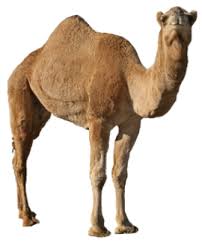
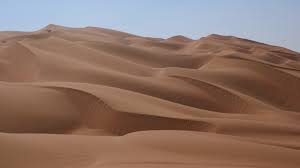
Where does this animal live?
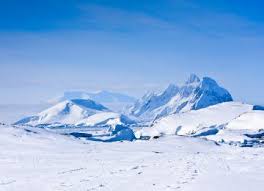
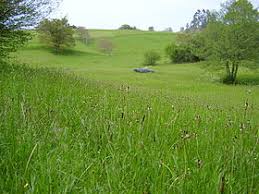
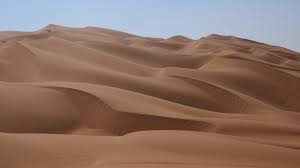
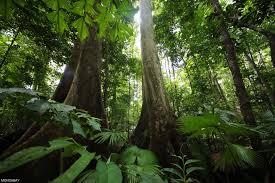
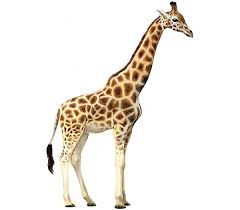
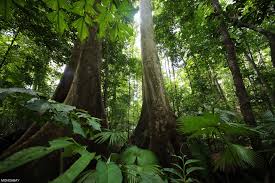
Where does this animal live?
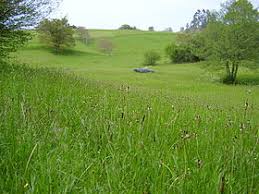
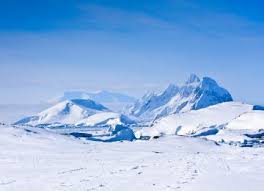

Genetic _________________ allow some organisms to be better adapted to the environment.
variations
domination
repeats
weakness
Moist skin covered in scales
Vertebrate
Birds
Fish
Reptiles
Dry skin with scales
mammals
Fish
Birds
Reptiles
Skin with feathers
fish
mammals
birds
reptiles
skin with hair on most or some of the body
mammals
birds
fish
reptiles
moist skin with no scales
mammals
reptiles
amphibians
fish
backbone made of bone or cartilage
mammals
vertebrates
avertebrates
amphibians
choose the field of science that names and classifies organisms based on their similar characteristics
ecology
zoology
genetics
taxonomy
P = Genus
Q = Phylum
R = Class
S = Kingdom
T = Family
U = Species
V = Order
which of the following sequence shows the hierarchy of classification
Q, S, U, V, T, P, R
S, Q, R, V, T, P, U
V, T, P, S, U, Q, R
U, T, Q, P, V, S, R
The characteristics of classification change as they go down along the hierarchy of classification. which of the following statements is an incorrect characteristic
the number of organism increases
the number of organism deceases
the number of similar features of an organism increases
the organism are arranged in an increasing specificity
which of the following is not a kingdom
monera
fungi
chordata
protista
which of the following statements about classification of organisms is incorrect
it makes the study of organism easier
it enables predictions of the organism
it names the organisms using a standardize system
it sorts organism into one group only
dalam ekosistem taman terdapat :
- sekelompok cacing tanah
- 5 ekor anjing
- seekor ulat kecil
- 4 ekor ulat
- 3 ekor katak
- 5 ekor belalang
- 7 ekor tikus
- 4 ekor kelinci
- seekor kerbau
satuan ekosistem yang berupa populasi adalah ....
1,,2,3,4,,5,6, dan 7
1, 2, 4, 5, 6, 7 dan 8
1, 2, 4, 5, 6, 8 dan 9
1, 2, 5, 6, 7, 8 dan 9
ditemukan seekor hewan yang memiliki ciri - ciri
- tubuhnya lunak berlendir
- bergerak dengan menggunakan otot perut
- memiliki cangkang yang keras
hewan tersebut termasuk dalam kelompok
porifera
arthropoda
coelenterata
mollusca
perhatikan tumbuh - tumbuhan berikut :
- jambu
- padi
- kelapa
- nangka
- alang - alang
tumbuhan yang terbentuk daunnya seperti pita adalah ...
1,2,3
1,3,4
2,3,4
2,3,5
jeruk bali (Citrus maxima), jeruk nipis (Citrus aurantifolia) dan jeruk keprok ( Citrus nobilis) termasuk dalam satu kelompok yaitu pada tingkat ...
kelas
genus
famili
species
seekor hewan memiliki ciri - ciri sebagai berikut. tubuh ditutupi oleh bulu, bernafas dengan paru - paru, bergerak dengan kaki dan sayap, suhu tubuh tetap. hewan tersebut adalah ...
reptilia
amphibia
aves
pisces

hewan manakah yang tergolong reptilia
1 dan 2
1 dan 4
2 dan 3
2 dan 4

kelompok hewan yang berkembangbiak dengan cara yang sama adalah
1,2,3
1,2,4
2,3,4
3,4,5
amir menggolongkan ikan mas, biawak, ular kobra, dan buaya menjadi suatu kelompok berdasarkan kesamaan ciri, yaitu
mempunyai sisik
mengandung lendir
cara bernafas
tempat hidupnya

hewan 1 dan 4 dikelompokan dalam kelompok P sedangkan hewan 2 dan 3 menjadi kelompok Q. berdasarkan apakah pengelompokan hewan P dan Q?
jumlah anggota gerak
cara berkembang biak
tempat hidup
jenis makanan
The correct order of classification from the BROADEST group to the most narrow is:
Species, Genus, Family, Order, Class, Phylum, Kingdom
Kingdom, Phylum, Class, Family, Order, Genus, Species
Domain, Kingdom, Family, Order, Phylum, Class, Genus, Species
Domain, Kingdom, Phylum, Class, Order, Family, Genus, Species

An organism that LACK a NUCLEUS (NO NUCLEUS)
Eukaryote
Prokaryote
Heterotroph
Autotroph
The study of how things are classified is known as:
Binomial nomenclature
Taxonomy
A dichotomous key
The 2-part naming system developed by Linneus is known as:
Dichotomous key
Binomial nomenclature
Taxonomy
Classification
Which Domain/Kingdom is capable of living in EXTREME ENVIRONMENTS like hot springs, geysers, or very salty waters?
Bacteria
Eukarya
Archaea

