wayground logo

Free Printable Worksheets

NEW

Font size

S
M
L
XL
Worksheets

Unit 7 Ecology Study Guide

Total questions: 63

Worksheet time: 1hrs 12mins

Name
Class
Date
1.
What is the original source of almost all energy in most ecosystems?
a)
carbohydrates
b)
sunlight
c)
water
d)
carbon
2.
The image provided is an example of a(n):
a)
Producer
b)
Autotroph
c)
Consumer
d)
Insect
3.

The amount of energy that usually transfers from one trophic level to the next...

a)

10%

b)

20%

c)

80%

d)

50%

4.
An illustration that uses arrows to show the many possible directions in which matter and energy can pass through the organisms in an ecosystem.
a)
Food chain
b)
Food web
c)
Energy Pyramid
d)
Succession Map
5.

Which of the following would be the definition of a decomposers?

a)

Animals that eat insects.

b)

Organisms that feed on rocks, recycling the nutrients back into the ground.

c)

Organisms that eat only pants

d)

Organisms that feed on dead organisms, recycling the nutrients back into the ground.

6.

The amount of energy that usually transfers from one trophic level to the next...

a)

10%

b)

20%

c)

80%

d)

50%

7.

Which of the following would be the definition of a decomposers?

a)

Animals that eat insects.

b)

Organisms that feed on rocks, recycling the nutrients back into the ground.

c)

Organisms that eat only pants

d)

Organisms that feed on dead organisms, recycling the nutrients back into the ground.

8.

The nonliving aspects of an ecosystem.

a)

Abiotic factors

b)

Biotic factors

9.
The living portions of the ecosystem.
a)
Biotic factors
b)
Abiotic factors
10.

Water temperature would be an example of ...

a)

A biotic factor

b)

An abiotic factor

11.

Consumer that eats plants

a)

heterotroph

b)

primary consumer

c)

producer

d)

secondary consumer

12.
What are the Abiotic factors in this image? 
a)
water, sunlight, dirt, air
b)
birds and plants
c)
birds, water, dirt
d)
plants, water
13.
All of the living and nonliving things in an area that interact with each other are called a/an ______.
a)
community
b)
habitat
c)
population
d)
ecosystem
14.
The study of how living things interact with one another and with their environment.
a)
Biology
b)
Lithology
c)
Ecology
d)
Farmacology
15.
What makes Fungi so unique when it comes to trophic levels?  
a)
They are producers so they can be high or low 
b)
They are consumers of only plants
c)
They are consumers of all types of organisms because they decompose 
d)
They are consumers of only the primary trophic level
16.
In this food web, what is the grasshopper?
a)
producer
b)
tertiary consumer
c)
secondary consumer
d)
primary consumer
17.
In the energy pyramid here, which organisms have the most energy available?
a)
Producers
b)
Carnivores
c)
Herbivores
d)
Top Predator
18.
Which of these is the ultimate source of energy in the energy pyramid
a)
water
b)
air 
c)
sunlight
d)
soil
19.
Which of the following is NOT important cycle of matter in the environment?
a)
helium cycle
b)
water cycle
c)
carbon cycle 
d)
nitrogen cycle
20.

A local company dumped sewage into the wetlands. As a result, most fish in the wetlands died. This decrease in the number of fish will probably result in

a)

fewer mice

b)

fewer birds

c)

fewer spiders

d)

fewer insects

21.
Which of the following is NOT an abiotic environmental factor?
a)
air
b)
animals
c)
soil
d)
water
22.

Which order of these shows the food chain in the correct order?

a)

Zooplankton--->Bear--->Salmon

b)

Salmon--->Zooplankton--->Bear

c)

Zooplankton-->Salmon--->Bear

d)

Bear--->Zooplankton--->Salmon

23.
Which of the following organisms are typical decomposers?
a)
grasses and ferns
b)
bacteria and mushrooms
c)
mice and deer
d)
lions and snakes
24.
What percent of energy is transferred from consumer to consumer in a food chain?
a)
25%
b)
10% 
c)
90%
d)
50%
25.
How would the removal of the earth worms affect the other organisms.
a)
The number of bass will increase
b)
The number of crayfish will decrease
c)
The crayfish will get their energy directly from the sun 
d)
The number of bass and ospreys will increase
26.
The sun's energy is most directly available to people through
a)
Path A
b)
Path B
c)
Path C
d)
Path D
27.
Which organism receives the least amount of energy from the producer?
a)
The squirrel
b)
The shrew
c)
The deer
d)
The rabbit
28.
In the food web shown, which is the tertiary consumer?
a)
large lizard
b)
snake
c)
scorpion
d)
desert fox
29.

The monkey would be a

a)

decomposer

b)

producer

c)

primary consumer

d)

secondary consumer

30.

90% of the energy that gets lost as you move up a food pyramid or chain gets lost as

a)

pollution to the environment

b)

heat to the environment

c)

energy for decomposers

d)

gets recycled

31.
Natural disasters such as flooding and tornadoes are linked to ________________.
a)
primary
b)
secondary
c)
old field
d)
ecosystem
32.
How do lichens contribute to primary succession?
a)
Lichens decompose organic matter from animals and plants
b)
Lichens begin to break down rock to form soil
c)
Lichens are nitrogen fixing bacteria
d)
Lichens convert carbohydrates into fossil fuels.
33.
What is formed during primary succession that doesn't need to be formed during secondary succession?
a)
pioneer species
b)
soil
c)
climax community
d)
lichens
34.
After a forest fire, an ecosystem would start regrowth through -
a)
primary succession
b)
secondary succession
c)
climax community
d)
limiting factors
35.
succession that occurs in an area with no soil
a)
ecological succession 
b)
primary succession 
c)
secondary succession
d)
pioneer speciles
36.

Which experiences the least change over time?

a)

Pioneer Species

b)

Primary Succession

c)

Aquatic Succession

d)

Climax Community

37.

Which of the following best describes primary succession?

a)

Volcano wipes out ecosystem that gradually grows back from ash covered soil

b)

Volcano creates a new island of rock that must break down to form an ecosystem

c)

Forest fire burns down forest that must bounce back over time

d)

Tornado destroys a crop that must slowly grow back over time.

38.

If farmers use a controlled burn to prevent forest fires, what would most likely be the first plants to return?

a)

trees

b)

shrubs

c)

mosses

d)

grasses

39.

Which would most likely result in primary succession?

a)

old forest growing

b)

undisturbed prairie

c)

pollution kills mountain lake species

d)

a Newly formed volcanic island

40.

Primary succession occurs in areas with:

a)

very little soil

b)

lots of soil

c)

no soil

d)

soil that has been disturbed

41.
What is the order of succession shown in this figure?
a)
A, B, C, D
b)
B, A, D, C
c)
C, D, A, B
d)
D, A, B, C
42.
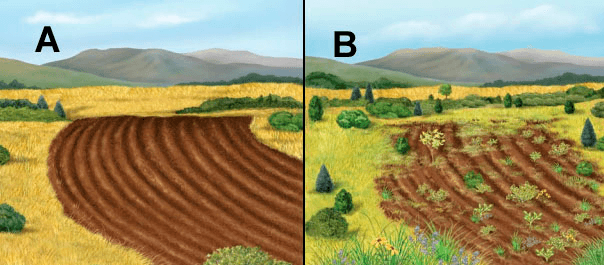
What type of succession is shown going from figure A to figure B?
a)
primary succession
b)
ecological succession
c)
secondary succession
d)
intermediate
43.
What is the name given to lichen or algae after a primary succession?
a)
pioneer species
b)
volunteer species
c)
founder species
d)
conqueror species
44.
What are examples of pioneer species in a primary succession?
a)
Bushes and Shrubs
b)
Oak trees
c)
Mossess and Lichens 
d)
A rose Bush
45.
After a volcanic eruption, lava covers the land. What is the order that plants grow to repopulate the area?
a)
Lichens → Shrubs → Grasses → Trees
b)
Lichens → tree → shrubs→Grasses
c)
Grasses → Lichens → Shrubs → Trees
d)
Lichens → Grasses → Shrubs → Trees
46.
What is the most important function of pioneer species?
a)
To create rocks
b)
To create soil and add nutrients to the environment 
c)
To look nice
d)
Food for animals 
47.
this type of succession occurs after a forest fire
a)
primary succession
b)
secondary succession
c)
both
48.
This is the process that forms a new ecosystem where no organisms lived before.
a)
resource
b)
invasive (non- native) species
c)
primary succession
d)
competition
49.
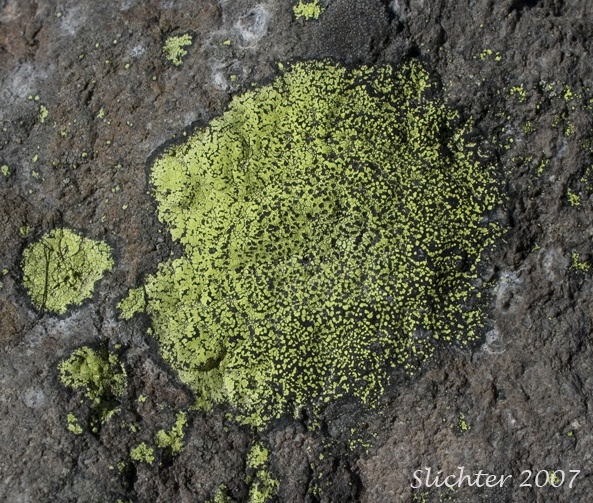
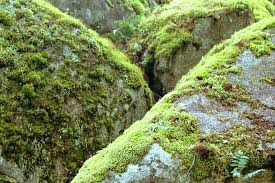
This is an example of...
a)
Climax communities
b)
Secondary succession
c)
Lichen
d)
Pioneer species
50.

What is an example of a disturbance that could bring about secondary succession?

a)

Humans cut down many trees in a small region

b)

A volcanic eruption covers a village in lava.

51.

What type of disturbance can be beneficial to ecosystems and communities?

a)

Volcanic Eruption

b)

Fire

c)

Invasive Species

d)

Flood

52.
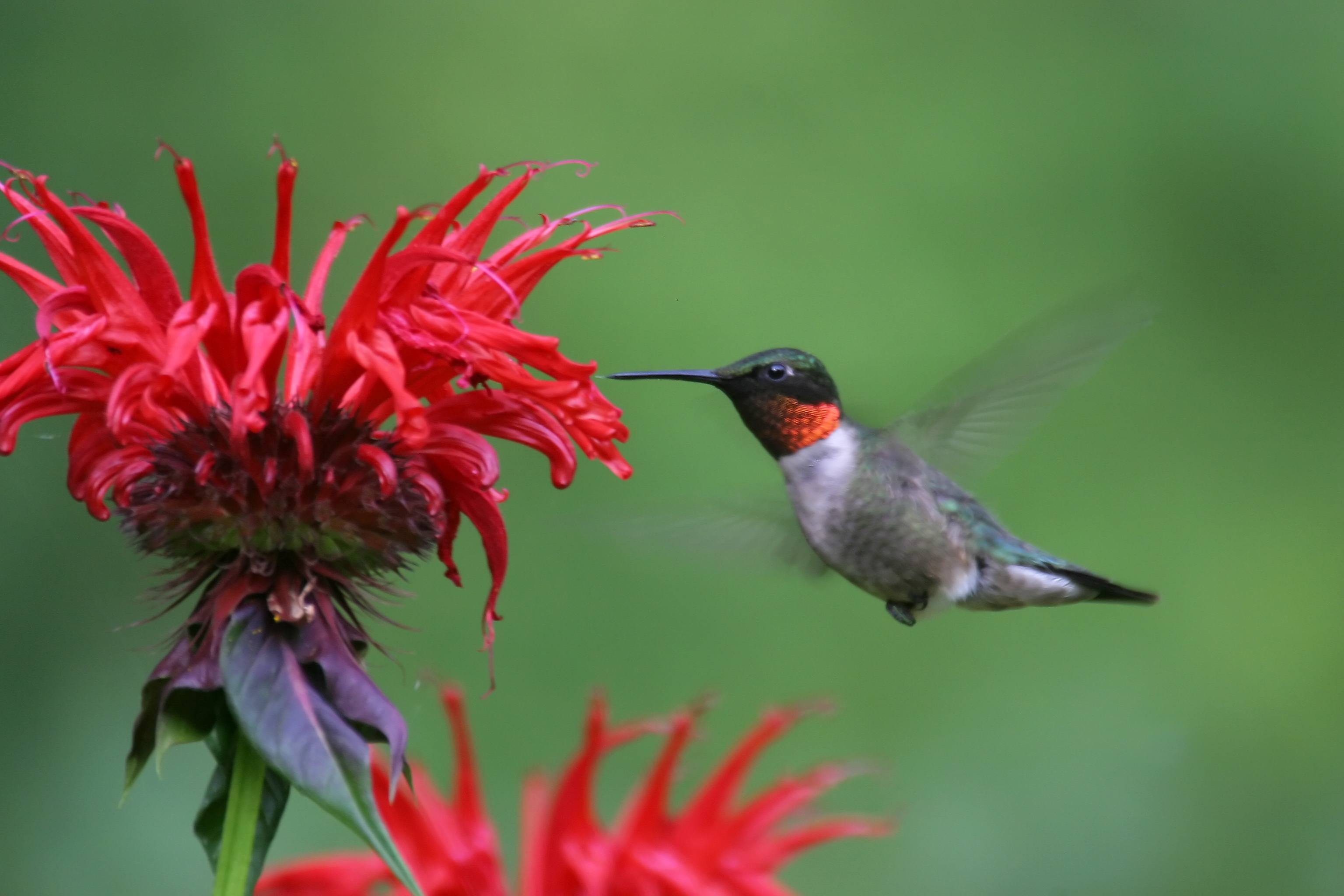
What type of symbiosis?  Hummingbirds feed on nectar from flowers.  The flowers are pollinated by hummingbirds as they move from flower to flower.
a)
commensalism
b)
mutualism
c)
parasitism
d)
predation
53.
A relationship between two organisms in which one organism benefits and the other is unharmed...
a)
Mutualism 
b)
Competition
c)
Parasitsm 
d)
Commensalism 
54.
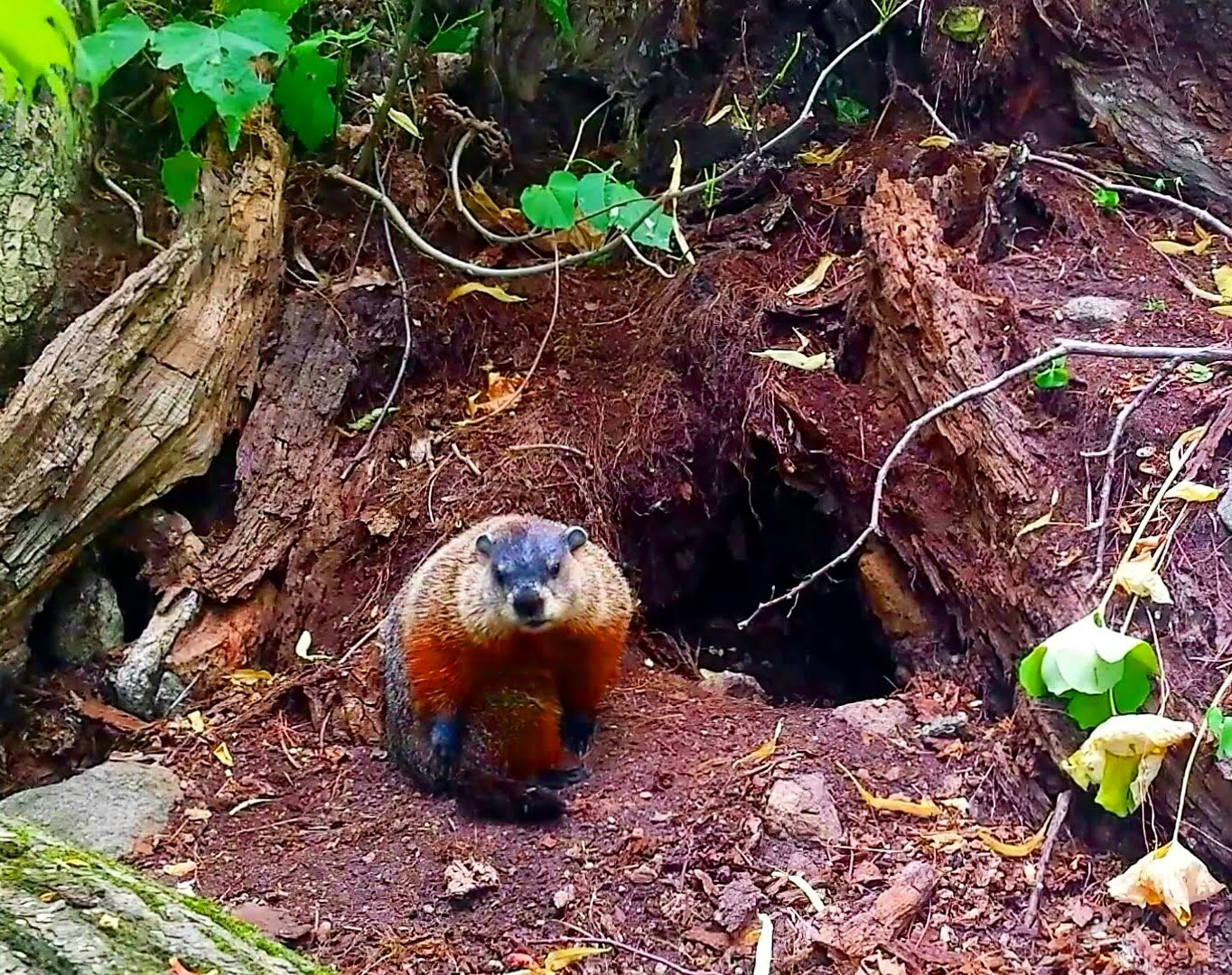
What type of symbiosis?  Skunks often live in burrows that have been dug and abandoned by woodchucks.  
a)
commensalism
b)
mutualism
c)
parasitism
d)
predation
55.
A relationship between two organisms in which both organisms benefit. 
a)
Mutualism 
b)
Competition
c)
Parasitsm 
d)
Commensalism 
56.
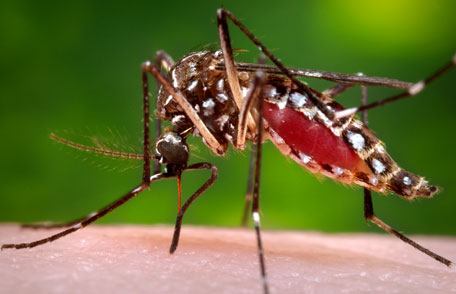
When a mosquito bites you, you are the __________ and the mosquito is the  ____________.
a)
host, hostess
b)
parasite, host
c)
host, parasite
d)
prey, predator
57.

Aphids are tiny insects that live on and eat the leaves of plants, removing vital nutrients from the plants.

a)

Predation

b)

Parasitism

c)

Commensalism

d)

Mutualism

58.
What type of symbiosis is this?
*
Hermit crabs find shells left by snails that have died and move in.
*
  Snails die and leave behind their shells.
a)
commensalism
b)
mutualism
c)
parasitism
d)
predation
59.
A tick and a dog have this type of relationship.
a)
mutualism
b)
commensalism
c)
neutralism
d)
parasitism
60.
Ostriches and gazelles feed next to each other. They both watch for predators and alert each other to danger. Because their visual abilities are different, they can identify threats that the other animal would not see as readily. 
a)
parasitism
b)
commensalism
c)
mutualism
61.
Which symbols best describe commensalism?
a)
+,+
b)
+,-
c)
+,0
d)
0,0
62.
Which symbols best describe parasitism?
a)
+,+
b)
+,-
c)
+,0
d)
-,0
63.
Which symbols best describe mutualism?
a)
+,+
b)
+,-
c)
+,0
d)
-,0