
 Worksheets
Old Bergamot Waters
Total questions: 80
Worksheet time: 7hrs 40mins

When you are parallel parked, how close to the curb should you be within?_____.
18 Inches
12 Inches
24 Inches
You are the first vehicle at an intersection. Which is the best wheel position and vehicle position to take when waiting to make a left turn at a traffic light?
Wheels pointed left while partially into the intersection.
Wheels pointed right while partially in the intersection.
Wheels straight while partially in the intersection.
Yielding the right of way means:
the same as a flashing red traffic light.
always stopping at yield signs.
letting others go first.
Which foot should you use to control the accelerator and brake pedals?
Left
Either
Right
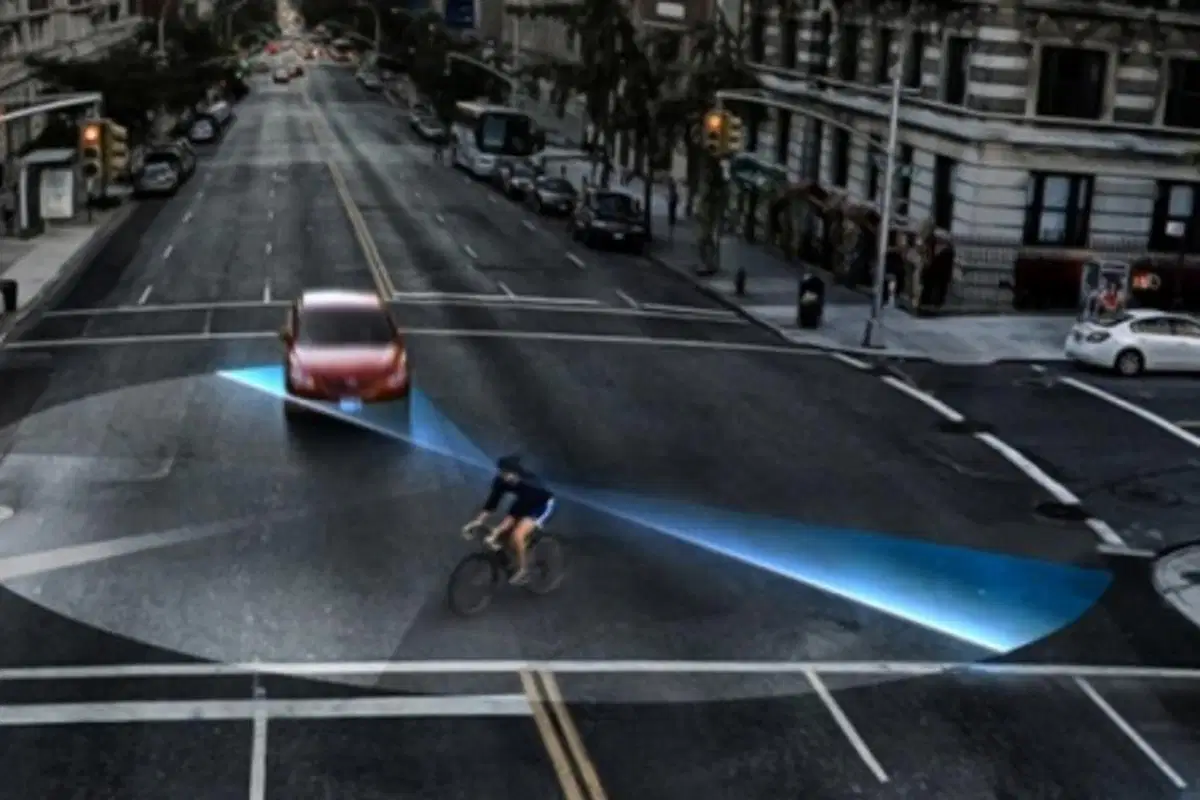
When you are looking far and near and side to side you are:
Monitoring
Searching
Braking

Where should you stop your vehicle at an intersection controlled by a stop sign with a crosswalk?
In the middle of the crosswalk
Before the crosswalk
After the crosswalk if there are no pedestrians
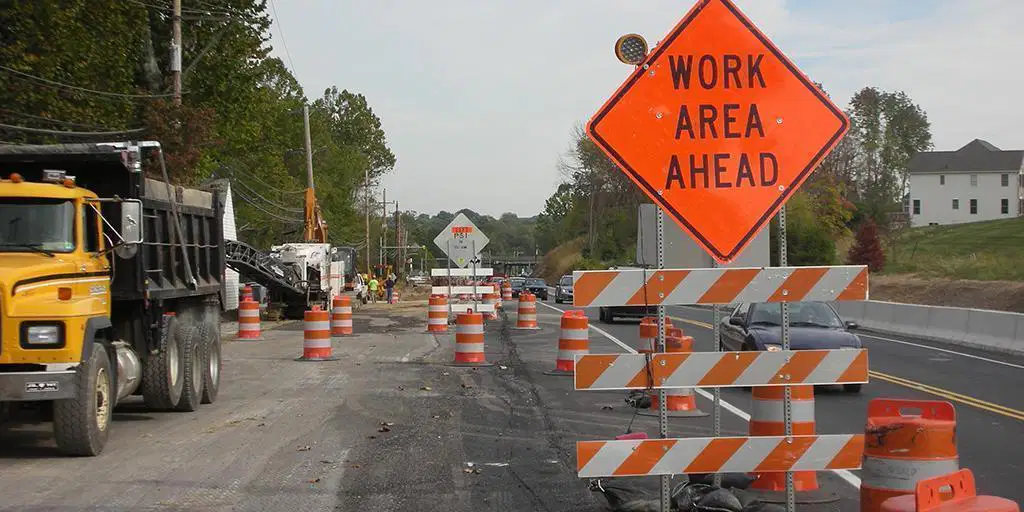
How can you reduce risk while driving through a construction zone?
Reduce your speed and drive closer to the traffic ahead
Reduce your speed, stay alert, and minimize distractions
Drive at normal speeds and look for orange signs
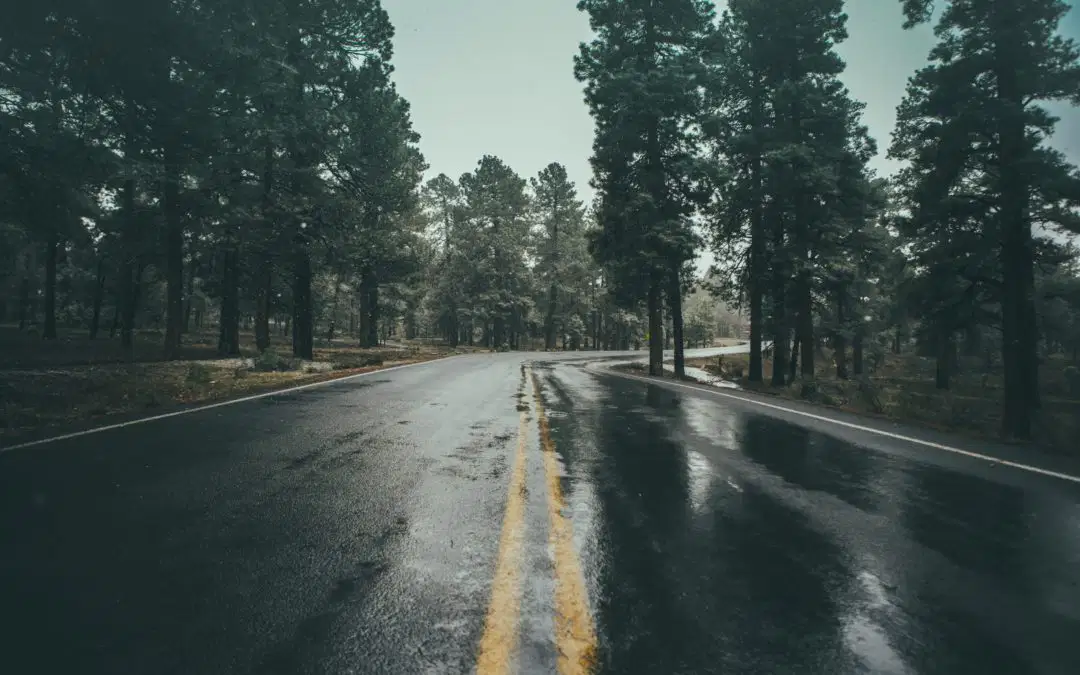
When encountering rough and slippery road conditions, a driver should:
accelerate
slow down
maintain speed
Your seat should be adjusted so:
Your toe can comfortably reach the floor under the brake pedal
Your elbows are just above your knees
Your feet can easily operate the controls without lifting the heel from the floor
When exiting a freeway:
Slow down approximately 100 yards before your exit
Maintain your speed until reaching the deceleration lane
Slow down approximately 300 yards before your exit
If you must stop suddenly and your vehicle is not equipped with ABS, you should:
press firmly, stopping just short of locking the wheels
press brake until wheels lock
pump the brakes rapidly

What documents are you required to show during a traffic stop?
License, registration, and insurance
You're not required to produce any documentation
The vehicle title, license, and insurance
When merging onto a freeway, your vehicle speed should be:
slightly faster than the freeway traffic
slightly slower than the freeway traffic
at or near the same speed as the freeway traffic

A flashing yellow turn arrow tells you oncoming through traffic has a:
flashing red light
solid red light
green light
After passing a vehicle, it is safe to return to your driving lane when:
You have signaled for three seconds your intention to return to your lane
You see the headlights of the vehicle you passed in your rearview mirror
The driver you just passed signals with their lights
From the time the eyes see a hazard to the time the brain knows it is a hazard is called:
braking time
reaction time
perception time
When is it legal to turn right on a red traffic signal?
If there is no sign prohibiting the turn, you've made a complete stop, and it is safe.
If you slow down and there are no pedestrians.
It is not legal.
Why is black ice so dangerous?
It is rarely found on bridges and overpasses.
It cannot be seen by the human eye.
It is only found in late summer.

What does a flashing red traffic signal mean?
Yield
Stop
Slow down
Which steering technique is correct when backing?
Steer in the opposite direction you want the back of the vehicle to go.
Steer in the same direction you want the back of the vehicle to go.
Steer to the right if you want the back of the vehicle to go left.
In a right turn, where will the rear wheels track in relation to the front wheels?
In the same track.
Closer to the curb.
Farther away from the curb.

Each time you drive, make a pre-driving check of:
all fluid levels
tires and lights
oil and transmission fluids
When parked at a curb the driver should use the Dutch Reach by using ____ to open the door.
their right hand
both hands
their left hand
You are stopped at a stop sign. Before making a right turn, you should look:
straight, left, and right
left, right, and left again
right, left, and right again
What method is the safest and easiest to make a turnabout?
A 3-point turnabout in the middle of an intersection.
Backing into a driveway or alley on the right.
Back into a driveway on the left.
You are stopped at a red traffic signal. You have checked the intersection to see that it is clear of vehicles and pedestrians. Unless a sign tells you not to, you may then:
turn right
go straight or turn right
go straight ahead
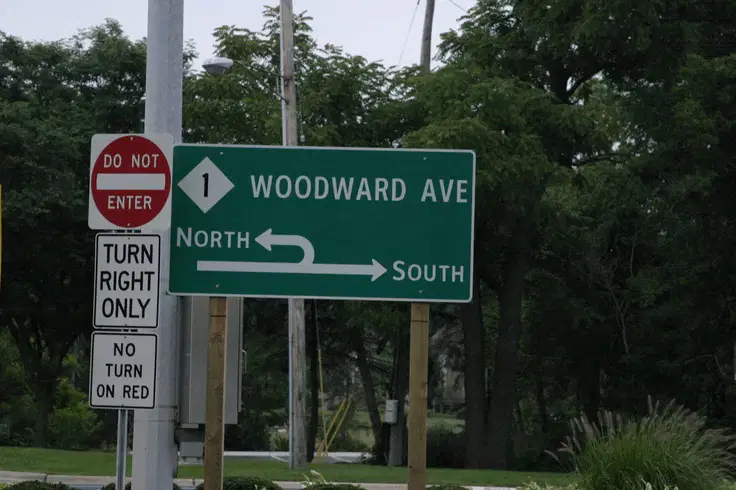
What is a benefit of intersections that utilize a Michigan Left?
They are safer and moves traffic more efficiently than traditional left turns.
There is no special benefit.
You are not required to yield to oncoming traffic.

When driving a vehicle with air bags, you are safest when seated:
within 6 inches of the steering wheel
with your head positioned directly above the steering wheel
at least 10 inches away from the steering wheel
If you are in the far-right lane on a freeway, and want to change lanes into the middle lane, be especially aware of:
exit ramps
vehicles in the far left lane wanting to change lanes also
vehicles in front of you
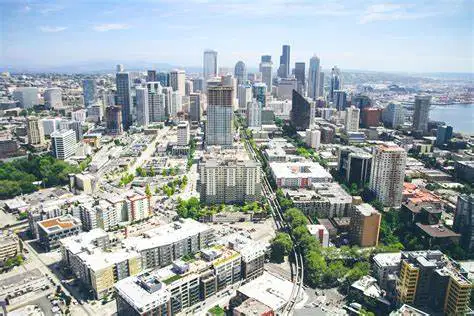
In urban areas, who are frequent road users besides passenger vehicles?
Pedestrians, farm equipment, and horses
Bicyclists, mopeds, and pedestrians
RVs, semi-trucks, and golf carts
To make small adjustments while parking, use;
a firm push on the accelerator
steady acceleration
idle acceleration
A curve in the road, slow moving objects, or large utility vehicle ahead may impact your:
peripheral vision
fringe vision
line of sight
In Michigan, carrying proof of automobile insurance is required by law to prove that the driver can be _______ damages caused by a crash.
financially responsible for
blamed for
accused of
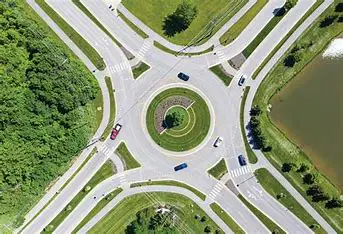
When should you enter a roundabout?
When there are no vehicles coming from the right
When there is an adequate gap in traffic
When there is only one vehicle coming from the left
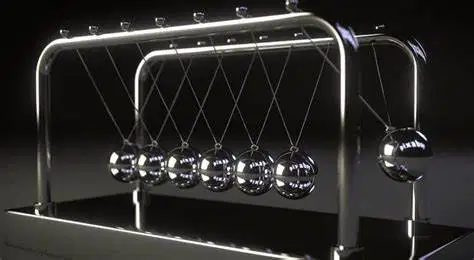
A body at rest tends to remain at rest is defined as:
kinetic energy
momentum
inertia
If you must leave the roadway at high speed with no open space to travel, choose to hit a small object with:
a direct impact
a glancing blow/sidewipe
your front end
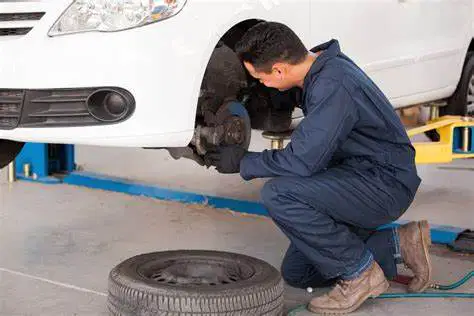
When you brake, the weight of your vehicle shifts to the:
left side of the vehicle
front of the vehicle
rear of the vehicle
When attempting to pass another vehicle, the legal maximum speed limit is:
the posted speed limit
20 mph over the posted speed limit
as fast as your vehicle can go
PDA stands for:
predict, decide, assess
perceive, decide, act
predict, describe, act

You're intending to go straight at the next intersection. Facing a green traffic light, a funeral procession is crossing from left to right. You:
have the right-of-way with a green traffic light
must yield to the entire procession before proceeding
may proceed when there is an adequate gap in the procession
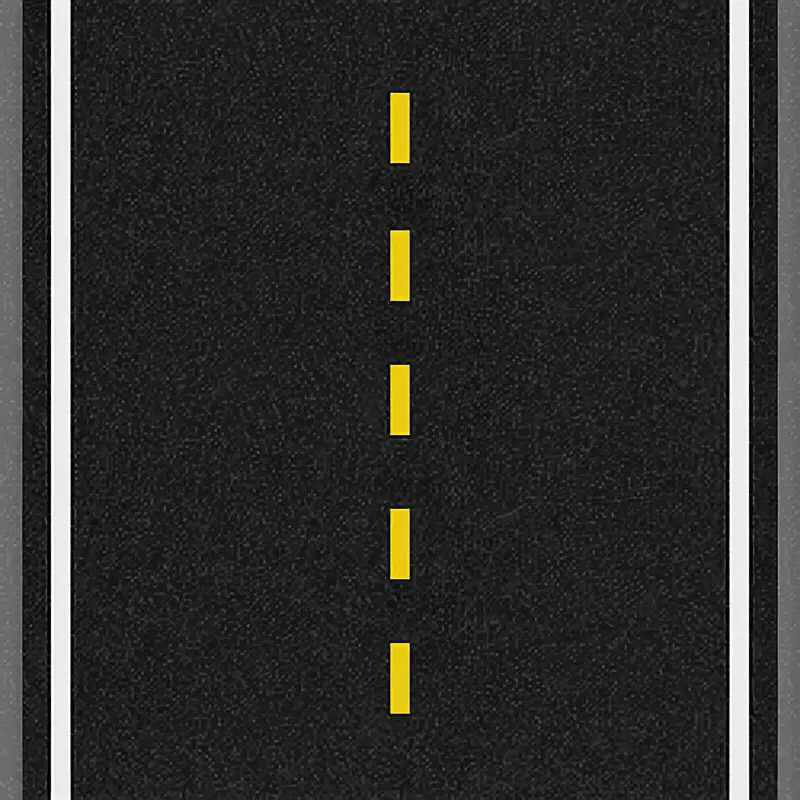
A broken yellow line means:
no passing allowed
you may pass on the right
passing allowed when it is safe
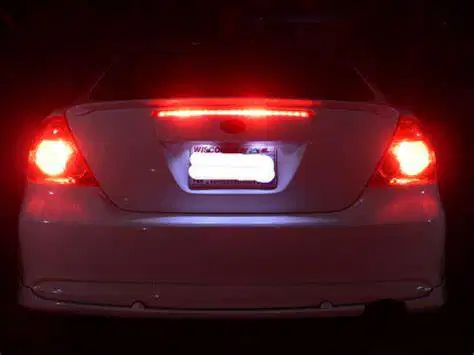
Why is it dangerous to drive with one brake light out?
If your brake lights are not working, your headlights are not working
It reduces your visibility to other drivers
As long as two are working, it's okay
You have arrived at a four-way stop intersection at the same time as the driver to your left. Who should be given the right of way?
The driver on your left should be given the right of way.
Whoever is signaling to make a turn should be given the right of way.
You should be given right of way.
The overwhelming majority of crashes are the result of:
vehicle technology failures
human error
engine failure

When traveling on a 2-way roadway and an emergency vehicle is approaching, you should:
move to the right edge of the road and stop
stop immediately
flash your headlights to alert the driver ahead

The purpose of a guide sign is to:
tell drivers of potentially hazardous conditions ahead
tell drivers how fast they should drive
provide information about routes and destinations
To control brake pressure, use your:
toes and ankle
alternate foot
thigh muscles
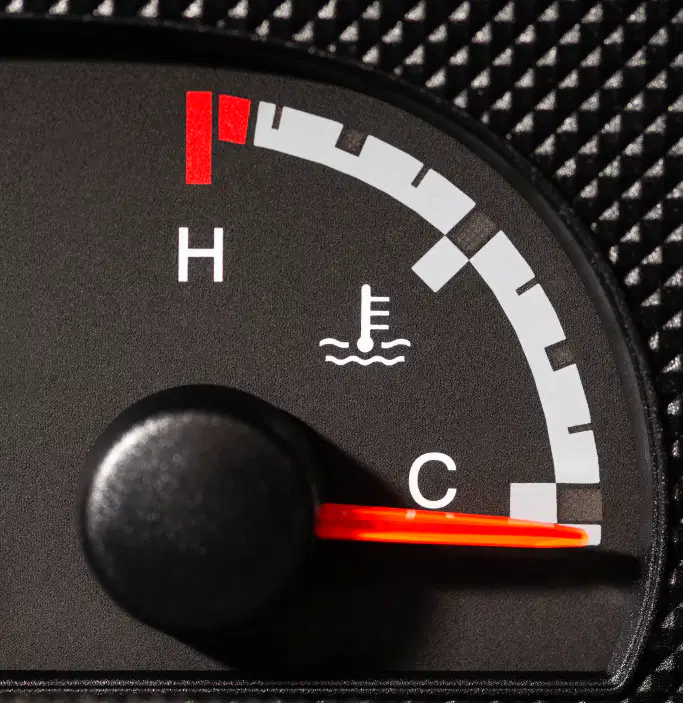
When the temperature light comes on as you are driving, it usually means that the:
water pump is not working properly
temperature inside the vehicle is too warm
temperature of engine is above a safe level
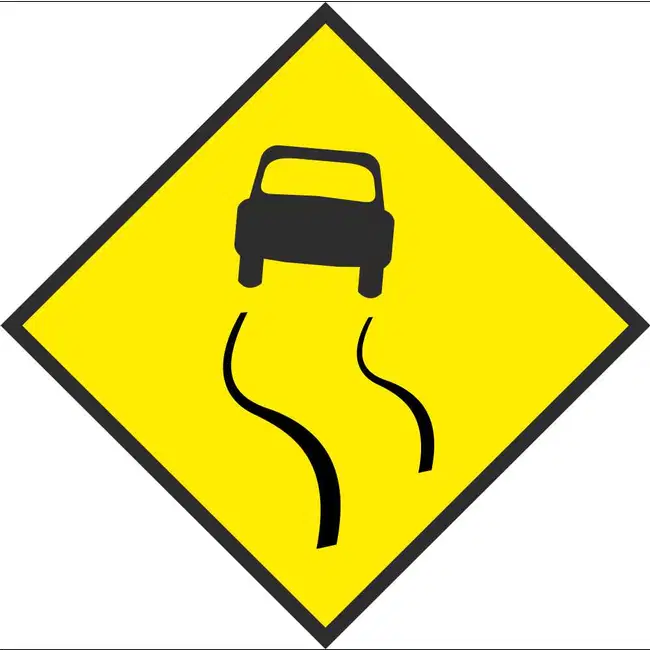
Warning signs warn drivers:
of a nearby park
that they must stop
of potentially hazardous conditions ahead
You are coming to an intersection (vehicle A). You see a tractor-trailer (vehicle B) coming to the intersection from the left and starting to turn right. What should you expect from the tractor-trailer?
It will not interfere with your path of travel
It will turn wide and use part of your lane to complete its turn
It will stop and let you pass
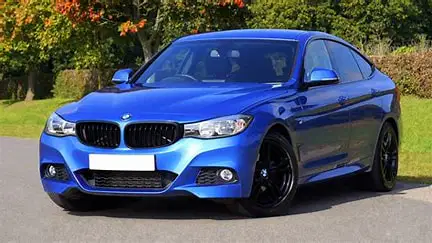
Which of the following is the most important part of your vehicle?
The muffler
The tires
The battery

While on a Level 1 License, what age must your licensed driving coach be?
21 or older
16 or older
18 or older
Before exiting your vehicle, ensure that children under __ exit the vehicle or are supervised by someone 13 or older.
2
6
4

A safe and prudent speed for driving in clear, dry conditions is:
under the speed limit
the posted speed limit
over the speed limit
You may turn right from a lane other than the far-right lane:
you must always turn from the far-right lane
when there is a sign or marking permitting the turn
when there is no other traffic on your right
After putting your vehicle in park, check to see that ____ to avoid problems when you return.
the seat is all the way back
the steering wheel is tilted up
accessories and lights are turned off
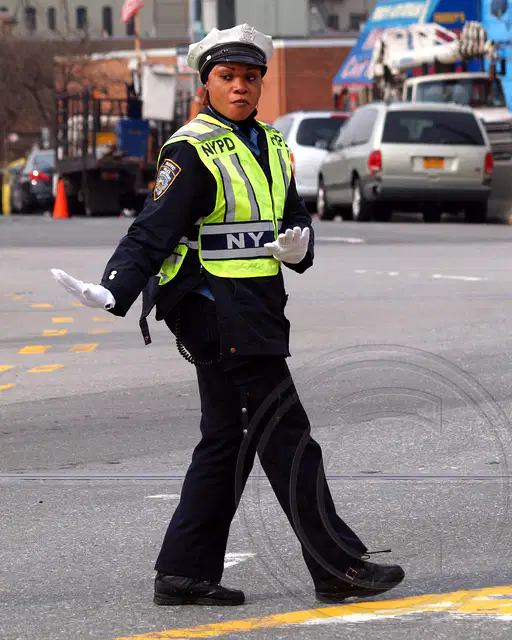
A traffic-control officer's signal:
must be the same as the signal at the intersection
is often a factor in collisions
is the only one to follow, regardless of traffic signals
The more ____ a moving object has, the harder it is to stop.
traction
momentum
adhesion
When you observe a hazard well ahead, you should:
move to the right
move to the left
check your mirrors
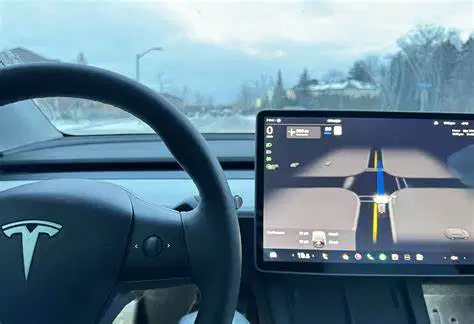
Regarding the current technology in vehicles, who is responsible for driving?
The driver
The vehicle
The vehicle's manufacturer
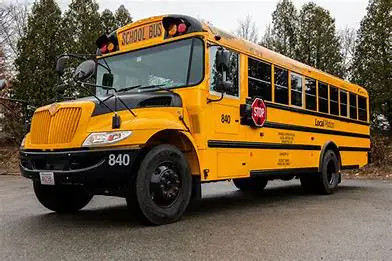
You are approaching a school bus with its yellow hazard warning lights flashing. You should:
pass the bus with caution
slow down and wait for the bus driver to signal
stop and wait until hazard lights are turned off
While turning right, turning the steering wheel too slowly will cause you to:
hit the curb
enter into the wrong lane
cross the stop line
It is night. A vehicle is coming toward you has its high beam headlights on which makes it hard to see the road ahead. You should look:
ahead toward the right edge of your lane
straight ahead in your lane
toward the left edge of your lane
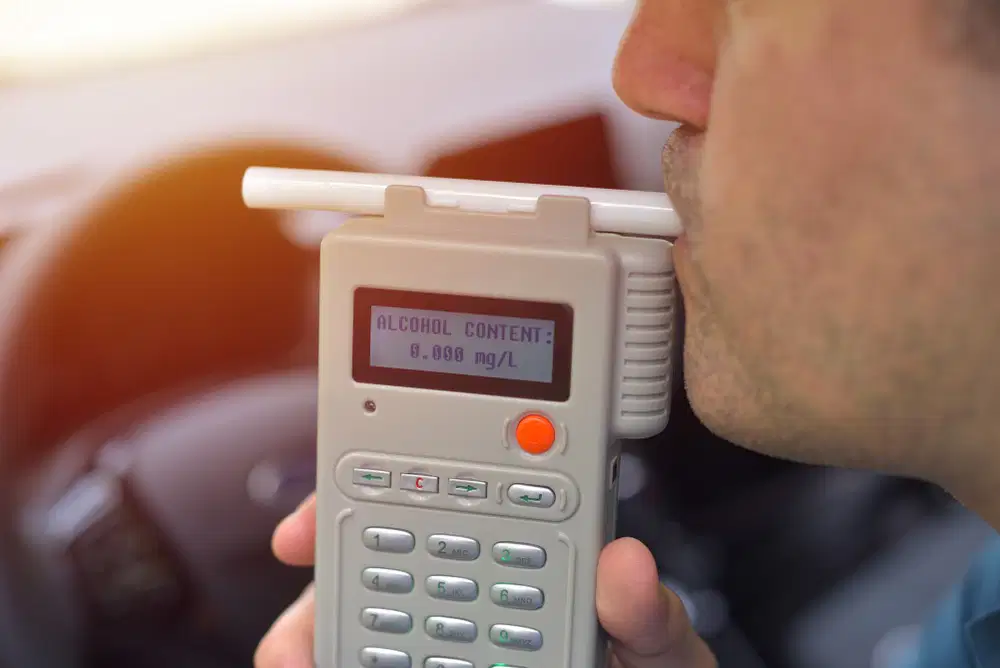
Implied consent laws are designed to:
penalize drivers for failing a preliminary breath test
penalize drivers for failing a blood alcohol concentration test
penalize drivers for refusal to take a breath or blood alcohol concentration test.
Lane departure warning systems work by reading the lane lines on the road with ____.
a laser
a sensor or camera
a tractional tool
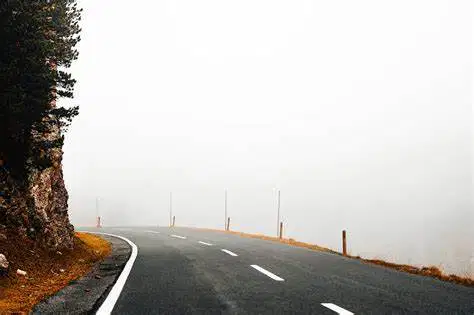
What is the largest cause of crashes while driving in fog?
Drivers driving too fast for the visibility ahead
Being unable to see the road signs
Being unable to see animals on the roadway
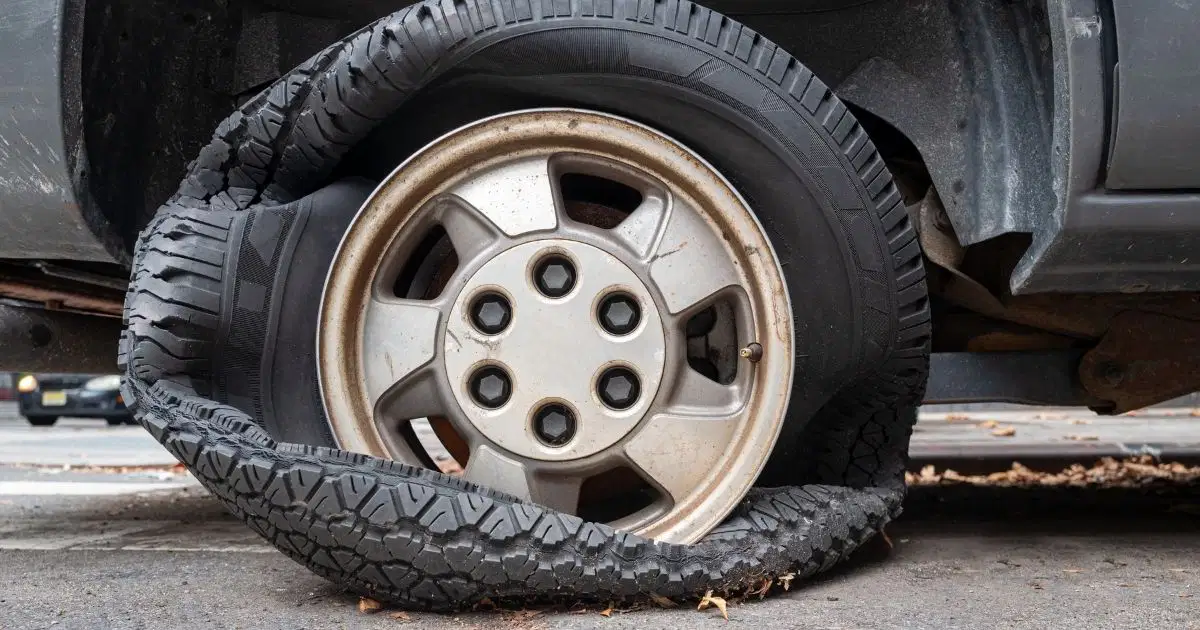
When you have a tire blowout, what should you do first?
Brake immediately
Grip the steering wheel firmly
Brake gently
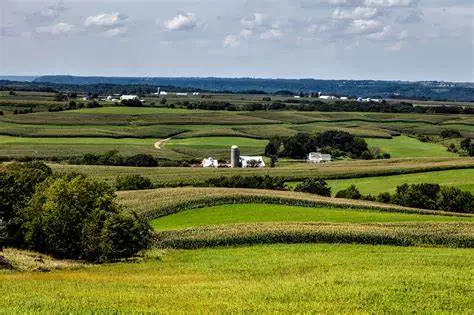
Unless otherwise posted, the speed limit in a rural area is:
75 MPH
55 MPH
45 MPH
What is the Zero Tolerance Law in Michigan?
This law doesn't apply in Michigan
You aren't allowed to get any points on your driving record
Zero alcohol while operating a motor vehicle
The pedestrian is in the middle of the street when your traffic signal changes to green. You should:
wait until the pedestrian crosses the street before proceeding
proceed if you have the right of way
proceed if the pedestrian is not in your lane

Why should you check your rearview mirror after a turn?
To ensure you chose an appropriate gap in traffic
To check traffic ahead
You don't need to
Deceleration can be done by braking or:
applying pressure to the dead pedal
releasing pressure from the accelerator
focusing on the roadway
Kelsey's Law bans ____ for Level 1 and 2 Intermediate licensed drivers.
the use of cell phones
listening to the radio
having one passenger

When you are following a motorcyclist, you should:
increase your following distance
lightly tap your horn so they may get out of your way
pass the motorcyclist the first chance you have
The sun is ahead of you, how should you position the sun visor while driving?
You shouldn't use it while driving
Down, angled toward the windshield
Down, angled toward your face
On a rural road, it is more difficult to recover from an error because:
speeds are higher and the roads are narrower
the roads are wider with more traffic
there are more traffic signals
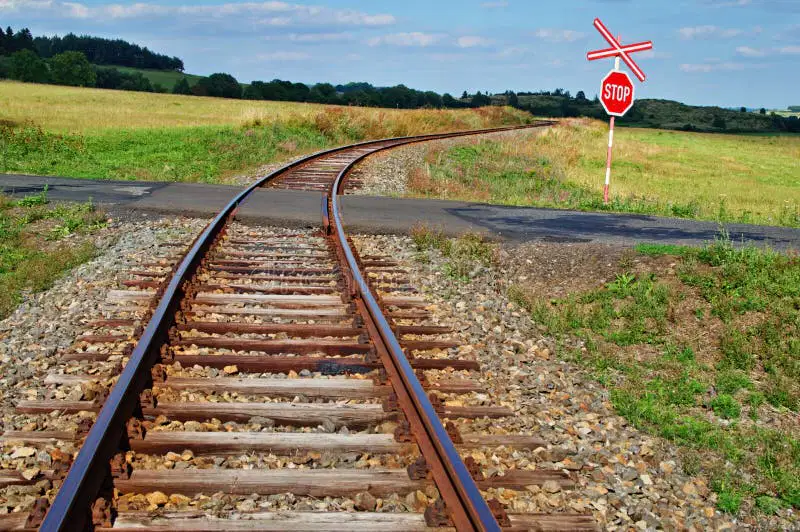
When approaching an unprotected railroad crossing without lights or barricades, you should:
speed up and steer right
maintain speed and search as you approach
reduce your speed, search, and listen
The best way to keep from getting involved in emergency driving situations is to:
keep your vehicle in good mechanical condition
continually search for hazards
use rearview and side mirrors
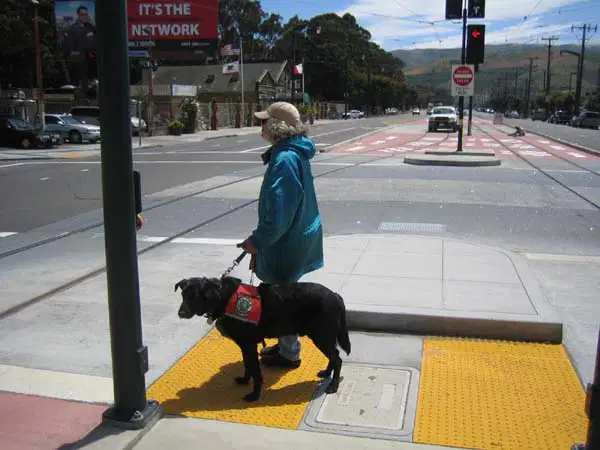
If you see a pedestrian with a guide dog or white cane waiting to cross at a corner, you should:
stop at the crosswalk and flash your lights
pull up to the crosswalk so the person can hear your engine
drive partially into the crosswalk so the person can hear your engine
When should you use your low-beam headlights?
At all times
Only during the daytime
Only during the nighttime

