
 Worksheets
Unit 5
Total questions: 80
Worksheet time: 1hrs 22mins
What is a multicellular organism?
an organism with one cell
an organism with many cells
an organism where organelles replace organs
Which is NOT a level of organization in multicellular organisms?
tissue
organ
cell
organelle
True or False: Tissues are made of several different types of cells
True
False
Which of the following is the correct order of the levels of organization from smallest to largest?
organ system, orgsn, tissue, cell
tissue, orgsn system, cell, organ
cell, tissue, organ, organ system
The liver is a dark red structure in the human body that releases bile and hormones. At what level of organization is the liver?
Cell
Tissue
Organ
Organ System
The most basic unit of organization in animals is the
Cell
Tissue
Organ
Organ System
Which sequence BEST describes the levels of organization from simplest to most complex?
Organism, Organ, Tissue, Cell
Cell, Tissue, Organ, Organ System
Cell, Organ, Tissue, Organ System
Organism, Cell, Organ System, Organ
The cells in a multicellular organism are specialized to perform a particular function. A group of related cells that work together make up _____.
An organism
An organ system
An organ
A tissue
Justin has learned that the brain, spinal cord, and peripheral nerves work together. What do they combine to form?
A cell
A tissue
An organ
An organ system

This type of cell sends messages throughout the body in the form of electrical impulse.
nerve cell
adipose cell
muscle cell
skin cell
The ___________ is the basic unit of life.
organ
cell
atom
tissue
DNA is replicated during ______ of the cell cycle.
Gap 1
Synthesis (S phase)
Gap 2
Gap 0
Normal cells grow and divide continuously.
During most of interphase, DNA is found in a relaxed form called
chromosome
centromere
centriole
chromatin
During mitosis, DNA is found in the condensed form called a
chromosome
centromere
centriole
chromatin
In prophase of mitosis, chromosomes
form and the nuclear envelope disappears.
are pulled toward opposite ends of the cell.
chromosomes line up along the equator of the cell
chromosomes begin to decondense and the two new nuclei begin to form.
In metaphase of mitosis, chromosomes
form and the nuclear envelope disappears.
are pulled toward opposite ends of the cell.
chromosomes line up along the equator of the cell
chromosomes begin to decondense and the two new nuclei begin to form.
In anaphase of mitosis, chromosomes
form and the nuclear envelope disappears.
are pulled toward opposite ends of the cell.
chromosomes line up along the equator of the cell
chromosomes begin to decondense and the two new nuclei begin to form.
In telophase of mitosis, chromosomes
form and the nuclear envelope disappears.
are pulled toward opposite ends of the cell.
chromosomes line up along the equator of the cell
chromosomes begin to decondense and the two new nuclei begin to form.
After mitosis, the cytoplasm and organelles are divided between the two new forming cells in a process called
centriole
chromatin
cytokinesis
centromere
This process is the programmed death of a cell
stem cell
regulation
apoptosis
cytocide
When cells go through mitosis repeatedly without entering interphase, this results
arthritis
cancer
mutation
diabetes

During which phase of the cell cycle does the cell spend the most time?
Mitosis
Cytokinesis
Interphase
Match the image to the correct answer

Prophase

Metaphase

Anaphase

Telophase

Cytokinesis
Label the parts of the Cell Cycle
G1
S phase
G2
Mitosis
Mitosis is the division of the (a)
Click where DNA replication takes place
Cytokinesis is the division of the (a)
Match each phase with its correct description
Cell grows rapidly while carrying out normal functions.
G1 Phase
Cells must replicate their DNA before cell division to ensure that identical genetic information is passed to the next generation.
S Phase
FINISHES GROWING
Errors in DNA replication are checked- if something is wrong, cell needs to fix its errors before it divides!
G2 Phase
What are the THREE MAIN events in cell division
INTERPHASE
CYTOKINESIS
PHOTOSYNTHESIS
MITOSIS
Put the Cell Cycle phases in order

Prophase

Metaphase

Anaphase

Telophase

Cytokinesis
What happens during G1 phase
Cell grows rapidly
DNA replication
Checks for errors in DNA
Cell divides
What happens during G2 phase
Cell grows rapidly
DNA replication
Checks for errors in DNA
Cell divides
The first phase of Mitosis is called ________
Prophase
Anaphase
Interphase
Telophase
Which is NOT a phase of the cell cycle
Interphase
Monophase
Anaphase
Telophase
Put the Cell Cycle events in order
Cell grows
DNA replicates
Cell prepares for Mitosis
Cell divides
In which stage of the cell cycle is protein and organelle synthesis
G1
S phase
G2
Cytokinesis
What is the result of the cell cycle?
Three cells
Four daughter cells
2 identical cells
1 clone cell
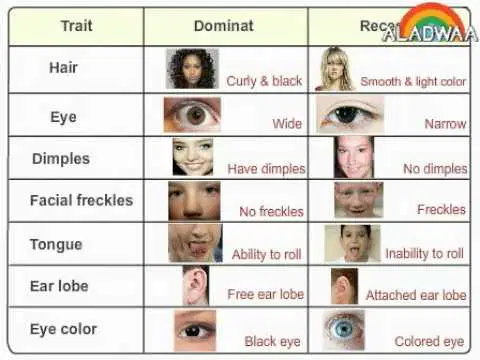
How are traits passed from parent to offspring?
genes
jeans
gifting
necleotides
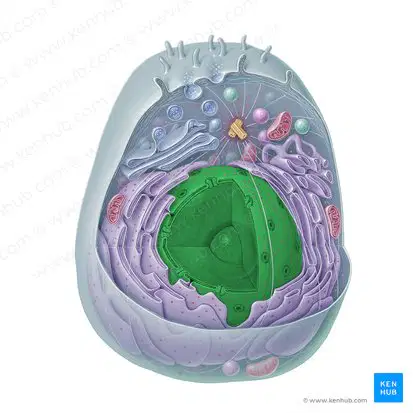
Where can you find DNA in a cell?
ribosomes
nucleus
cytoplasm
cell wall
DNA has (a) types of bases.
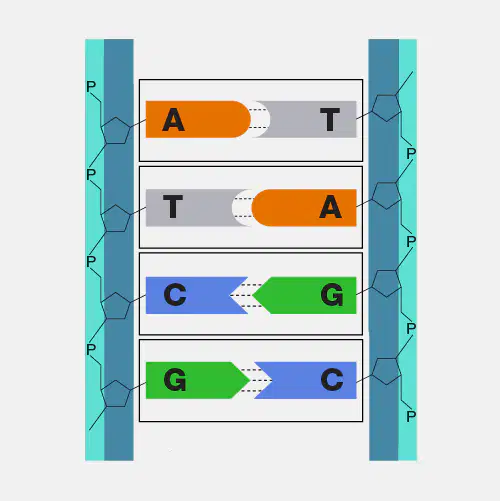
What base goes with Thymine?
cytosine
guanine
thymine
adenine
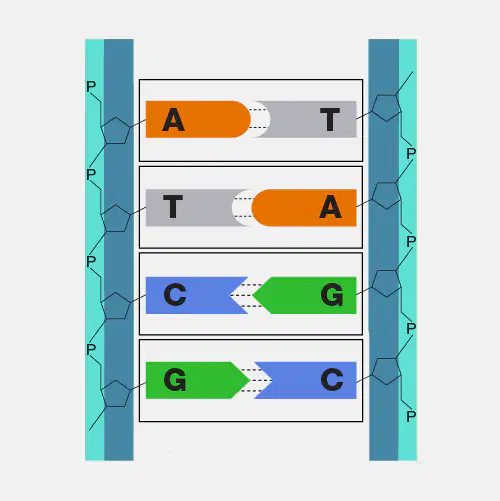
What base goes with cytosine?
guanine
thymine
adenine
cytosine
What would go with this base combination ATC
(a)
What goes with this Base Combination ACC
(a)
Two bases that are complementary are called a
phosphate
Sugar
Nucleotide
Base Pair
What makes up the building blocks of the DNA Ladder
Acids
Nitrogenous Bases
Sugars
Phosphates
A section of DNA that codes for a type of trait is called a
(a)

Eye color, hair color, having freckles, etc. are examples of:
DNA
Chromosomes
Genes
Traits

The part of the cell that contains chromosomes and genes is the:
Mitochondria
Nucleus
Chloroplast
Ribosomes

1
2
3
4

1
2
3
4

The picture shows 46 chromosomes taken from a human:
Male, because there are two X chromosomes
Male because there is an X and a Y
Female because there are two X chromosomes
Female because there is an X and a Y

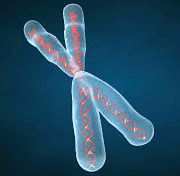
The number of human chromosomes is
23
46
92
64
Alleles are the different forms of a gene that is expressed as
a letter
two capital letters
two lower case letters
a phenotype

Humans have 22 chromosomes in all. They inherit 11 from one parent and 11 from the other.
true
false

This model can be used as evidence to support which claim?
Proteins are found inside of chromosomes and chromosomes make up proteins.
DNA makes up the majority of a cell and contributes to the functions of chromosomes.
Chromosomes are found in the nucleus of all cells and they contain long strands of DNA and proteins.
Genes are found within bands of DNA. Which sentence best describes the function of a gene.
Genes create more DNA for the organism to use later.
Genes create instructions that tell cells which proteins to make.
Genes create chromosomes for organisms to pass down to their offspring.

This model best shows...
A DNA sequence with a possible mutated gene.
A DNA sequence with more than one chromosome.
A DNA sequence with normal genes.
Select all of the examples of traits:
Hair color
Being tall or short
Chromosomes
Having a good report card.
Having 6 fingers.

