
 Worksheets
Changes around Us revision
Total questions: 139
Worksheet time: 2hrs 52mins

What is a change?
A change refers to a difference in shape, size, colour or any other property of a object.
A change occurs everyday and everywhere around us.
All of the above.
What are the 4 types of Changes?
Physical, Chemical.
Physical, Chemical, Reversible.
Physical, Chemical, Irreversible, Reversible.
What do you think Reversible change is?
It is a Temporary change
It is a Lasting change.
What do you think Irreversible change is?
Non - permanent change.
Permanent change

Can you mention few examples on Irreversible change?
Can you mention few examples on Reversible change?

Who discovered the changes?
Katrina Kaff
Antoine Lavoisier
Katliya John
None of these

Brain Teaser-
Which type of change is Tsunami?
Irreversible change.
Physical change.
Undesirable change.
Desirable change.
All of the above.
Which type of change is Growing of plant?
Irreversible change.
Physical change.
Chemical change.

What is Contraction?
(Please read and understand the picture given at the top, for explanation).

What is Expansion?
(Please read and understand the picture given at the top, for explanation).
Activity -
Choose the following image which shows Physical change.


Activity -
Choose the image which shows Chemical change.


TRUE/FALSE :
Are all physical changes reversible?
True
False
Activity -
Choose the image which shows Reversible change.


If the removal of the cause of change leads to regain the original situation, then the change is known as (a) .
The changes which are controlled by man are called ………….. .
(a)

Thinking Skills :
Which of the following changes cannot be reversed?
Milk to paneer.
Cold milk to hot milk.
Yam to knitted sweater.
Wet clothes to dry clothes.

If you liked our quiz, we would like to hear a feedback from you!!
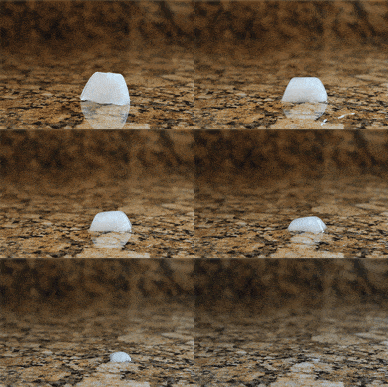
The ice cube melted.
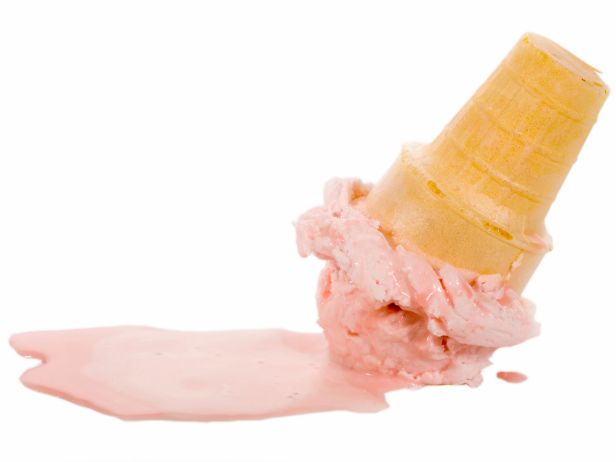

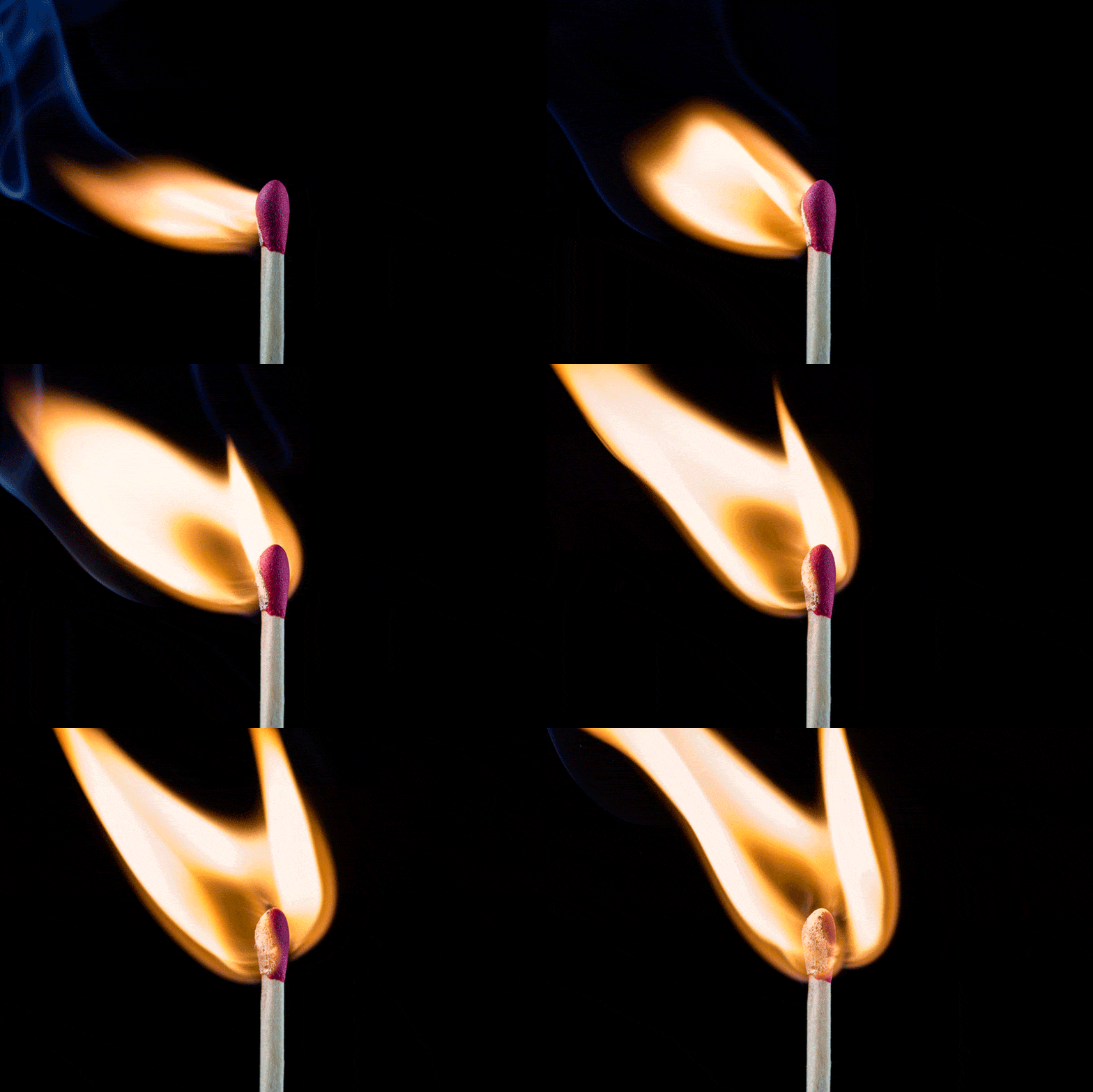
Identify the type of change shown here-
PHYSICAL CHANGE
NO CHANGE
REVERSIBLE CHANGE
IRREVERSIBLE CHANGE
PHYSICAL CHANGE
IRRIVERSIBLE CHANGE
NO CHANGE
CHEMICAL CHANGE
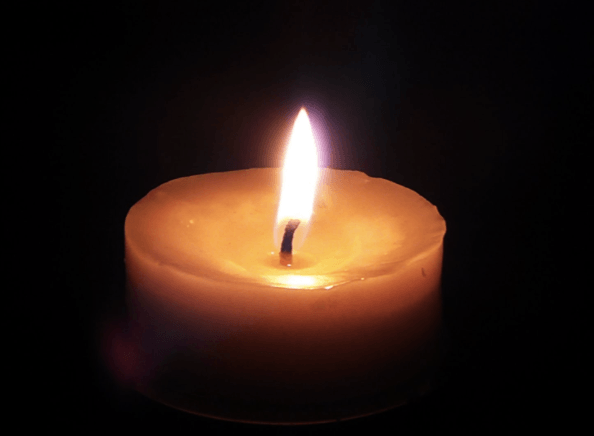
Is a burning candle a physical or chemical change?
Physical
Chemical
BOTH
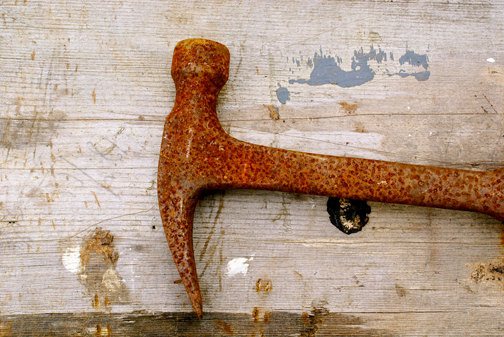
Kajal left her hammer outside. When she found it a few months later, some parts of the metal were covered with flaky, brown rust. Which type of change occurred when rust formed on the hammer?
chemical
electrical
thermal
physical
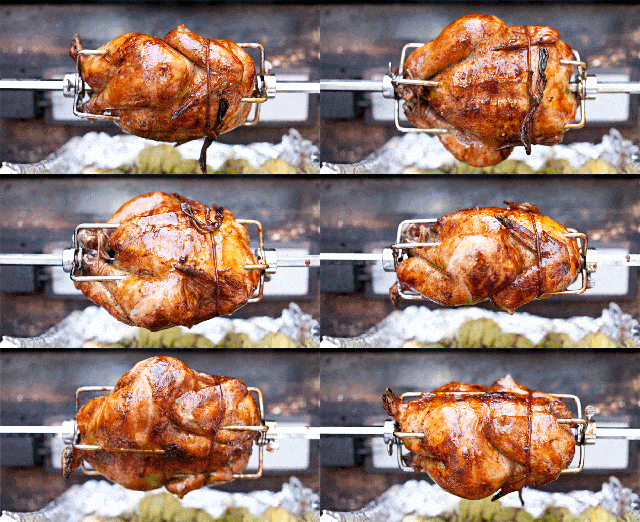
Grilling of food is a ________ type of change
PHYSICAL CHANGE
CHEMICAL CHANGE
REVERSIBLE CHANGE
NO CHANGE
An irreversible change is one in which---------
The original substances can be obtained
The original substances can sometimes be obtained
The original substance cannot be obtained
No new substance is formed
Setting of curd from milk is __________________ change
slow, chemical and irreversible
fast, physical and reversible
slow, physical and reversible
slow, physical and reversible
A teacher wants to show clear difference between physical and chemical changes, which one of the following will be suitable for the same
boiling of milk and freezing it
setting curd and making paneer
melting ice and freezing it
Folding of paper is a ____________ change while burning it is a _____________ change.
physical, physical
fast, physical
physical, chemical
Spreading of Viral infections like COVID-19, is a ______________ change
fast
slow
physical
moderate
A seed grows to form a seedling and further a plant, this is a ________________ change
Fast
Slow
Temporary
Reversible
When cooked food is left outside at room temperature, it gets spoilt. This is an example of __________ change.
Reversible
Physical only
Chemical only
Irreversible
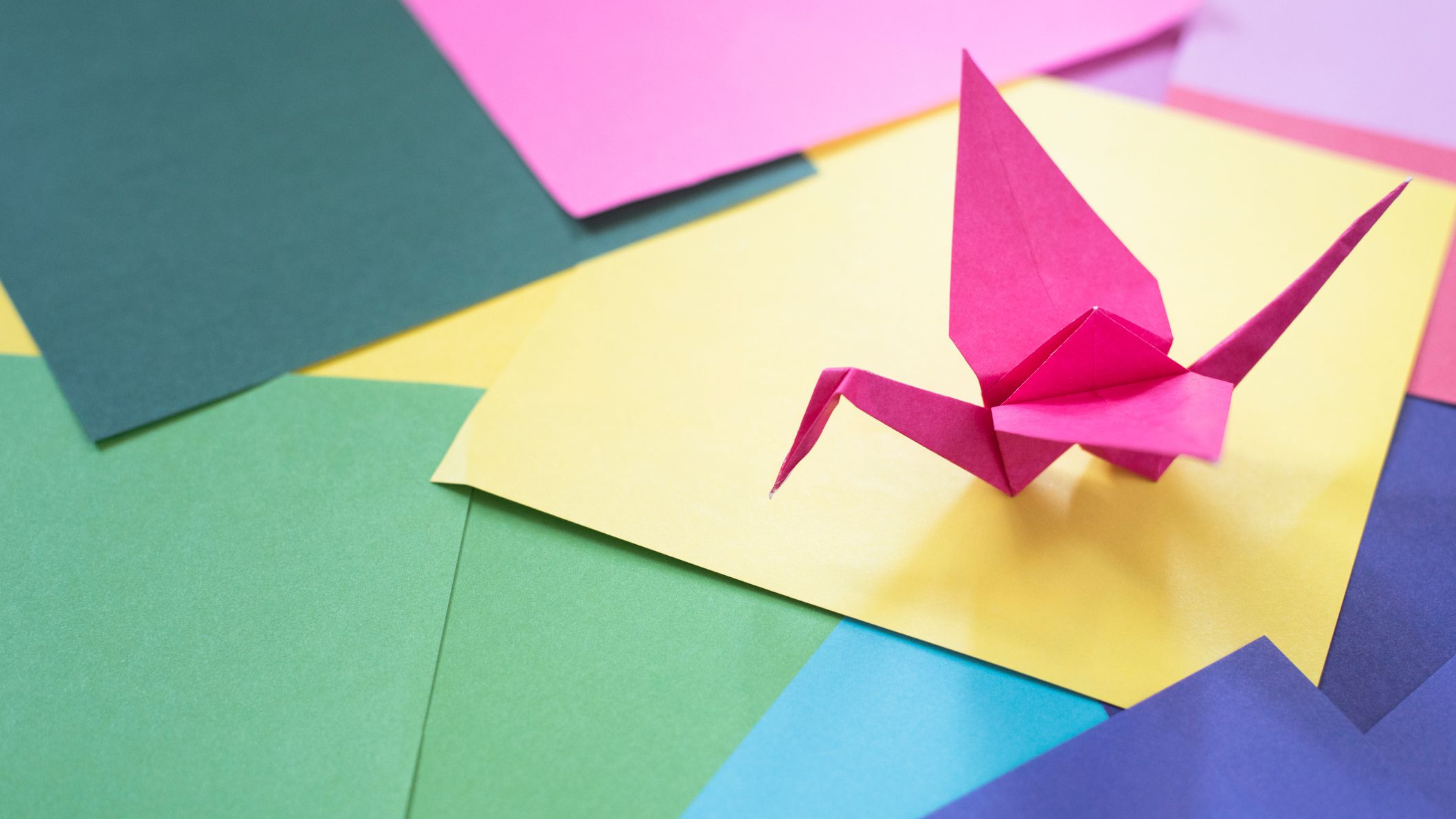
A child was learning origami by folding paper, this involves __________ change
Chemical
Irreversible
Physical
No change
Mrs. Aggarwal accidentally mixed oil in water while working in kitchen. Which method can be used to separate oil and water.
Distillation
Centrifugation
Evaporation
Separating funnel
While making salt from sea water, _________ process is used. It involves _______ change.
condensation, slow
distillation, fast
evaporation, reversible
crystallisation, irreversible
In any reversible change
final substance cannot be brought back to its original form
final substance can be brought back to its original form
new substance is formed
Pick the reversible change
Crushing paper
Tearing a piece of cloth
burning paper
Pick the irreversible change
Bursting balloons
Melting ice
Folding clothes
Which one is true about physical changes?
new substance is formed
there is change in chemical composition
no new substance is formed
Pick the physical change
burning paper
bursting balloons
frying potatoes
Which of the following is true about chemical changes?
No new substance is formed
New substance is formed
All chemical changes are reversible
Which of them is not a chemical change?
Baking cake
Rusting of iron
Cutting vegetables
All changes takes place due to some______
Cause
Choice
During condensation and evaporation of water, the ________ of water changes.
Appearance
State
Movement
The_______ balloon changes when we blow the air.
Color
Shape
A chemical change is_______
Permanent
Temporary
None of the avove
Both of these
Melting of ice is an example of_______
Chemical change
Physical change
Rusting of iron is an ________ change.
Physical change
Chemical change
Desirable change
Reversible change
Rolling of chapathi and baking oh chapathi are the changes that,
Can be reversed
Cannot be reversed
Can be reversed and cannot be reversed
Cannot be reversed and can be reversed
Increase in the volume of substances on heating,the substance will show the change in,
Extension
Expansion
Exclusion
Changes that lead to the formation of new substances are called_________.
Physical change
Chemical change
Which of the following changes cannot be reversed?
Milk to paneer
Cold milk to hot milk
Yarn to knitted sweater
Wet clothes to dry clothes
Which of the following can be reversed?
Raw egg to boiled egg
Wet clothes to dry clothes
Bud of a flower
Cow dung to bio-gas
The process where the liquid changing into solid is called
Evaporation
Condensation
Heating
Boiling
A change which is permanent in nature....
Irreversible
Reversible
A bag of cement lying in the open gets wet due to rain during night time. The next day sun shines brightly. Do you think the changes that have occured in the cement can be reversed?
Yes
No
A change temporary in nature is,
Reversible
Irreversible
Give an example of physical change
kicking a football
burning a paper
growth of animals and plants
cooking
What is a reversible change?
a change that cannot be reversed
a change that can be reversed
I don't know
a change where a new substance is formed
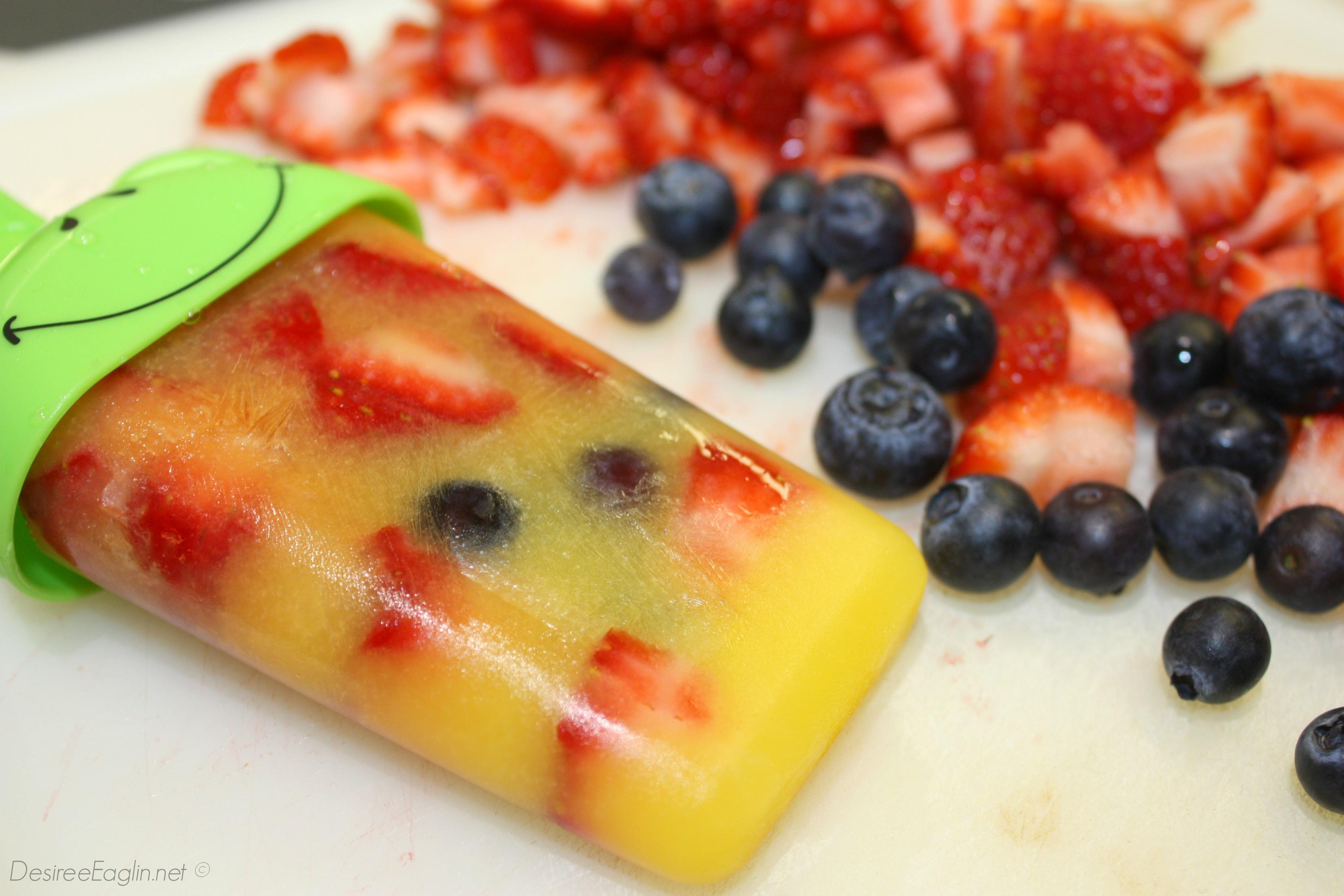
Melting of a popsicle is a reversible change
true
false
The ice cube melted.
The picture shows an example of a ______________ change.
reversible
freezing
irreversible
all of the above
One cup of water is left outside for two days when it was checked there was only half a cup left. What happened?
sublimation
condensation
evaporation
distillation
Freezing juice is an example of a(n) ________
irreversible change
reversible change
Reversible Change
Irreversible Change
Both options are correct
None of the above
A teacher wants to show clear difference between reversible and irreversible changes, which one of the following will be suitable for the same
boiling of milk and freezing it
Boiling milk and making paneer
melting ice and freezing it
Folding of paper is a ____________ change while burning it is a _____________ change.
reversible , reversible
reversible, irreversible
irreversible, reversible
Which one of the following is a beneficial change?
rusting of iron object
spoilage of food
ripening of fruit
souring of milk
The iron blade of a soil digging tool is fixed to a wooden handle by the process of ______________.
melting
contraction
expansion
freezing
All changes takes place due to some______
Cause
Choice
During condensation and evaporation of water, the ________ of water changes.
Appearance
State
Movement
The_______ balloon changes when we blow the air.
Color
Shape
Rolling of chapathi and baking oh chapathi are the changes that,
Can be reversed
Cannot be reversed
Can be reversed and cannot be reversed
Cannot be reversed and can be reversed
Increase in the volume of substances on heating,the substance will show the change in,
Extension
Expansion
Exclusion
Changes that lead to the formation of new substances are called_________.
Physical change
Chemical change
Which of the following changes cannot be reversed?
Milk to paneer
Cold milk to hot milk
Yarn to knitted sweater
Wet clothes to dry clothes
Which of the following can be reversed?
Raw egg to boiled egg
Wet clothes to dry clothes
Bud of a flower
Cow dung to bio-gas
The process where the liquid changing into solid is called
Evaporation
Condensation
Heating
Boiling
The burning of wood
Can be reversed
Cannot be reversed
Can be expanded
Can be melted
Pick the change that can be reversed from the following
Cutting of trees
Melting of butter
Burning of candle
Blooming of flower
What is a reversible change?
a change that cannot be reversed
a change that can be reversed
I don't know
a change where a new substance is formed
The picture shows an example of a ______________ change.
reversible
freezing
irreversible
all of the above
One cup of water is left outside for two days when it was checked there was only half a cup left. What happened?
sublimation
condensation
evaporation
distillation
Folding of paper is a ____________ change while burning it is a _____________ change.
reversible , reversible
reversible, irreversible
irreversible, reversible
The iron blade of a soil digging tool is fixed to a wooden handle by the process of ______________.
melting
contraction
expansion
freezing
Which one of the following is a beneficial change?
rusting of iron object
spoilage of food
ripening of fruit
souring of milk
Which one of the following is a reversible change
Tearing of paper
Blowing air in a balloon
Breaking of stick
Baked chapati
Classify the following as reversible or irreversible changes:
(i) Growth of a plant
(ii) Ploughing a field,
(ii) Melting of wax
(iv) Falling of rain
(v) Pulling of rubber string
(vi) Breaking of a glass rod
(mi) Cooking of food.
Reversible : (ii), (iii), (v)
Irreversible changes : (i), (iv), (vi), (ii)
Reversible : (iii), (ii), (iv)
Irreversible changes : (i), (v), (vi), (vii).
On continuously heating water into a pan -
The quantity of water in the pan decreases
The quantity of water in the pan increases
The quantity of water in the pan remains constant
Can’t say anything in this case
Which among the following is a physical change?
cutting a log
burning a wood
ripening of fruit
cooking of food
Which of the following statements is true?
Setting of milk to form curd is a chemical change and reversible change.
Spoiling of food is a chemical and irreversible change.
Burning of paper is a physical and reversible change.
Boiling of an egg is a physical and reversible change.

Study the venn diagram. What does centre point X represents?
making paper boat
Burning crackers
Blowing a balloon
rusting of a bicycle

Which change represents point 1?
Evaporation of water
chopping of vegetables
Burning of wood
setting of milk

Which change represents point 2?
bursting of balloon
condensation of water
tearing a paper
setting of Plaster of Paris

Which change represents point 3?
tearing of paper
burning of LPG gas
bursting of cracker
melting of wax.
Paheli’s mother made a concentrated sugar syrup by dissolving sugar in hot water. On cooling, crystals of sugar got separated. This indicates a –
a physical change that can be reversed.
the chemical change that can be reversed.
a physical change that cannot be reversed.
the chemical change that cannot be reversed.
Which of the following statement is incorrect for a chemical reaction?
Heat may be given out but never absorbed.
The sound may be produced.
A colour change may take place.
A gas may be evolved.
Iron pillar near the Qutub Minar in Delhi is famous for the following facts. Which of these facts is responsible for its long stability?
It is more than 7 metres high.
It weighs about 6000 kg.
It was built more than 1600 years ago.
It has not rusted after such a long period.
Two drops of dilute sulphuric acid were added to 1 g of copper sulphate powder and a then a small amount of hot water was added to dissolve it (step I). On cooling, beautiful blue coloured crystals got separated (step II). Step I and Step II are:
physical and chemical changes, respectively.
chemical and physical changes, respectively.
both physical change.
both chemical change.
Which of the following is an irreversible change?
Combing hair
Crushing a can
Burning paper
Dissolving salt in water
Which of the following is reversible change?
Bending a wire
Making tea
Rusting of iron
Sprouting a seed
Which of the following is a chemical change?
Harvesting cotton fibres
powdering jeera seeds
Making cheese from milk.
Cutting an apple
Which of the following is an application of expansion due to heat.
Rotating of a fan
Rusting of iron
Working of a television
Working of a mercury thermometer
Which of the following contracts the least.
Solida
Liquids
Gases
All contract equally.
From which of the following containers do you think maximum evaporation will take place?


In all reversible changes, the internal structure of the substances remains the (a)
The gas or vapour of a substance can be changed back to liquid by (a)
In chemical changes, original substances (a) be obtained easily.
When a material is heated, the space between its particles (a)
The amount of energy required in a physical change is usually (a)
UNJUMBLE : OPRDCUST
(a)
UNJUMBLE : SERACTANT
(a)
UNJUMBLE : ACTAYLST
(a)
UNJUMBLE : TCONRACTION
(a)

