wayground logo

Free Printable Worksheets

Font size

S
M
L
XL
Worksheets

Ms. Jones Benchmark #3 Review

Total questions: 98

Worksheet time: 2hrs 43mins

Name
Class
Date
1.

Biomes are mainly determined by _____ and ____.

a)

temperature

b)

weather

c)

precipitation

d)

soil

e)

rocks

2.

What are some characteristics of deserts?

a)

lots of trees

b)

high average rainfall

c)

low average rainfall

d)

extreme temperature variations

e)

grasslands

3.

What are some characteristics of rainforests?

a)

lots of trees

b)

high year round temperature

c)

high amount of rainfall

d)

grasslands

e)

low year round temperature

4.

What are some characteristics of tundra?

a)

permafrost

b)

very cold, low average temperatures

c)

lots of trees

d)

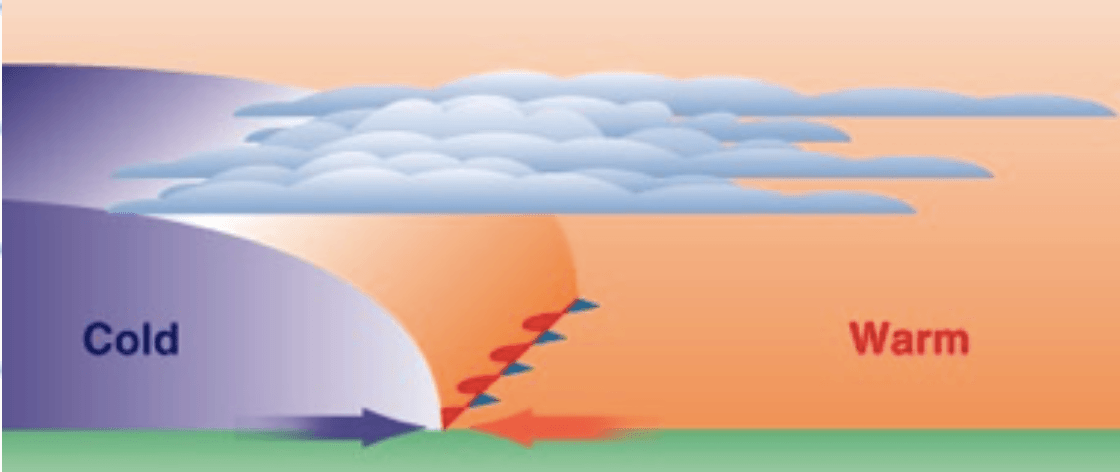
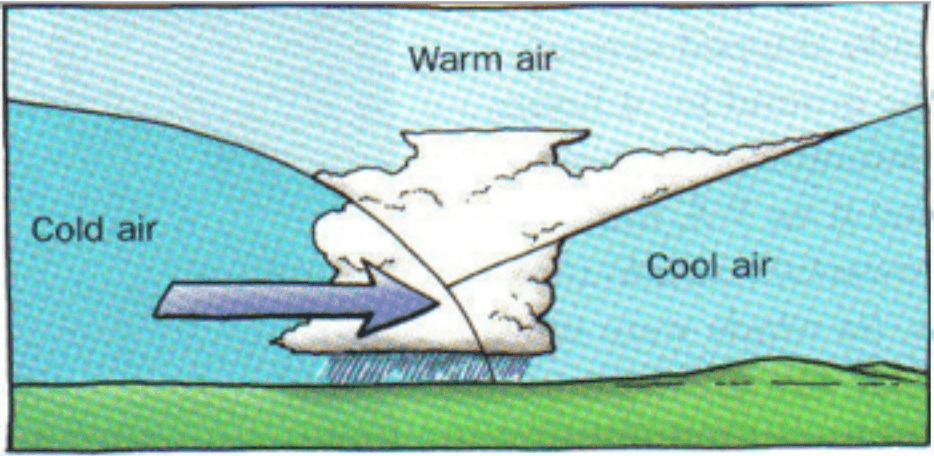
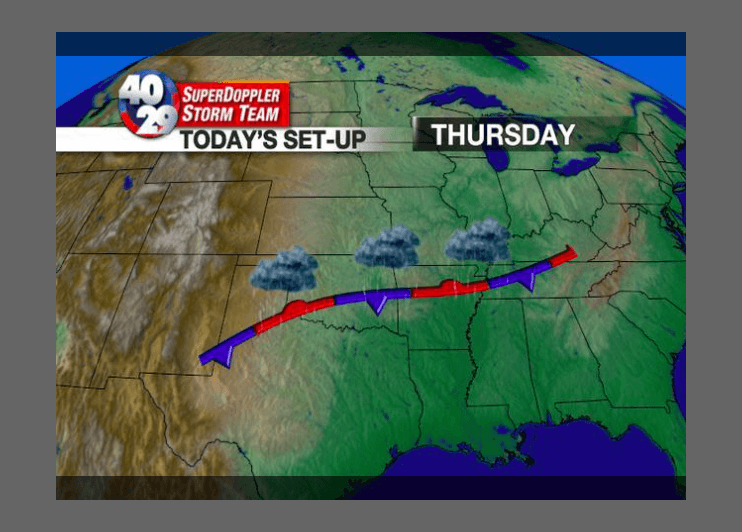
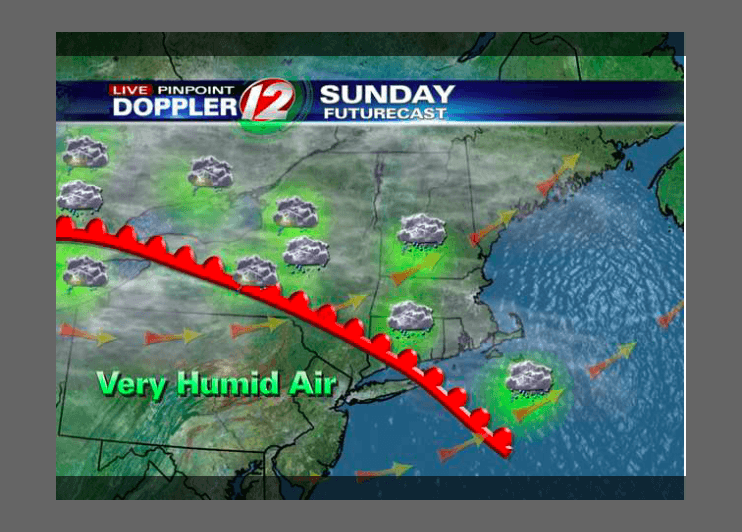
small amount of plants

e)

high amount of rainfall

5.

What are some characteristics of a taiga/boreal forest?

a)

coniferous trees

b)

very cold

c)

very hot

6.

What are some characteristics of a temperate deciduous forest?

a)

leaves change color in the fall

b)

lots of trees

c)

hot year round

d)

low amount of rainfall

7.

What are some characteristics of a tropical grassland/savanna?

a)

warm temperatures

b)

seasonal rainfall

c)

lots of trees

d)

grassland

e)

low average temperature

8.

The weather in a tundra is...

a)

wet

b)

cold/dry

c)

humid

d)

hot/dry

9.

About (a)   % of all species come from the rainforest.

10.

Which of the following is an example of a desert biome plant?

a)

cactus

b)

sunflower

c)

pine tree

d)

fig tree

11.
Which biome has coniferous trees (which don't lose their leaves)?
a)
Taiga
b)
Temperate Forest
c)
Tundra
d)
Grasslands
12.
Which biome has deciduous trees (which lose their leaves)?
a)
Temperate Forest
b)
Rainforest
c)
Grasslands
d)
Taiga
13.
Which biome is the driest?
a)
Desert
b)
Tundra
c)
Taiga
d)
Rainforest
14.
Which biome has the most variety of plants and animals?
a)
Temperate Forest
b)
Rainforest
c)
Tundra
d)
Grasslands
15.
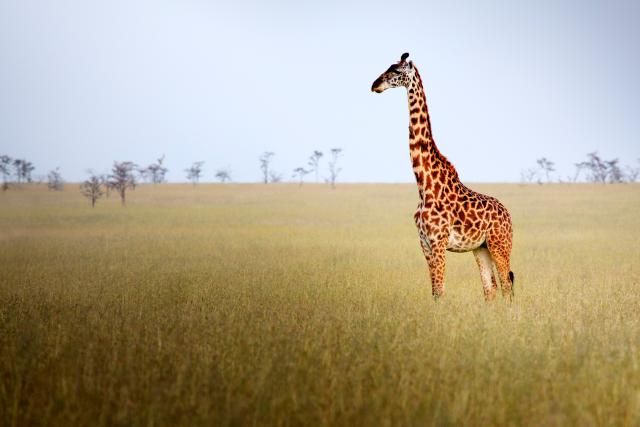
Which biome is home to lions, zebras, wildebeests, giraffes, and elephants?
a)
Grasslands
b)
Tundra
c)
Rainforest
d)
Temperate Forest
16.
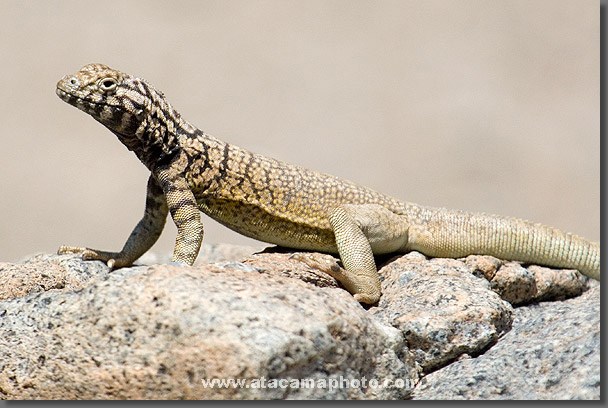
Which biome is home to cacti, scorpions, coyotes, kangaroo rats, and lizards?
a)
Desert
b)
Grasslands
c)
Temperate Forest
d)
Taiga
17.
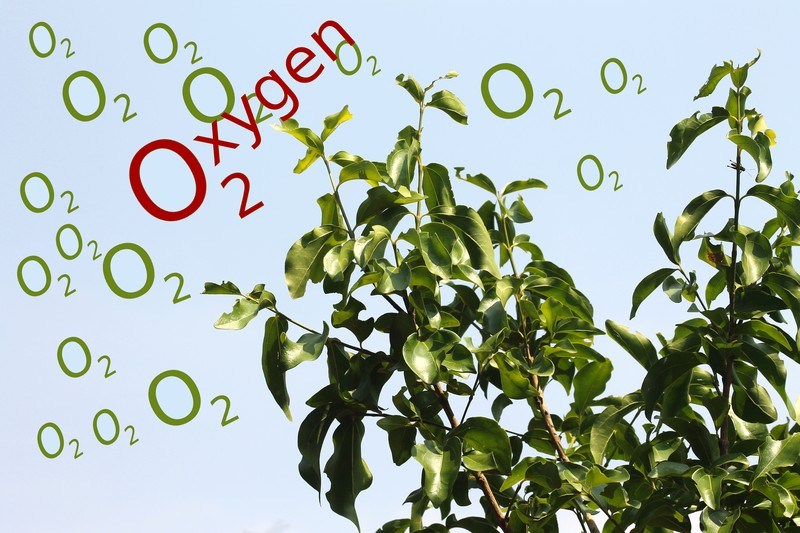
Which biome produces over 50% of the world's oxygen?
a)
Rainforest
b)
Temperate Forest
c)
Grasslands
d)
Taiga
18.
Which biome do we live in?
a)
Grasslands
b)
Taiga
c)
Rainforest
d)
Temperate Forest
19.
In which biome does an organism have to be able to conserve water to survive?
a)
Rainforest
b)
Taiga
c)
Desert
d)
Temperate Forest
20.
The term "terrestrial" means
a)
land.
b)
water.
21.
What term is given by scientists to the living parts of an ecosystem?
a)
Biotic Factors
b)
Abiotic Factors
c)
Community
d)
Population
22.
One characteristic feature of the tundra is that only the surface thaws in the summer and refreezes in the winter, leaving a permanently frozen subsoil. This characteristic is known as 
a)
winter frost
b)
Glaciation
c)
Permafrost
d)
Crystallization 
23.
What is the average, year-to-year conditions of weather in an area?
a)
Biome
b)
Air Mass
c)
Climate
d)
Precipitation
24.
We would NOT find this animal in the deciduous forest
a)
squirrel
b)
deer
c)
bear
d)
giraffe
25.
Cattle egrets forage (feed) in fields among cattle. The egret gets easy access to flying insects stirred up by the cattle, and the cattle don't care if they are there or not.
a)
mutualism
b)
commensalism
c)
competition
d)
parasitism
26.

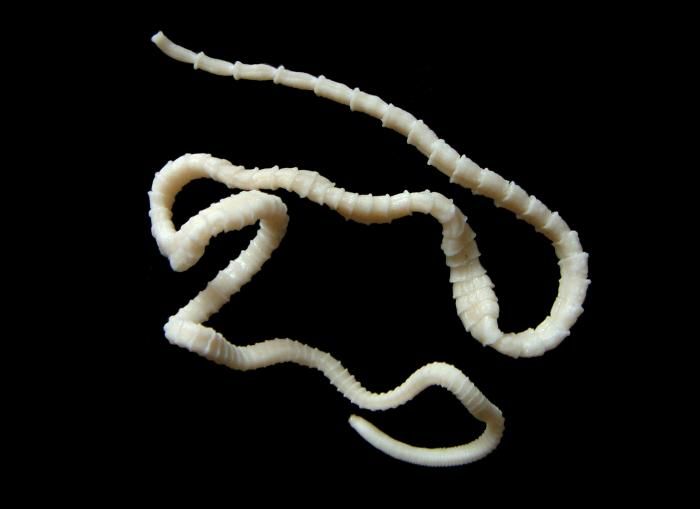
A tapeworm lives in the intestine of a cat absorbing nutrients through its skin. A tapeworm and a cat have this type of relationship.

a)

mutualism

b)

parasitism

c)

commensalism

d)

competition

27.
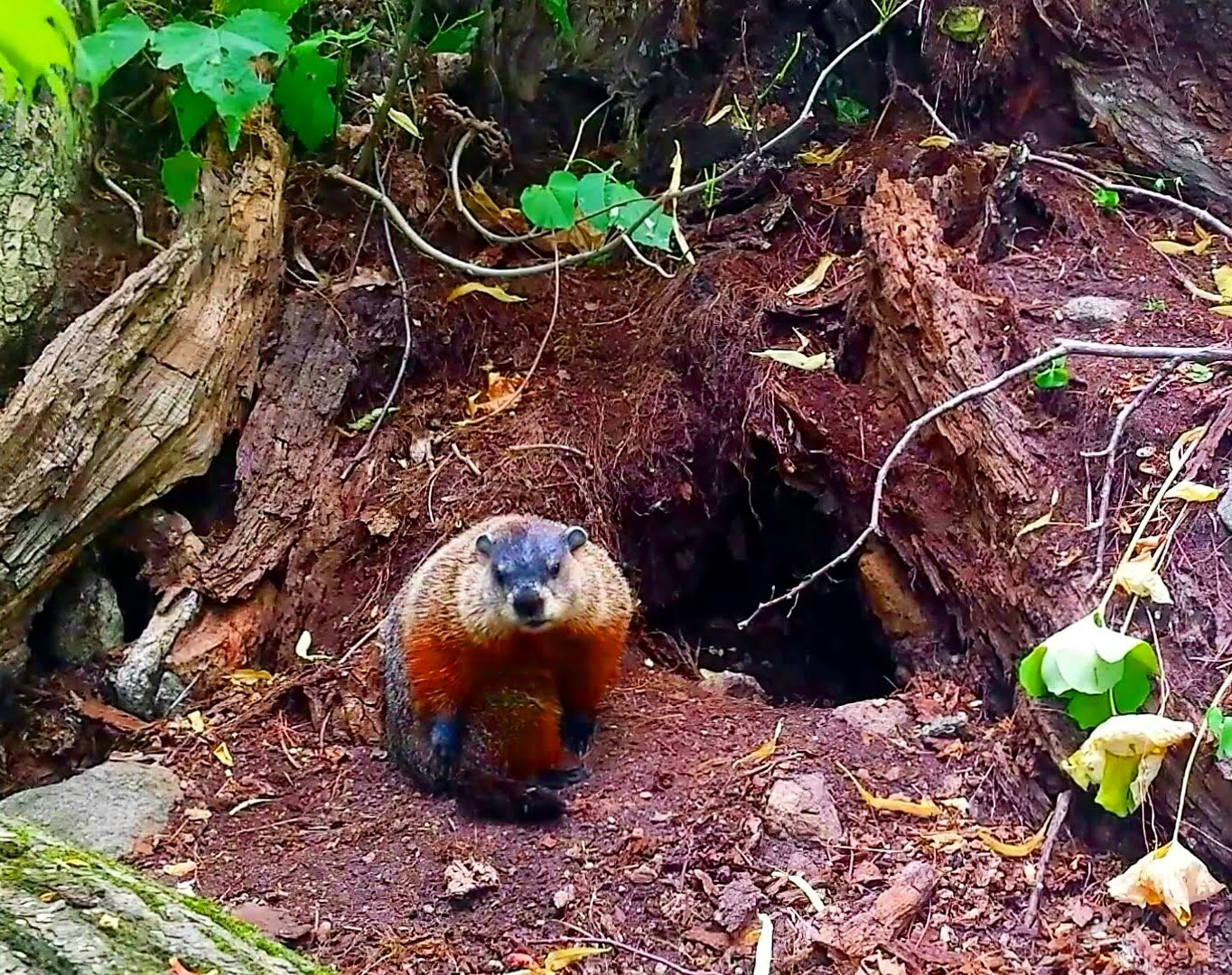
What type of symbiosis?  Skunks often live in burrows that have been dug and abandoned by woodchucks.  
a)
commensalism
b)
mutualism
c)
parasitism
d)
predation
28.
Which symbols best describe parasitism?
a)
+,+
b)
+,-
c)
+,0
d)
-,0
29.
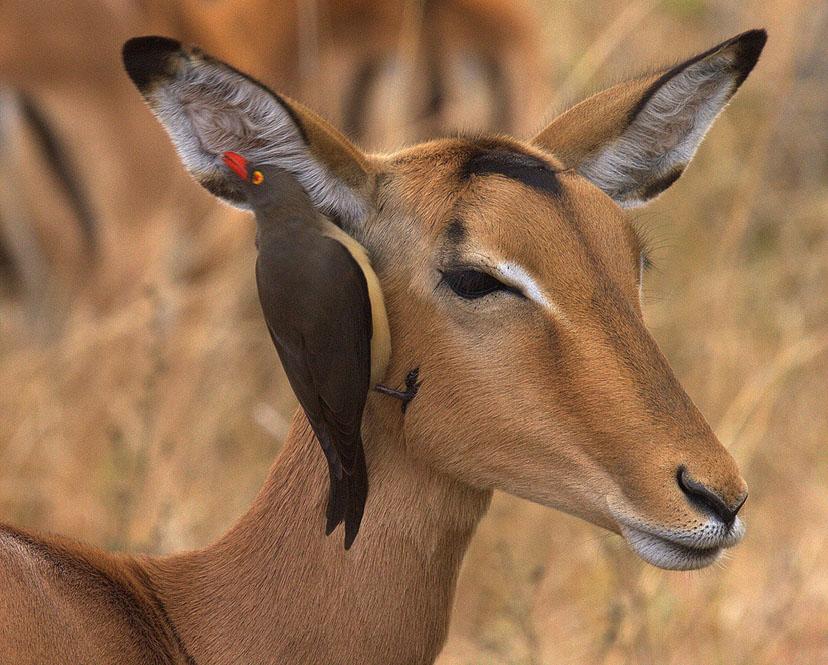
Red-billed oxpeckers are birds that often feed on parasites that infest impala.  This is an example of _______.
a)
commensalism
b)
mutualism
c)
neutralism
d)
competition
30.

Mockingbirds will push the eggs out of a blue bird's nest and use the nest for it's own babies illustrating...

a)

commensalism

b)

parasitism

c)

mutualism

d)

predation

31.

Clown fish live among anemones, acting as a lure for the sea anemone's prey. The clown fish get protection and shelter from the anemone. This is an example of which type of symbiosis?

a)

Commensalism

b)

Mutualism

c)

Parasitism

32.
All living things get their energy from which of the following sources?
a)
food
b)
water
c)
sun
33.
Which of the following is an organism that eats only meat?
a)
herbivore
b)
carnivore
c)
omnivore
34.
What would most likely happen if the rabbit population was removed from the food chain grass —› rabbit —› fox?
a)
their would be more grass
b)
there would be less rabbits
c)
there would be more fox
35.
What would most likely happen if the rabbit population was removed from the food chain grass —› rabbit —› fox?
a)
their would be more grass
b)
there would be less rabbits
c)
there would be more fox
36.
In which type of relationship do both species benefit?
a)
parasitism
b)
mutualism
c)
commensalism
37.
Barnacles grow on whales.  Whales give the barnacles a place to live but the barnacles do not help or harm the whale.  Which type of relationship is this?
a)
commensalism
b)
mutualism
c)
parasitiesm
38.

What would happen to the bird if the green fish died out?

a)

the bird population would grow

b)

the bird population would die out

c)

the smaller fish will die out

39.

What is the bottom layer of the an energy pyramid?

a)

producer

b)

tertiary consumer

c)

Secondary consumer

d)

primary consumer

40.
What is the role of a producer?
a)
Use sunlight to make food
b)
Gain energy from eating other organisms
c)
Keep other species from overpopulating
d)
Breaking down dead stuff 
41.
How much energy is available to be passed on to the next trophic level in an ecosystem?
a)
100%
b)
10%
c)
50%
d)
75%
42.
Bears eat a variety of foods including fish, berries, other types of vegetation.  Bears would best be classified as – 
a)
producers
b)
herbivores
c)
carnivores
d)
omnivores
43.
Which are decomposers?
a)
humans
b)
trees
c)
red wolves
d)
worms
44.
The process of using sunlight, carbon dioxide, and water to make sugar and oxygen is called _________?
a)
chlorophyll
b)
evaporation
c)
photosynthesis
d)
transportation
45.
A living organism that puts materials from dead  plants and animals back to the soil is called a ____________?
a)
carnivore
b)
decomposer
c)
herbivore
d)
omnivore
46.

The largest number of individuals that an environment can support long term is...

a)

carrying capacity

b)

emigration

c)

immigration

d)

population density

47.

Natural disturbances, such as fires or hurricanes, can result in

a)

A.parasitism.

b)

B.competition.

c)

C.commensalism.

d)

D.succession.

48.

Which of the following is not a possible cause of ecological succession?

a)

A. fire

b)

B. flood

c)

C. earthquake

d)

D. change of season

49.

What is the source of all energy on Earth?

a)

the moon

b)

the Earth's Core

c)

the sun

d)

the tides of the oceans

50.

You add ice to a warm drink. Which way will the energy move?

a)

From the ice to the drink

b)

From the drink to the ice

c)

There is no energy movement

d)

from the glass to the drink

51.

Which energy transfer has atoms running into each other or collisions or by touch?

a)

radiation

b)

convection

c)

conduction

d)

touchation

52.

When hot rises and cold sinks, there is a movement of heat. Which energy transfer is this?

a)

radiation

b)

convection

c)

conduction

d)

riseation

53.

Which direction does energy (heat) move when it is moved between objects?

a)

Hotter object to colder object

b)

Colder object to hotter object

c)

Energy doesn't move between objects

d)

Energy needs three objects before it can move

54.

You are using a lamp to keep your pet lizards warm. Which energy transfer is keeping them nice and warm?

a)

conduction

b)

convection

c)

radiation

d)

lizardation

55.
What causes warm air to rise?
a)
the fact that it's less dense than cold air 
b)
The fact that it weighs more than cold air 
c)
The fact that it has higher pressure than cold
d)
the fact that its more dense than cold air 
56.
Which term best describes how the earth's atmosphere is heated?
a)
Spirally
b)
Unevenly
c)
Circularly
d)
Kinetically
57.
What creates the air pressure difference between the equator and the poles?
a)
The length of the seasons
b)
The shape of the earth 
c)
the duration of the solar year
d)
The amount of direct sunlight each area receives 
58.
How are the winds in the northern hemisphere different from winds in the southern hemisphere? 
a)
Winds int he northern hemisphere are deflected right; winds int eh southern hemisphere are deflected left
b)
winds in the northern hemisphere are deflected south; winds in the southern hemisphere are deflected north 
c)
winds in the northern hemisphere are deflected eart; winds in the southern hemisphere are deflected west
d)
winds in the northern hemisphere are deflected left; einds in the southern hemisphere are deflected right 
59.

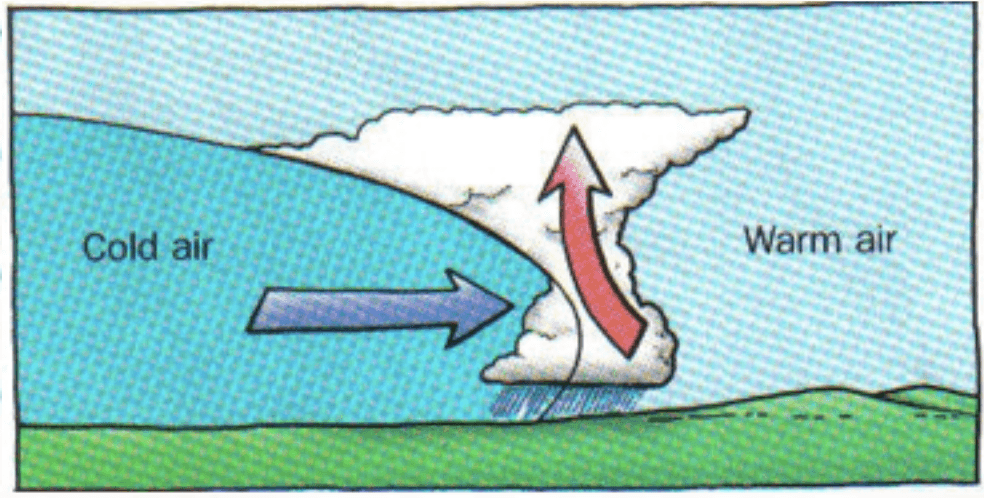
Name that front.

a)

Cold Front

b)

Warm Front

c)

Stationary Front

d)

Occluded Front

60.

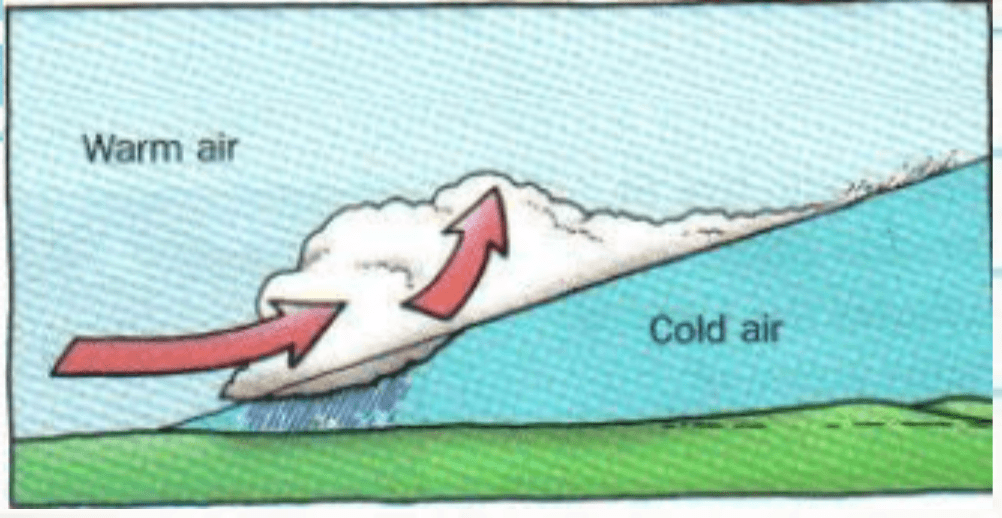
Name that front.

a)

Cold Front

b)

Warm Front

c)

Stationary Front

d)

Occluded Front

61.

Name that front.

a)

Cold Front

b)

Warm Front

c)

Stationary Front

d)

Occluded Front

62.

Name that front.

a)

Cold Front

b)

Warm Front

c)

Stationary Front

d)

Occluded Front

63.

Name that symbol.

a)

Cold Front

b)

Warm Front

c)

Stationary Front

d)

Occluded Front

64.

Name that symbol.

a)

Cold Front

b)

Warm Front

c)

Stationary Front

d)

Occluded Front

65.

Name that symbol.

a)

Cold Front

b)

Warm Front

c)

Stationary Front

d)

Occluded Front

66.

Name that symbol.

a)

Cold Front

b)

Warm Front

c)

Stationary Front

d)

Occluded Front

67.

What are isobars?

a)

Lines connecting places of equal temperature

b)

Lines drawn connecting places of equal pressure

c)

Lines drawn to places of different temperatures

d)

Lines drawn to places of different pressures

68.
What kind of weather happens during a warm front?
a)
Light rain or light snow
b)
Heavy rain or heavy snow
c)
Clear skies, temp. warms
d)
Clear skies, temp. cools
69.
What kind of weather happens during a cold front?
a)
Light rain or light snow
b)
Heavy rain or heavy snow
c)
Clear skies, temp. warms
d)
Clear skies, temp. cools
70.
What kind of weather happens after a warm front moves out?
a)
Light rain or light snow
b)
Heavy rain or heavy snow
c)
Clear skies, temp. warms
d)
Clear skies, temp. cools
71.
What kind of weather happens after a cold front moves out?
a)
Light rain or light snow
b)
Heavy rain or heavy snow
c)
Clear skies, temp. warms
d)
Clear skies, temp. cools
72.
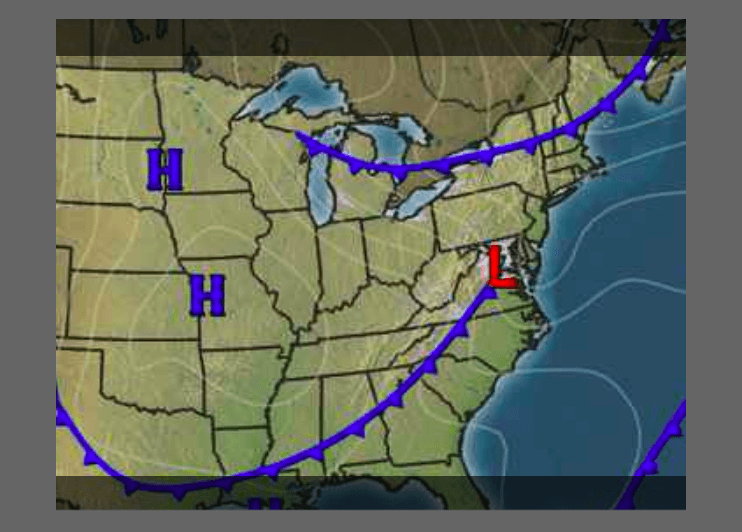
It's been like this for the last 3 days. What kind of front is shown?
a)
warm front
b)
cold front
c)
occluded
d)
stationary
73.
A _____________ is moving in, so this must be a ____________ front.
a)
thunderstorm, warm
b)
bank of high wispy clouds, warm
c)
tornado, occluded
d)
thunderstorm, cold
74.
Which would have the greatest gravitational potential energy?
a)
A 4lb rat on a school desk
b)
A 45lb dog in an oak tree
c)
A 14 pound platypus on a swing
d)
A 45lb child on a bike
75.
Gravitational potential energy depends on the ________ and ________ of the object. 
a)
Height and mass
b)
Friction and movement
c)
Mass and Movement
d)
Height and Friction 
76.
A stretched object, such as a rubber band, has _____________
potential energy.
a)
electrical
b)
gravitational
c)
kinetic
d)
elastic
77.
Food has _________ energy. 
a)
Potential 
b)
Kinetic 
c)
None of the above 
d)
All of the above 
78.
If the skier is at the top of the hill waiting for the whistle to blow for his turn to ski, he has ____________, after the whistle blows and he starts his ski run, he has ___________ .
a)
kinetic energy; potential energy
b)
potential energy; friction
c)
kinetic energy; gravity
d)
potential energy; kinetic energy
79.
A ball is released from rest at position 1.  The diagram shows the ball in four positions as it rolls along a track from left to right. In which position does the ball have its minimum gravitational potential energy and maximum kinetic energy?
a)
1
b)
2
c)
3
d)
4
80.
Energy stored in the bonds between atoms.
a)
Elastic
b)
Gravitational
c)
Chemical
d)
Nuclear
81.
A book falls from a desk. Which  BEST describes the book’s change in potential energy?
a)
The potential energy is increased so the total amount of energy is increased
b)
The potential energy is decreased so the total energy is decreased
c)
The potential energy is increased so the total is decreased
d)
Potential energy will change to kinetic energy, but the total energy remains constant
82.

Areas of high temperatures usually have...

a)

High air pressure.

b)

Low air pressure.

c)

Average air pressure.

d)

Fast moving winds.

83.

Moving air between areas of high pressure and low pressure is called...

a)

Rain

b)

Humidity

c)

Wind

d)

Clouds

84.

Air moves. Yes! But if the Earth did not rotate in it's axis the air flow would move in a straight line from

a)

The poles to the Equator.

b)

The Equator to the poles.

c)

From the East to the West.

d)

From the West to the East.

85.

As a part of the water cycle, water from Earth's surface enters the clouds and finally falls back to the ground in the form of rain. What is the correct sequence of processes water undergoes?

a)

Evaporation, Condensation, Precipitation

b)

Precipitation, Condensation, Evaporation

c)

Condensation, Evaporation, Precipitation

d)

Evaporation, Precipitation, Condensation

86.

What does the Coriolis Effect impact?

a)

Wind Speed

b)

Wind Direction

c)

Small Scale Objects

d)

Bodies of Water

87.

What is the main cause of the Coriolis Effect?

a)

Temperature

b)

Trade Winds

c)

Earth’s Rotation

d)

The Sun and Ocean

88.
As you go to the top of a mountain, what happens to temperature?
a)
Nothing
b)
It increases
c)
It decreases
d)
It goes up and down
89.
The _______ of  a mountain range is the side that receives a lot of precipitation.
a)
dry side
b)
leeward/dry side
c)
windward/wet side
d)
cloudy side
90.

Describe the air on the windward side of a mountain.

a)

dry

b)

hot

c)

moist

d)

cold

91.

Describe the air on the leeward side of a mountain.

a)

cold

b)

wet

c)

dry

d)

moist

92.

The leeward side of the mountain in in the

a)

rain shadow

b)

way

c)

river

d)

rainbow

93.

The vegetation on the windward side could be

a)

thick forests

b)

grasslands

c)

deserts

d)

prairies

94.

Deep Ocean currents are a result of

a)

Global Wind Patterns

b)

Earth's Rotation

c)

Density

d)

All of the above

95.

The Gulf stream carries _____________ water from the east coast of The United States to the West coast of Europe.

a)

Cold

b)

Warm

c)

Freezing

d)

Fresh

96.

How does air move away from the poles and toward the equator?


a)

Warm air near the equator rises and moves to the poles.

b)

Cool air at the poles sinks and moves to the equator.


c)

Warm air at the poles sinks and moves to the equator.

d)

Cold air near the equator rises and moves to the poles.

97.

Why are surface currents at the surface of the ocean?

a)

colder temperature

b)

colder temperature & more salinty

c)

warmer temperature & less salinty

d)

less salinty

98.

Ocean currents affect climates around the world. Based on the map, which area MOST likely has a warmer climate than expected?

a)

1

b)

2

c)

3

d)

4