
 Worksheets
IGCSE PE General Revision
Total questions: 32
Worksheet time: 21mins
What is the main function of the muscular system?
Regulate body temperature
Enable movement
Support the nervous system
Digest food
How does cardiovascular fitness benefit overall health?
Cardiovascular fitness benefits overall health through improved heart function, increased lung capacity, reduced risk of chronic diseases, enhanced circulation, and overall well-being.
Cardiovascular fitness only benefits muscle strength
Cardiovascular fitness has no impact on overall health
Cardiovascular fitness leads to decreased lung capacity
Why is proper nutrition important for athletes?
Athletes do not need to worry about hydration as it does not affect their performance
Proper nutrition is not important for athletes as they can perform well without it
Nutrients in food have no impact on an athlete's recovery time
Proper nutrition is important for athletes because it provides the necessary energy, nutrients, and hydration to fuel their performance, support recovery, and enhance overall health.
What are some common injuries in sports and how can they be prevented?
Not using proper equipment
Wearing heavy clothing
Ignoring signs of fatigue
Proper warm-up, stretching, protective gear, good technique, hydration, and avoiding overexertion
Explain the principle of specificity in training.
Training should be tailored to the specific goals or activities to achieve optimal results.
Training should be random and varied to confuse the body
The principle of specificity suggests that any training is beneficial regardless of the goal
Specificity in training means focusing on a wide range of activities
How can athletes incorporate rest and recovery into their training regimen?
By training harder every day without breaks
By reducing sleep and recovery time to maximize training hours
By scheduling regular rest days, prioritizing sleep, practicing active recovery techniques, staying hydrated, and listening to their bodies.
By ignoring their body's signals and pushing through pain
What are the key components of a well-rounded training program?
Skipping warm-up, focusing only on one type of exercise, not allowing for rest days
Goal setting, warm-up/cool-down, exercise variety, progressive overload, rest/recovery
Discuss the importance of flexibility in physical fitness.
Flexibility has no impact on overall health
Flexibility only helps in causing injuries
Flexibility is important in physical fitness for improving range of motion, preventing injuries, enhancing performance, and maintaining overall health.
Flexibility is not important in physical fitness
Explain the concept of progressive overload in fitness training.
Progressive overload is not necessary for fitness improvement
Progressive overload involves gradually increasing the intensity, duration, or frequency of exercise to continually challenge the body and stimulate adaptation.
Performing the same workout routine every day is an example of progressive overload
Progressive overload is only applicable to professional athletes
Explain the concept of anaerobic exercise and its benefits.
Anaerobic exercise does not provide any benefits
Anaerobic exercise involves high-intensity, short-duration activities that improve muscle strength, power, and speed.
Anaerobic exercise is only suitable for professional athletes
Anaerobic exercise is not effective for weight loss

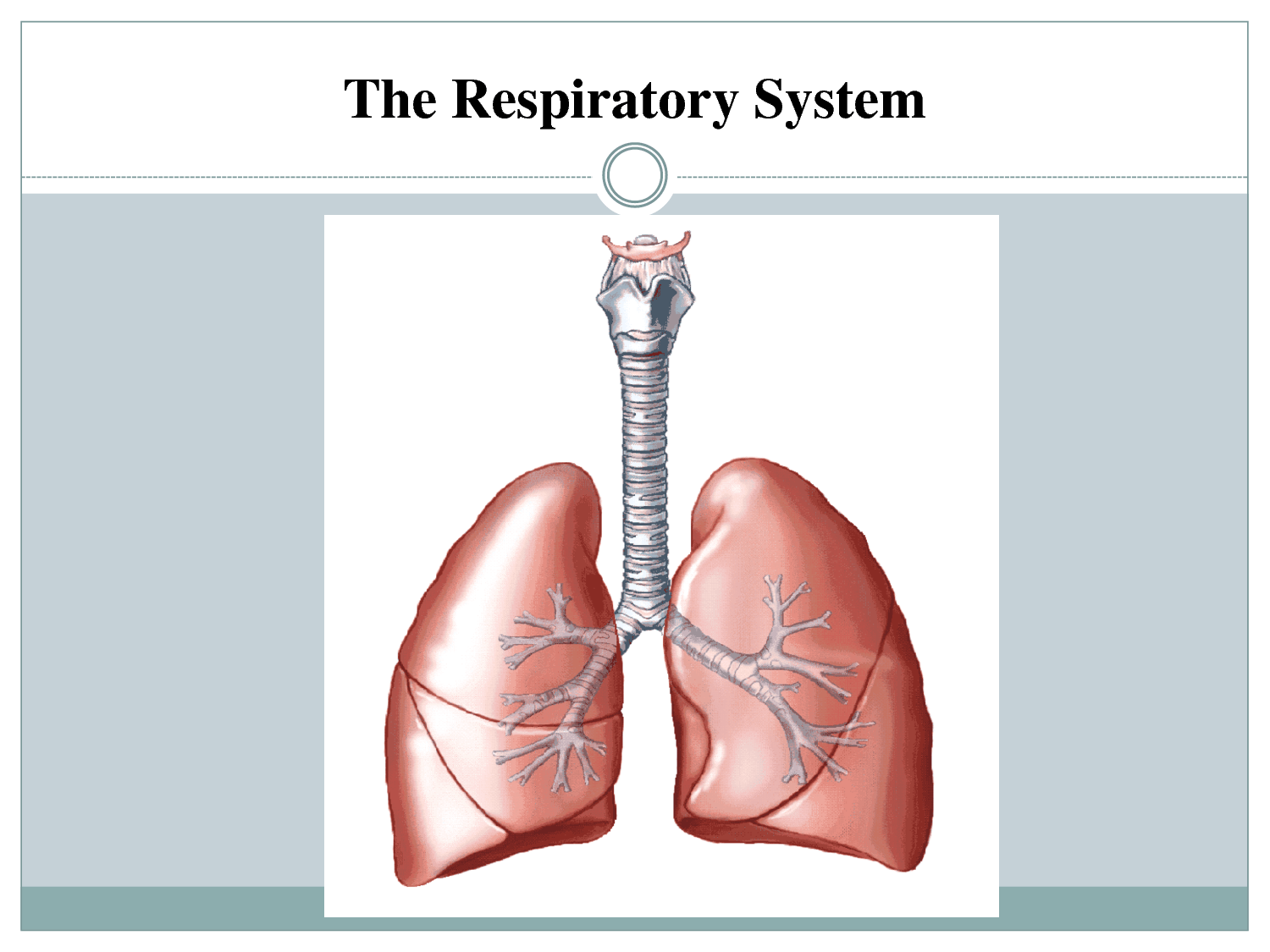
Tiny sacs of lung tissue specialized for the movement of gases between air and blood are called __________.
lungs
bronchi
alveoli
diaphragm
The windpipe, a passage through which air moves in the respiratory system is also called the ___________.
trachea
lungs
larynx
bronchi

What muscles is highlighted?
Deltoid
Trapezius
Tricep
Pectoralis


The correct word equation for aerobic respiration is
carbon dioxide + water (+ energy) → glucose + oxygen
water + oxygen → carbon dioxide + glucose (+ energy)
glucose + oxygen → carbon dioxide + water (+ energy)
glucose + water → carbon dioxide + water (+ energy)


***This requires a strong heart, and lungs.

What is 'the idea that our brains can only process a certain amount of information at once; too much information results in overload'
Information processing model
Limited-channel capacity
Decision making
Short-term memory

What is the final stage of learning called?
Ultimate stage
Master stage
Autonomous stage
Associative stage
Which of these shows manual guidance in action?


A drop goal in rugby is what type of skill?
Closed and complex
Open and Basic
Fine and closed
Open and gross
Extrinsic feedback comes from within the body based on how movement feels.
True
False
Knowledge of results is information received about the end result such as whether you hit the target or won or lost.
True
False

