
 Worksheets
Unit 6 Review- Cells
Total questions: 90
Worksheet time: 2hrs 39mins
Which of the following converts food into energy for the cell?
vacuole
mitochondria
cytoplasm
cell membrane
Which of these shows a cell?


Which of the following is not an organism?
water
dog
tree
A group of similar cells is called...
water
air
tissue
A group of tissues that work together is called...
organ
piano
puppy
A group of organs that work together to do a job are called..
system
school
car
This part of the cells controls what moves in and out
cell wall
cell membrane
Cytoplasm
organelles

What is NOT a part of cell theory:
all cells come from existing cells
all cells have a nucleus
all living things are made of cells
cells are basic unit of structure and function in living things

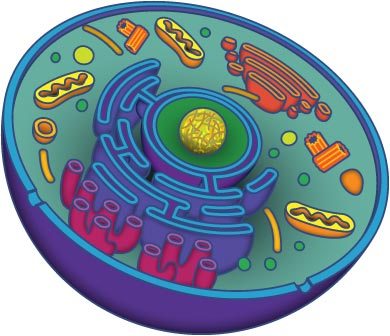
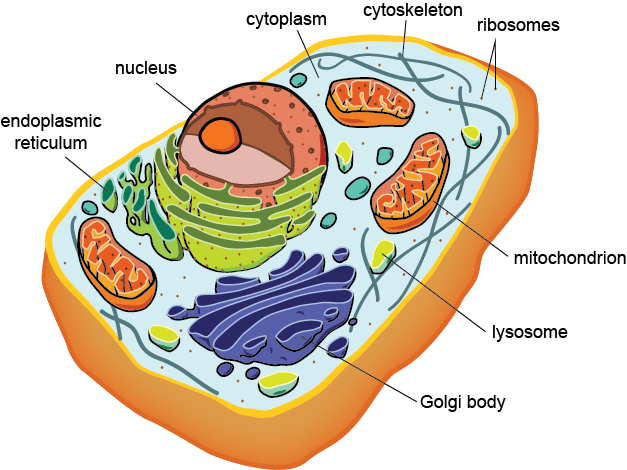
_______ are the smallest units of life because they grow, reproduce, respond, and use energy.
atoms
elements
cells
all of the above
When a cell is ready to reproduce, it duplicates its contents, then divides into two similar (and sometimes exact duplicate) cells.
True
False
Regardless of type, all cells
have a cell membrane
have cytoplasm
can duplicate themselves by undergoing cell division
all of the above
Which picture does NOT belong?


The fluid that surrounds the organelles is (like Jell-o)
cytoplasm
vacuole

Which organelle takes in "sun showers" and helps plants with the process or photosynthesis?
Vacuole
Mitochondria
Chloroplast
If it does not rain for a long period of time, plants’ leaves will begin to wilt or sag. They have used up the water that they stored in their ___________
Vacuole
Chloroplast
Mitochondria
Check all the boxes for each organelle that plant and animal cells both have.
lysosomes
cell membrane
mitochondria
nucleus
cell wall
What do you think homeostasis is?
Keeping your body systems stable
Staying at home
Making body systems unstable
Which of the following are in the correct order?
organ system, cell, organ, tissue, organism
cell, organ, tissue, organ system, organism
cell, tissue, organelle, organ system, organism
cell, tissue, organ, organ system, organism
Which organelle is the site of photosynthesis?
Cell Wall
Chloroplasts
Cytoplasm
Cell Membrane
Which organelle is the location of DNA (genetic material)?
mitochondria
ribosomes
nucleus
Endoplasmic Reticulum
Which organelle is controls the activities of the cell?
nucleus
mitochondria
cell membrane
cytoplasm
Which instrument greatly contributed to cell theory?
telescope
magnifying glass
microscope
centrifuge
Which is NOT a part of cell theory?
All living things are made of cells.
Cells are the smallest units of structure and function in life.
Cells come from other cells.
Cells cannot be created or destroyed.

The organelle that is the control center of the cell and contains nearly all of the cell’s DNA:
Ribosome
Centriole
Nucleus
Rough Endoplasmic Reticulum

The organelles that store materials like water, salts, proteins, and carbohydrates, and the other one that stores and moves materials between cell organelles, as well as to and from the cell surface:
Cytoskeleton
Lysosomes
Chloroplast
Vacuoles and Vesicles

The organelle that captures the energy from sunlight and converts it into chemical energy stored in food during photosynthesis:
Chloroplast
Mitochondrion
Cell Wall
Nucleus

The organelle that converts the chemical energy stored in food molecules into compounds that are more convenient for the cell to use:
Cell Wall
Cell Membrane
Mitochondrion
Centrioles

The organelle that acts as a strong supportive wall that shapes and protects the cell:
Cell Membrane
Cell Wall
Cytoskeleton
Centrioles

The organelle that regulates materials entering and leaving the cell, as well as supporting and protecting it:
Cell Wall
Cell Membrane
Centrioles
Cytoskeleton
Houses gel-like fluids that support cell organelles and holds them in place.
cytoplasm
endoplasmic reticulum (e.r.)
golgi bodies
nucleus
The "powerhouse" of the cell; breaks down food to make energy for the cell.
organelles
cell
mitochondria
cytoplasm

Which of the following is an example of an organ?
Brain
Tissue
Human
Dog

The image could best be described as
tissue
organ
organ system
organism

The image could best be described as
tissue
organ
organ system
organism

The image could best be described as
tissue
organ
organ system
organism

A group of organs that come together to perform a specific function is a/an
organ
organ system
organism
tissue
Atom
smallest unit of matter
smallest unit of life
group of 2 or more atoms joined by a covalent bonds.
composed of only 1 type of atom
cell
smallest unit of matter
smallest unit of life
group of 2 or more atoms joined by a covalent bonds.
composed of only 1 type of atom
Molecule . . .
smallest unit of matter
smallest unit of life
group of 2 or more atoms joined by a covalent bonds.
composed of only 1 type of atom
Organelle . . .
specialized structure within a cell that performs specific cellular functions.
basic unit of life
group of same cells.
structure consisting of several different tissues to perform a specific function
TISSUE . . .
specialized structure within a cell that performs specific cellular functions.
basic unit of life
group of same cells.
structure consisting of several different tissues to perform a specific function
Organ . . .
specialized structure within a cell that performs specific cellular functions.
basic unit of life
group of same cells.
structure consisting of several different tissues to perform a specific function
The basic building block of all matter is...
atom
molecule
organelle
cell
anything that can’t perform homeostasis is known as
living
tissue
organ
non-living
A statement based on repeated experimental observations that describe why the universe works under certain conditions.
law
hierarchy
cell theory
theory
A statement based on repeated experimental observations that describe how the universe works under certain conditions
law
hierarchy
cell theory
theory
States that all organisms are made up of one or more cells. The cell is the basic unit of life. All cells come from pre-existing cells
cell theory
Cellular law
Evolution theory
Organelles Theory
What is the smallest level of organization that is still uniquely identifiable?
species
organism
cell
atom

When many pieces of tissue come together, it makes a(n) _______________. Examples of this are lungs, heart, skin.
Atom
Organ
Molecule
Ecosystem

One of the most common examples of homeostasis is body temperature. When your body temperature rises above normal, how does your body respond?
shivers
sweats
coughs

How does your body respond when your body temperature drops below normal?
What do you think homeostasis is?
Keeping your body systems stable
Staying at home
Making body systems unstable
Homeostasis mechanisms...
keep everything exactly the same.
usually operate by positive feedback systems.
act to keep the internal environmental conditions outside the normal range
is the ability to maintain a relatively stable internal environment
The group of organisms that use the process of homeostasis includes
mammals, only
animals, only
plants and animals
all living things
Which of the following is not an examples of an organism maintaining internal homeostasis?
Shivering when cold
Sweating when hot
Going for a walk
Vomiting - releases toxins and wastes
Which of the following could help you maintain homeostasis?
Going to school
Sweating
Taking a test
All of the above
A football player perspires during a football game. The sweat is a cooling mechanism. What is this an example of?
Digestion
Mitosis
Homeostasis
Respiration
Why does your heart beat faster when you exercise?
To provide your muscle cells extra oxygen
To provide your muscle cells extra carbon dioxide
To heat your body up
To make you feel more tired
Which of the following resources are NOT needed by ANIMALS to help them maintain homeostasis?
oxygen
water
food
carbon dioxide
Which of the following resources are NOT needed by PLANTS to help them maintain homeostasis?
light
water
rocks
carbon dioxide
The ultimate cause of death
Over Heating
Diabetes
Bad Hair
Loss of Homeostasis
stable
equal
complete
correct
Things in the human body that need to stay the same
Glucose
Temperature
Blood Pressure
All of the above
Homeostasis is the way the body
maintains a stable internal environment
controls blood sugar
controls the brain
controls the endocrine system
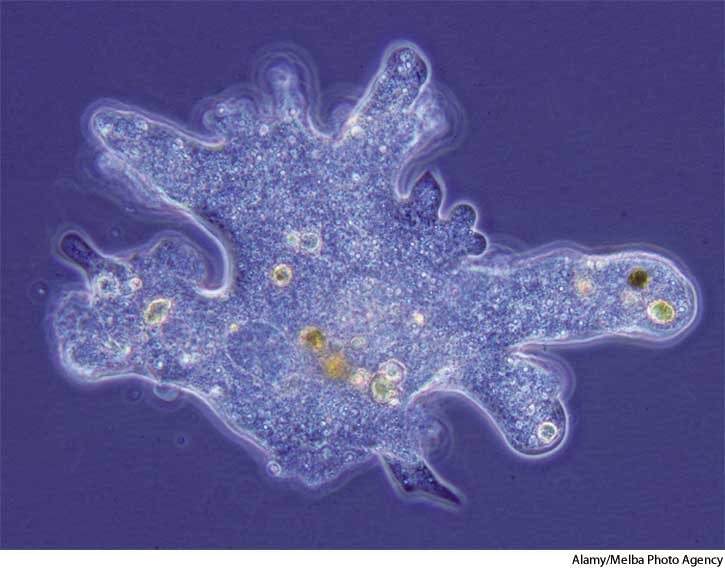
Gas exchange occurs to regulate
temperature
blood glucose
oxygen and carbon dioxide
water and solutes
If mammals get too warm, their blood vessels
constrict to release heat more easily
dialate to release heat more easily
constrict to prevent heat loss
dialate to prevent heat loss
If mammals get too cold, their blood vessels
constrict to release heat more easily
dialate to release heat more easily
constrict to prevent heat loss
dialate to prevent heat loss

