
 Worksheets
MidTerm Exam
Total questions: 101
Worksheet time: 1hrs 29mins
A protein is a macromolecule that is used to...
give cells/systems energy.
build cell parts.
give cells/systems long term energy storage.
help cells with chemical processes.
A carbohydrate is a macromolecule that is used to...
give cells/systems energy.
build cell parts.
give cells/systems long term energy storage.
help cells with chemical processes.
A lipid is a macromolecule that is used to...
give cells/systems energy.
build cell parts.
give cells/systems long term energy storage.
help cells with chemical processes.
When reading the nutrition facts on food packaging total fats is a measure of...
Carbohydrate
Lipids
Water
Protein
When reading the ingredients on a nutrition facts label carbohydrates are written as a type of
food additive
enzyme
sugar
protein

What macromolecule is shown?
Protein
Nucleic Acid
Carbohydrate
Lipid

What macromolecule is shown?
Protein
Nucleic Acid
Lipid
Carbohydrate
What is the monomer of a lipid?
Amino Acid
Fatty Acid
Monosaccharides
Glucose
What is the function of carbohydrates?
Short term energy
Long term energy
Storing genetic information
Speeding up chemical reactions
What is the function of nucleic acids?
Short Term Energy
Storing Genetic Information
Long Term Energy
Speeding Up Chemical Reactions

What macromolecule is shown?
Nucleic Acids
Lipids
Proteins
Carbohydrates

What macromolecule is shown?
Carbohydrate
Nucleic Acid
Protein
Lipid

What macromolecule is shown?
Carbohydrates
Lipids
Nucleic Acids
Proteins

What macromolecule is shown?
Proteins
Nucleic Acids
Lipids
Carbohydrates
What element if the building block of life?
Carbon
Hydrogen
Oxygen
Nitrogen
Which of the following is NOT a macromolecule?
Fiber
Carbohydrates
Amino Acid
Monosaccharides
The building blocks or monomers of carbohydrates (sugars) are?
amino acids
fatty acids
monosaccharides
nucleotides
An example of a carbohydrate would be?
pasta
T-bone steak
chicken leg
cheese
The three main parts of a nucleotide are the sugar (made up of carbon, hydrogen, and oxygen), the phosphate group, and the _____________ base.
carbon
oxygen
nitrogen
hydrogen
Humans get most of their energy (fast, immediate energy) from eating what type of food?
protein
carbohydrates
lipids
meat
Which of the following are almost always hydrophobic?
carbohydrates
lipids
proteins
nucleic acids
The parts of a nucleotide are:
nitrogen, sulfur, phosphate group
DNA, RNA, ATP
nitrogenous base, ATP, glucose
nitrogenous base, 5-carbon sugar, phosphate group

* look at the R.....


Which building blocks are correctly matched to the macromolecule they form?
Amino acids make proteins.
Glucose molecules make lipids.
Nucleotides make carbohydrates.
Fatty acid chains make nucleic acids.
Which of the following statements illustrates why carbon atoms are so important in living organisms?
Carbon atoms contain large stores of energy.
Carbon is found in most inorganic compounds.
Carbon atoms are polar which allows them to dissolve many compounds.
Carbon is able to bond to many other atoms to form large and complex molecules.
Which of the following correctly matches the elements present in macromolelcule?
CHO-Lipids
CHO-Proteins
CHON-Nucleic Acids
CHONP- Carbohydrates
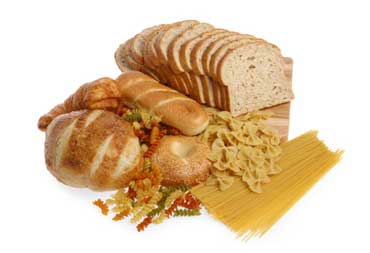
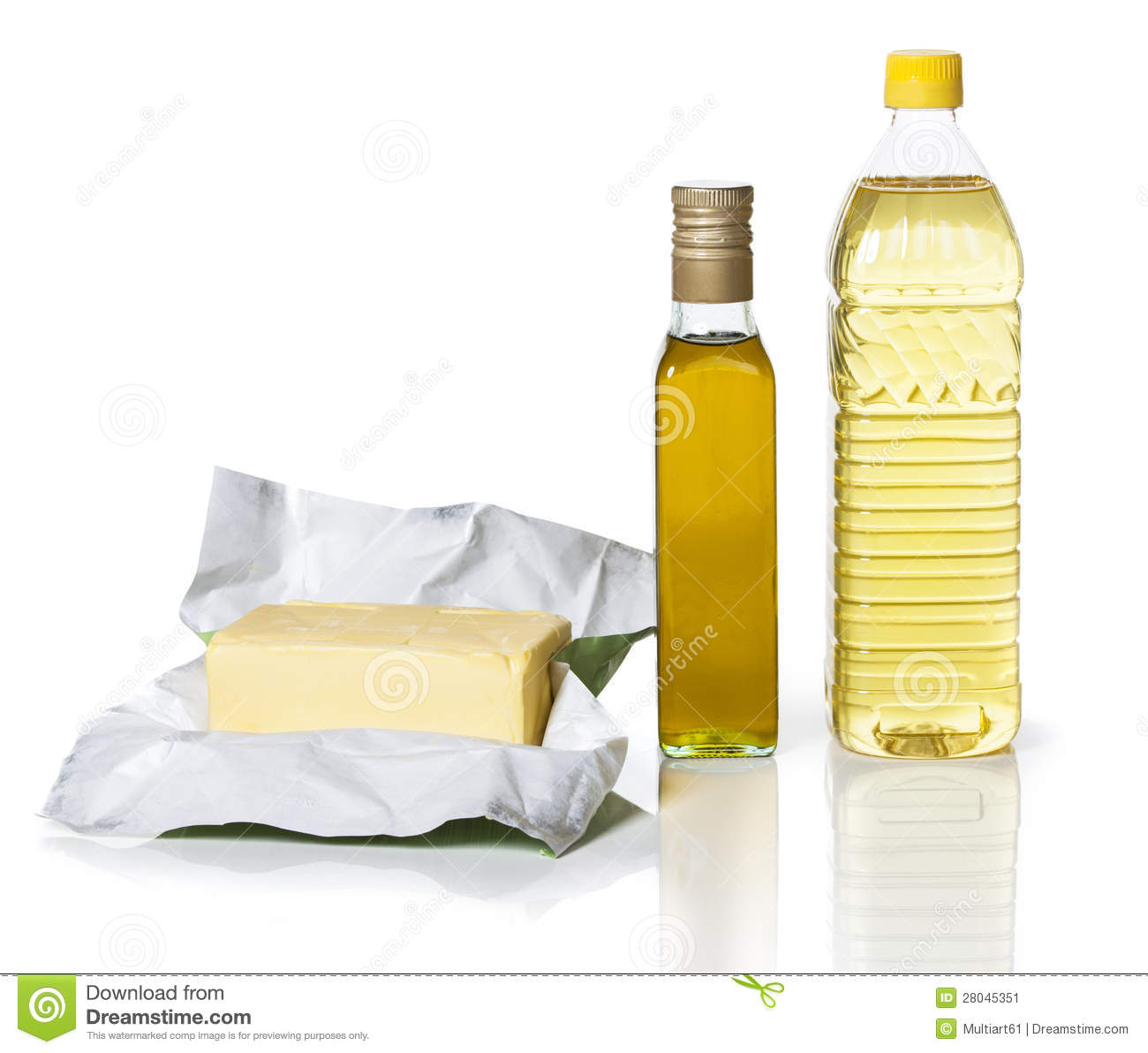
How how carbohydrates and lipids similar?
both contain C, H, O, N, P and store energy
both contain C, H, O, N and give energy
both contain C, H, O, N, S and store energy
both contain C, H, O and give energy
The monomer for carbohydrates is a monosaccharide.
True
False
Lipids key role (function ) is:
immunity, chemical reactions in the body, cell metabolism, contract muscles, regulate other proteins
store energy
instant energy for cells/body
heredity/genetic information
What elements (monomers) make up a protein?
C, H, O
C, H, O, N
C, H, O, N, P
What is the smallest unit of a macromolecule?
micromolecule
glucose
monomer
polymer
What elements (monomers) make up nucleic acids?
C, H, O
C, H, O, N, (S)
C, H, O, N, P
Sugars (saccharides) are not carbohydrates.
false
true
What is the key role (function) of a protein?
instant energy for the cell/body
hormones, buoyancy, forms cell membranes, insulation, energy storage
growth, repair, and energy, immune system, enzymes
store and transmit genetic information/heredity
Carbohydrates have C, H, O. What is the ratio of elements?
2:1:2
1:3:1
1:2:1
3:1:3
What are examples of carbohydrates?
triglycerides, waxes, fat, and oils
form polypeptides such as antibodies, enzymes, and hormones
glucose, fructose, cellulose, and lactose
DNA and RNA
What are examples of proteins?
triglycerides, waxes, fats, and oils
form polypeptides such as antibodies, enzymes, and hormones
glucose, fructose, cellulose, and lactose
DNA and RNA
What are examples of lipids?
triglycerides, waxes, fats, and oils
form polypeptides such as antibodies, enzymes, and hormones
glucose, fructose, cellulose, and lactose
DNA and RNA
What are examples of nucleic acids?
triglycerides, waxes, fats, and oils
form polypeptides such as antibodies, enzymes, and hormones.
glucose, fructose, cellulose, and lactose
DNA and RNA
Am autotroph can:
Make its own food
Make its own water
Make its own oxygen
Make its own carbon
Where does photosynthesis occur?
In the mitochondria
In the chloroplast of animal cells
In the chloroplast of plant cells
In the mitochondria of plant cells
What type of energy conversion occurs in photosynthesis?
Light from the sun to chemical in glucose
Chemical in glucose to chemical in ATP
Which of the following are products of photosynthesis?
glucose and oxygen
glucose and water
carbon dioxide and water
ATP and sunlight
Which of the following is a reactant of photosynthesis?
oxygen
carbon dioxide
ATP
glucose
Which of the following equations represents the overall chemical reaction for photosynthesis?
6O2+ 6H2O → C6H12O6+ 6O2
C6H12O6 + 6H2O→ 6O2+ 6O2
6CO2+ 6H2O→ C6H12O6+ 6O2
6O2 + 6H2O→ C6H12O6 + 6CO2

An organism that cannot make its own food.
autobot
heterotroph
autotroph
heterobot

The raw materials of a chemical reaction. Located on the left side of a chemical equation.
water
energy
resources
reactants

The 'outputs' of a chemical reaction. Located on the right side of a chemical equation.
products
produce
consumers
detritis

Location inside of a plant cell where the process of photosynthesis occurs.
nodules
stomata
chloroplasts
chlorophyll
The process in which a cell harvests energy from glucose and makes it into usable energy for the body is called-----
cellular fermentation
anaerobic respiration
aerobic fermentaion
cellular respiration
Which organ in a cell produces a large amount of ATP through cellular respiration?
chloroplast
mitochondrion
nucleus
ribosome
During cellular respiration, energy is released from food. What else does the cell need for this process to take place.
carbon dioxide
oxygen
sunlight
nitrogen

What gas goes into the plant before photosynthesis?
Carbon Dioxide
Carbon Monoxide
Oxygen
Nitrogen

What two products does a plant make during photosynthesis?

Cellular respiration is...
the process by which cells break down glucose into energy.
the process by which cells break light down into energy.
the process by which cells communicate with other cells.
In which way are photosynthesis and cellular respiration different?
Cellular respiration stores ATP, while photosynthesis releases ATP.
Cellular respiration produces oxygen, while photosynthesis uses oxygen.
Photosynthesis releases energy, while cellular respiration stores energy.
Photosynthesis uses carbon dioxide, while cellular respiration produces carbon dioxide.
Which type of organism would MOST likely benefit directly from increased levels of CO2?
mushroom
tree
bird
fish
How can photosynthesis be related to cellular respiration?
What's produced by one is needed for the other
They both produce the same products
They both have the same reactants (need the same things)
These 2 processes have nothing in common
Large Central Vacuole
Which of the images below represents a chloroplast?


What organelle is represented by this image?
rough endoplasmic reticulum
smooth endoplasmic reticulum
ribosome
nucleus
The jelly-like material inside the cell
ribosomes
lysosome
granum
cytoplasm
This organelle digests dead cell parts and contains enzymes
lysosome
golgi body
smooth ER
Rough ER

What function does this organelle carry out in the cell?
detoxification
packaging materials for release from the cell
breaking down old cellular components
storing genetic material
A water molecule is a _______ since the negative end of one water molecule is attracted to the positive end of another water molecule.
polar molecule
sustain life
surface tension
specific heat

A process powered by adhesion that causes water molecules to move upward through a narrow tube such as the stem of a plant is called...
polar molecule
surface tension
capillary action
specific heat

An attraction between molecules of different substances is called...
adhesion
cohesion
The amount of energy required to raise the temperature of 1 gram of a substance by 1 degree Celsius is called...
polar molecule
capillary action
surface tension
specific heat
Water is called the ________ because it dissolves so many substances.
polar molecule
universal solvent
specific heat
surface tension
Water exists in a _______ state of matter between 0 and 100 degrees Celsius.
solid
liquid
gaseous

The amount of mass per unit volume is ...
mass
density
volume
length

A measure of how difficult it is to stretch or break the surface of a liquid is called...
specific heat
polar molecule
capillary action
surface tension
Because of its _______, water dissolves many substances.
solvent
solution
polarity
solute
In a water molecule, the oxygen atom has a small...
negative charge
neutral charge
positve charge

