
 Worksheets
Midterm: signs and symptoms practice
Total questions: 85
Worksheet time: 1hrs 2mins
Shortness of breath, especially when lying down
Cough
Difficult or labored breathing; shortness of breath
Sort the signs and symptoms with the type of heart failure
Jugular vein distension
Orthopnea
Peripheral edema
Pulmonary edema
Coughing
Hepatomegaly
Paroxysmal nocturnal dyspnea
Ascites
Crackles in the lungs
Patient presents with symptoms of pulmonary edema, including paroxysmal nocturnal dyspnea (PND), orthopnea, and cough.
Left ventricular heart failure
Right ventricular heart failure
Angina pectoris
Endocarditis
Patient presents with symptoms of peripheral edema, including jugular neck vein distension (JND), swelling in feet, and hepatomegaly.
Left ventricular heart failure
Right ventricular heart failure
Angina pectoris
Endocarditis
Which symptom is indicative of left-ventricular heart failure?
chest heaviness
jugular vein distension (JVD)
chest pain that radiates to the shoulder, arm, and jaw
paroxysmal nocturnal dyspnea (PND)
Which symptom is indicative of right-ventricular heart failure?
chest heaviness
jugular vein distension (JVD)
chest pain that radiates to the shoulder, arm, and jaw
paroxysmal nocturnal dyspnea (PND)
Which signs/symptoms are indicative of myocardial infarction?
(select ALL correct answers)
Jugular vein distention
Diaphoresis
Chest pain that lasts more than an hour
Expectoration
Rhonchi and wheezing upon auscultation
acute rhinitis
acute bronchitis
meningitis
systemic lupus erythematosus
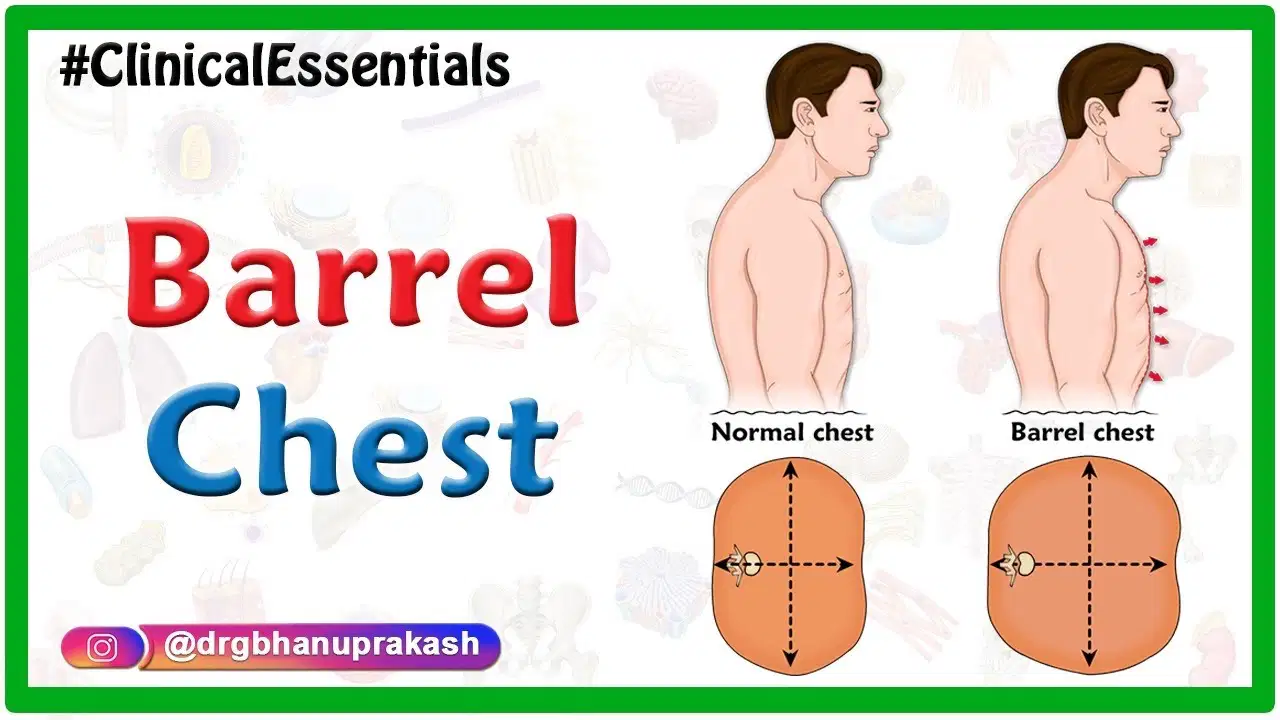
Increase in the anteroposterior diameter of the chest wall resembling the shape of a barrel (barrel chest)
Emphysema
Bronchial asthma and bronchitis
Type I hypersensitivity
Rheumatoid arthritis
Absence of breath sounds during auscultation
Angina pectoris
Pneumothorax
Asthma
Barrel chest
Urticaria, nasal and conjunctival discharge, bronchial asthma, and allergic gastroenteritis
Type I hypersensitivity
Type II hypersensitivity
Type IIII hypersensitivity
Type IV hypersensitivity
Which is a classic sign/symptom of a type I hypersensitivity?
Orthopnea
Jugular vein distension
Urticaria
Hemoptysis
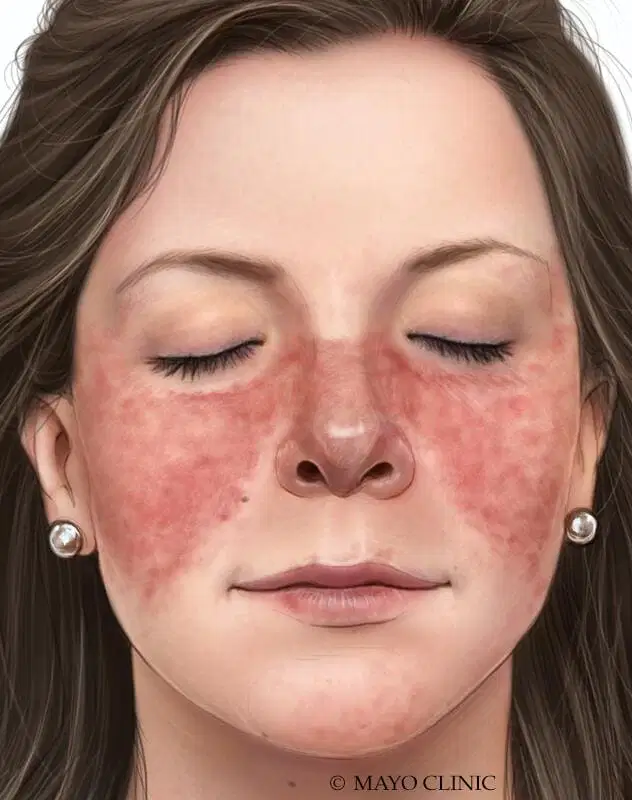
Red "butterfly" rash across the cheeks and nose.
DiGeorge Syndrome
Rheumatoid arthritis
Antiphospholipid syndrome
Systemic lupus erythematosus
Sore throat, fever, trouble swallowing, shortness of breath, abdominal pain.
Reed-Sternberg cells are present upon biopsy.
Non-Hodgkin's Lymphoma
Hodgkin's Lymphoma
Chronic Lymphocytic Leukemia
Acute Lymphocytic Leukemia
3 year old patient presents with frequent infections, diarrhea, and fatigue.
Which white blood cell cancer is most likely?
Non-Hodgkin's Lymphoma
Hodgkin's Lymphoma
Chronic Lymphocytic Leukemia
Acute Lymphoblastic Leukemia
Shock (severe hypotension), confusion, tachycardia, and scant or no urine output.
Anemia of acute blood loss
Anemia of chronic blood loss
Sickle cell anemia
Non-Hodgkin's Lymphoma
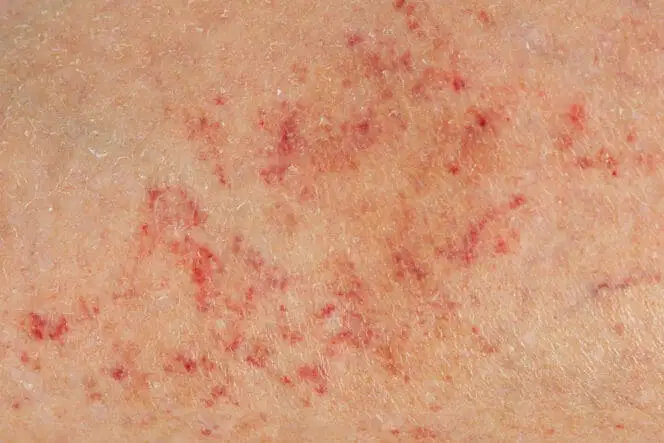
Petechiae and bleeding from gums.
Anemia of acute blood loss
Sickle cell anemia
Antiphospholipid syndrome
Immune Thrombocytopenic Purpura (ITP)
Most common anemia worldwide
Anemia of acute blood loss
Sickle cell anemia
Iron-deficiency anemia
Pernicious anemia
Patient presents with pallor, fatigue, shortness of breath, dizziness, and has desire to eat non-food items (pica).
Anemia of acute blood loss
Sickle cell anemia
Iron-deficiency anemia
Pernicious anemia
Usual signs and symptoms of anemia include (select ALL that apply)
Pallor
Fatigue
Dizziness
Hypertension
Easy bruising
Vaso-occlusive crisis including severe pain in multiple sites due to tissue hypoxia in various body organs
Sickle cell anemia
Immune thrombocytopenic purpura
Myocardial infarction
Erythroblastosis Fetalis
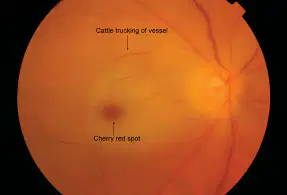
Signs and symptoms include lethargy, cognitive impairment, and characteristic “cherry red spot” on the retina.
Genetic disorder that usually results in death before the age of 3.
Genetic condition that causes chronic cough, upper respiratory infections, and GI disturbances.
Sickle Cell Anemia
Down Syndrome
Tay-Sachs Disease
Cystic Fibrosis
Genetic disorder with signs and symptoms that include lack of control of movements (chorea), cognitive decline, depression, and dementia.
Cystic Fibrosis
Tay-Sachs Disease
Down Syndrome
Initially presents with "lockjaw" and then generalized muscle spasms with uncontrollable, rigid arching of the back may occur.
Shingles
Walking pneumonia
Chickenpox
Tetanus
Presence of Reed-Sternberg cells in a biopsy sample
Non-Hodgkin's Lymphoma
Hodgkin's Lymphoma
Chronic Lymphocytic Leukemia
Acute Lymphocytic Leukemia
Match the symptom with the most likely disease/disorder
Butterfly rash over cheeks and nose
Systemic Lupus Erythematosus (SLE)
Jugular vein distension (JVD)
Right-side heart failure
Pica
Iron-deficiency anemia
Paroxysmal nocturnal dyspnea (PND)
Left-side heart failure
Petechiae
Immune Thrombocytopenic Purpura (ITP)
Match the symptom with the most likely disease/disorder
Decreased consciousness
Anemia of acute blood loss
Lockjaw
Tetanus
Chorea (uncontrollable dance-like movements)
Huntington's Disease
Urticaria
Type I hypersensitivity (allergies)
Haemophilus Influenzae infection
Meningitis
Match the symptom with the most likely disease/disorder
Peripheral edema, especially in the legs and feet
Right-side heart failure
Chest pain that is managed with medication
Angina pectoris
Sudden onset chest pain that is indicative of permanent tissue damage
Myocardial infarction
Decreased urinary output
Left-side heart failure
Rhonchi and wheezing on auscultation
Acute bronchitis
Which infectious disease is characterized by painful muscle stiffness and muscle spasms?
Muscle paralysis is a characteristic sign of which infectious disease?
Botulism
Signs and symptoms of this genetic disorder include tremors and involuntary movements that become worse over time, and eventually progress to behavioral changes.
The signs and symptoms of this genetic disorder include progressive deterioration of mental and physical ability in newborns. Life expectancy is 3-5 years of age.
Select all of the diseases that are most commonly caused by bacterial infections
Candidiasis
Community-acquired pneumonia
Malaria
Botulsim
Mononucleosis
Antibiotics are used to treat (a) infections.
Match the terms and definitions
Abnormal connection between two structures
Fistula
White blood cells
Leukocytes
Bacteria that causes tetanus
clostridium tetanus
Something found during a physical or lab test
Sign
The cause of a disease
Etiology
Genetic disorder characterized by increased mucus production in the lungs, which restricts airways and increases risk of respiratory infections.
Sort the phases of wound healing in order
Hemostasis
Inflammation
Proliferation
Wound contracture and remodeling
Increase in white blood cell count; can be as a result of inflammation.
Hemolysis
Leukopenia
Leukocytosis
Hyperleukocytes
Match the cellular adapation with its description
Hypertrophy
Increased cell size
Atrophy
Decreased cell size
Hyperplasia
Increase in cell number
Dysplasia
Abnormal cell growth
Metaplasia
Transformation of one cell type into another
What kind(s) of cellular adaptations increase the risk of cancer? Select ALL correct answers.
Hyperplasia
Dysplasia
Metaplasia
Atrophy
Sort the stages of acute inflammation in order
Vascular permeability
Cellular chemotaxis
Systemic responses
Phase of acute inflammation where inflammatory mediators cause blood vessels to dilate and become more permeable.
Vascular permeability
Cellular chemotaxis
Systemic responses
Phase of acute inflammation where chemical signals attract platelets and other white blood cells to the site of injury
Vascular permeability
Cellular chemotaxis
Systemic responses
Phase of acute inflammation involving whole-body symptoms, such as fever, pain, and swollen lymph nodes.
Vascular permeability
Cellular chemotaxis
Systemic responses

A labratory-produced image that is used to diagnose chromosomal abnormalities.
Chromosomal microarray analysis
PCR
Chromatography
Karyotype
This cellular adaptation often occurs in response to repeated environmental stressors, such as toxins.
Hypertrophy
Atrophy
Metaplasia
Hyperplasia
Cellular adaptation in response to decreased metabolic demand, for example because of prolonged bed rest.
Match the pathogen to the infectious disease
Clostridium tetani
Tetanus
Epstein-Barr Virus
Mononucleosis
Clostridium botulinum
Botulism
Streptococcus pneumoniae
Community-acquired pneumonia
Staphylococcus aureus
MRSA infection
Biopsy finds presences of abnormal cells called Reed-Sternberg cells
Non-Hodgkin's lymphoma
Acute myeloid leukemia
Chronic Lymphocytic Leukemia
Match the cancer to the type of white blood cell that affected
Abnormal B cells (Reed-Sternberg cells)
Hodgkin's Lymphoma
Proliferation of precursor B cells
Chronic Lymphocytic Leukemia
Proliferation of precursor B cells or precursor T cells (lymphoid stem cells)
Acute Lymphoblastic Leukemia
Cancer of T cells, B cells, or NK cells
Non-Hodgkin's Lymphoma
Reed-Sternberg cells are abnormal (a) that are characteristic of (b)
Cancer caused by proliferation of precursor B cells, that do not differentiate into mature B cells.
Patients are often asymptomatic at the time of presentation.
Acute Lymphoblastic Leukemia
Hodgkin's Lymphoma
Chronic Lymphocytic Leukemia
Non-Hodgkin's Lymphoma
Aggressive cancer caused by proliferation of stem cell precursors of T or B cells.
More common in children than adults.
Chronic Lymphocytic Leukemia
Acute Lymphoblastic Leukemia
Hodgkin's Lymphoma
Non-Hodgkin's Lymphoma
Characteristic sign of Systemic Lupus Erythematosus

Bullseye rash

Heberden's nodes

Butterfly rash on face

Jaundice
Match the diesease/disorder to the type of hypersensitivity
Type I hypersensitivity
Allergies
Type II hypersensitivity
Blood transfusion reactions
Type III hypersensitivity
Systemic Lupus Erythematosus
Type IV hypersensitivity
Contact dermatitis
A patient presents with a butterfly rash across the bridge of nose and cheeks, fever, joint pain, and fatigue. What is the most likely diagnosis?
Immunodeficiency characterized by recurrent respiratory infections suchs as bronchitis, sinusitis, and/or pneumonia.
Severe Combined Immunodeficiency Disease
DiGeorge Syndrome
Acquired Immunodeficiency Syndrome
Selective IgA deficiency
A 6-week-old infant presents with a history of many different kinds of infections and failure to thrive.
Severe Combined Immunodeficiency Disease
DiGeorge Syndrome
Acquired Immunodeficiency Syndrome
Selective IgA deficiency
Select ALL of the signs/symptoms that are common for all types of anemia
Pallor
Fatigue
Shortness of breath
Dizziness
Easy bruising
A substantial decrease in blood volume, such as after traumatic injury, is most likely to cause what kind of anemia?
Hemolytic anemia
Iron-deficiency anemia
Pernicious anemia
Anemia of acute blood loss
A patient has anemia with extremely low blood pressure. What is the most likely diagnosis?
Hemolytic anemia
Iron-deficiency anemia
Pernicious anemia
Anemia of acute blood loss
Signs and symptoms of this type of anemia can include hair loss, ice eating, cheilitis (red, chapped corners of the mouth), glossitis (inflammation of the tongue), and spoon-shaped nails
Vitamin C-deficiency anemia
Calcium-deficiency anemia
Iron-deficiency anemia
Zinc-deficiency anemia
This sign can be indicitive of hemolytic anemia
Ice eating
Butterfly rash
Which is an example of a hemolytic anemia?
Anemia of acute blood loss
Iron-deficiency anemia
Erythroblastosis Fetalis
Pernicious anemia
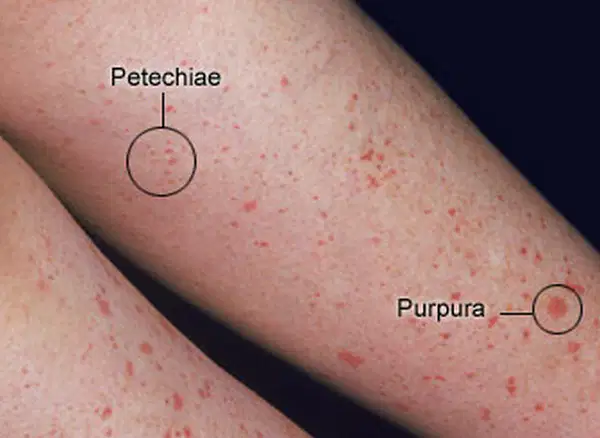
Sudden onset of petechiae and purpura, usually following a viral infection.
Hemolytic uremic syndrome (HUS)
Thrombotic thrombocytopenic purpura (TTP)
Disseminated intravascular coagulation (DIC)
All of these are signs/symptoms of myocardial infarciton.
Match the terms to the definitions.
Diaphoresis
Sweating
Dyspnea
Shortness of breath
Levine's Sign
Clenching fist over chest
Pallor
Pale appearance
A patient presents with dyspnea, extreme anxiety, diaphoresis, and radiating chest pain. What is the most likely diagnosis?
Heart failure
Pneumothorax
Necrotic death of tissue due to inadequate blood supply
Ischemia
Infarction
Select all of the signs/symptoms that are indicitive of myocardial infarction
Levine's sign
Diaphoresis
Absence of breath sounds on one side
Weak pulses
Persistant cough
Absence of breath sounds on ausculation is a sign of...
COPD
Bronchitis
Asthma
Pneumothorax
Signs and symptoms include localized lymphadenopathy (swollen lymph nodes), wheezing, and persistant cough with clear, yellow, or green sputum.
Asthma
Acute bronchitis
Pneumonia
Pleural effusion
Accumulation of fluid in the peritoneal space
Elevated levels of Cardiac Troponin I (cTnI) in the blood.
Myocardial infarction
Atrial fibrilation
Infective endocarditis
Hypertrophic cardiomyopathy
(a) is an abnormal or irregular heartbeat.
Examples include (b) , which is the lack of coordinated atrial contractions,
and (c) , which is a life-threatening quivering of the ventricles.
Chest pain that worsens with excercise, but is relieved by rest and mediacations.
Heart failure
What are the three components of Virchow's triad?
Patients are prescribed anticoagulants after orthopedic surgery to avoid this potential complication.
Deep vein thrombosis (DVT)
Crackles in the lungs upon auscultation are most indicative of what disease or disorder involving the heart?
Endocarditis
Unstable Angina
Right Ventricular Heart Failure
Left Ventricular Heart failure
Signs or symptoms of heart failure due to increased hydrostatic pressure and edema
Backwards effects
Forwards effects
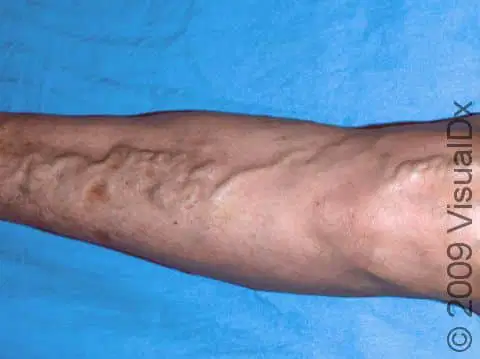
Twisted, enlarged veins at the skin's surface
Varicosity
Atherosclerosis
What are the lab assays PT (prothrombin time) and aPTT (activated partial thromboplastin time) used to assess?
Blood clotting
Plasma lipid levels
Electrical activity of the heart
Blood pressure in the legs compared to the arms
What disorder could be treated with oral ferrous sulfate?
Hodgkin's lymphoma
Anemia of acute blood loss
Iron-deficiency anemia
Unstable angina
Match the blood disorder with the description
Decreased hemoglobin concentration
Anemia
Decreased number of platelets
Thrombocytopenia
Blood clot, often in the legs
Deep vein thrombosis
Prolonged prothrombin time (PT)
Coagulation factor deficiency

