
 Worksheets
Unit 5 Food for All
Total questions: 131
Worksheet time: 2hrs 14mins

What would happen to the bird if the green fish died out?
the bird population would grow
the bird population would die out
the smaller fish will die out
What is the bottom layer of the an energy pyramid?
producer
tertiary consumer
Secondary consumer
primary consumer
All tertiary consumers are scavengers
true
false
What would happen if their were no producers?
Every population would grow larger
Everything would die out
The animals would make their own food


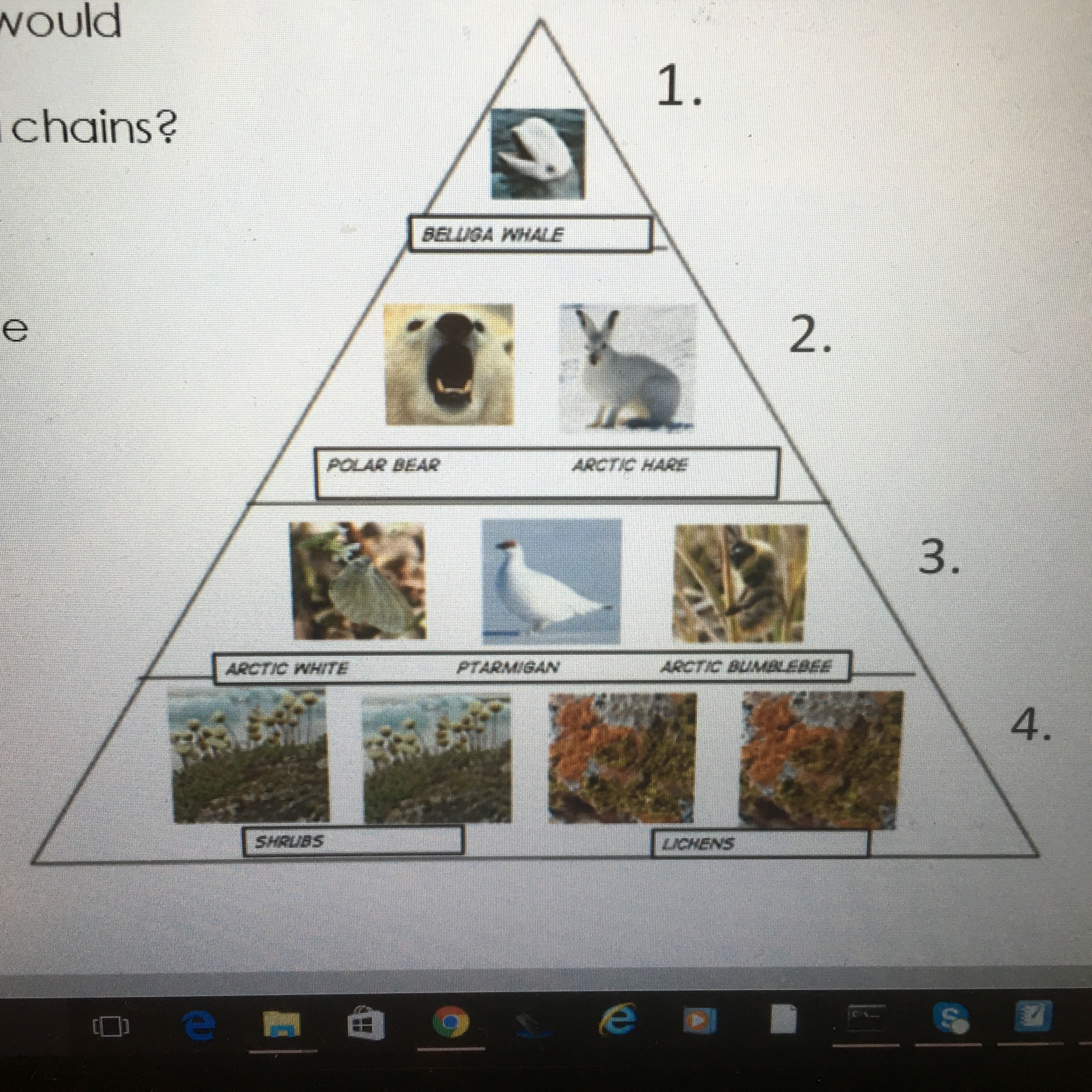


Mice eat seeds, nuts and berries they belong in which TROPHIC level on an energy pyramid?
Level 1: Producers
Level 2: Primary consumers
Level 3: Secondary consumers
Level 4: Tertiary consumers
Giraffes have long necks that help them reach leaves high up in trees. They get all the energy they need from plants such as this. What type of consumer are giraffes.
carnivore
omnivore
herbivore
decomposer
Mushrooms often grow around dead plants such as decomposing trees. They break down these dead organisms and put energy that stores in the plant back into the ground for other plants to use. What type of consumer are mushrooms?
carnivore
omnivore
herbivore
decomposer

Put this food chain in the correct order
Grass
Grasshopper
Shrew
Snake
Mountain Lion
Match each organism with the correct trophic level
Producer
Grass
Primary Consumer
Squirrel
Secondary Consumer
Insect Eating Bird
Apex Predator
Mountain Lion
Decomposer
Bacteria


What is a food chain?
The flow of energy from one thing to another
The way animals eat each other
The way the sun makes everything
How the plants grow

*Remember Humans are on the top of all food chains because we do not get hunted.
What do plants need to make their own food?
Sun, Water, and Animals
Sun, Coke, and Soil
Sun, Water, and Soil
Nothing at all
An example of a predator:
shark
mouse
rabbit


Food webs show you everything an animal eats. Food chains show you one thing.

The scientific study of interactions among organisms, populations, and communities and their interactions with their environment.
Population
Ecology
Succession
Biosphere
Abiotic can be defined as?
An organism that is alive
Non-living parts of the environment
Living Parts of the environment
A new kind of Pokemon that lives with Pikachu
Biotic can be defined as
the living parts of an environment
non-living parts of an environment
rocks and water
snakes and water
Temperature is a _________factor
Biotic
Abiotic
living
cool
Soil is an example of a
Biotic factor
Abiotic factor
competition
herbivorous
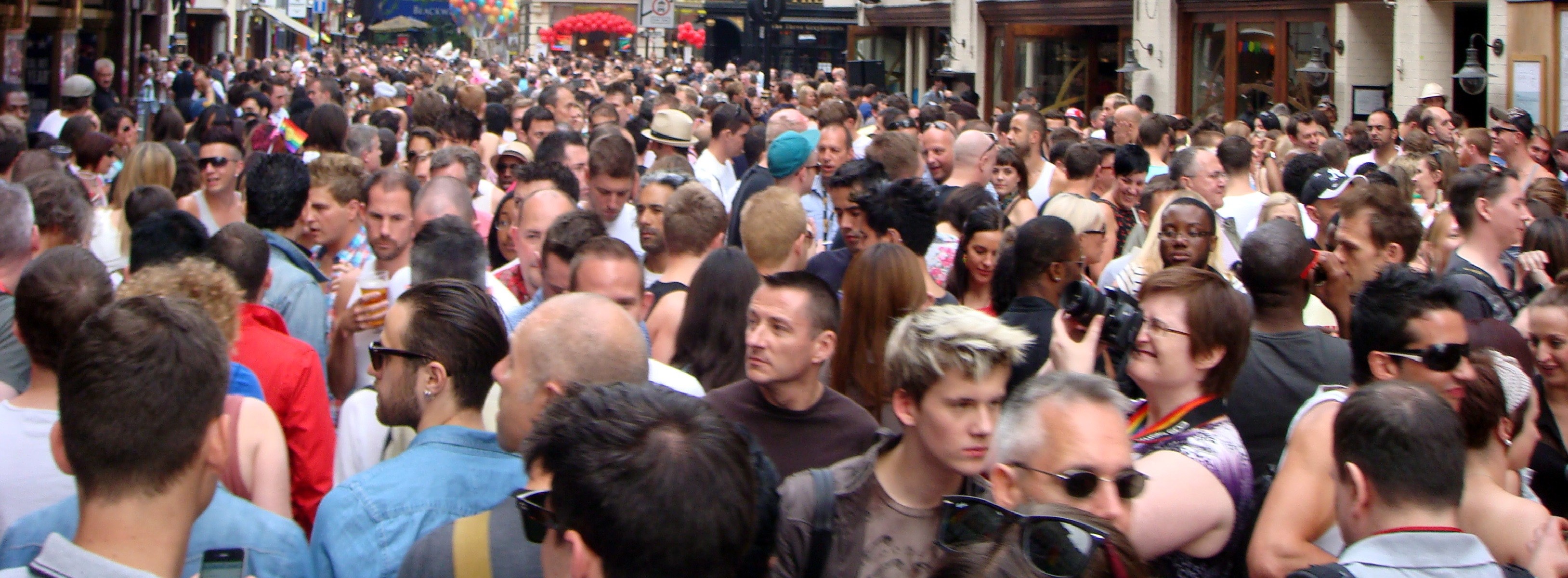
All living things or organisms in an ecosystem are
None
biotic factors
abiotic factors
Which of the following is NOT a biotic factor?
Coyote
air
elephant

Is a rain an abiotic or biotic factor?
abiotic
biotic

Primary succession

pioneer species

abiotic factor

secondary sucession

climax community
___ are the first organisms to colonize an area and begin the process of ecological succession.
foundational organisms
introductory organisms
primary organisms
pioneer species
Primary succession occurs in an area that has:
Has Soil
Has No Soil
Has Some Soil
none of these
What is the main difference between primary and secondary ecological succession?
Primary begins WITHOUT soil; Secondary begins WITH soil
Primary is the first state and secondary is the second stage
Primary builds plant community; secondary builds animal community.
Primary begins WITH soil; Secondary begins WITHOUT soil


After a volcanic eruption, volcanic rock is present (but no soil). Which of the following states the most likely order of succession that would be seen?
Lichens → Shrubs → Grasses → Trees
Lichens → tree → shrubs→Grasses
Grasses → Lichens → Shrubs → Trees
Lichens → Grasses → Shrubs → Trees

Primary or secondary ecological succession?


Which of the following appears last?
Grass
Bushes
Softwoods (conifers)
Hardwoods (Maple, Oak, etc)
Which experiences the least change over time?
Pioneer Species
Primary Succession
Aquatic Succession
Climax Community
If farmers use a controlled burn to prevent forest fires, what would most likely be the first plants to return?
trees
shrubs
mosses
grasses

What is an example of a disturbance that could bring about secondary succession?
Humans cut down many trees in a small region
A volcanic eruption covers a village in lava.

The illustration shows some of the organisms in an ecosystem.
Which organism is the MOST LIKELY food source for the deer?
mountain lion
plant
hawk
squirrel

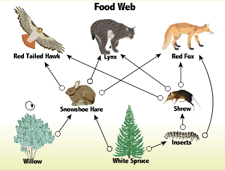
Look at the food web of a pond ecosystem.
Which food chain shows the correct flow of energy in the pond
of the food web?


Look at the picture of the forest.
What prevents the small trees in the forest from growing larger?
Less rain reaches the smaller trees.
Less sunlight reaches the smaller trees.
Less soil reaches the smaller trees.
Less rain, sunlight and soil reaches the smaller trees.

What succession is represented in the photo
Primary Succession
Secondary Succession

Stage IV will persist until it is altered by :
a major change in an abiotic factor
seasonal dieback of vegetation
the reappearance of lichens and mosses
the growth in diameter of the trees

The pyramid illustrates some feeding relationships in alpine meadows of Yellowstone National Park. Which statement is best supported by the information shown in the pyramid?
Chipmunks and insects can occupy the same niche.
As the number of bears in this community increases, the number of chipmunks will increase
Insects are classified as omnivores in alpine meadow communities.
Biomass decreases as energy is transferred from one level to another.
Although three different bird species all inhabit the same type of tree in an area, competition between the birds rarely occurs. The most likely explanation for this lack of competition is that these birds
share food with each other
have different ecological niches
have a limited supply of food
are unable to interbreed
For 25 years, hay was cut from the same 10 acres on a farm. During these years, shrews, grasshoppers, spiders, rabbits, and mice were seen in this hayfield. After the farmer retired, he no longer cut the hay and the field was left unattended. What will most likely occur in the former hayfield over the next few decades?
The plant species will change, but the animal species will remain the same.
The animal species will change, but the plant species will remain the same.
Neither the plant species nor the animal species will change.
Both the plant species and the animal species will change




Which 2 answers are true about stable ecosystems?
Healthy ecosystems have a stable balance between producer and consumer populations.
Stable ecosystems have more consumers than they can support.
Healthy ecosystems have high biodiversity.
Stable ecosystems have too many producers.
Which ecosystem below describes a stable ecosystem?
An invasive species decreased the amount of biodiversity by half
This ecosystem’s deer have increased due the loss of a predator population, now the producer population has decreased by ¼.
This ecosystem suffered a tornado, but due to great biodiversity, it was able to be restored.
This ecosystem is impacted by overfishing, causing 3 fish species to become extinct.
Give some examples of limiting factors
a balance in the ecosystem
food, water, predators, space, disease, etc.
desert, wetland, alpine, forest
plants, animals, fungus
What is a limiting factor?
any factor that helps a living thing grow
the opposite of multiplication
any factor that limits population growth
any factor that makes a population grow
What is a niche?
a stinging insect found in Utah's deserts
a strange smelling marsh
the only mysterious fish that lives in the Great Salt Lake
an organisms specific role in its environment
What is competition?
an interaction between two species where both benefit
an interaction that occurs when two species compete for the same resource
when one animal eats another
a soccer game
What is ecology?
the study of animals
astronaut school
a deadly bacteria
the study of ecosystems

This picture shows a food web in a swamp ecosystem. Which of the following statements explains the effect of biodiversity on the ecosystem if the mosquito population were to disappear from this ecosystem?
Grass carp could still survive on bladderwort and the southern leopard frog could survive on butterflies.
The butterfly orchids would overgrow and choke out the other organisms in the ecosystem.
The southern leopard frog and grass carp would begin to consume the butterfly orchids to survive.
The southern leopard frog, the raccoon, and thus the alligator would disappear from the ecosystem.
Which ecosystem has the greatest biodiversity?


Define species diversity
both the number of different species and individuals of each species in a given area
variation of genes within a species or population in a given area
variety of ecosystems that are in a given area
changes in an ecosystem that affect of the organisms interact with one another
Define ecosystem diversity
variety of ecosystems in a given area
variation of genes within a species or population in a given area
variety of life in Earth's land, freshwater, and marine ecosystems
changes to an ecosystem that affect how the parts of it interact
Define genetic diversity
variation of genes within a species or population in a given area
variety of ecosystems in a given area
system made up of all the living and nonliving things in a given area
disturbance in the environment conditions that cause genetic changes to occur in organisms
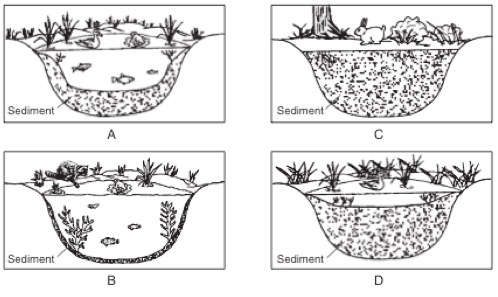
Which of these drawings would be found in a healthy ecosystem?


Which biome/ecosystem will have less diversity?
Grasslands
Hardwood Forest
Desert
Pine Forest

Which shows more biodiversity Image A or Image B. Why?
Image B is more biodiverse, because shows more different species than image A.
Image A is more biodiverse, because shows a greater number of organisms that image B
Both images show the same biodiversity

Which ecosystem is more likely to survive a change in the environment?
One with High biodiversity
One with Low biodiversity


How do biodiversity and stability work together?
The lower the biodiversity the greater the stability of an ecosystem.
The higher the biodiversity, the less stable the ecosystem
The higher the biodiversity, the greater the stability of the ecosystem.
Biodiversity has nothing to do with ecosystem stability.
Why is habitat fragmentation hazardous to animals?
Habitat fragmentation does not pose a threat to animals
Habitat fragmentation causes loss of habitat for many organisms
Habitat fragmentation destroys an entire habitat
Habitat fragmentation kills animals
The loss of a natural habitat is called _______.
moving
wild fire
pollution
habitat destruction
The largest threat to biodiversity is
bacteria
humans
fungi
plants
Different species of plants and animals in an area is _______.
ecosystem
biodiversity
variation
differences
Which threat to biodiversity causes all of the others?
population growth
pollution
habitat destruction
invasive species
What makes a species "invasive"?
species that cannot adapt
making another species leave so that it can move in
moving to a new ecosystem where it does not naturally belong and taking resources from natives
taking up too much space
How does plastic effect sea life?
Plastic has no effect on sea life (neutral)
Plastic provides habitats for sea life (positive)
Plastic is often mistaken for food by sea life (negative)
Pollution causes harm to ...
land
water
air
all of these
What is the main way that invasive species get introduced to a new area?
too much food
human actions
weather events
moving there

Which of the following is NOT a possible result of DECREASING biodiversity?
increased ecosystem stability
extinctions
loss of natural resources
loss of potential foods & medicines
Fishermen have harvested certain fish to the point where the population of that fish is decreasing. This overfishing could cause ...
ecosystems to be improved for future generations
ecosystems to be severely damaged
the restoration of environmental stability
all other fish species to increase in number
Why might an invasive species overrun a native species in an ecosystem?
Its population size is smaller than the native species
It is more energy efficient, so it eats less food
It is a predator of the native species
It often has no natural enemies in that ecosystem
What does the Endangered Species Act do?
It provides food for endangered species.
It protects organisms that are near extinction and their environments
It protects populations of animals from predators
It protects endangered plant species only.

What happens if a population grows past its carrying capacity?
The population keeps growing
The population starts to die off
The entire species will go extinct
The carrying capacity just increases

Something that regulates the size of a population is called...
a limiting measure
a limiting factor
carrying capacity
biodiversity
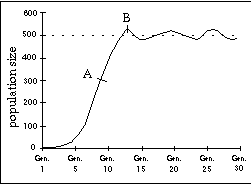
What is the carrying capacity of the graph?
around 500
more than 800
less than 300
around 700
A scientist was studying a population of fish in a pond over a period of 10 years. He observed that the population increased each year for 3 years, and then remained nearly constant for the rest of the study. The best explanation for this observation is that the population had
stopped reproducing
reached carrying capacity
mutated into a different species
run out of food and all died

What is the carrying capacity of the beetle population?
3
5
7
9

During which day did this population reach carrying capacity?
Day 2
Day 11
Day 23
Day 35
Carrying capacity is...
The lowest number of organisms in an ecosystem.
The total number of organisms in an ecosystem.
The maximum number of organisms an ecosystem and its resources can support.
The number of living organisms in an ecosystem.

