
 Worksheets
5.99: REVIEW: QUIZIZZ: EXAM: UNIT 5: GENETICS: 5D 17W S2 24
Total questions: 45
Worksheet time: 23mins
Name
Class
Date
1.
A _____ is a cross between two individuals that are heterozygous at two loci.
a)
Diploid cross
b)
Dihybrid cross
c)
Degenetic cross
d)
Heterozygous cross
2.

Identify the male karyotype.
a)
A
b)
B
3.

Use the KEY to describe the individual with the karyotype shown.
a)
A. a male with three number 21 chromosomes, a condition that results in Down syndrome.
b)
B. a normal male
c)
C. a female with three number 21 chromosomes, a condition that results in Down syndrome.
d)
D. a normal female
4.
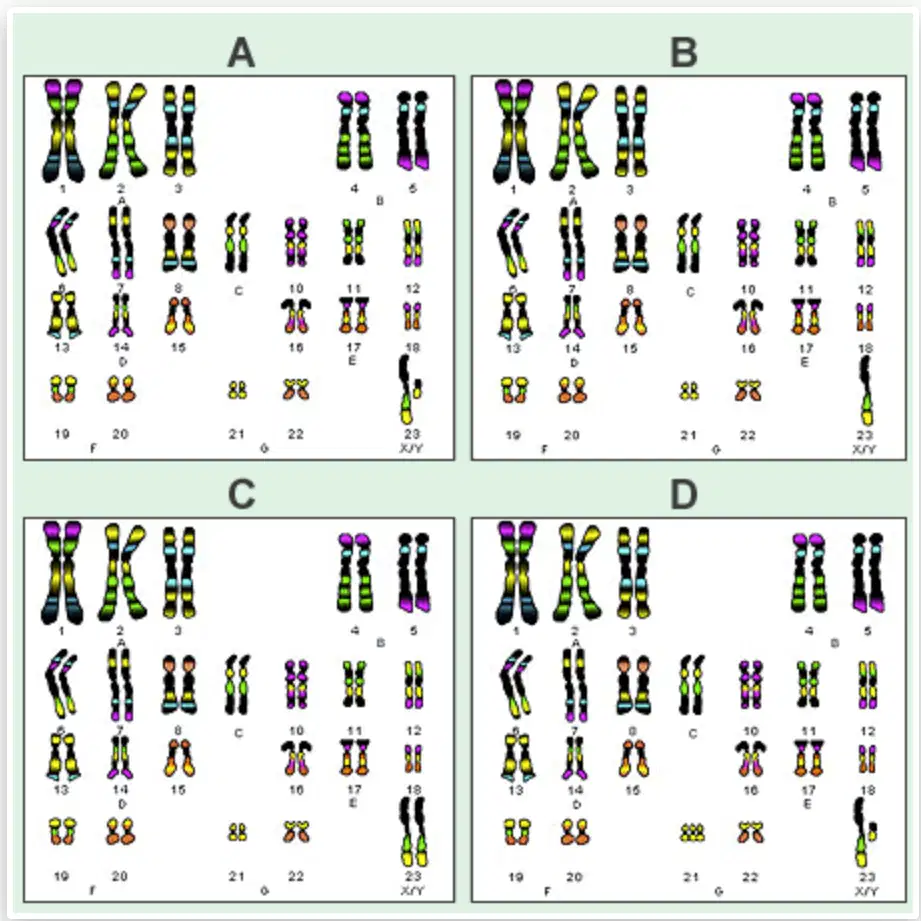
Which of the karyotypes shown is from a normal female?
a)
A
b)
B
c)
C
d)
D
5.
What does the word allele mean?
a)
An allele is a special type of gene.
b)
An allele is an alternative version of a gene.
c)
An allele is a chromosome.
d)
An allele means twins have the same genes.
6.
What did Mendel name the "factors" that are ALWAYS expressed (shown) if passed on?
a)
Homozygous
b)
Heterozygous
c)
Dominant
d)
Recessive
7.
What does homozygous mean?
a)
An organism has two of the same alleles.
b)
Two organisms are the same as each other.
c)
An organism has two of the same chromosomes.
d)
Two organisms have the same genes on a chromosome.
8.
Identify the Homozygous dominant genotype.
a)
Rr
b)
gg
c)
Qq
d)
SS
9.
Identify the Homozygous recessive genotype.
a)
CC
b)
Cc
c)
Ww
d)
ww
10.
Identify the Heterozygous dominant genotype.
a)
Qq
b)
QQ
c)
ff
d)
fF
11.
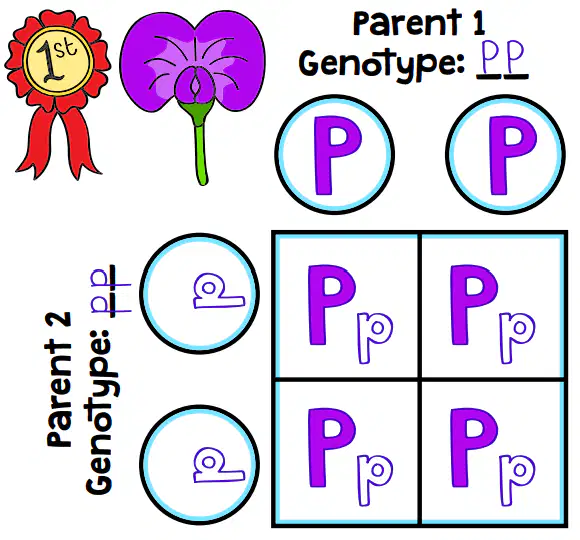
What is the percent that EACH SQUARE of a Punnett Square represents?
a)
10%
b)
25%
c)
50%
d)
75%
12.
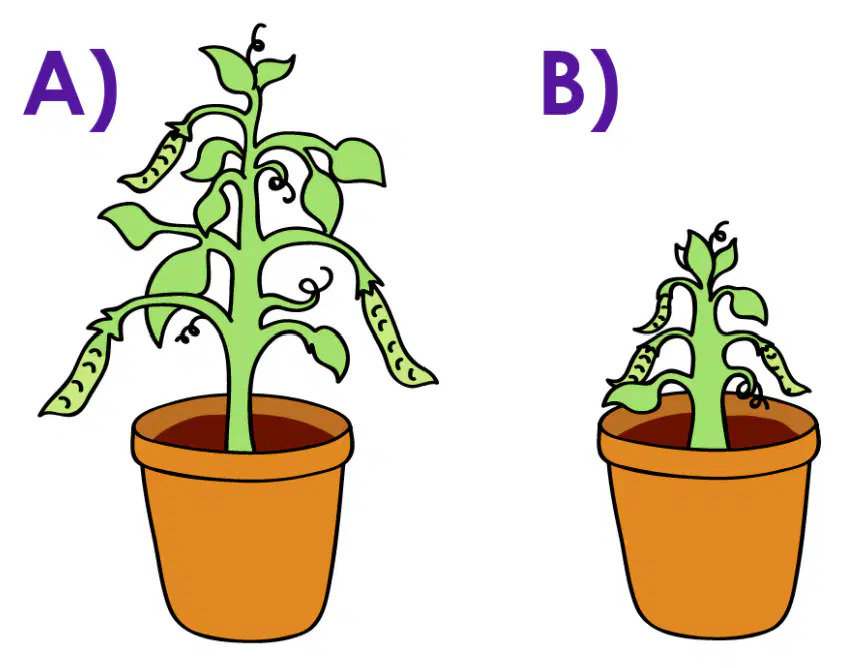
Pea plants can be tall or short. The tall pea plant allele is dominant to the short pea plant allele. Using the letter "T" to represent the alleles, WHAT IS THE GENOTYPE OF PLANT B?
a)
TT
b)
Tt
c)
tt
d)
tT
13.
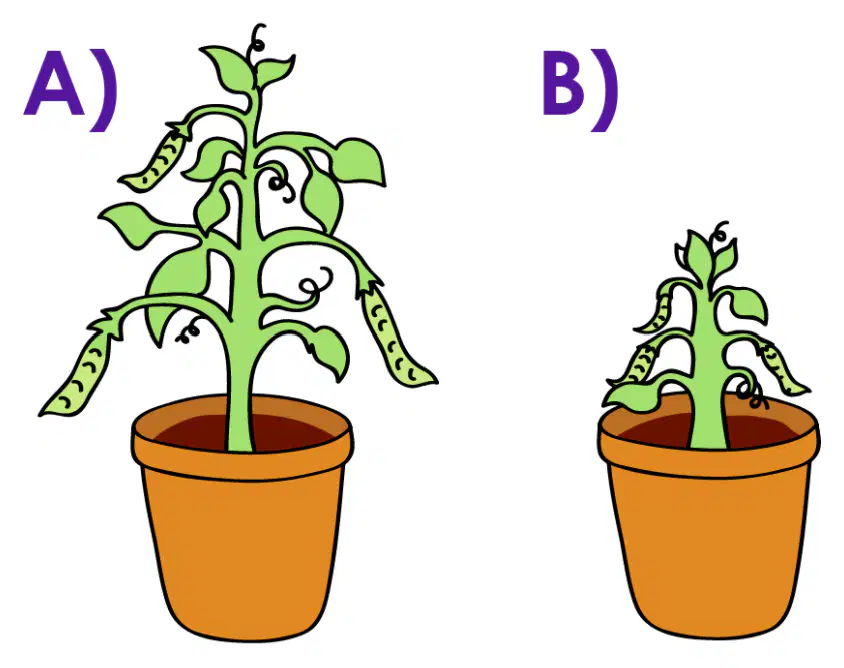
Pea plants can be tall or short. The tall pea plant allele is dominant to the short pea plant allele. Using the letter "T" to represent the alleles, WHAT IS THE GENOTYPE OF PLANT A? SELECT ALL THAT APPLY!!!
a)
TT
b)
Tt
c)
tt
d)
tT
14.
TRUE OR FALSE: In Mendelian Genetics, it only takes one dominant allele to show up in the phenotype.
a)
True
b)
False
15.
What can help to determine a phenotype, or a physical characteristic?
a)
Genotype
b)
Carbohydrate
c)
PTC
d)
Prototype
16.
Determine if the WORD represent a phenotype or a genotype: SPOTTED FUR.
a)
PHENOTYPE
b)
GENOTYPE
17.
Determine if the GENOTYPE AA represent a homozygous dominant (HD), homozygous recessive (HR), or a heterozygous (HET) gene.
a)
HOMOZYGOUS DOMINANT (HD)
b)
HOMOZYGOUS RECESSIVE (HR)
c)
HETEROZYGOUS (HET)
18.
Determine if the GENOTYPE Bb represent a homozygous dominant (HD), homozygous recessive (HR), or a heterozygous (HET) gene.
a)
HOMOZYGOUS DOMINANT (HD)
b)
HOMOZYGOUS RECESSIVE (HR)
c)
HETEROZYGOUS (HET)
19.
On a pedigree chart, biological males are shown with which symbol?
a)
Circle
b)
Square
c)
Triangle
d)
Diamond
20.
On a pedigree chart, a horizontal line between two individuals means...
a)
They are siblings
b)
They are cousins
c)
They reproduced
d)
They share the same trait
21.
An individual that is halfway shaded in is ____ for the trait.
a)
Autosomal dominant
b)
Autosomal recessive
c)
Homozygous
d)
Heterozygous
22.
A pedigree chart that shows males affected more often than females can be identified as...
a)
Autosomal dominant
b)
Autosomal recessive
c)
Sex-linked
d)
Polygenic
23.
Colorblindness is a sex-linked recessive trait. Why are males colorblind more often than females?
a)
They need one copy of the colorblind allele in order to be colorblind.
b)
They need two copies of the colorblind allele in order to be colorblind.
c)
Because it is a trait on the Y chromosome.
d)
Because it is a polygenic trait.
24.
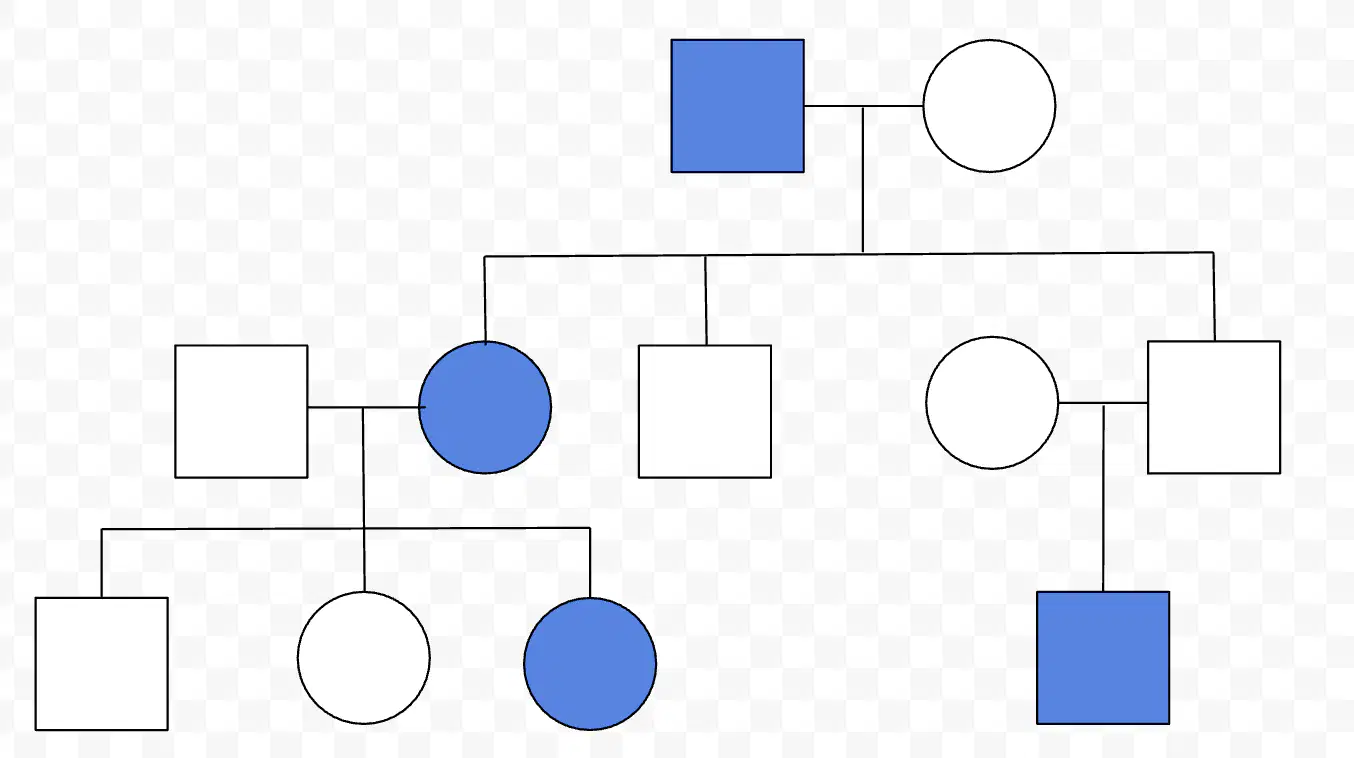
How many generations are shown on the pedigree below?
a)
1
b)
2
c)
3
d)
11
25.

What is the genotype of individual 10 in generation 3?
a)
AA
b)
Aa
c)
aa
d)
AA or Aa
26.
What are pedigrees used for in science?
a)
Discovering the relationships between family members
b)
Working out the ancestry of families
c)
Tracking the inheritance of specific traits in a family
d)
Deciding which dog food is the best for pedigree pets
27.

How many carriers are there in generation 2?
a)
1
b)
2
c)
3
d)
4
28.

Using information from the pedigree, what type of disease is Cystic Fibrosis?
a)
Dominant
b)
Recessive
c)
There isn't enough information to work this out
29.

For Individual IV-1, work out if they are a carrier, unaffected, or if there is not enough information to work it out.
a)
Carrier
b)
Unaffected
c)
Not enough info
30.

For Individual II-3, work out if they are a carrier, unaffected, or if there is not enough information to work it out.
a)
Carrier
b)
Unaffected
c)
Not enough info
31.

Individual II-2 does a genetic test and finds out that they are a carrier of sickle cell anemia. They state that because they are a carrier, their parents MUST both be carriers too. Is this statement true or false?
a)
True
b)
False
32.

Individuals III-1 and III-2 have another child, not shown in the diagram. This child has sickle cell anemia. What does this tell us?
a)
Sickle cell anemia is in fact a dominant disorder
b)
Individual III-1 is a carrier
c)
Individual III-2 has two dominant alleles
d)
Individual III-1 has two recessive alleles
33.
Each parent can only pass on ____________ allele for each gene.
a)
one
b)
two
c)
three
d)
four
34.
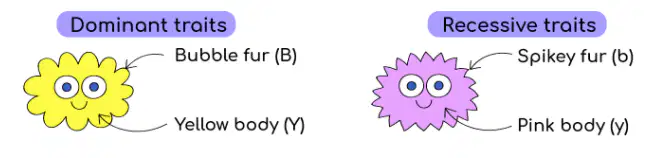
Use the chart below to identify the which of the following has a genotype of bbyy.
a)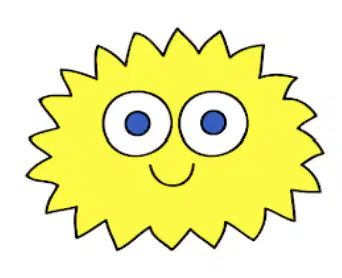
Option 1
b)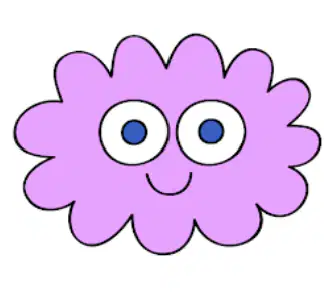
Option 2
c)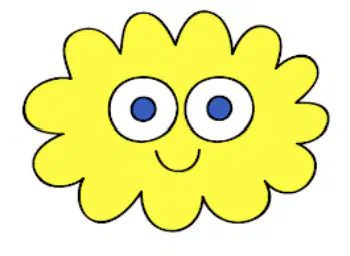
Option 3
d)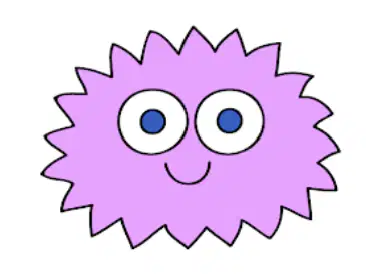
Option 4
35.
Which of the following genotypes is written correctly?
a)
DbbB
b)
wWJj
c)
EeSs
d)
YRyY
36.
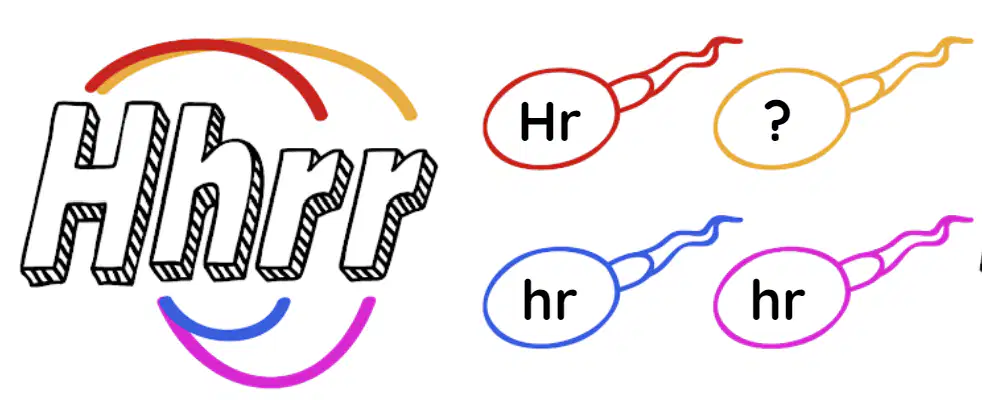
Use the FOIL method to identify the missing genotype in the picture below.
a)
HH
b)
Hr
c)
rr
d)
rH
37.
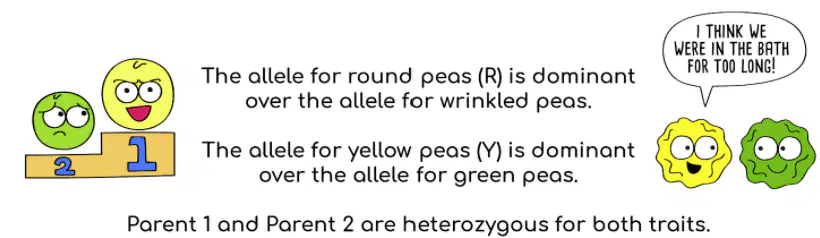
Use the FOIL method to identify the genotype of what parent one would be.
a)
rrYy
b)
RRYY
c)
RrYy
d)
rryy
38.
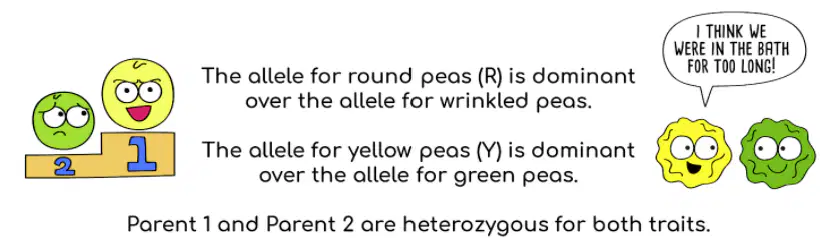
Use the FOIL method to identify the genotype of what parent two would be.
a)
rrYy
b)
RRYY
c)
RrYy
d)
rryy
39.

Identify the missing genotype from the chart below.
a)
rryy
b)
RyYy
c)
RRYY
d)
YYRR
40.
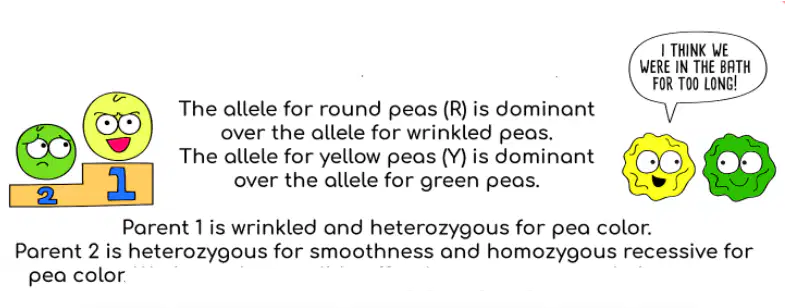
Identify PARENT ONE from the choices below using the data provided.
a)
Option 2
b)
Option 4
c)
Option 1
d)
Option 5
41.
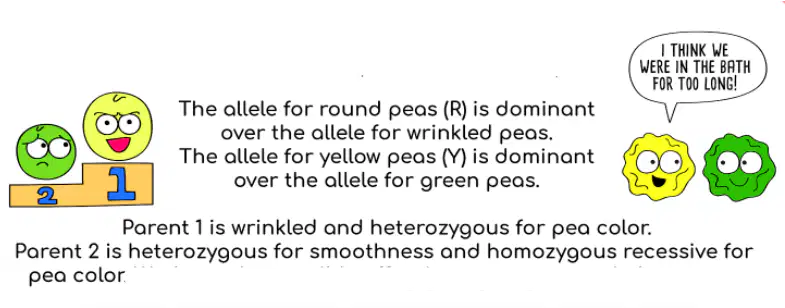
Identify PARENT TWO from the choices below using the data provided.
a)
Option 2
b)
Option 4
c)
Option 3
d)
Option 1
42.
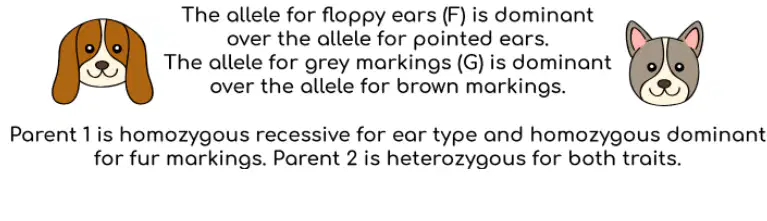
Identify the phenotypical probability of the offspring with gray markings and floppy ears using the data provided.
a)
0/16
b)
1/16
c)
8/16
d)
16/16
43.
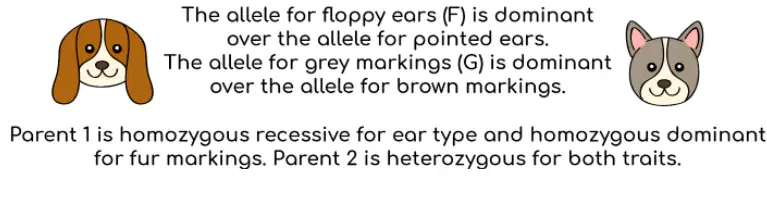
Identify PARENT ONE from the choices below using the data provided
a)
Option 1
b)
Option 2
c)
Option 3
d)
Option 4
44.
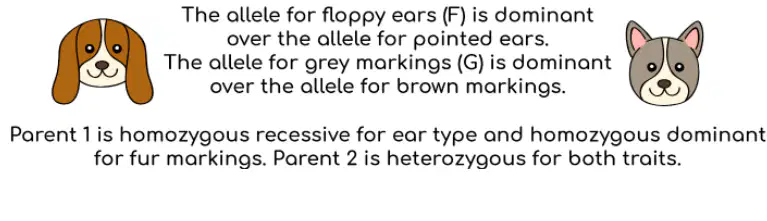
Identify PARENT TWO from the choices below using the data provided
a)
Option 1
b)
Option 2
c)
Option 3
d)
Option 4
45.
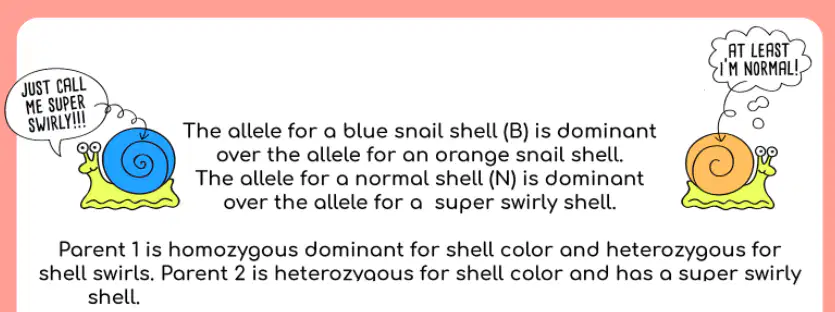
Identify PARENT ONE from the choices below using the data provided.
a)
Option 1
b)
Option 2
c)
Option 3
d)
Option 4
100 %

