
 Worksheets
Biology EOC Category 5
Total questions: 60
Worksheet time: 1hrs 24mins

A
B
C
D

F
G
H
J

F
G
H
J

A
B
C
D

A
B
C
D

F
G
H
J

F
G
H
J

A
B
C
D

F
G
H
J

A
B
C
D

A
B
C
D

A
B
C
D

A
B
C
D

F
G
H
J

A
B
C
D

F
G
H
J

F
G
H
J

F
G
H
J

A
B
C
D

F
G
H
J
Bacteria is known as__________________ in an ecosystem when feeding on dead organisms.
Decomposers
Herbivore
Pathogens
Infections
Fungi and bacteria obtain food by _______________.
making their on food
feeding on other living things, dead or alive
moving from place to place, looking for food.

Which of the following best describes primary succession?
Volcano wipes out ecosystem that gradually grows back from ash covered soil
Volcano creates a new island of rock that must break down to form an ecosystem
Forest fire burns down forest that must bounce back over time
Tornado destroys a crop that must slowly grow back over time.
If farmers use a controlled burn to prevent forest fires, what would most likely be the first plants to return?
trees
shrubs
mosses
grasses
Primary succession occurs in areas with:
very little soil
lots of soil
no soil
soil that has been disturbed

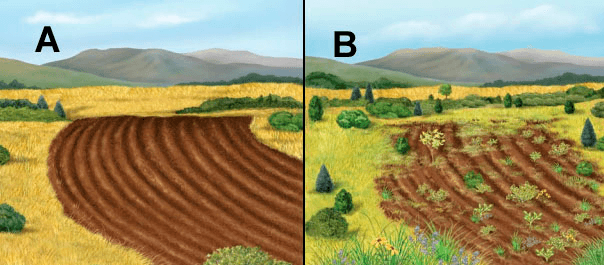
What is an example of a disturbance that could bring about secondary succession?
Humans cut down many trees in a small region
A volcanic eruption covers a village in lava.

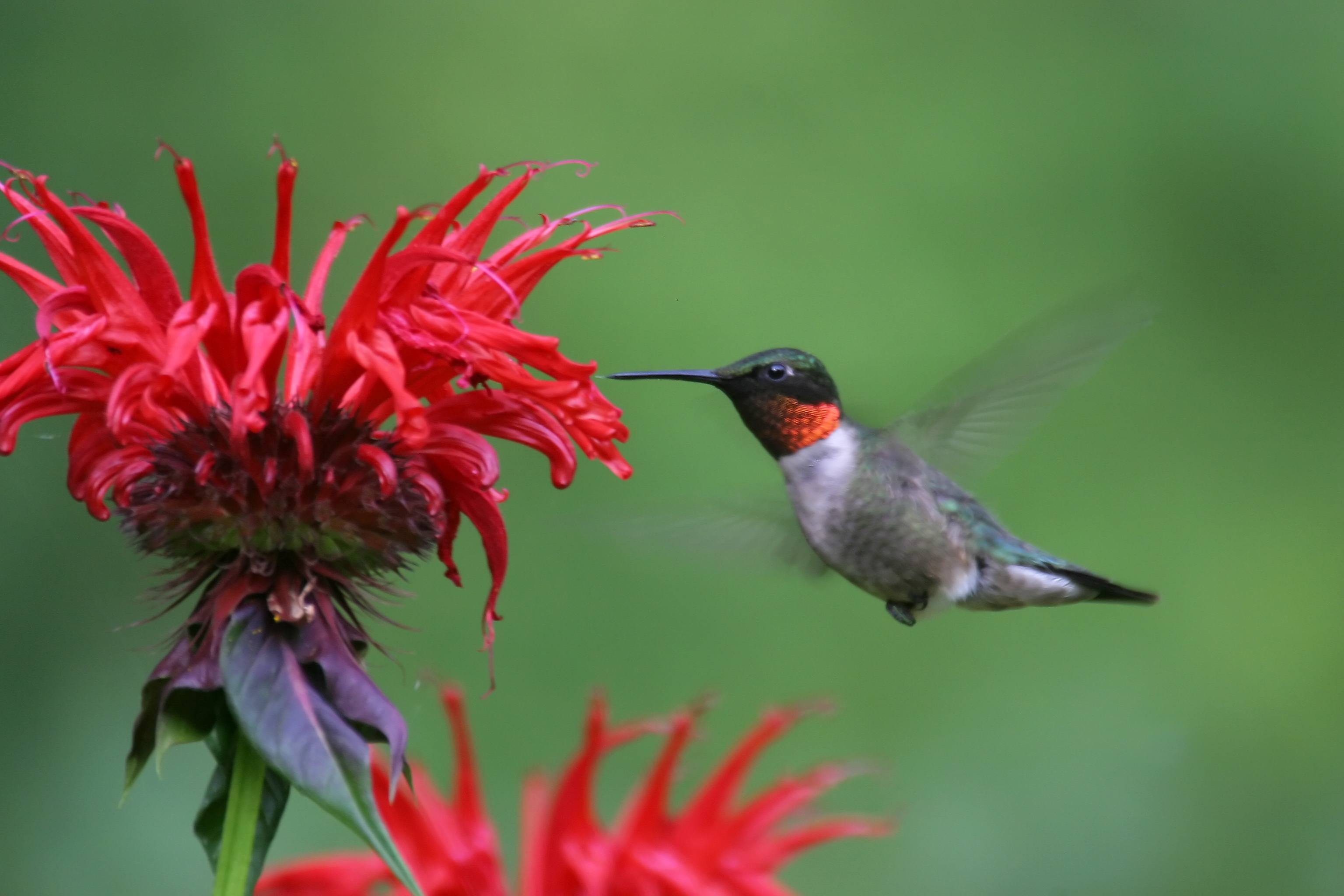
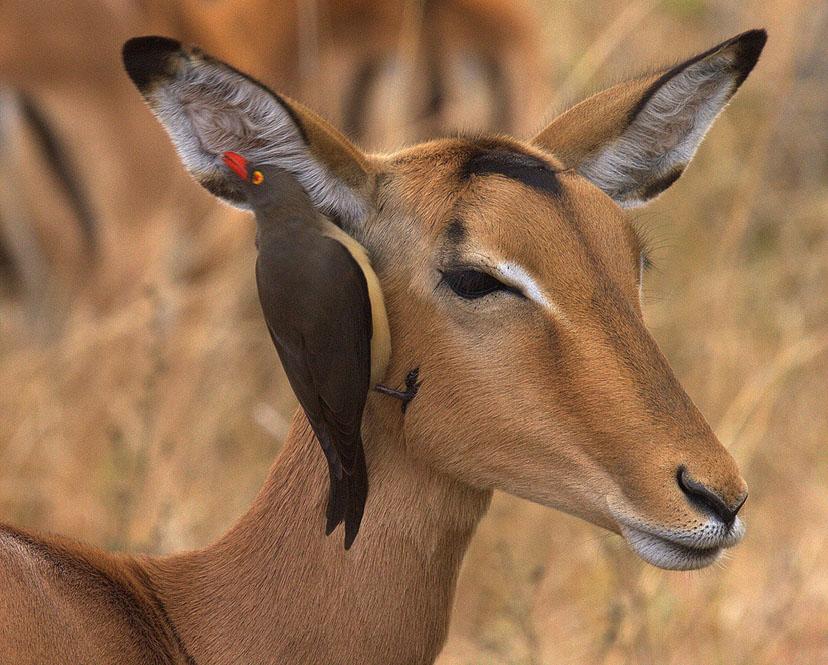
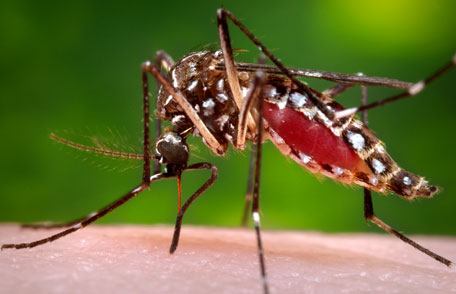

Aphids are tiny insects that live on and eat the leaves of plants, removing vital nutrients from the plants.
Predation
Parasitism
Commensalism
Mutualism
*Hermit crabs find shells left by snails that have died and move in.
* Snails die and leave behind their shells.



flowers with bright colors
sharp thorns
small seeds
deep roots

Which Adaptation helped the frog blend in with the surroundings?
Mimicry
Scent
Hibernation
Camouflage
Which of the following are examples of structural adaptations?
Hibernation
Migration
Eyes
Mating calls
Which of the following examples are of behavioral adaptations?
Migration
Claws
Teeth
Eyes

The diagram is intended to show relationships in an ecosystem. What do the arrows represent?
The direction of population migration
Differences in dietary habits
Progressively smaller organisms
The direction of the energy flow
What is the sun's role in the energy pyramid?
to produce chemical energy for the ecosystem.
to provide radiant energy for producers to convert to chemical energy.
to start the energy flow of the ecosystem.
to provide mechanical energy for producers to convert to chemical energy.

In this energy pyramid, what is the proper name for ANY ORGANISM ABOVE THE PRODUCER LEVEL?
decomposers
consumers
producers
omnivores

The diagram represents different levels of a marine food pyramid. Between which two levels is the greatest amount of energy transferred?
3 and 4
all equal amounts of energy being transferred
2 and 3
1 and 2

Which organism in figure 1 contains the most available energy?
plants
hawks and owls
spiders
foxes

The diagram represents a model of a food pyramid. Which statement best describes what happens in this food pyramid?
More organisms die at higher levels than at lower levels, resulting in less mass at higher levels.
When organisms die at higher levels, their remains sink to lower levels, increasing the mass of lower levels.
Energy is lost to the environment at each level, so less mass can be supported at each higher level.
Organisms decay at each level, and thus less mass can be supported at higher levels

In the energy pyramid below, which organism has the least amount of energy available?
primary carnivore
top carnivore
producers
herbivores
Which organisms play the largest role in converting nitrogen into various usable forms and back to a gas form?
rabbits
bacteria
plants
worms
Which is a true statement about the Nitrogen Cycle?
The burning of fossil fuels has no effect on the Nitrogen Cycle
Bacteria are responsible for converting Nitrogen into a form that can be used by plants
Nitrogen is not a very important element to living organisms
Nitrogen fixing takes place during photosynthesis
Which of the following is correct about the carbon cycle?
Photosynthesis of plant life is one of the main producers of CO2
Burning fossil fuels decreases atmospheric CO2
Glucose is a form of carbon storage in plants
Cellular respiration is a process that decreases CO2

