wayground logo

Free Printable Worksheets

Font size

S
M
L
XL
Worksheets

3rd Grade Cumulative Quiz

Total questions: 120

Worksheet time: 2hrs 45mins

Name
Class
Date
1.

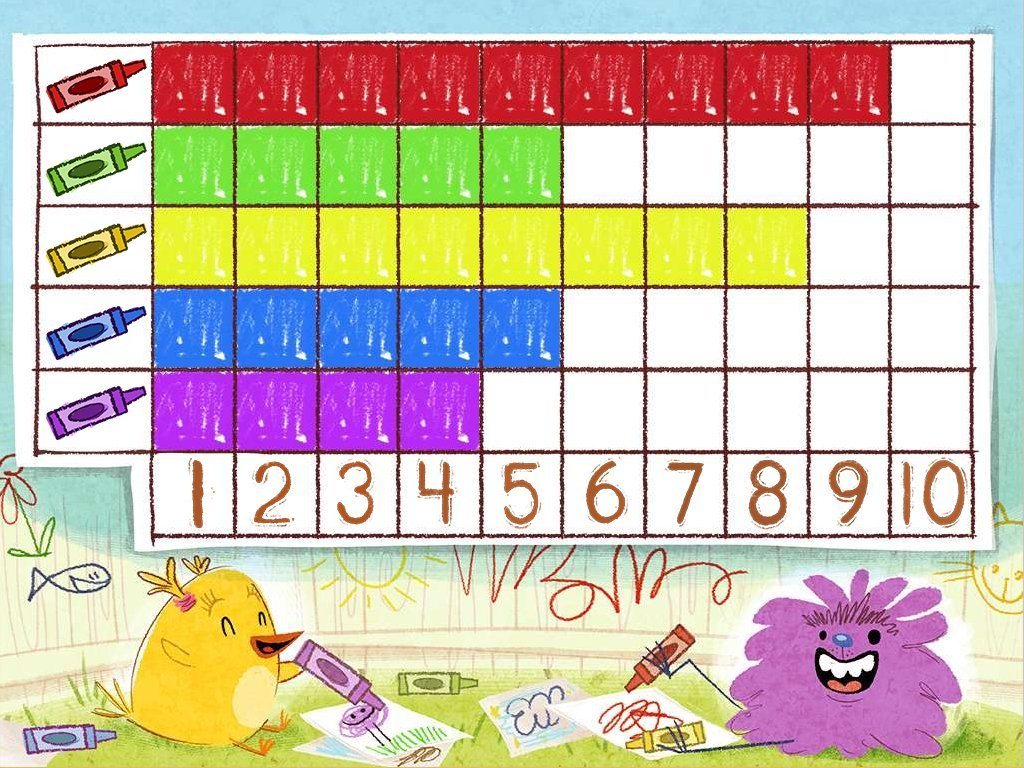
Why is it important to label the axes on a bar graph or line graph?

a)

To show the title of the graph

b)

To indicate the type of data being represented

c)

To provide a scale for the data

d)

Both B and C are correct

2.

How many people picked apples?

a)

4

b)

5

c)

6

3.

How many more ants are there than ladybugs?

a)

4

b)

5

c)

6

d)

7

4.

How many pieces of banana were there?

a)

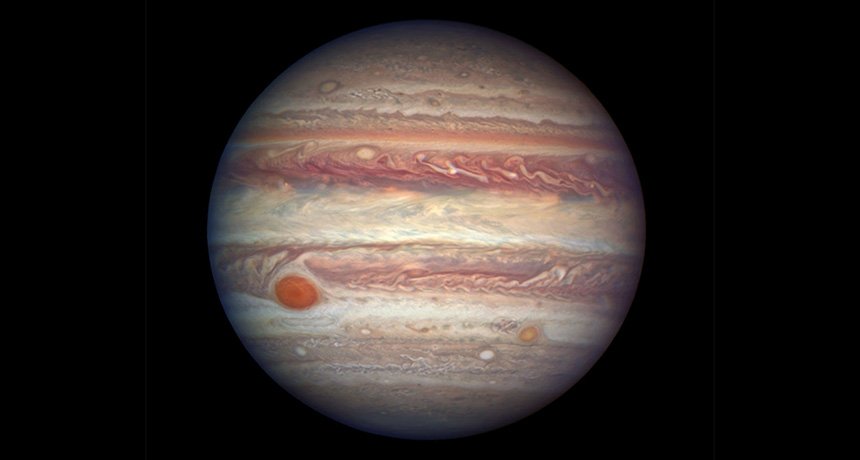
9 pieces

b)

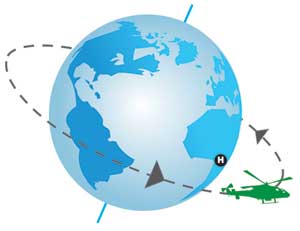
8 pieces

c)

7 pieces

d)

6 pieces

5.

Which flavor had exactly 5 pieces in the bag?

a)

Banana

b)

Strawberry

c)

Orange

d)

Watermelon

6.

What is the combined number of strawberry and watermelon pieces?

a)

5

b)

4

c)

18

d)

8

7.

Which teacher assigns the most homework on Wednesdays?

a)

Mrs. Williams

b)

Ms. Jones

c)

Ms. Smith

d)

Mrs. Brown

8.
How many people voted for red as their favorite color?
a)
100
b)
2
c)
4
d)
9
9.

Temperature is______________

a)

the energy of moving molecules.

b)

a measure of how fast molecules are moving.

10.
What tool do we use to measure temperature?
a)
Thermometer
b)
Ruler
c)
Balance
d)
Magnifying Glass
11.

Freezing point is...

a)

32 degrees Fahrenheit

b)

0 degrees Celsius

c)

all of the above

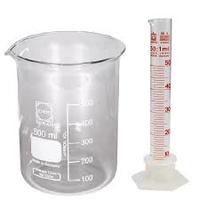
12.
Boiling Point is...
a)
212 degrees Fahrenheit
b)
100 degrees Celsius
c)
Both
13.

What is the temperature on the thermometer?

a)

56° F

b)

57° F

c)

58° F

d)

59° F

14.

What is the temperature of the thermometer?

a)

65° F

b)

66° F

c)

67° F

d)

68° F

15.

What is the temperature of the thermometer?

a)

31° F

b)

32° F

c)

33° F

d)

34° F

16.
The process by which small pieces of rocks and soil are carried away to new locations is called...
a)
deposition
b)
erosion
c)
weathering
d)
faults
17.
What caused this rock to break apart?
a)
ice
b)

roots

c)
wind
d)
rain
18.
Wind blowing sand from one location to another
a)
Weathering
b)
Erosion
c)
Deposition
19.
What was sand before it was broken down?
a)
soil
b)
rock
c)
water
d)
cement
20.

Water getting into cracks, freezing, and breaking the rocks or pavement apart.

a)

Weathering

b)

Erosion

c)

Deposition

21.
What made this landform known as a valley?
a)
Glacier
b)
hill
c)
deposition
d)
rocks
22.
What caused this canyon to form over many years?
a)
Water
b)
Deposition
c)
valley
d)
Plants
23.

A physical change occurs when matter changes size, shape, or form.

a)

physical

b)

chemical

24.

A chemical change occurs when a new substance forms

a)

physical

b)

chemical

25.

A carton of milk going sour is a

a)

physical change

b)

chemical change

26.

Water freezing into ice is a

a)

physical change

b)

chemical change

27.

A candle burning is a

a)

physical change

b)

chemical change

28.

What is an adaptation?

a)

A special feature that helps animals survive.

b)

The animal's environment.

c)

The way an animal hunts.

d)

Predators eat prey.

29.

The ability to blend into one's surroundings is called...

a)

predator

b)

camouflage

c)

adaptation

d)

prey

30.

Animals that hunt other animals for food are called...

a)

predators

b)

prey

c)

hibernation

d)

speed

31.

Animals that predators hunt are called...

a)

prey

b)

predators

c)

camouflage

d)

adaptation

32.

How do webbed feet help animals survive?

a)

They stay cool in the summer.

b)

They can swim faster.

c)

They can blend in with their surroundings.

d)

They can attack their prey.

33.

How do sharp teeth help animals survive?

a)

Animals can use them to attack their prey.

b)

Animals can run away from danger.

c)

Animals can avoid the cold weather.

d)

Animals can fly away.

34.

How does hibernation help animals survive?

a)

It allows them to fly away from predators.

b)

It allows them to catch prey easily.

c)

It allows them to store fat and stay out of the winter cold.

d)

It allows them to release excess heat.

35.

Why does a giraffe have a long neck?

a)

to keep warm

b)

to reach food high above the ground

c)

to have room to eat more

d)

to catch birds

36.

An octopus can change its color to match its surroundings. What is this behavior called?

a)

camouflage

b)

mimicry

c)

cooperative behavior

d)

estivation

37.

The water cycle starts with the energy from the______

a)

oceans

b)

plants

c)

sun

d)

wind

38.

Evaporation is when _________________________________________________________

a)

water freezes

b)

water changes from a gas to a liquid

c)

water changes from liquid to a gas

d)

plants use the water from the rain

39.

Constant movement of water is called________

a)

water runoff

b)

precipitation

c)

condensation

d)

the water cycle

40.

The water that falls from the clouds is_____

a)

evaporation

b)

  condensation 

c)

transpiration

d)

precipitation 

41.

What happens when the sun heats the earth's water?

a)

it turns to a solid

b)

it turns to a gas

c)

it turns into a liquid

d)

nothing

42.

Puddles that disappear on a hot day is an example of...

a)

transpiration

b)

condensation

c)

evaporation

d)

precipitation

43.

What happens when warm air with water droplets meets cold air and becomes visible?

a)

precipitation

b)

evaporation

c)

transpiration

d)

condensation

44.

What is this an example of?

a)

precipitation

b)

evaporation

c)

transpiration

d)

condensation

45.
What is a planet?
a)
a group of stars that forms a pattern in the sky
b)
a large ball of hot gases that gives off heat and light
c)
a large ball or rock or gas that moves around the sun
d)
a toy aliens play with
46.
Which thing is a huge ball of hot gases that gives off heat and light?
a)
a moon
b)
a planet
c)
a star
d)
a spaceship
47.
What does Earth do when it rotates?
a)
It turns.
b)
It gives off heat.
c)
It moves farther from the sun.
d)
It changes the seasons.
48.

How many days does it take the Earth to revolve around the Sun?

a)

30 days

b)

365 days

c)

100 days

d)

40 days

49.

Revolution means

a)

spin one day

b)

go around one year

c)

path a planet travels on

d)

electricity

50.

Rotation means

a)

spin one day

b)

go around one year

c)

path a planet travels on

d)

electricity

51.

Orbit means...

a)

spin one day

b)

go around one year

c)

path a planet travels on

d)

electricity

52.

The Sun rises in the _______.

a)

East

b)

West

c)

North

d)

South

53.
Sound is caused by....
a)
molecules
b)
vibrations
c)
people
d)
space
54.
___________ is made when something vibrates
a)
light
b)
sound
c)
drum
d)
pounding
55.
High pitch sounds are caused by a ______ vibration
a)
fast 
b)
slow
c)
hard
d)
soft
56.

How long is the paper clip?

a)

3 cm

b)

4cm

c)

5cm

57.

How long is the black line?

a)

7 cm

b)

10 cm

c)

1 cm

d)

2 cm

58.
What is the measurement of this line to the nearest centimeter?
a)
7 centimeters
b)
8 centimeters
c)
10 centimeters
d)
11 centimeters
59.
The length of a pencil
a)
8 inches
b)
8 yards
60.

Why does the moon shine?

a)

it has its own light

b)

it reflects Earth's light

c)

it reflects the Sun's light

61.

How long does it take for the moon to orbit Earth?

a)

24 hours

b)

365 days

c)

28 days

62.

We can't see the moon when it is in which phase?

a)

waning crescent

b)

new moon

c)

waxing gibbous

63.

When does a lunar eclipse happen?

a)

when the sun is hidden by the moon

b)

when the Earth is hidden by the sun

c)

when the full moon passes through Earth's shadow

64.

The moon is a natural

a)

satellite

b)

planet

c)

star

65.
Color, flexibility, texture and shape are examples of 
a)
physical properties
b)
solids 
c)
gases
d)
mixtures 
66.
Which answer makes the sentence true?     Matter is anything that ____________.
a)
reflects light
b)
is burned to make heat
c)
takes up space and has mass
d)
lets electricity move through it
67.
What takes up space and has mass.
a)
states of matter
b)
matter
c)
mixture
d)
mass
68.
When we sort things by small, medium, or large, what property of matter are we using to sort?
a)
color
b)
texture
c)
size
d)
shape
69.
When we sort things by soft, hard, or rough, what property of matter are we using to sort?
a)
color
b)
texture
c)
size
d)
shape
70.
When we sort things by red, blue, green, or yellow, what property of matter are we using to sort?
a)
color
b)
texture
c)
size
d)
shape
71.
What animal would you most likely find in the desert habitat?
a)
Squirrels 
b)
Foxes
c)
Camels
d)
Sharks
72.
A place where plants and animals live and grow is called a ____________. It provides, food, water, shelter, and air.
a)
shelter
b)
tree
c)
habitat
d)
organism
73.
Fish, dolphins, whales, sea turtles, and plants live here. What habitat is this describing?
a)
Stream
b)
Polar Region
c)
Rainforest
d)
Ocean
74.
A habitat with with ice covered land and cold temperatures is called a ___________.
a)
tundra
b)
desert
c)
forest
d)
grassland
75.
A habitat with lots of rainfall and trees that can be found near the equator is called a _____.
a)
forest
b)
desert
c)
rainforest
d)
grassland
76.
A habitat that is very hot and very dry is called a ___________.
a)
savanna
b)
grasslands
c)
tundra
d)
desert
77.
A habitat in a large body of water is called an ____________.
a)
desert
b)
tundra
c)
ocean
d)
rainforest
78.
A habitat where the land is covered with water is called a __________.
a)
ocean
b)
coral reef
c)
tundra
d)
wetlands
79.

What are stars made of?

a)

hot gases

b)

ice

c)

hydraulic gas

d)

dust and clouds

80.

Light travels ____________

a)

in a straight line

b)

in a zig zag line

c)

Everywhere

d)

Front and Back

81.

To increase light energy, the light gets

a)

brighter

b)

dimmer

82.

To decrease light energy, the light gets

a)

brighter

b)

dimmer

83.

What happens when light hits a mirror?

a)

The light bends

b)

The light reflects back

c)

The light goes straight

84.

Light is the brightest when it is ___________ to an object.

a)

Closest

b)

Furthest

85.

Light can travel through liquids, most solids, and gasses.

a)

True

b)

False

86.

Why are shadows created?

a)

Shadows are light monsters.

b)

An object is blocking the light.

c)

Shadows is dark light.

87.

What are some things light can reflect off of?

a)

Lake

b)

Metal Spoon

c)

Clothes

d)

Mirror

88.

How does a light pass through a window?

a)

It bounces back.

b)

It goes straight through to the other side.

c)

It stops at the window.

89.

How does light allow us to see?

a)

Light runs through objects and appears it in our brain.

b)

Light hits an object and bends to a different direction.

c)

Light hits an object and reflects back into our eyes.

90.
What kind of light is sunlight?
a)
White Light
b)
Infrared Light
c)
Yellow Light
d)
Red Light
91.
The colors that you don't see are the colors that are being ___.
a)
reflected
b)
absorbed
c)
refracted
92.
A banana is yellow. What is being reflected to your eyes?
a)
black
b)
white light
c)
green
d)
yellow
93.
A woman is wearing a black coat.  This means that ______ of the colors in her coat are being absorbed.
a)
some
b)
all
c)
a few
d)
two
94.
Why should you not wear black on a hot, sunny day?
a)
Nothing will happen to you.  
b)
Black reflects heat.  You will get cooler.
c)
Black absorbs heat.  You will get really hot. 
d)
You will look sharp in your black outfit.
95.
The grass is green because....
a)
green is being reflected and all other colors are being absorbed.
b)
green is being absorbed and all other colors are being reflected.
c)
mother nature made grass green.
d)
grasshoppers like to hide in the grass.
96.
Changes between states of matter are often which?
a)
chemical changes
b)
physical changes
c)
both
d)
neither
97.
When something burns it is which of these?
a)
chemical change
b)
physical change
c)
d)
98.
The spoiling of milk is an example of which type of change?
a)
physical
b)
chemical
c)
both
d)
neither
99.
Is burning wood a chemical or physical change?
a)
chemical
b)
physical
100.
Is glass breaking a chemical or phyiscal change?
a)
chemical
b)
physical
101.
Is a a rusting bicycle a chemical or physical change?
a)
chemcial
b)
physical
102.
Is melting butter for popcorn a chemical or physical change?
a)
chemical
b)
physical
103.
Is spoiling food a physical or chemical change?
a)
phyiscal
b)
chemical
104.
Baking a cake by mixing flour, sugar, chocolate powder, eggs, and milk, and then heating them in the oven.
a)
Chemical Change
b)
Physical Change
105.
A producer?
a)
Eats other plants and animals
b)
Makes its own food
c)
Eats dead plants or animals
d)
Makes toys for kids
106.
A consumer?
a)
Makes its own food
b)
Eats dead plants and animals
c)
Eats plants and other animals for energy
d)
Buys toys for kids
107.
A decomposer?
a)
Eats dead plants or animals and breaks down to put nutrients in the soil
b)
Eats plants or other animals for food
c)
Makes its own food
d)
Machine that gathers trash
108.
Frog. Is it a....
a)
Producer
b)
Conusmer
c)
Decomposer
109.
Fungi. Is it a...
a)
Producer
b)
Consumer
c)
Decomposer
110.
Pine Tree. Is it a...
a)
Producer
b)
Consumer
c)
Decomposer
111.
A hawk is an example of a
a)
consumer
b)
producer
c)
decomposer
112.
What do we call the air and gasses that surround the earth?
a)
Atmosphere
b)
Troposphere
c)
Mesospherre
d)
Thermosphere
113.

The amount of water vapor in the air is called:

a)

barometer

b)

climate

c)

humidity

d)

cloud

114.

A visible mass of condensed water vapor in the atmosphere is called:

a)

humidity

b)

air pressure

c)

a cloud

d)

climate

115.

___________ gas makes up 78% of the Earth's atmosphere.

a)

Nitrogen

b)

Oxygen

c)

Carbon dioxide

d)

Water vapor

116.

What property do these tools measure?

a)

volume

b)

mass

c)

length

d)

temperature

117.

Volume is _____________.

a)

how much matter in an object

b)

how much something weighs

c)

how much a container can hold

d)

how many atoms

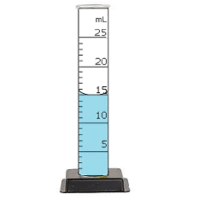
118.

What is this?

a)

measuring tube

b)

test tube

c)

graduated cylinder

d)

pipette

119.

What is the weight of this small block?

a)

1 oz

b)

2 oz

c)

3 oz

d)

4 oz

120.

What would you use to measure the amount of soda in this large bottle of soda?

a)

Grams

b)

Kilograms

c)

Liters

d)

Milliliters