
Font size
 Worksheets
Evolution Unit Review
Total questions: 44
Worksheet time: 41mins
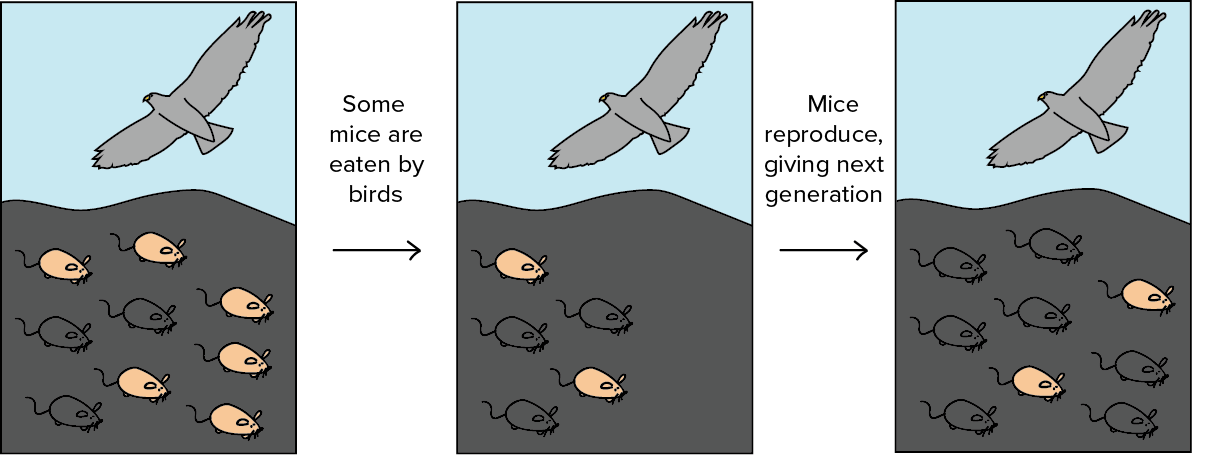
The light mice can reproduce more successfully than the dark mice
The hawks eat more dark mice than light mice because the dark mice taste better
The hawks eat more light mice than dark mice because they can see the light mice more easily
The hawks eat more dark mice than light mice because they can see the dark mice more easily
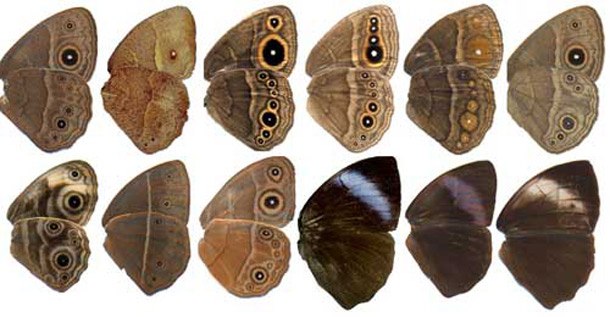
Natural Selection
Variation
Homeostasis
Extinction

Which of the following best describes what the image represents?
Genetic Drift
Migration
Mutation
Natural Selection
Which scientist is considered the father of evolution?
Jean-Baptist Lamarck
Hershey and Chase
Charles Darwin
Carleous Linnaeus
Evolution is the result of a process called ____________
Natural Selection
Artificial Selection
Survival of the Weakest
Supernatural Selection
All the different organisms in a population
A community of organisms.
Organisms of the same kind that can reproduce with one another and create fertile young.
Organisms of different kinds that can reproduce with one another.
Adaptations can be:
camouflage
ability to survive cold weather
hunting skills
all of the above

What is most likely to happen to moth populations in the picture shown?
Light moths--hunted easily, dark moths--population increase
Dark moths--hunted easily, dark moths--population increase
Light moths--hunted easily, light moths--population increase
Lights moths will change their color to match dark moths.

Due to pollution, a pond becomes darker over time. Which trait variation became more common?
light fish
dark fish

In the image, which cricket has the best adaptations and highest fitness for this environment?
Orange cricket
Green cricket
Purple cricket
Yellow cricket
Which thing is NOT true about "Survival of the Fittest"?
The strongest, fastest, smartest, etc. will always survive and reproduce
Organisms that have adaptations for their environment
are the most fit
Species most responsive to change have high evolutionarily fitness
In evolutionary terms, fittest means an organism is best suited to its environment
Reindeer from a rancher in Alaska escape from their pen during an enormous snow storm. After their escape, they mate with wild caribou that are migrating across the land. The offspring of these have traits for short legs and have tame behavior.
Gene Flow
Genetic Drift
Non-Random Mating
Natural Selection
Males of the bighorn sheep species fight one another to show females who is the dominant male and are more likely to mate with females.
Natural Selection
Mutation
Genetic Drift
Non-Random Mating
During a hurricane, a population of beetles almost gets completely wiped out. The only beetles that survived were lucky that they were in their nest at the time of the hurricane and had enough food to survive.
Natural selection
Genetic Drift
Gene Flow
Non-Random Mating
Insects become resistant to pesticides very quickly, sometime in one generation. If an insect is resistant to the chemical, most of the offspring will also be resistant. Considering that insect generations can be a matter of weeks, insects in an area can become immune to a chemical within months.
Mutation
Natural Selection
Genetic Drift
Gene Flow
A chemical spill causes a genetic change in the offspring of ladybugs to have blue dots instead of black dots.
Natural Selection
Genetic Drift
Mutation
Gene Flow
A certain type of plant can produce blue or yellow flowers. During a fire, many yellow flowers are destroyed and now since blue is the dominant trait, the plant reproduces offspring that produce only blue flowers.
Non-Random Mating
Gene Flow
Mutation
Genetic Drift
This is one of the mechanisms of evolution; it is a continuous process in which organisms with traits that make them better-adapted to their environment are more likely to survive and reproduce than organisms without such adaptations
Directional selection
Microevolution
Gene flow / genetic drift
Natural selection
This is the process that ultimately creates new variations and changes in DNA; leads to the creation of new alleles
Mutation
Microevolution
Natural selection
Gene flow / genetic drift
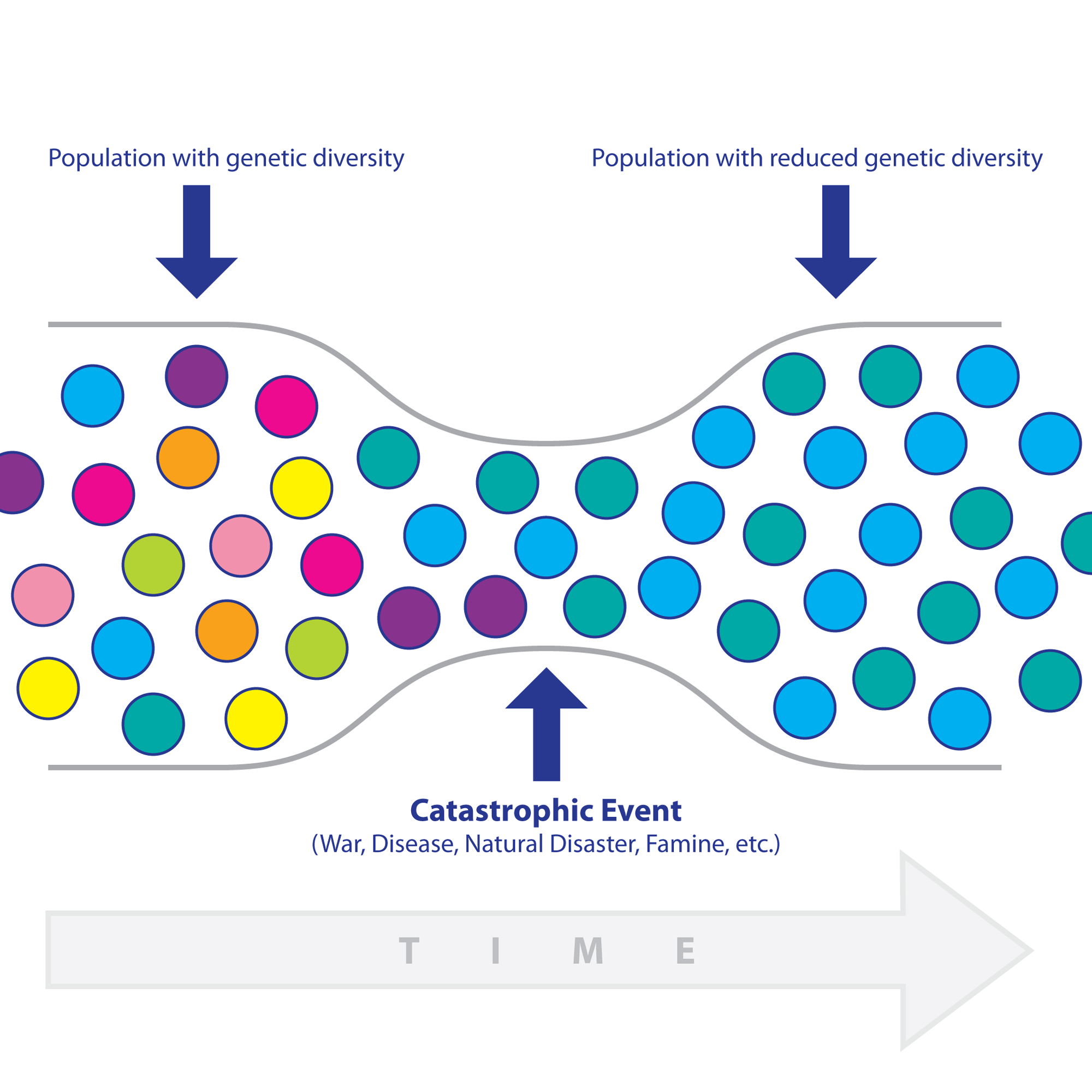
A drastic reduction in the size of a population that can change allele frequencies is called
the bottleneck effect
the founder effect
the gene flow effect
the Thanos effect
The Amish have a higher frequency of polydactyly (extra fingers) in their community than the general population. This is due to the allele for extra fingers being present in the group that started the Amish community.
The difference in allele frequency is due to genetic flow.
The difference in allele frequency is due to the founder effect.
The difference in allele frequency is due to a bottleneck.
The difference in allele frequency is due to speciation.
If you take antibiotics only the resistant bacteria survive and the non-resistant bacteria die. This is an example of...
Resistance
Survival of the fittest
How antibiotics work
behavioral isolation
temporal isolation
gametic isolation
geographic isolation

When the Grand Canyon in Arizona formed, two populations of one squirrel species were separated by the giant canyon. This is an example of _____________.
Temporal isolation
Behavioral isolation
Geographic isolation
Any chance event that causes a change in the gene pool by taking out a large part of a population
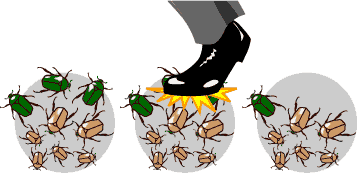
Someone steps on some bugs and randomly removes their alleles from the population. This is an example of
gene flow
genetic drift
speciation
allele frequency
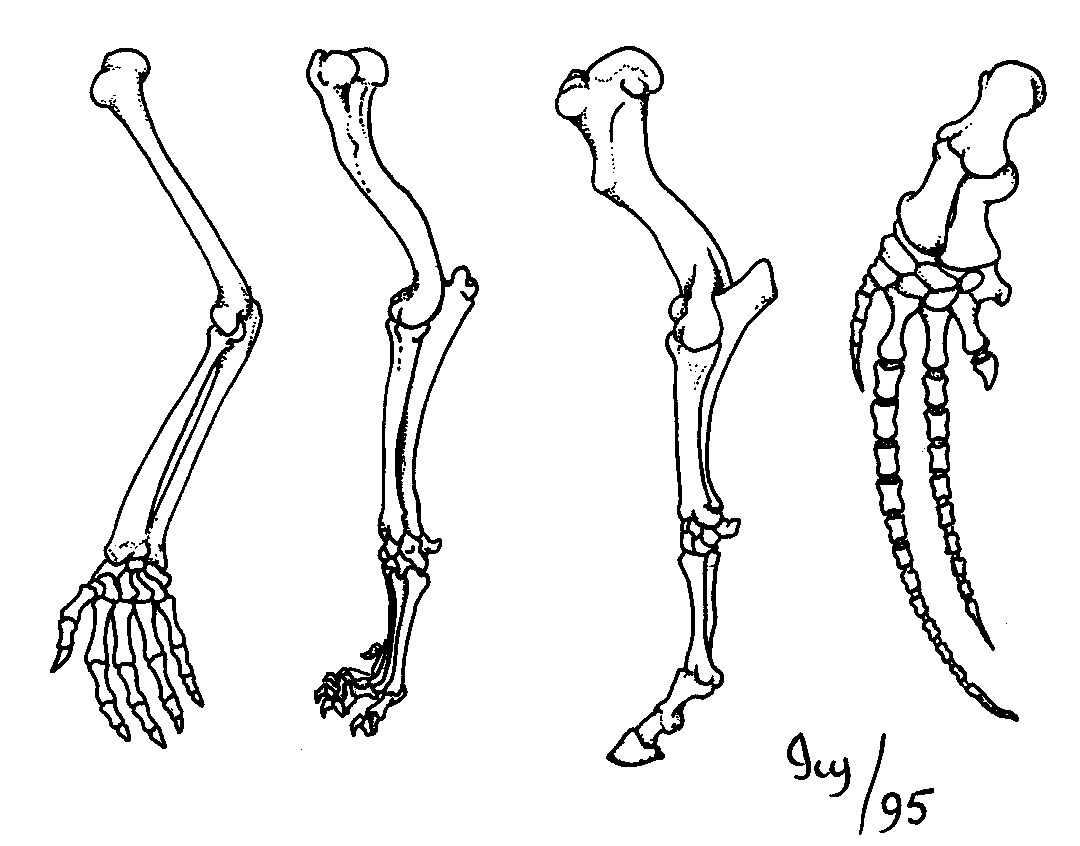


Vestigial structures
structures that perform a similar function but are not similar in origin
remnants of once-important structures that have slowly lost all or most of their function
features found in different organisms that share structural similarities but may have very different functions
preserved remains of an organism
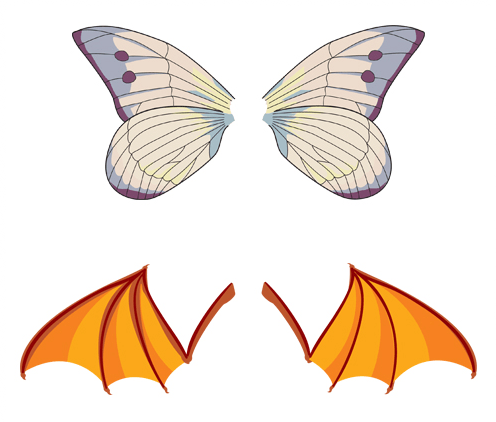
What is this an example of?
Homologous structure
Analogous structure
Vestigial organs
Functional adaption

What best describes the hind leg bones seen in the whale?
The bones are analogous structures to the fins of living fish.
The bones are vestigial structures that had a function in an ancestor.
The bones are homologous structures to the wings of butterflies.
The bones are fossil structures from an extinct ancestor.
Analogous Structure
Same function different structure
Homologous Structure
Same structure different function
Comparative Embryology
Comparing embryological development of different species
Genetic Sequencing
Comparing DNA and amino acid sequences of different species
Vestigial Structures
Structures in the body of an organism that no longer work.

