
 Worksheets
Reviewer EOC 2.4 to 4.1
Total questions: 193
Worksheet time: 3hrs 31mins
How does the process of DNA replication impact mutations in an individual?
All DNA replication stops when there is a mutation, so the mutation won't hurt the individual.
Replication only produces new DNA strands, so the old stand with the mutation is destroyed.
Since replication keeps the old strands as templates, mutations may be carried into future strands.
Mutations are often lost since the cell will die during the replication process if the DNA is mutated.
The table below shows steps for DNA replication. Which step is incorrect?
Step 1 is incorrect because DNA doesn’t unwind in the nucleus, instead it unwinds in the cytoplasm.
Step 2 is incorrect because the complementary base pairs are used as a template and not deleted.
Step 3 is incorrect because the DNA remains unwound to be transcribed into RNA.
Step 4 is incorrect because the resulting DNA molecules are not identical.
What is the most likely effect this could have on genetic information going forward?
There will be no change in the genetic information that gets transmitted because the complementary strand will never be used as a template.
There will not be a change in the genetic information that gets transmitted because the cells having the new section of DNA will correct any mutations.
There will be a change in the genetic information that gets transmitted due to the complementary strand being used as a template in future DNA replication.
There will be a change in the genetic information that gets transmitted because the sections of DNA with mistakes will be passed on to make future generations stronger.
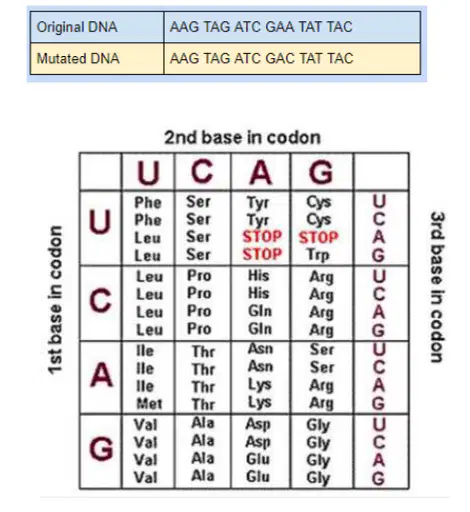
How will this mutation affect the offspring of this puppy?
The mutation will cause a genotypic change in this puppy, but its offspring will not inherit this mutation.
The mutation will not cause a genotypic change in the puppy and its offspring, but will cause a phenotypic change.
The mutation will cause a genotypic and phenotypic change in the puppy, but the offspring are not affected by this mutation.
The mutation will cause a genotypic change in the puppy, but will not cause a phenotypic change in the puppy and its offspring.
Will this mutation affect the protein resulting from this gene sequence?
Yes, because an amino acid change has occurred.
Yes, because all mutations change the resulting protein.
No, because the amino acid sequence has not been changed.
No, because mutations in the DNA do not affect the mRNA sequence.
Which of the following conclusions can be made about the potential effect of genetic mutations on physical characteristics?
If a genetic mutation occurs, then it will cause a physical change in a person.
If a genetic mutation occurs, then it will not cause a physical change in a person.
If the genetic mutation causes a change to the protein sequence, then a person’s physical traits will be affected.
If the genetic mutation causes a change to the protein sequence, then a person’s physical traits will not be affected.
What would the geneticist tell the parents about the appearance of their child based on the DNA sequences provided?
Their child will have blue eyes and brown hair.
Their child will have green eyes and brown hair.
Their child will have hazel eyes and blonde hair.
Their child will have brown eyes and blonde hair.
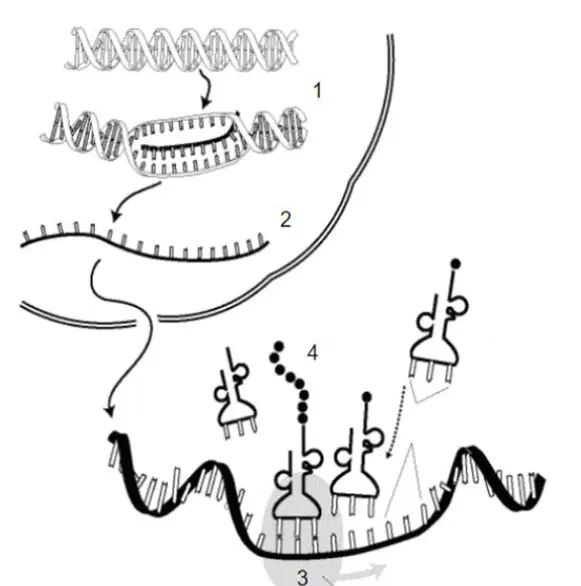
Which student identified the correct step and the result of that process?
Student 1 claims step 1 is DNA replication which produces proteins needed by the organism to grow and develop.
Student 2 claims step 2 is transcription, resulting in a double-stranded RNA needed for translation in the nucleus.
Student 3 claims step 3 is translation which produces the mRNA strand by reading and pairing bases to the DNA template.
Student 4 claims step 4 is the production of an amino acid chain, which will form proteins, resulting in the expression of genes found in DNA.
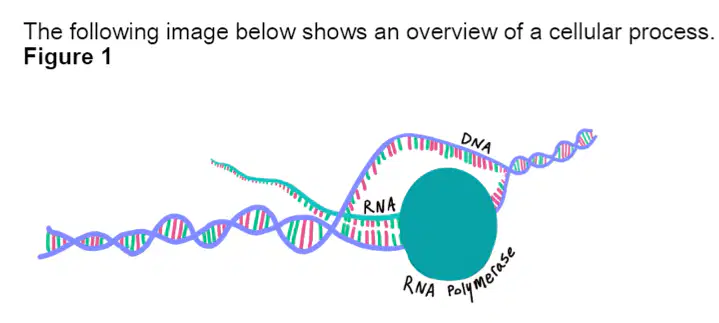
Which statement explains the result of the process shown in Figure 1?
This process generates RNA that can then be translated into proteins that express specific genes.
This process creates mutations in a cell's DNA sequence that leads to an increased variation in the gene pool.
This process uses RNA as a template to assemble different proteins for gene expression for traits for cellular functions.
This process leads to DNA nucleotides being matched with their complementary DNA base pairs to conserve genetic information.
Which statement best explains why DNA evidence can support the theory of evolution?
All living organisms share an identical genetic sequence.
All living organisms hold their genetic information in a nucleus.
All living organisms have genetic similarities due to similar habitats.
All living organisms share the same components in their genetic information.
What is the best explanation of why animal tissues could successfully be used to treat humans?
The organisms contain identical DNA sequences.
There is an increase in genetic mutations in organisms.
The organisms contain similarities in their genetic sequence.
There is an increase in genetic variation between organisms.
Why can this chart be used for all organisms?
All organisms are genetically different.
All organisms have homologous structures.
All organisms share a common genetic code.
All organisms come from a different ancestor.
What would be an ethical concern associated with using an endangered Asian elephant to grow the embryo containing the cloned mammoth DNA?
Changing the DNA of the embryo would cause the mother elephant to mutate, as well causing it harm.
Using an endangered elephant for study could further reduce the ability of the elephants' population to recover.
Introducing a new mammoth species would decrease biodiversity for the already declining elephant population.
The cloned DNA of the mammoth could mix with the DNA of the scientists working on the project, making a new species.
Scientists are working on a program that would allow brain signals to be converted into computer code. This has the potential to allow patients with paralyzing injuries or in a coma to have their thoughts communicated to doctors and loved ones. Which of the following would be directly impacted?
society as a whole
computer programmers
environmental researchers
individuals and their families
Gene therapy is a field of medical research that develops treatments that modifies a person's genes to help treat disease, replace genes that are missing, or turn off genes that are causing problems. This therapy has the potential to prevent, treat, and cure certain inherited disorders, such as cystic fibrosis, hemophilia, sickle cell disease, or cancers. What is an ethical issue that could arise from gene therapy?
Gene therapy will cure all diseases which could increase life span.
Gene therapy will lead to a decrease in the need for medical professionals.
Gene therapy will eliminate the nucleus found within the cells of the human body.
Gene therapy will allow parents to choose the ideal traits they want in their babies.


What is the result of the cell cycle?
Three cells
Four daughter cells
Two identical cells
One clone cell

The G1, S, and G2 are parts of which phase of the cell cycle?
Prophase
Interphase
Telophase
Anaphase
Cells of organisms must go through cell division for?
growth
repair of damaged cells
replacement of dying cells.
All of these
DNA is replicated during ______ of the cell cycle.
Gap 1
Synthesis (S phase)
Gap 2
Gap 0
After mitosis, the cytoplasm and organelles are divided between the two new forming cells in a process called
centriole
chromatin
cytokinesis
centromere
Identical cells formed during cell division are called:
daughter organelles
daughter cycles
daughter nucleus
daughter cells
The process by which a cell nucleus divides is called:
interphase
mitosis
cytokinesis
cell cycle
The final stage of the cell cycle is called:
Interphase
mitosis
cytokinesis
daughter cells
G1, S, G2 are all part of what stage of the cell cycle?
Cytokinesis
Interphase
Mitosis
Telophase
What is the purpose of the cell cycle checkpoints?
To make sure the cell isn't duplicating too fast
They were there by chance and happen to help reduce the chances of cancer
To make sure that all parts of the cell are healthy to avoid mutations
What is the purpose of the cell cycle checkpoints?
To make sure the cell isn't duplicating too fast
They were there by chance and happen to help reduce the chances of cancer
To make sure that all parts of the cell are healthy to avoid mutations

Which phase is this in?
Interphase
Metaphase
Anaphase
Telephase

Which phase is this in?
Interphase
Metaphase
Anaphase
Telephase

Which phase is this in?
Prophase
Metaphase
Anaphase
Telephase

Which phase is this in?
Prophase
Metaphase
Anaphase
Telephase

Which phase is this in?
Prophase
Interphase
Anaphase
Cytokinesis
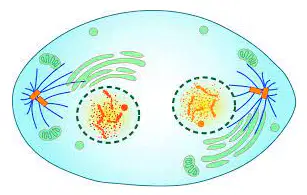
Here is an illustration of a cell undergoing cell division.
Which phase is yet to take place?
Prophase
Interphase
Anaphase
Cytokinesis
What phase is anaphase?


What phase is metaphase?
What phase is Prophase?
What phase is Interphase?

What phase is cytokinesis?


What is the image above:
Chromosome
Chromotid
Centromere
Centriole
A chromosome is packaged
DNA
Protein
Carbohydrates
Lipids
Nuclear membrane breaks down, chromosomes are condense.
Prophase
Anaphase
Metaphase
Telophase
Chromosomes line up in the equator of the cell describes:
Prophase
Telophase
Metaphase
Anaphase
Microtubes pull the chromosomes apart towards the opposite sides of the cell describes:
Prophase
Metaphase
Telophase
Anaphase
Nuclear membranes form, cell begins to pinch to begin splitting describes:
Prophase
Anaphase
Telophase
Metaphase
Cytoplasm divides. Resulting in two new cells
Metaphase
Cytokinesis
Interphase
Prophase
If there are 20 chromosomes in the nucleus before mitosis how many will there be in each new daughter cell after cytokinesis?
20
10
40
200
What information from the blood test would confirm the cancer diagnosis for a patient?
A. Data showing inhibition of somatic cell production by the cancer cells.
B. Data revealing a genetic mutation in a protein that regulates the patient's cell cycle.
C. Data indicating the conversion of gametes into diploid cells due to the presence of cancerous cells.
D. Data demonstrating an increase in chromosome number in cells as a result of the occurrence of cancer cells.
How does the presence of mutated oncogenes contribute to the development of a cancerous tumor?
A. Conversion of gamete cells into diploid cells.
B. Transformation of diploid cells into haploid cells.
C. Unregulated cell division.
D.. Controlled growth of somatic cells.
Helicase, an enzyme, plays a crucial role in unwinding the double helix structure of DNA during the process of DNA replication. During which phase of the cell cycle does helicase execute this unwinding function?
A. Synthesis (S) phase
B. Mitosis (M) phase
C. Gap 1 (G1) phase
D. Gap 2 (G2) phase
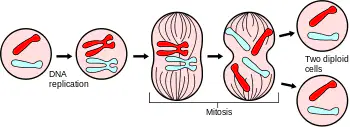
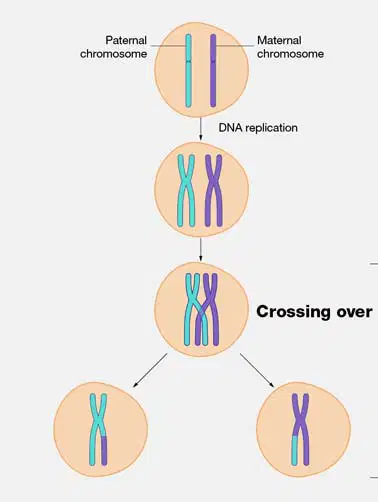
Which image among the following accurately depicts the outcomes of meiosis, encompassing both crossing over and independent assortment?
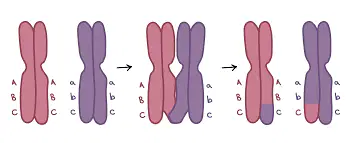
The illustration displays the outcomes of meiosis, starting with a parent cell containing a single pair of chromosomes. The positions of three genes - A, B, D, are indicated on each chromosome. What accounts for the differences between the chromosomes in two of the sex cells compared to those in the parent cell?
A. A mutation took place during replication.
B. Crossing over transpired in the chromosome.
C. Some genes were impaired during replication.
D. Chromosomes from a different species were incorporated.
A corn (Zea mays) seed has 20 chromosomes. What happens to the cells at the end of meiosis in corn?
A. The new cells will have 10 chromosomes each, and they'll be different from each other.
B. After meiosis, there will be four unique cells, each with 5 chromosomes.
C. The new cells will have 40 chromosome pairs to keep the right chromosome number.
D. Meiosis will give identical cells, each with 20 chromosomes, as DNA replication doesn't change chromosome number.
Numerous plants engage in asexual reproduction through vegetative propagation, where plant tissues and organs regenerate from another part of the plant, giving rise to a new organism. Which of the following statements characterizes an outcome of this form of reproduction?
A. It will reduce the genetic diversity within this population.
B. It will lead to increased genetic variation within the population.
C. It will employ a process, such as meiosis, to generate identical offspring.
D. It will yield haploid daughter cells for the plant, which can be employed to generate additional plants.
Cell division happens in distinct ways in prokaryotes and eukaryotes. Eukaryotes use mitosis to make new cells, while prokaryotes use binary fission for the same purpose. Why is cell division different for these two types of cells?
A. Eukaryotes don't have a cell wall that requires division.
B. Prokaryotes lack a nucleus that needs division.
C. Eukaryotes possess circular DNA that must be unwound before cell division.
D. Prokaryotes have additional organelles that need replication before cell division.
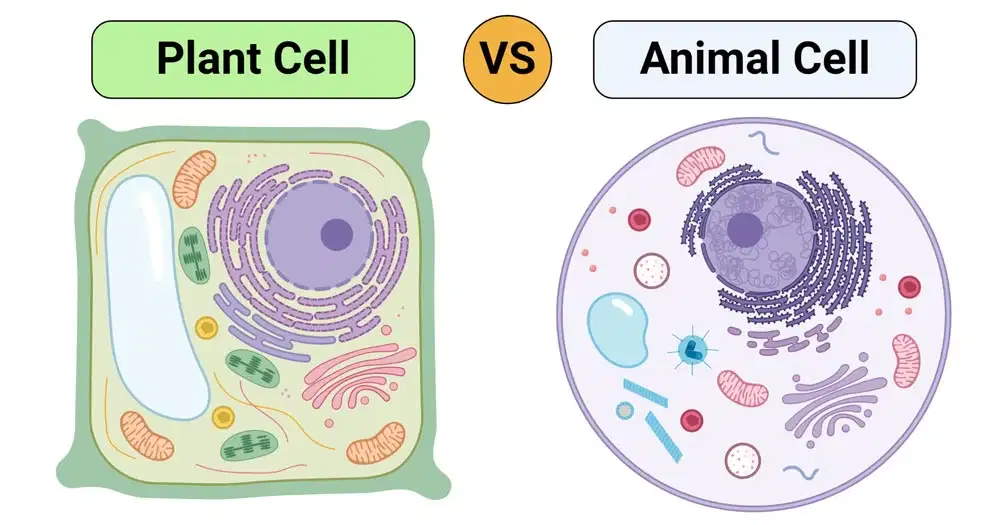
Various cell types exist, and the illustration below displays two distinct cell types. Which statement accurately characterizes these cells?
A. Both cells possess a cell wall.
B. Both cells are eukaryotic.
C. Cell A is a plant cell, while cell B is an animal cell.
D. Cell A is a prokaryotic cell, and cell B is a eukaryotic cell.
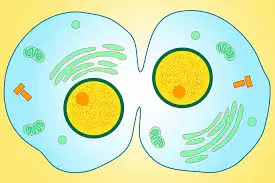
The illustration below depicts a cell in the last stage of cell division. Which statement accurately identifies the type of cell observed in the image?
A. This is an animal cell because it contains DNA.
B. This is a plant cell because it possesses a plasma membrane.
C. This is a plant cell because it lacks chloroplasts.
D. This is an animal cell because it lacks a cell wall.
Which of the following represents a heterozygous genotype?
HH
Hh
hh
In pea plants, round seeds are dominant to wrinkled seeds. What would the phenotype be for a plant with the following genotype: Rr?
Round
Wrinkled
Mostly round with a few wrinkles
When an individual makes eggs or sperm (gametes) the alleles that individual carries for a trait are separated from each other. This statement describes Mendel's law of...
segregation
independent assortment
codominance
sex-linked traits
An individual with the sex chromosomes XX will be _________ and an individual with the sex chromosomes XY will be ________.
male; female
female; male

A gene that affects whisker length in seals has two alleles. The allele for short whiskers (S) is dominant to the allele for long whiskers (s). A cross of two heterozygous short-whiskered seals produces six short-whiskered and two long-whiskered offspring. How can the long-whiskered phenotype appear in the offspring of two short-whiskered seals?
Only recessive alleles are inherited from homozygous parents.
Dominant alleles grow weaker as they are passed from parents to offspring.
Only the parent with a dominant allele can pass that allele to offspring in sexual reproduction.
A heterozygous parent has an equal chance of passing either the dominant allele or the recessive allele to offspring.
Mendel's Law of Segregation states...
Individual traits are inherited independently of one another.
Dominant traits are always separated from recessive traits during reproduction.
The individual alleles that make up a gene must separate when forming gametes.
Breeding two true breeding individuals together always produces offspring with a recessive phenotype.

The pedigree shows the inheritance of color-blindness, a sex-linked recessive disorder.
If individual 2 is a colorblind and carrier and marries a woman with normal color vision, what is the chance their SON is color blind?
0%
25%
50%
100%
The pedigree shows the inheritance of Hemophilia, a sex-linked recessive disorder.
If individual 2 had a child with a woman who has Hemophilia, what is the probability that any of their children would have hemophilia?
0%
25%
50%
100%

In owls eye color is a sex linked trait where yellow eyes are dominant to the orange eye phenotype. If a yellow eyed male is crossed with a female who carries the orange eye gene, what is likelihood of having an offspring with orange eyes?
1/4
1/2
3/4
1
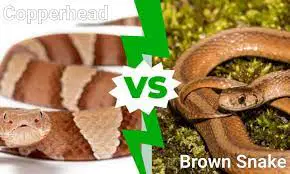
The coloring of the snakes in the photo can vary: they can be beautifully marked with dark cross bands on a brown and yellow ground color or completely brown or black. Their color is specifically controlled by 4 genes with more dominant alleles creating more banding and more recessive alleles creating a more solid scale color.
In heavily-vegetated forests, solid-colored individuals are more challenging for predators to locate. Which genotype below would be most successful at camouflage in such densely vegetated environments?
AaBbCcDd
AABBccDd
aabbccDd
aaBBccDd

In some horses the genes for brown hair and for white hair are codominant. The codominant condition gives the horses a reddish color, and is referred to as roan. If a roan stallion is bred with a white mare, what is the probability of them having a roan offspring?
0/4
1/4
3/4
1/2

In snapdragon flowers petal coloration is incompletely dominant with petals either being red, white, or pink. If two plants are bred creating several hundred offspring all of which are pink what would be the most likely phenotypes of the parent plants?
Both are pink
Both are white
One is red one is pink
One is red one is white
Brown (B) is dominant over white (b). Which genotype is a purebred for brown fur?
BB
Bb
bb
All of the above

For pea plants, purple flowers are dominant to white flowers. A botanist crosses two pure breeding pea plants, one with purple flowers and one with white flowers, then use those offspring to produce a F2 generation. What would be the genotypic ratio for seed color in the F2 generation?
3 homozygous dominant : 0 heterozygous : 1 homozygous recessive
1 homozygous dominant : 2 heterozygous : 1 homozygous recessive
0 homozygous dominant : 4 heterozygous : 0 homozygous recessive
0 homozygous dominant : 3 heterozygous : 1 homozygous recessive

In pea plants, yellow seeds (Y) are dominant green seeds (y) and green pods (G) are dominant to yellow pods (g). Based of the punnett square, what is the probability of producing a pea plant with green seeds in a yellow pod?
1/2
1/4
1/8
1/16
Hemophilia is a recessive x-linked disorder.
Which genotype represents a male with hemophilia?
XhY
XHY
XHXh
XhXh
Which set of parents can most likely produce a child with type O blood?
one parent with heterozygous type A blood, and the other parent with type O blood
one parent with heterozygous type A blood, and the other parent with type B blood
Both parents are homozygous with type A blood
Both parents are homozygous for type B blood
If two heterozygous individuals are crossed, what percent of their offspring are also expected to be heterozygous?
0%
50%
75%
100%
Deafness is a recessive trait for dogs. A deaf dog and a hearing dog whose father was deaf have puppies. What is the chance their puppies will be deaf?
0/4
1/4
2/4
4/4
How can a recessive phenotype appear in offspring of parents displaying the dominant phenotype?
If the offsprings have the blood groups O and A the genotype of parents would be
IAIA and IAi
IA i and ii
IAIA and IAIA
IA i and IBi
What are the blood types of the possible children that a woman (type O) and man (type AB) can have?
O and AB
O and A
O and B
A and B
There are multiple alleles for the ABO blood group. Why are only two of these alleles present in any one individual?
Each parent contributes only one allele for the ABO blood group to the offspring.
There are not enough nucleotides in a red blood cell to produce a third allele.
Each allele in the ABO group must be dominant or recessive
Blood group alleles are not segregated during meiosis.
A personal with type AB blood has which genotype?
type A
AA
IAIA
IAIB
Which term(s) best describes the inheritance of human blood types?
incomplete dominance and multiple alleles
codominance and epistasis
codominance and multiple alleles
incomplete dominance and codominance
A man with type O blood is accused of being the father of a type B baby. The mother is type A. Could this man be the father?
Yes
No
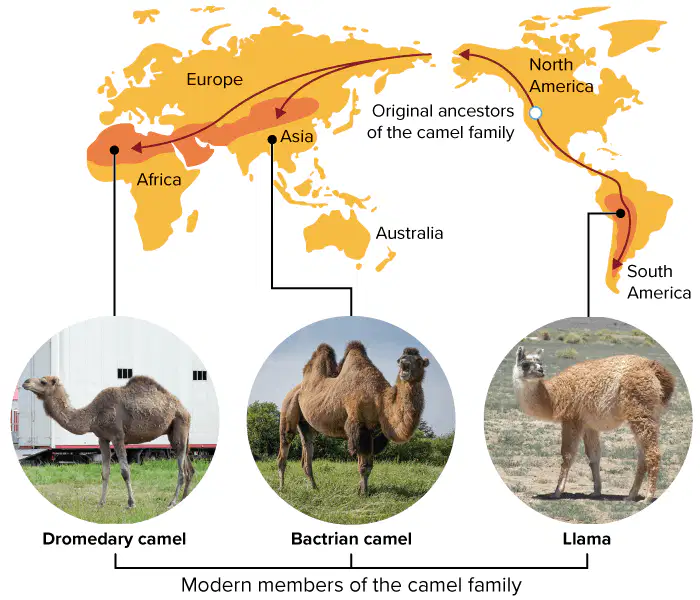
Which option best explains how the provided images showing new species emerging as a landmass changes over time can support the theory of evolution?
It models species evolving due to genetic drift
It shows the original species are best adapted
It uses biogeographical evidence to explain how organisms evolved
It connects how landmass separates after species evolve
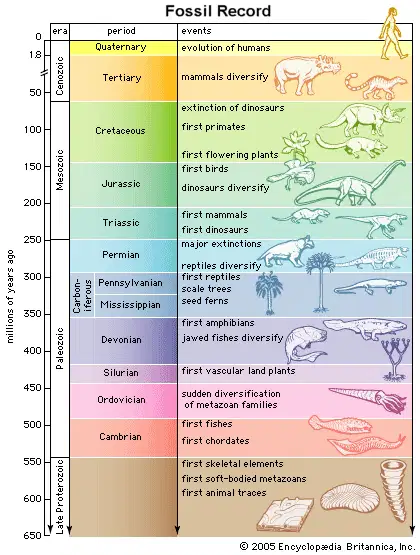
Fossils are remains of once living organisms. They are important pieces of evidence to support the theory that life on earth has evolved. Fossils found that are unlike present day organisms suggest major changes have taken place on Earth. Looking at the time scale of fossil records, Which option correctly describes how the timeline relates to where their fossils would be found in rock layers?
The timeline is opposite of where fossils would be found
The timeline matches where the fossils would be found
The chart can't predict where fossils are found
There is no pattern of fossil age and depth to predict layers
Some students recently read an article about the Moken people of Southeast Asia. This community inhabits coastal regions and relies on diving to catch fish. The average member of this tribe can hold their breath for several minutes, possibly due to an enlarged spleen. Someone at the table asks, "Are these people the next step in human evolution?" Four students at the table respond with the following answers. Based on your knowledge of evolution which student is correct?
Jessa - They evolve individually
Marlene - They are better so they are the next step
Anna - Need to see the entire human population change over time
Mhervin - They are a different species so can't be human evolution

In the 1950s, a classic experiment was conducted by scientists Miller and Urey. Water, methane, ammonia, and hydrogen were sealed in a flask along with a pair of electrodes. An electric spark was fired between the electrodes, and after a week's time, amino acids were found to be present in the flask. Which of the following best explains the significance of this experiment in explaining the origin of life on Earth?
It demonstrated that the compounds essential for life on early Earth could be generated from various raw materials.
It suggested that life might have begun elsewhere, as organic compounds typically originate from living organisms.
It illustrated how simple molecules available on early Earth could assemble into complex biological molecules.
It showcased how lightning could trigger the decomposition of organic matter into amino acids, which were among the initial molecules on early Earth.
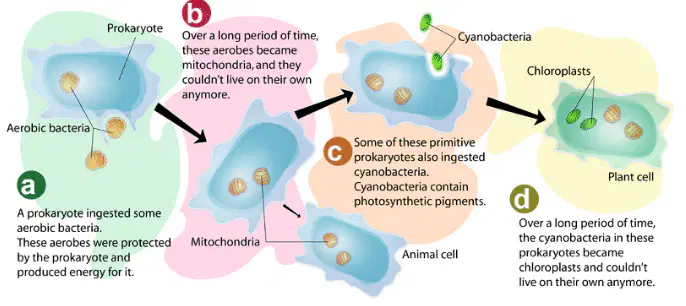
In 1967, Lynn Margulis came up with the idea called the endosymbiotic theory. It explains how small living things, like bacteria, joined together with bigger ones to create cells. These small ones eventually became parts of the bigger cells, like mitochondria and chloroplasts.
How did Margulis' theory help us understand how complex living things started?
It helps us understand how cells use oxygen, whether they're simple or more complex.
It shows how all living things today might have started from just one cell.
It explains why bacteria and mitochondria are about the same size.
It tells us why some cells, like bacteria, don't have a nucleus.

The images depict comparable investigations conducted by Louis Pasteur and Francisco Redi aimed at unraveling the origins of life on Earth. The arrangements and outcomes of these experiments are outlined below. From both experiments, which conclusion can be drawn?
Living organisms alone have the capacity to generate other living organisms.
Oxygen presence is essential for life formation.
Life only arises in warm conditions.
Spontaneous generation of life is possible.

A. afarensis lived long ago, and they're like our ancient relatives. They're related to us, humans. Which statement is right about how they're different from us?
A. afarensis have smaller jaws than us, so they talk better.
A. afarensis have bigger jaws than us, so they talk better.
We, humans, have bigger heads than A. afarensis, and that's why we use tools more.
We, humans, have smaller heads than A. afarensis, and that's why we use tools more.
Which of these describes a pattern seen in the evolution of humans and their ancestors?
Brain size got smaller.
Jaws got smaller.
Less use of tools happened.
A change away from walking on two legs occurred.
Which of these options accurately describes a beneficial change that occurred in humans and their ancestors as they adapted over time?
Smaller jaws resulted in tool creation.
Smaller brains led to the evolution of social language.
Larger brains led to the development of language and communication.
Larger jaws led to clearer pronunciation of words for communication.

In their native habitat, crabs with bigger claws tend to have more offspring than those with smaller claws. Scientists placed equal numbers of small and large clawed crabs together in an environment resembling their natural habitat. If this experiment mirrors natural selection, which outcome is most likely after many generations?
The proportion of crabs with larger claws would rise.
The proportion of crabs with smaller claws would rise.
The DNA in crabs with smaller claws would mutate to create larger claws.
Crabs born with smaller claws would develop larger claws and transmit this trait to their offspring.

The diagram provided represents four different species of organisms. Which statement is correct concerning the chances of survival for these species if there is a
change in the environment?
Habitat C has the best chance of survival because it has no gene mutations.
Habitat D has the best chance of survival because it has the most genetic diversity.
Habitat B and C have the best chances of survival because they have the least amount
of variations.
Habitat D and C have the best chances of survival because they reproduce sexually
increasing variation.
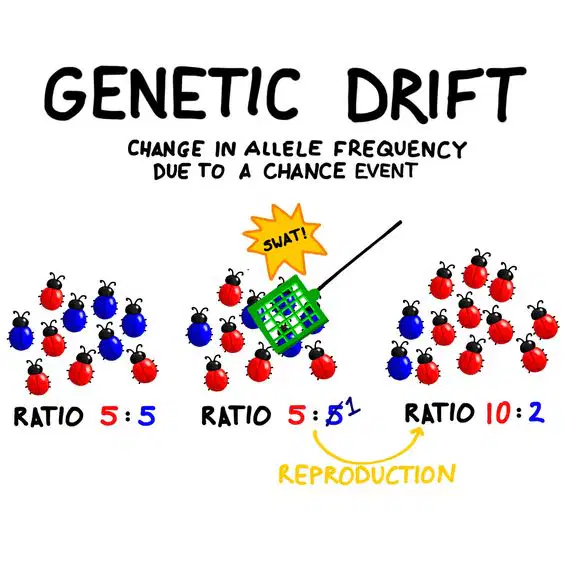
The illustration below depicts the initial and final populations of a ladybug species in a garden. The population change occurred due to a person repeatedly swatting at the ladybugs. Which evolutionary process is being observed?
Mutation
Gene flow
Genetic drift
Random mating
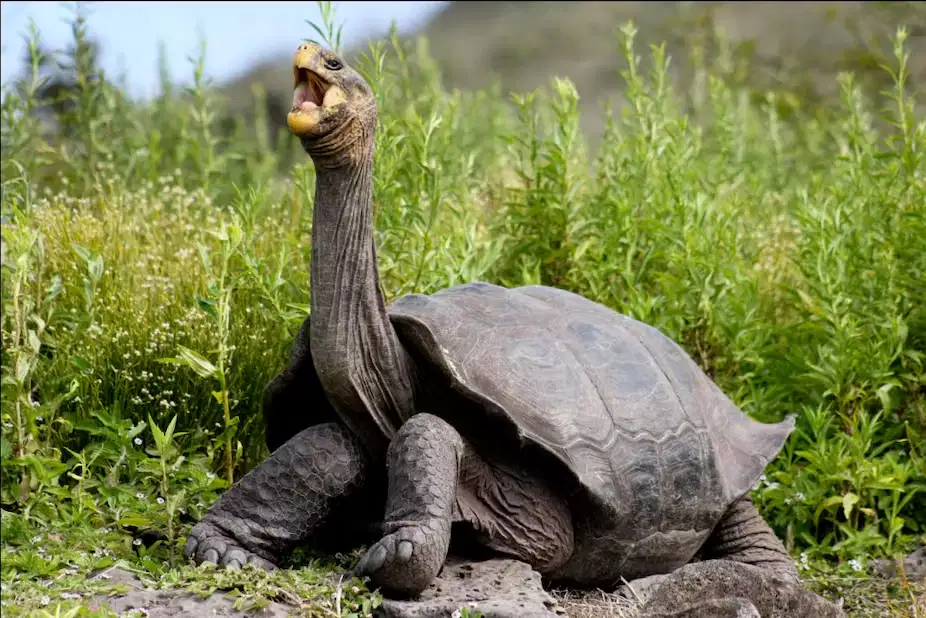
Galapagos Islands are home to a special kind of tortoise called the Galapagos tortoise, which is found nowhere else in the world. After many generations, what could happen because of a genetic drift event affecting the small Galapagos tortoise population?
A new species of the Galapagos tortoise might emerge because the population is so small.
Other species might mate with Galapagos tortoises and create a new kind of animal that can have babies.
Being isolated from other places might lead to the appearance of new favorable traits in the Galapagos tortoise population.
Galapagos tortoises might become extinct because they don't have enough genetic variation to survive natural selection.

Lots of ladybugs began to harm the corn crops on a nearby farm. To stop them, the farm owner began using a bug spray. Scientists and farmers observed how populations of Ladybug A and Ladybug B on this farm changed after the bug spray was used on the crops. The diagram displays the population sizes of Ladybug A and B, both before and after the bug spray was applied.
The bug spray only changes the genes the first time it's used, so both Ladybugs A and B were wiped out after the second spraying.
The bug spray only worked on Ladybug B because only Ladybug A changed its genes to survive over time.
Some ladybugs in each group passed on a helpful gene change to their babies, making their genetic variety bigger and helping them stay alive.
The number of Ladybug A and Ladybug B stayed the same over time because the bug spray kept helping them have babies.

When scientists studied fossils from an ancient river in the Amazon Rainforest, the evidence suggested that there was an original population of frogs that later evolved into two separate species, a phenomenon known as speciation.
Which of the following best explains how the DNA mutations affected the frog population studied in the Amazon Rainforest?
DNA mutations occurred on demand in the original frog population, creating two different species with unique traits.
DNA mutations only occurred when the environment changed, causing the original population of frogs to evolve into a new species suited for the new environment.
DNA mutations randomly lead to new traits differentiating the new species from the original population, increasing the genetic variation and reproductive success.
DNA mutations decreased the genetic variation of the original population of frogs, allowing evolution to determine the traits needed for survival of new species of frogs.
A farmer found a special kind of tomato in their field that can handle tough weather and keep bugs away. What could happen in the future if the farmer only grows this type of tomato?
There might be less tomatoes grown.
More changes might happen in the tomatoes.
The farmer might need to use more bug spray.
There could be fewer different kinds of tomatoes.
Two distinct populations of the same crab species live in two estuaries separated by land. A violent hurricane produces a storm surge that destroys the land dividing the estuaries, causing the waters to merge. The two estuaries merge becoming one big estuary with crabs from each population swimming around. Which answer correctly explains what evolutionary mechanism will affect the crab populations due to this flooding?
Gene flow will affect the crab populations because there will be a transfer of genes across populations.
Genetic drift will affect the crab populations because the removal of a geographic barrier will lead to migration.
Mutation will affect the crab populations because the hurricane will cause the DNA to change to adapt to the new environment.
Natural selection will affect the crab populations because the crabs will only reproduce with individuals from their original populations.
Lots of bird species lay many eggs when they're breeding. Which situation in natural selection is this like?
overproduction of offspring
inherited variation
nonrandom mating
struggle to survive

A researcher is analyzing the composition of an unknown organic molecule. The data obtained is summarized in the table below.
Based on the information provided, which macromolecule was likely analyzed?
lipid
protein
nucleic acid
carbohydrate
A scientist is studying the structure of molecules in living organisms. Which of the following accurately describes the features of a nucleic acid?
The building blocks are called amino acids and are used for building proteins.
They serve as a primary source of immediate energy and play a role in cellular respiration.
They consist solely of carbon, hydrogen, and oxygen atoms.
They comprise a sugar molecule, a nitrogenous base, and a phosphate group
Proteins perform various tasks in the body, and one accurately described task is that of enzymes, which are proteins that act as biological catalysts speeding up chemical reactions by lowering the activation energy required for those reactions to occur without being consumed in the process, does this correctly describe the role of enzymes as one task proteins perform?
Holds the instructions for life
Makes chemical processes faster
Gives shape and support to plant cells
Stores energy for a long time
Darwin observed many finch species on the Galapagos Islands. To explain these observations, he
proposed that each species evolved from the same common ancestor, which was a finch species
that migrated to the islands from the mainland. What additional evidence did Darwin use to support
his explanation?
The finch populations were very numerous, and different species often bred with one another.
The finch species lived in different habitats on different islands, which isolated them from one another.
The finch species were distributed evenly among all of the islands, but did not interbreed.
The beaks of the finches were identical, allowing them to eat the same foods on any of the islands.
A population of rabbits grows rapidly from one year to the next. Then one year, a disease strikes approximately one fourth of the adult rabbits. The disease remains with the population in the years that follow.
As explained by Darwin’s theory, which of these conditions allows the rabbit population to evolve by natural selection?
The disease affects adult and juvenile rabbits equally.
The disease reduces the ability of the rabbits to reproduce.
Some rabbits are resistant to the disease, and they pass the resistance to their offspring.
No rabbits are resistant to the disease, and all die when the disease strikes them.
A population that is isolated in a remote environment is still able to experience genetic variation. How could genetic variation that contributes to evolution occur in such a population?
A mutation in a liver cell produces liver cancer.
Lateral gene transfer occurs that produces an organism that is less resistant to drought.
A mutation in an egg cell causes a change in DNA that produces an organism that is more sensitive to sunlight.
A mistake in DNA replication before meiosis produces an organism that is better able to outrun predators.

The figure shows how natural selection of a single-trait gene affects lizard survival.
Which of the following most likely causes the changes in allele distribution?
The allele for light gray coloration disappears from the population. This may be because light gray lizards are more visible to predators and therefore they might be less likely to survive and reproduce.
The allele for black coloration decreases fitness and becomes less common. This may be because black coloration keeps the lizards cool during hot summer temperatures.
Medium gray coloration in lizards appears to be a neutral mutant allele that allows the lizards to hide better from predators. This leads to increases in phenotype and allele frequency of gray coloration.
Because black and medium gray lizards are less visible to predators, these alleles are neutral to natural selection and therefore will not disappear from the population of lizards.
Which of the following best illustrates natural selection?
An organism with favorable genetic variations will tend to survive and breed successfully.
A population monopolizes all of the resources in its habitat, forcing other species to migrate.
A community whose members work together utilizing all existing resources and migratory routes.
The largest organisms in a species receive the only breeding opportunities.

Which of the following statements best describes what will most likely occur to the moth populations in the image above?
The light moths will be captured by predators more easily than the dark moths, and the population of dark moths will rise.
The light moths will be captured by predators more easily than the dark moths, and the population of light moths will rise.
The dark moths will be captured by predators more easily than the light moths, and the dark moths will probably go extinct.
The light moths will change their wing color to match that of the dark moths.
Which option best explains how the provided images showing new species emerging as a landmass changes over time can support the theory of evolution?
It models species evolving due to genetic drift
It shows the original species are best adapted
It uses biogeographical evidence to explain how organisms evolved
It connects how landmass separates after species evolve
Fossils are remains of once living organisms. They are important pieces of evidence to support the theory that life on earth has evolved. Fossils found that are unlike present day organisms suggest major changes have taken place on Earth. Looking at the time scale of fossil records, Which option correctly describes how the timeline relates to where their fossils would be found in rock layers?
The timeline is opposite of where fossils would be found
The timeline matches where the fossils would be found
The chart can't predict where fossils are found
There is no pattern of fossil age and depth to predict layers
Some students recently read an article about the Moken people of Southeast Asia. This community inhabits coastal regions and relies on diving to catch fish. The average member of this tribe can hold their breath for several minutes, possibly due to an enlarged spleen. Someone at the table asks, "Are these people the next step in human evolution?" Four students at the table respond with the following answers. Based on your knowledge of evolution which student is correct?
Jessa - They evolve individually
Marlene - They are better so they are the next step
Anna - Need to see the entire human population change over time
Mhervin - They are a different species so can't be human evolution
In the 1950s, a classic experiment was conducted by scientists Miller and Urey. Water, methane, ammonia, and hydrogen were sealed in a flask along with a pair of electrodes. An electric spark was fired between the electrodes, and after a week's time, amino acids were found to be present in the flask. Which of the following best explains the significance of this experiment in explaining the origin of life on Earth?
It demonstrated that the compounds essential for life on early Earth could be generated from various raw materials.
It suggested that life might have begun elsewhere, as organic compounds typically originate from living organisms.
It illustrated how simple molecules available on early Earth could assemble into complex biological molecules.
It showcased how lightning could trigger the decomposition of organic matter into amino acids, which were among the initial molecules on early Earth.
In 1967, Lynn Margulis came up with the idea called the endosymbiotic theory. It explains how small living things, like bacteria, joined together with bigger ones to create cells. These small ones eventually became parts of the bigger cells, like mitochondria and chloroplasts.
How did Margulis' theory help us understand how complex living things started?
It helps us understand how cells use oxygen, whether they're simple or more complex.
It shows how all living things today might have started from just one cell.
It explains why bacteria and mitochondria are about the same size.
It tells us why some cells, like bacteria, don't have a nucleus.
The images depict comparable investigations conducted by Louis Pasteur and Francisco Redi aimed at unraveling the origins of life on Earth. The arrangements and outcomes of these experiments are outlined below. From both experiments, which conclusion can be drawn?
Living organisms alone have the capacity to generate other living organisms.
Oxygen presence is essential for life formation.
Life only arises in warm conditions.
Spontaneous generation of life is possible.
A. afarensis lived long ago, and they're like our ancient relatives. They're related to us, humans. Which statement is right about how they're different from us?
A. afarensis have smaller jaws than us, so they talk better.
A. afarensis have bigger jaws than us, so they talk better.
We, humans, have bigger heads than A. afarensis, and that's why we use tools more.
We, humans, have smaller heads than A. afarensis, and that's why we use tools more.
Which of these describes a pattern seen in the evolution of humans and their ancestors?
Brain size got smaller.
Jaws got smaller.
Less use of tools happened.
A change away from walking on two legs occurred.
Which of these options accurately describes a beneficial change that occurred in humans and their ancestors as they adapted over time?
Smaller jaws resulted in tool creation.
Smaller brains led to the evolution of social language.
Larger brains led to the development of language and communication.
Larger jaws led to clearer pronunciation of words for communication.
In their native habitat, crabs with bigger claws tend to have more offspring than those with smaller claws. Scientists placed equal numbers of small and large clawed crabs together in an environment resembling their natural habitat. If this experiment mirrors natural selection, which outcome is most likely after many generations?
The proportion of crabs with larger claws would rise.
The proportion of crabs with smaller claws would rise.
The DNA in crabs with smaller claws would mutate to create larger claws.
Crabs born with smaller claws would develop larger claws and transmit this trait to their offspring.
The diagram provided represents four different species of organisms. Which statement is correct concerning the chances of survival for these species if there is a
change in the environment?
Habitat C has the best chance of survival because it has no gene mutations.
Habitat D has the best chance of survival because it has the most genetic diversity.
Habitat B and C have the best chances of survival because they have the least amount
of variations.
Habitat D and C have the best chances of survival because they reproduce sexually
increasing variation.
The illustration below depicts the initial and final populations of a ladybug species in a garden. The population change occurred due to a person repeatedly swatting at the ladybugs. Which evolutionary process is being observed?
Mutation
Gene flow
Genetic drift
Random mating
Galapagos Islands are home to a special kind of tortoise called the Galapagos tortoise, which is found nowhere else in the world. After many generations, what could happen because of a genetic drift event affecting the small Galapagos tortoise population?
A new species of the Galapagos tortoise might emerge because the population is so small.
Other species might mate with Galapagos tortoises and create a new kind of animal that can have babies.
Being isolated from other places might lead to the appearance of new favorable traits in the Galapagos tortoise population.
Galapagos tortoises might become extinct because they don't have enough genetic variation to survive natural selection.
Lots of ladybugs began to harm the corn crops on a nearby farm. To stop them, the farm owner began using a bug spray. Scientists and farmers observed how populations of Ladybug A and Ladybug B on this farm changed after the bug spray was used on the crops. The diagram displays the population sizes of Ladybug A and B, both before and after the bug spray was applied.
The bug spray only changes the genes the first time it's used, so both Ladybugs A and B were wiped out after the second spraying.
The bug spray only worked on Ladybug B because only Ladybug A changed its genes to survive over time.
Some ladybugs in each group passed on a helpful gene change to their babies, making their genetic variety bigger and helping them stay alive.
The number of Ladybug A and Ladybug B stayed the same over time because the bug spray kept helping them have babies.
When scientists studied fossils from an ancient river in the Amazon Rainforest, the evidence suggested that there was an original population of frogs that later evolved into two separate species, a phenomenon known as speciation.
Which of the following best explains how the DNA mutations affected the frog population studied in the Amazon Rainforest?
DNA mutations occurred on demand in the original frog population, creating two different species with unique traits.
DNA mutations only occurred when the environment changed, causing the original population of frogs to evolve into a new species suited for the new environment.
DNA mutations randomly lead to new traits differentiating the new species from the original population, increasing the genetic variation and reproductive success.
DNA mutations decreased the genetic variation of the original population of frogs, allowing evolution to determine the traits needed for survival of new species of frogs.
A farmer found a special kind of tomato in their field that can handle tough weather and keep bugs away. What could happen in the future if the farmer only grows this type of tomato?
There might be less tomatoes grown.
More changes might happen in the tomatoes.
The farmer might need to use more bug spray.
There could be fewer different kinds of tomatoes.
Two distinct populations of the same crab species live in two estuaries separated by land. A violent hurricane produces a storm surge that destroys the land dividing the estuaries, causing the waters to merge. The two estuaries merge becoming one big estuary with crabs from each population swimming around. Which answer correctly explains what evolutionary mechanism will affect the crab populations due to this flooding?
Gene flow will affect the crab populations because there will be a transfer of genes across populations.
Genetic drift will affect the crab populations because the removal of a geographic barrier will lead to migration.
Mutation will affect the crab populations because the hurricane will cause the DNA to change to adapt to the new environment.
Natural selection will affect the crab populations because the crabs will only reproduce with individuals from their original populations.
Lots of bird species lay many eggs when they're breeding. Which situation in natural selection is this like?
overproduction of offspring
inherited variation
nonrandom mating
struggle to survive
A researcher is analyzing the composition of an unknown organic molecule. The data obtained is summarized in the table below.
Based on the information provided, which macromolecule was likely analyzed?
lipid
protein
nucleic acid
carbohydrate
A scientist is studying the structure of molecules in living organisms. Which of the following accurately describes the features of a nucleic acid?
The building blocks are called amino acids and are used for building proteins.
They serve as a primary source of immediate energy and play a role in cellular respiration.
They consist solely of carbon, hydrogen, and oxygen atoms.
They comprise a sugar molecule, a nitrogenous base, and a phosphate group
Proteins perform various tasks in the body, and one accurately described task is that of enzymes, which are proteins that act as biological catalysts speeding up chemical reactions by lowering the activation energy required for those reactions to occur without being consumed in the process, does this correctly describe the role of enzymes as one task proteins perform?
Holds the instructions for life
Makes chemical processes faster
Gives shape and support to plant cells
Stores energy for a long time
Darwin observed many finch species on the Galapagos Islands. To explain these observations, he
proposed that each species evolved from the same common ancestor, which was a finch species
that migrated to the islands from the mainland. What additional evidence did Darwin use to support
his explanation?
The finch populations were very numerous, and different species often bred with one another.
The finch species lived in different habitats on different islands, which isolated them from one another.
The finch species were distributed evenly among all of the islands, but did not interbreed.
The beaks of the finches were identical, allowing them to eat the same foods on any of the islands.
A population of rabbits grows rapidly from one year to the next. Then one year, a disease strikes approximately one fourth of the adult rabbits. The disease remains with the population in the years that follow.
As explained by Darwin’s theory, which of these conditions allows the rabbit population to evolve by natural selection?
The disease affects adult and juvenile rabbits equally.
The disease reduces the ability of the rabbits to reproduce.
Some rabbits are resistant to the disease, and they pass the resistance to their offspring.
No rabbits are resistant to the disease, and all die when the disease strikes them.
A population that is isolated in a remote environment is still able to experience genetic variation. How could genetic variation that contributes to evolution occur in such a population?
A mutation in a liver cell produces liver cancer.
Lateral gene transfer occurs that produces an organism that is less resistant to drought.
A mutation in an egg cell causes a change in DNA that produces an organism that is more sensitive to sunlight.
A mistake in DNA replication before meiosis produces an organism that is better able to outrun predators.
The figure shows how natural selection of a single-trait gene affects lizard survival.
Which of the following most likely causes the changes in allele distribution?
The allele for light gray coloration disappears from the population. This may be because light gray lizards are more visible to predators and therefore they might be less likely to survive and reproduce.
The allele for black coloration decreases fitness and becomes less common. This may be because black coloration keeps the lizards cool during hot summer temperatures.
Medium gray coloration in lizards appears to be a neutral mutant allele that allows the lizards to hide better from predators. This leads to increases in phenotype and allele frequency of gray coloration.
Because black and medium gray lizards are less visible to predators, these alleles are neutral to natural selection and therefore will not disappear from the population of lizards.
Which of the following best illustrates natural selection?
An organism with favorable genetic variations will tend to survive and breed successfully.
A population monopolizes all of the resources in its habitat, forcing other species to migrate.
A community whose members work together utilizing all existing resources and migratory routes.
The largest organisms in a species receive the only breeding opportunities.
Which of the following statements best describes what will most likely occur to the moth populations in the image above?
The light moths will be captured by predators more easily than the dark moths, and the population of dark moths will rise.
The light moths will be captured by predators more easily than the dark moths, and the population of light moths will rise.
The dark moths will be captured by predators more easily than the light moths, and the dark moths will probably go extinct.
The light moths will change their wing color to match that of the dark moths.
The research assistant has been tasked with capturing microscopic images of a study sample. The requirement specifies that the image should be three-dimensional and should highlight the plasmodesmata, small openings facilitating molecular exchange on the cell wall, without the necessity for color. Which microscope should the research assistant select?
A. Stereomicroscope
B. Compound microscope
C. Scanning electron microscope
D. Transmission electron microscope

The image below showcases a Neotropical Prionocyphon Redtenbacher, a beetle species within the Scirtidae family. Without the assistance of a microscope, the minute hair-like structures and the texture of the beetle's exoskeleton would remain imperceptible. Which microscope would likely have been utilized to capture the image of the beetle?
dissecting microscope
compound microscope
scanning electron microscope
transmission electron microscope
A hospital acquired a transmission electron microscope. Which of the following samples would the hospital examine using this microscope?
a sizable kidney stone
the outer layer of a virus
a mitochondrion within a cell
the mobility of a bacterial cell
multicellular, eukaryotic, heterotroph, no cell wall
protist
plant
animal
fungi

Which group of animals on this tree are most closely related to birds?
Saurischian dinosaurs
Ornithischian dinosaurs
Crocodiles
None of these are related to birds

Who is most closely related to Taxidea taxus?
Lutra lutra
Panthera pardus
Canis latrans
Canis lupus
The Florida panther was previously categorized as a distinct subgroup within the cougar species. However, subsequent research led scientists to merge the Florida panther and the cougar into the same classification. Which of the following best explains the reason for this change in classification?
Recent genetic evidence indicates a much closer genetic relationship between the Florida panther and other cougars.
Advanced technologies have revealed significant disparities in cellular structure between the Florida panther and other cougars.
Examination of their embryos demonstrates notable differences in the developmental process of the Florida panther fetus compared to other cougars.
Shared anatomical characteristics between the Florida panther and cougars have also been observed in newly identified organisms worldwide.

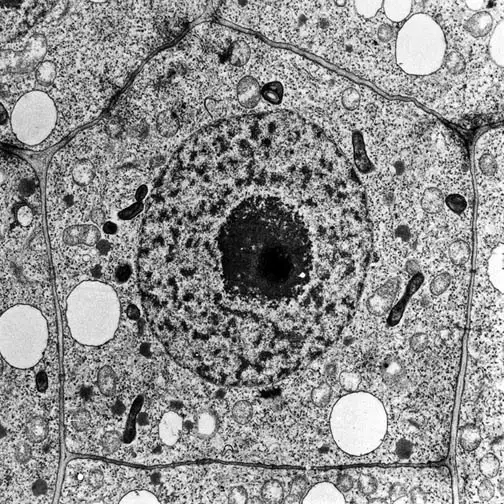
Which kingdom is the organism likely classified into based on the presence of a cell wall composed of cellulose?
Kingdom Animalia
Kingdom Fungi
Kingdom Protista
Kingdom Plantae
Based on the student's observations of four organisms found in a sample of pond water, which organism exhibits characteristics typical of the taxonomic group for bacteria?
Organism A: Unicellular, lacks a nucleus, cell wall present
Organism B: Unicellular, has a nucleus, cell wall absent
Organism C: Multicellular, has chloroplasts, cell wall present
Organism D: Multicellular, has specialized tissues, cell wall absent
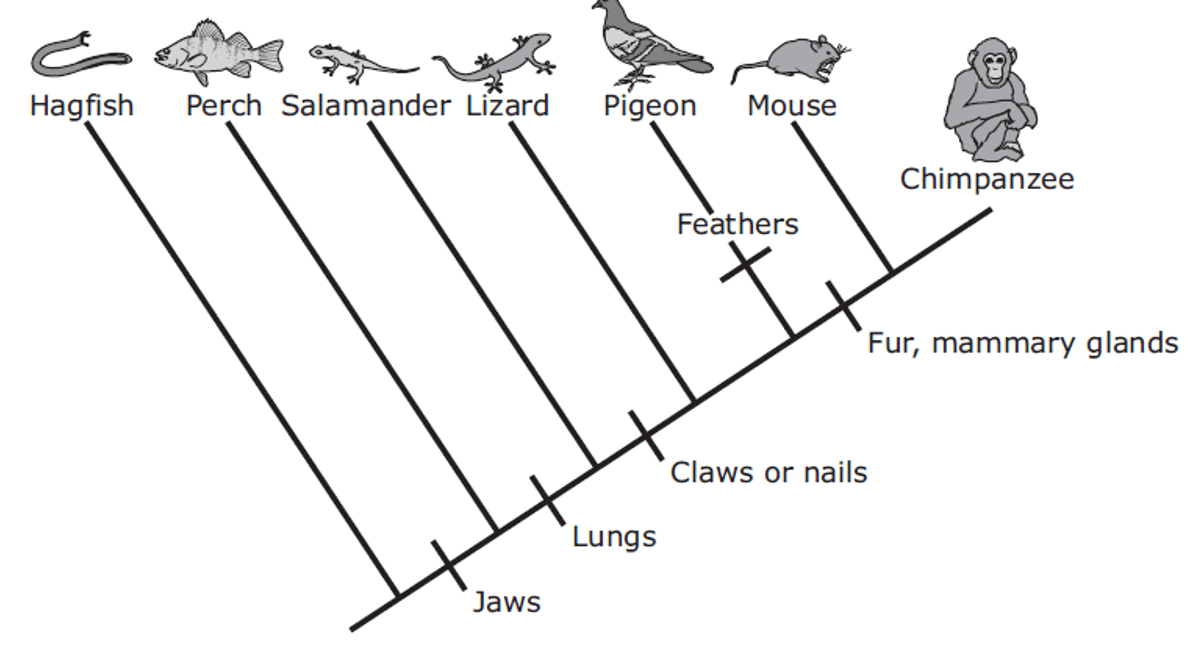
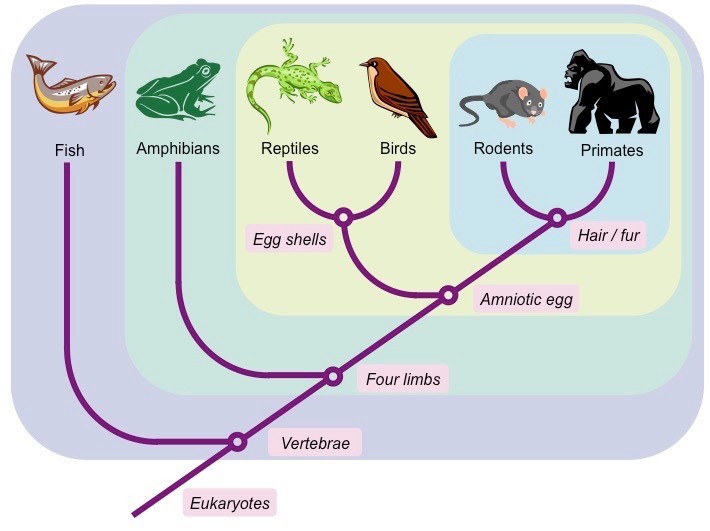
What characteristic distinguishes amphibians from birds and reptiles?
Amniotic egg
Egg shells
Vertebrae
Hair/fur

An organism that LACK a NUCLEUS (NO NUCLEUS)
Eukaryote
Prokaryote
Heterotroph
Autotroph
Which Domain/Kingdom is capable of living in EXTREME ENVIRONMENTS like hot springs, geysers, or very salty waters?
Bacteria
Eukarya
Archaea
Regular physical activity aids in the reduction of plaque accumulation on artery walls by enhancing blood circulation through the arteries. Which of the subsequent options characterizes a lasting impact of regular exercise on the cardiovascular system?
Lowered blood pressure resulting from diminished resistance
Elevated blood volume resulting from artery dilation
Elevated blood pressure due to extended periods of heightened blood flow
Enhanced susceptibility to illnesses due to decreased blood pressure


circulating blood to tissues
assembling amino acids into proteins
replacing damaged cells with new cells
breaking down food particles into molecules
A doctor prescribes a blood thinner to a patient with high blood pressure. What impact will this medication have on blood flow and viscosity?
The blood flow will decrease and the viscosity will increase.
The blood flow will increase and the viscosity will decrease
The blood flow will increase and the viscosity will increase.

What is the body's first line of defense against infection by foreign organisms?
antibodies
lymph nodes
white blood cells
the skin

Disease-causing microorganism, such as a bacterium or virus.
pathogen
allergen
prion
antigen
This type of immunity can be called nonspecific and refers to the bodies defenses that are present since birth.
resistance
adaptive immunity
acquired immunity
innate immunity
This type of immunity is acquired during one's lifetime. It is induced by antigens that invade the body.
innate immunity
adaptive immunity
nonspecific immunity
normal microbiota
An individual experiences an injury resulting in a reduction in blood volume. Which of the following consequences will ensue?
A. Reduction in heart rate
B. Rise in blood viscosity
C. Decline in blood pressure
D. Increase in vessel resistance
Which of the following statements most accurately describes the function of the nonspecific immune system?
A. It serves as an initial barrier against invading pathogens.
B. It is tasked with eliminating pathogens once they have been identified.
C. It targets pathogens not recognized by the specific immune system.
D. It addresses pathogens that are deemed less harmful to the body.
A student experienced symptoms of fever, body aches, chills, and a cough upon waking up, leading to a diagnosis of flu caused by a virus. Considering this information, should the student use antibiotics?
A. Yes, as antibiotics are usually safe to take.
B. Yes, as antibiotics are effective against the virus.
C. No, as the infection is viral, and antibiotics do not affect viruses.
D. No, as viral infections are treated with vaccines, not antibiotics.

Name the Organ:
A. (a) B. (b) D. (c) E. (d) F. (e)

Which letter is the EGG created?
B
A
D
E
Which letter is the site of Fertilization
B
A
D
E
The combining of a sperm cell and an egg cell creates
Zygote
Umbilial cord
Uterus
Embryo
What is designed to cushion and protect the growing fetus?
fallopian tubes
amniotic fluid
overaries
placenta

What is the function of A & B?
A - transport gametes (eggs)
B - Produce eggs
A - produce eggs
B - transport gametes (eggs)
A - transport gametes (sperm)
B - produce sperm
A - produce sperm
B - transport gametes (sperm)
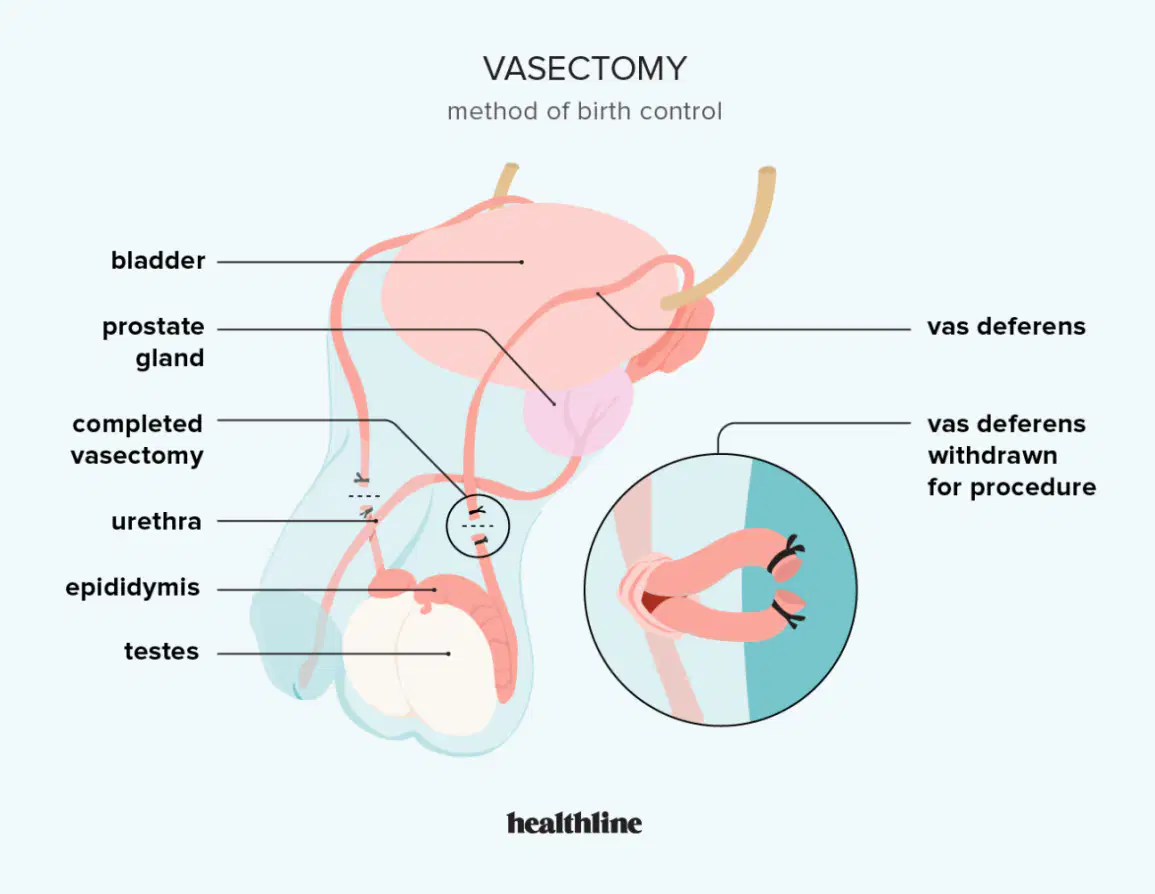
A vasectomy is a simple surgical procedure involving the blocking or severing of the vas deferens.
What are the outcomes of a vasectomy?
A. Sperm production by the testes would cease.
B. The secretion of seminal fluid by the prostate would remain unaffected.
C. Sperm would be prevented from traveling from the testes to the epididymis.
D. Sperm would be prevented from traveling from the epididymis to the seminal vesicle.
What is the function of the human male reproductive system?
grow and develop baby
produce egg and deliver egg to female
internal fertilization
produce sperm and deliver sperm to female
A teacher has tasked students with describing a stage of human fetal development. Below are responses from several students:
Student 1: During the second trimester, fetal movement becomes more frequent and noticeable.
Student 2: In the third trimester, the fetus begins to develop major organs and organ systems.
Student 3: At the beginning of pregnancy, the egg is fertilized in the uterus and then implants on the uterine wall.
Student 4: Towards the end of pregnancy, fetal development is complete, and the fetus adjusts its position with the head facing upward and the feet downward in preparation for birth.
Which student accurately identified a stage of human fetal development?
A. Student 1
B. Student
2 C. Student 3
Which statement most accurately represents the scientific comprehension of a zygote?
A. A zygote is a sperm cell.
B. A zygote is an unfertilized egg.
C. A zygote is the merging of two gametes.
D. A zygote is the site where gametes are generated.
The BRCA genes encode proteins essential for DNA repair. Mutation in these genes raises the risk of breast or ovarian cancer. How might research into BRCA influence public health?
A. It may result in the development of new antibiotics designed to combat cancer.
B. It could pave the way for novel gene therapy approaches to treat cancer.
C. It might catalyze the emergence of a cancer-resistant human species.
D. It could lead to the emergence of a novel virus that suppresses BRCA expression.

