
 Worksheets
PURPLE (1750-1900) Brain Dump
Total questions: 109
Worksheet time: 2hrs 30mins
ALL of the following are causes to the Political Revolutions EXCEPT which ONE? (Click ONE.)
Enlgithenment
Corrupt or inefficient government
Other political revolutions
1st Industrial Revolution
Put in order:
7 Years War
American Revolution
French Revolution
Haitian Revolutions
Latin American Revolutions
Put in order:
Declaration of Independence
Declaration of the Rights of Man
Haitian Revolution ends
Congress of Vienna
Karl Marx writes the Communist Manifesto
Match the dates with the Event.
French Revolution Starts
1789
American Revolution
1776
Congress of Vienna
1815
Napoleon's Coup
1799
Start of the I.R.
1780s
Match the following Estates.

1st Estate

2nd Estate

3rd Estate
King Louis the 16th was
the King of France in the early 1700s
the King of France that first had the Palace of Versailles built
leader of France when Catherine the Great was leader of Russia
alive at the same time as Peter the Great
The Reign of Terror in France...
led to the death of King Louis the 16th.
began when Napoleon became the Emperor of France.
started as a result of the death of the King of France.
happened before the Congress of Vienna.
Reorder the following.
Estates General Meeting
Tennis Court Oath
King Louis the 16th was beheaded
The Directory
Napoleon's Coup
Reorder the following.
Napoleon's Coup
Napoleon Crowns himself Emperor
Napoleon Invades Russia
Congress of Vienna
Battle of Waterloo
Match the following

King Louis the 16th

Napoleon Bonaparte

Toussaint Louverture

Simon Bolivar

Marie Antionette
When was the Louisiana Purchase?
1803
1789
1848
1880
Which is UNTRUE about the Louisiana Purchase?
It was sold to the United States
It was sold by France
It is the Midwest States in the U.S. today
It was sold in order to fund for the American Revolution
The Haitian Revolution involved more ___ issues compared to any of the other political revolutions.
social class
racial
religious
gender
Below are the 3 major racial/social classes before the Haitian Revolution. Match them.
Grand Blancs
White Elites
Noirs
Enslaved Black people
Petite Blancs
White poor people
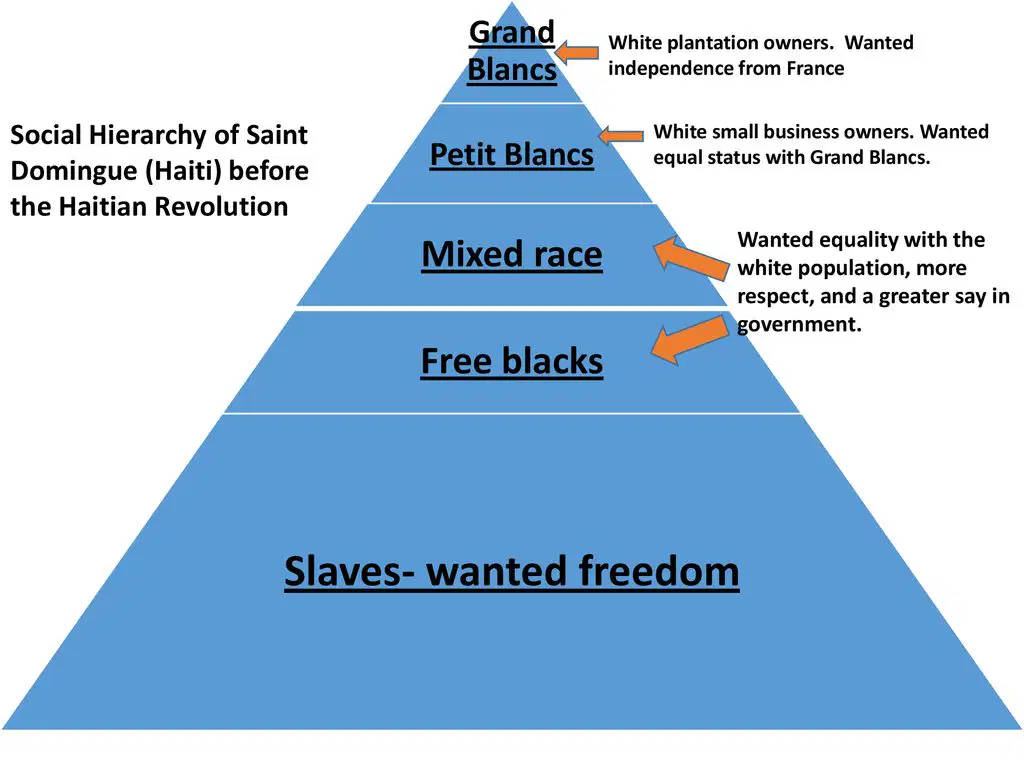
This is the social system of what country in the late 1700s?
Haiti
United States
South Africa
Latin America
France
By what date did most colonies in Latin America gain their independence?
1820s
1780s
1960s
1910s
1660s
Match the following leaders to their revolution.

Northern South America

Southern South America
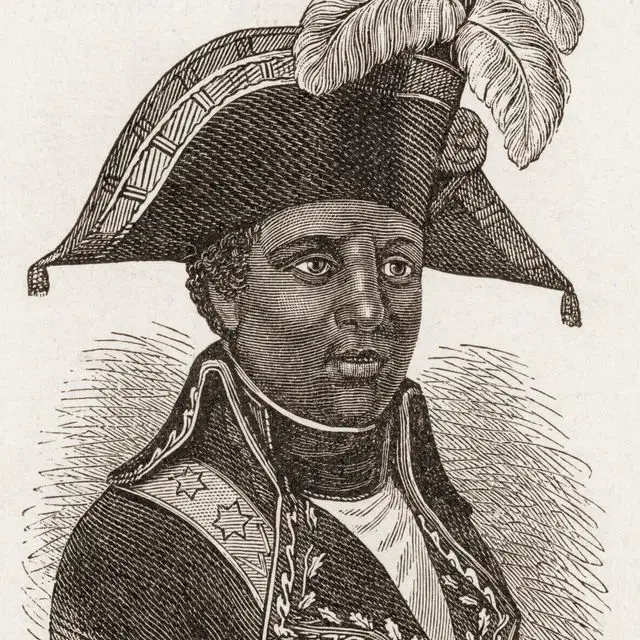
Haitian Revolution

French Revolution
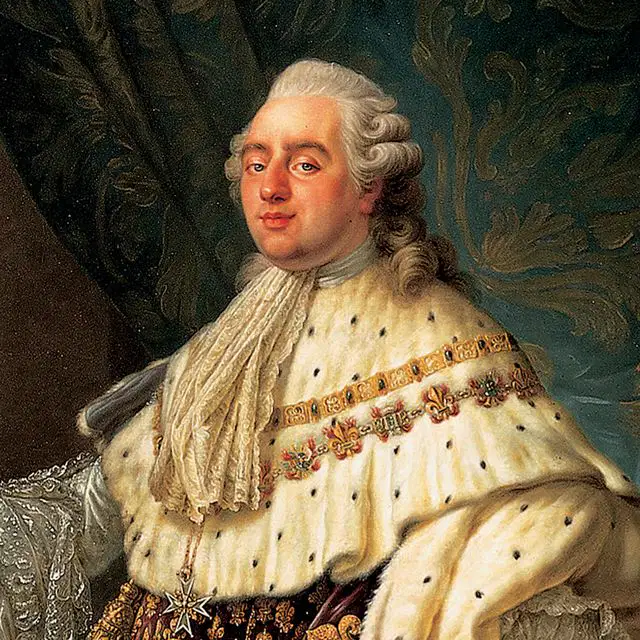
Was NOT a leader of a Revolution
What were the 2 goals of the Congress of Vienna?
to discuss what to do with this Napoleon guy after he invaded Russia unsuccessfully
to discuss a way to prevent anymore political revolutions in Europe
to discuss Enlightenment ideas
to discuss the Latin American Revolutions
When was the Congress of Vienna?
1815
1789
1801
1848
1777
What 2 big decisions were made by the Congress of Vienna? (CLICK 2.)
To banish Napoleon to an island. Exile.
That all attending European Nations would help one another if they had any political revolutions in the future
To make the Louisiana Purchase
To carve up Africa and start the "Scramble of Africa."
The era of Nationalism started when?
Late 1800s
1500s
Early 1900s
1960s
When did Germany and Italy finally become their own unified countries? Before this Germany was the Holy Roman Empire and Italy was just a set of city states.
1870
1776
1960
1911
1750
Organize these options into the right categories.
Started in 1780
Started in 1880
Started in Britian
Started in the U.S.A.
More about advancement's in farming
More about advancments in Industries
Electricity
Steam Power
The First I.R. started in (a) while the 2nd I.R. started in (b) .
What ended as a result of the First Industrial Revolution?
Cottage Industry
Factories
Agriculture
Communism
Mercantilism

This is a picture of what?
Cottage Industry
A Factory
Assembly Line
Tenement
When were these invented for the first time?
train
flying shuttle
spinning jenny
factory
steam engine
electricity
car
plane
phone
These are random unidentified pictures of new machines. Just by looking, what I.R. were they from?


Click ALL of the following descriptions that accurately describe ideals of Communism.
all people should be economically equal
opposite of Capitalism
all people should be equal
no private property
Why is Karl Marx famous?
He was the first to write about Capitalism
He was the first to write about Communism
He was the first to try Communism.
He started the Russian Revolution
What does Laissez-Faire mean?
The government should stay OUT of economic issues
The government should GET INVOLVED in economic issues
All people have liberty and worth
The government's most important goal is to protect its people's liberties
Which is a Laissez-Faire thing to say?
"The government is not doing enough during this recession. They need to step in and do more!"
"The government is corrupt and should be overturn!"
"Yes, the economy is not doing well, but it is not the government's job to fix it!"
Who first wrote about Laissez-Fair?
Adam Smith
John Locke
Voltaire
Montesquieu
Wollstonecraft
Which ONE of the following is NOT an effect of the FIRST I.R.?
Increase in population
Increase in pollution
Urbanization
French Revolution
Which nations industrialized by 1850?
U.S.A.
Britain
China
Ottoman Empire
India
What event is known for EXPONENTIALLY increasing the population of humans on earth?
Industrial Revolutions
Agricultural Revolution
WWI
WWII
Cold War
Put the following in chronological order:
Communist Manifesto is written
Italy becomes a unified country
Berlin Conference
Start of the Scramble of Africa
Boer Wars
Which of these things were in what century?
Enlightenment
Age of Imperialism
French Revolution
American Revolution
American Civil War
1st I.R.
2nd I.R.
Suez Canal Built
While this was happening there, this was happening at the same time over there. Match.
American Civil War
Suez Canal is built
French Revolution
First Industrial Revolution
Napoleon
Haitian Revolution
Which happened FIRST?
American Revolution
30 Years War
Trans-Continental Railroad is built
Taiping Rebellion
What major event really got people migrating out of China and Europe?
Industrial Revolution
Political Revolution
Age of Imperialism
Enlgithenment
What did the Monroe Doctrine do?
What caused the American Civil War to start?
While the American Civil War was happening the United States, what was happening in China?
While the American Civil War was happening, what was happening in Europe?
While the American Civil War was happening, what was happening in Latin America?
The Trans-Continental Railroad was significant, because why?
There were many causes to what started the Age of Imperialism. Which ONE of the following is NOT a cause?
Ethnocentrism
First Industrial Revolution
Nationalism
Desire for natural resources
Social Darwinism
What does Ethnocentrism mean?
What does Social Darwinism mean?

The idea that the U.S. guarded against European powers coming into the Western Hemisphere was developed out of what?
Monroe Doctrine
Social Darwinism
Ethnocentrism
Sphere of Influence
What caused the Opium Wars?
When were the Opium Wars?
Reorder the following
First Opium War
Taiping Rebellion
Second Opium War
Boxer Rebellion
End of Qing Dynasty
How is a colony different compared to a Sphere of Influence?
A colony is controlled by a foreign power, while a Sphere of Influence is an area of significant economic influence without direct control.
What year did the Qing Dynasty fall?
(a)
Reorder the following.
Tang
Song
Yuan
Ming
Qing
What caused the Taiping Rebellion?
What was the major impact that the Taiping Rebellion had on China?
one the largest death tolls in history
ALL of the following caused or led to the end of the Qing Dynasty EXCEPT which ONE?
Boxer Rebellion
Sphere of Influences in China
Mao Zedong
Taiping Rebellion
Opium Wars
Which one of the following had the most control over a territory than any of the others listed?
Colony
Protectorate
Sphere of Influence
The (a) led to the start of the (b) .
What were the results of the Sepoy Mutiny?
What caused the Sepoy Mutiny?
Introduction of new offensive uniforms
When was the British Raj in India?
What were the impacts of Matthew Perry visiting Japan?
When did Matthew Perry come to Japan for the first time?
Put the following in chronological order.
Matthew Perry comes to Japan
Tokugawa Period Ends
Westernization in Japan starts
Russo-Japanese War
Start of WWII
The Tokugawa Time Period in Japan was a time of ALL of the following EXCEPT which ONE?
war
peace
prosperity
isolation
economic growth
Which country threatened Japan, and as a result Japan opened its border to trade after more than 200 years?
United States
England
China
Portugal
Spain
TRUE or FALSE: The Meiji Restoration was a time period in which Japan became imperialistic and Westernized.
TRUE
FALSE
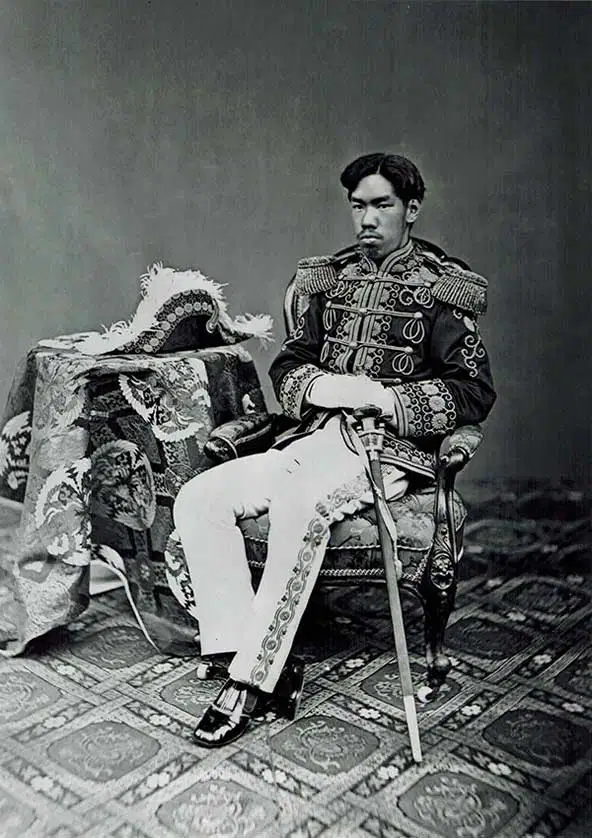
This is a picture best represents what?
Japan's adoption of Westernization
Japan's anti-Imperialist motivees
Japan's motives to join WWII
Japan's anti-Meiji notions
Who won the Russo-Japanese War?
Japan
Russia
When was the Romanov Dynasty?
Put the following Russian or Soviet leaders in order:
Tsar Nicholas II
Vladimir Lenin
Josef Stalin
Nikita Khrushchev
Catherine the Great was the leader of Russia when what was happening elsewhere in the world?
Enlightenment and the French Revolution
2nd Industrial Resolution
Russo-Japanese War
Age of Imperialism
What does Enlightened Despotism mean?
When did Russia FINALLY ban the outdated use of Serfdom?
So, who was the last country to ban serfdom?
USA
When was the Slave Trade banned in most countries around the world?
Late 1700s
Early 1900s
Early 1700s
Early 1800s
What movement inspired many countries to question and then ban the slave trade?
Enlightenment
Civil Rights Movement
Protestant Reformation
Haitian Revolution
American Civil War
Which person best embodies the ideas of Enlightened Despotism?
What was the event that started the 'Scramble of Africa'?
Berlin Conference of 1884
Congress of Vienna

This is a picture of what?
The Scramble of Africa
Berlin Conference of 1884
Congress of Vienna
Treaty of Versailles
Sepoy Mutiny
What was the impact of the Berlin Conference of 1884?
What was the Great Trek?
Movement of British settlers in South Africa during the 1830s and 1840s to escape the Dutch colonial rule and find better land for farming.
Movement of Dutch-speaking settlers in South Africa during the 1830s and 1840s to escape the Zulu tribes.
Reorder the following.
Foundation of the Cape of Good Hope Colony
The Great Trek
Anglo-Zulu Wars
Boer Wars
Apartheid ends
When was the Great Trek?
Who were the Boers?
Who were the Boer Wars between?
British and Boers
What did the Anglo-Zulu Wars and the Boer Wars have in common?
What did Cecil Rhodes and King Leopold II have in common?
They were both fought in the Boer Wars.
They were both explorers who made significant discoveries in Africa.
Where is the Suez Canal?
When was the Suez Canal built?
1818
1959
1869
1914
What is Muhammad Ali of Egypt famous for?
Being the first Black President or leader in Africa
What inspired Muhammad Ali of Egypt to modernize Egypt, the first country to do so in Africa?
Inspiration from trying to avoid what was happening in China during the Opium Wars
Inspiration from cultural reforms in India after the Sepoy Mutiny
Inspiration from technological advancements in Japan during the Meiji Restoration
Inspiration from military and administrative reforms in France by Napoleon
Organize these options into the right categories.
Came first
Came Second
1800s
Early 1900s
Advocated for Constitutional changes
Wanted to modernize
Supported Tanzimat Reforms
Advocated for secularism
Which group advocated for Tanzimat Reforms?
Young Turks
What were the Tanzimat Reforms?
New economic policies in the Ottoman Empire
A series of military campaigns in the Ottoman Empire
Policies in modernizing the Ottoman Empire's legal and administrative systems
Policies in getting rid of Islam in the Ottoman Empire's government
What did Tupac Amaru II do?
Helped lead the in the Latin American Revolutions
Was a famous Peninsulares who fought against the peasants
Was a famous leader of a Monroon Society in Brazil
What came first?
Tupac Amaru II rebellion
Latin American Revolutions
Which ONE of the following events is an example of RESISTANCE against colonial rule?
Tupac Amaru II Rebellion
Tanzimat Reforms
Anglo-Zulu Wars
Boer Wars
Ban of Serfdom in Russia
What is a Banana Republic in Latin America?
What caused the Banana Republics to occur in Latin America?
Match the the canal to when it was built.
Suez Canal
Built in 1869
Panama Canal
Built in 1904
Grand Canal
Post-Classical Era
This is a type of farming where farmers grow food crops to meet the needs of themselves and their family.
subsistence farming
terrace farming
cash crop farming
monocrop farming
Chinampas
This is a type of farming where farmers grow food for profit rather than for the use by the farmer.
subsistence farming
terrace farming
cash crop farming
monocrop farming
Chinampas
This is when a country or community depends on only one crop to grow, and it is the entire basis of their economy.
subsistence farming
terrace farming
cash crop farming
monocrop farming
Chinampas

