
 Worksheets
chw-greek contributions to Rome
Total questions: 113
Worksheet time: 1hrs 18mins
Which ancient civilization do you think had the coolest contributions?
Ancient Greece
Ancient Rome
What language formed the basis for the Romance languages?
Russian
Greek
Italian
Latin
Which of the following continues to use Latin today?
Roman Catholic Church
Surgeon General
World Bank
Coptic Church
What is the most likely reason that American law has many Latin terms?
in order to keep the meaning secret
because the church decreed it should be
in order to make sure that it is understood worldwide
because many of its core concepts are based on Roman law
Which of the following describes a Greek influence on Roman art?
Roman art portrayed abstract philosophical concepts
Roman art was focused on realistic details
Roman art often portrayed all humans as equals
Roman art was primarily focused on the landscape
Which of the following Greek beliefs was also held by Marcus Aurelius?
Justice is based on laws, and it must bow to the law.
Bravery and strength in battle were expressions of loyalty to the state.
Architectural buildings should primarily be built to honor the gods.
Men and slaves are equals because they both belong to nature.
What influence did the Greek epics written by Homer have on Roman culture?
They led Roman historians to question their loyalty to the Roman gods.
They caused Roman historians to disagree over the origins of Roman culture.
They inspired Virgil to compose an epic poem about Roman history.
They caused Cato to blame the Greeks for the loss of values in Roman society.
Which describes a government that controls many territories and people?
a democracy
a civilization
a village
an empire
Which of the following statements is a FACT, not an opinion, about ancient Rome?
Julius Caesar brought about the end of the Roman Empire.
Roman law was superior to Mesopotamian law.
Roman engineers built aqueducts that lasted for more than 1000 years.
The Pax Romana improved life in the Mediterranean region.

Pericles was to the Golden Age of Athens as Augustus Caesar was to the Golden Age of (a)
Egypt
Venice
Rome
England
Hammurabi's Code, the Ten Commandments, and the Twelve Tables were all significant to their societies because they established
democratic governments
rules of behavior
official religions
economic systems
What did Rome and Greece BOTH contribute to today?
sculptures and paintings
arches
columns
a good time

Which civilization contributed the Olympics?
Ancient Rome
Ancient Greece

Which religion would replace the (a) of the graphic?
Zoroastrianism
Islam
Christianity
Judaism
Which language was developed by Rome?
Latin
German
French
English
Both Greece and Rome were known for which of the following
Limited, rich soil
Farming
Mediterranean Sea
Sculptures
All of the above
Rome and Greece both known for their
Clay
Pottery
Cement
Terra Cotta
What is a republic?
Power held by the people and their elected representatives
Citizens have the right to vote and elect officials
None of the above
Both A and B
What contributions did Western civilizations take from the Greeks?
Arts and Theatre
Philosophy and mathematics
Aristotle and Socrates shaped culture's attitude and outlook on life
All of the above

Where is The Parthenon located?
Greece
Rome

Where is The Colosseum located?
Greece
Rome

Which ancient civilization created beautiful pottery?
Greece
Rome

Which ancient civilization was the birthplace of democracy (government by the people)?
Greece
Rome

Mosaics, sculptures, and paintings were often displayed on _____ buildings.
Greek
Roman
Hellenism refers to
devotion to the Greek Goddess Helen from the Trojan War saga
reverence for Greek Culture
a belief in monotheism
a devotion to Persian culture
Which is properly paired?
Cicero and Greece
Homer and Rome
Euripides and the Han
Marcus Aurelius and Rome
Which is not monotheistic in faith?
Hebrews
Greece
Islam
Christianity

Which of the following was NOT a form of government in Ancient Greece?
Monarchy
Republic
Tyranny
Direct Democracy
Who makes laws in a Direct Democracy?
Citizens voting for representatives who make laws
Citizens voting themselves on all laws
Presidents or Consuls
Kings or Emperors
Who makes laws in a Republic?
Citizens voting for representatives who make laws
Citizens voting directly on all laws
Presidents or Consuls
Kings or Emperors
Hellenistic culture is most closely associated with
Greece
Italy
England
France
Match the following geographic features with the role they played in historical empires.
Alps
Acted as a natural barrier for the Roman Empire
Tiber River
Central in the founding myth and development of Rome
Mediterranean Sea
Central in helping the Romans unify their empire
Great Rift Valley
Important geographical feature in Africa, not directly related to the Roman Empire
Ancient civilizations have contributed to our world today in the following ways EXCEPT through -
art
architecture
location
government
The Olympic games were a contribution of which ancient civilization?
Rome
Egypt
Greece
Mali
The Greeks and Romans traded goods on what body of water?
Atlantic Ocean
Mediterranean Sea
Nile River
Pacific Ocean
Match the following reasons with the correct explanation for why ancient Greece had so many small independent communities.
to make it easier to farm
Reason related to agricultural practices
to trade their goods
Reason related to economic activities
there was no transportation
Reason related to logistical constraints
there were many mountains
Reason related to geographical features
A government in which the people vote for a smaller group of citizens to make the rules and laws for everyone is a -
republic democracy
direct democracy
representative democracy
final democracy
Where was the birthplace of democracy?
Greece
Rome
China
Egypt

Which art form would most likely be on a building found in the shaded area?
Pottery
Jewelry
Mosaics
Basket Weaving

There are many columns on this building. What is this a picture of?
Parthenon
Colosseum
Aqueducts
Great Wall of China
Which of the following were created by the Romans? Select THREE correct answers.
Olympic Games
Aqueducts
The Parthenon
The Colosseum
Representative Democracy
Which of the following were contributions of the ancient Greeks? Select THREE correct answers.
Arches
Columns
Representative Democracy
Direct Democracy
The Parthenon

Which ancient civilization created this architecture? Hint: There are many of these in the Colosseum!
Greece
Rome
Egypt
China

This map shows the location of _____ in present-day Italy.
China
Rome
Greece
Egypt
People in ancient Greece AND Rome farmed on -
hillsides
flat land
beaches
mountain tops
Which word means the design of buildings?
Invention
Contribution
Architecture
Ancient
What did the ancient Greeks AND Romans do to adapt to their environment by the Mediterranean Sea?
They built ships for trading.
They farmed animals.
They mined natural resources.
They traded gold for salt.
Ancient civilizations have contributed to our world today in the following ways EXCEPT through -
art
architecture
location
government
The Olympic games were a contribution of which ancient civilization?
Rome
Egypt
Greece
Mali

Match the following descriptions of government systems with their corresponding statements.
Only male citizens participate in voting.
A system where suffrage is gender-specific.
Only wealthy citizens may be elected to government.
A system where financial status is a criterion for political candidacy.
Government voted on by the people.
A democratic system of governance.
Wealthy kings rule over the country.
A monarchy based on wealth.
The Greeks and Romans traded goods on what body of water?
Atlantic Ocean
Mediterranean Sea
Nile River
Pacific Ocean
Why did ancient Greece have so many small independent communities?
to make it easier to farm
to trader their goods
there was no transportation
there were many mountains
A government in which the people vote for a smaller group of citizens to make the rules and laws for everyone is a -
republic democracy
direct democracy
representative democracy
final democracy
Match the following countries with their significant historical contribution.
Greece
Birthplace of democracy
Rome
Development of the Republic system
China
Creation of paper and gunpowder
Egypt
Construction of the pyramids
Which art form would most likely be on a building found in the shaded area?
Pottery
Jewelry
Mosaics
Basket Weaving
There are many columns on this building. This is a picture of (a) .
Eddie's class votes to determine what the game at recess would be. What is this an example of?
Final Democracy
Representative Democracy
Direct Democracy
Republic Democracy
Which of the following were created by the Romans? Select THREE correct answers.
Olympic Games
Aqueducts
The Parthenon
The Colosseum
Representative Democracy
Which of the following were contributions of the ancient Greeks? Select THREE correct answers.
Arches
Columns
Representative Democracy
Direct Democracy
The Parthenon
Which ancient civilization created this architecture? Hint: There are many of these in the Colosseum!
Greece
Rome
Egypt
China
This map shows the location of _____ in present-day Italy.
China
Rome
Greece
Egypt
People in ancient Greece AND Rome farmed on -
hillsides
flat land
beaches
mountain tops
Which word means the design of buildings?
Invention
Contribution
Architecture
Ancient
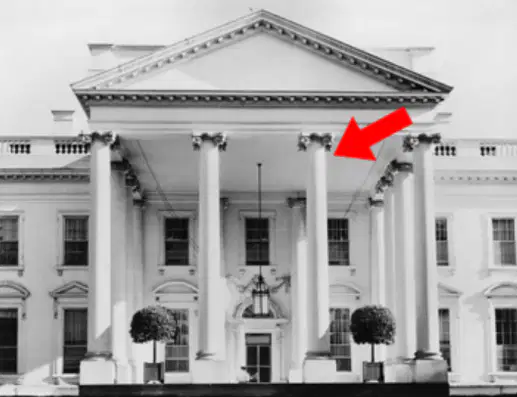
Which ancient civilization contributed columns, as show in this image of the White House?
Rome
Greece
Egypt
Mali
What did the ancient Greeks AND Romans do to adapt to their environment by the Mediterranean Sea?
They built ships for trading.
They farmed animals.
They mined natural resources.
They traded gold for salt.
Match the following bodies of water with the countries they do not surround.
Red Sea
Egypt, Jordan, Israel, Saudi Arabia
Aegean Sea
Greece, Turkey
Ionian Sea
Greece, Italy
Mediterranean Sea
Spain, France, Italy, Morocco
The following are Greek historian except for (a)
The following are Greek philosopher except for (a)

A government where people vote to make their own rules and laws
Direct Democracy
Representative Democracy
Where is The Parthenon located?
Greece
Rome
Where is The Colosseum located?
Greece
Rome
Which ancient civilization created beautiful pottery?
Greece
Rome

Which ancient civilization created mosaics?
Greece
Rome
Which ancient civilization was the birthplace of democracy (government by the people)?
Greece
Rome

Olympic games of today are modeled after the games of ancient ________.
Greece
Rome

Which ancient civilization created myths to teach lessons?
Greece
Rome
Mosaics, sculptures, and paintings were often displayed on _____ buildings.
Greek
Roman
Which ancient civilization do you think had the coolest contributions?
Ancient Greece
Ancient Rome
Which describes a government that controls many territories and people?
a democracy
a civilization
a village
an empire
Which of the following statements is a FACT, not an opinion, about ancient Rome?
Julius Caesar brought about the end of the Roman Empire.
Roman law was superior to Mesopotamian law.
Roman engineers built aqueducts that lasted for more than 1000 years.
The Pax Romana improved life in the Mediterranean region.
Pericles was to the Golden Age of Athens as Augustus Caesar was to the Golden Age of
Egypt
Venice
Rome
England
Two outstanding contributions of Rome to civilization were in
literature and medicine
painting and drama
music and military tactics
engineering and law
Hammurabi's Code, the Ten Commandments, and the Twelve Tables were all significant to their societies because they established
democratic governments
rules of behavior
official religions
economic systems
Which ancient civilization is known for the development of democracy?
Rome
Egypt
Greece
China
What was the primary purpose of the Roman aqueducts?
To provide entertainment through boat races
To irrigate agricultural lands
To transport goods across the empire
To supply water to cities
Which of the following was a significant achievement of the Ancient Greeks in the field of science?
The development of the steam engine
The theory of evolution
The heliocentric model of the solar system
The discovery of penicillin
Which Greek philosopher's works were extensively studied by Roman scholars?
Plato
Aristotle
Socrates
Pythagoras
How did Greek architecture influence Roman building techniques?
Use of wooden structures
Introduction of the arch
Development of the dome
Use of columns and post-and-lintel construction
What aspect of Greek culture was adopted and adapted in Roman education?
Physical education
Religious instruction
Philosophical debates
Study of Greek literature and language
What architectural feature is common to both Greek and Roman temples?
Minarets
Columns
Domes
Arches
Which ancient civilization is credited with the invention of democracy?
Rome
Greece
Egypt
Mesopotamia
What was the primary purpose of the Roman aqueducts?
To provide a water supply for agriculture
To facilitate trade routes
To provide urban centers with water
To serve as defensive structures
Which ancient civilization is known for the development of democracy?
Rome
Greece
Egypt
China
What was a major contribution of Roman engineering to architecture?
The invention of the dome
The development of the aqueduct
The creation of the arch
All of the above
Which of the following was a key characteristic of Hellenistic culture?
A focus on monotheistic religion
The spread of Greek culture and language throughout the Mediterranean
A rejection of philosophy and science
Isolationism and cultural stagnation
How did the Roman alphabet evolve from the Greek alphabet?
It was directly adopted without changes
It was adapted through Etruscan intermediaries
It was created independently of the Greek alphabet
It was influenced by Egyptian hieroglyphs
Which Greek philosopher's works were extensively studied by Roman scholars?
Pythagoras
Socrates
Plato
Aristotle
What was the primary reason for the spread of Greek culture in the Roman Empire?
The military conquests of Alexander the Great
The establishment of the Roman Republic
The trade relationships between Greek and Roman cities
The educational system adopted by the Romans
Which ancient civilization is known for its monumental pyramids?
Greece
Rome
Egypt
China
What was the primary purpose of the Roman aqueducts?
To provide entertainment through boat races
To serve as defensive structures
To transport water to urban centers
To mark territorial boundaries
Which form of government was primarily used in Ancient Rome after the fall of the Republic?
Democracy
Monarchy
Empire
Oligarchy

