
 Worksheets
6th Grade Earth Science Review
Total questions: 60
Worksheet time: 1hrs 4mins
1. Rock sediments that travel down a mountain, sand being blown across the beach, and mud sliding down a hill are all examples of
pressing and cementing
erosion
part of the rock cycle
fossil formation
The remains of living things that died long ago are often found in what type of rock?
igneous rocks
sedimentary rock
metamorphic rock
all rocks

Once magma reaches the earth's surface, it is called __________.
a vent
minerals
igneous rocks
lava
Rocks that are buried deep in the earth can be changed into an entirely new rock when it goes through what?
weathering and erosion
pressing and cementing
heat and pressure
cooling and hardening
Which rock is formed by layers of material that settled on the bottom of an ocean?
sedimentary
igneous
metamorphic
obsidian
Minerals and rocks are not exactly the same. How are minerals and rocks related to each other?
Minerals are groups of related rocks.
Minerals have crystals, but rocks do not.
Rocks are made up of one or more minerals.
Rocks contain different chemical compounds than minerals.
Sheila is classifying the rocks in her collection. She knows that limestone often contains fossils. In which category of rock should she classify these rocks?
igneous
granite
metamorphic
sedimentary
Both igneous rock and sedimentary rock can turn into metamorphic rock. What two conditions are necessary for this to happen?
heat and erosion
heat and pressure
weathering and erosion
weathering and pressure

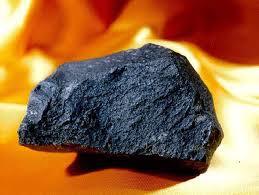
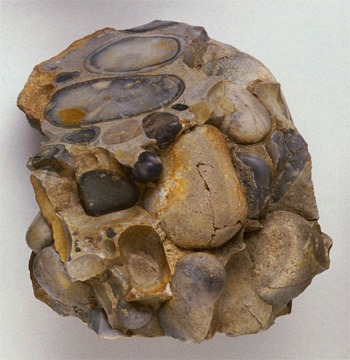


What type of rock is formed from slow cooling magma UNDER the earth's surface?
Extrusive Igneous
Intrusive Igneous
Metamorphic
Sediment

The seated sculpture of President Lincoln inside the Lincoln Memorial was carved out of white Georgia marble (formed from Earth's pressure and heat). What type of is marble?
Igneous
Metamorphic
Sedimentary
None of the above
Which characteristic is common to EXTRUSIVE igneous rocks?
Crystals
Fossils
Glassy surface
Ribbonlike layers
Identify the series of geologic processes that can transform magma into granite (igneous rock), granite into sand (sediment), and sand into sandstone (sedimentary rock).
Cooling; weathering and erosion; compacting and cementing
Melting; heat and pressure; cooling
Weathering and erosion; compacting and cementing;
Weathering and erosion; compacting and cementing; heat and pressure

This rock is often found near water.
Sedimentary
Igneous
Metamorphic


When camping in west Texas, we wake one morning to discover that our car and tent are covered with a thin layer of sand. This is an example of:
weathering
erosion
deposition

When we walk along the seashore, we look for shark teeth in the sand. Sometimes we also find unbroken sand dollars, too. This is an example of
weathering
erosion
deposition

Soil is made of ---
weathered rocks and minerals.
dead plants and animals.
air and water.
all of the above

Wind is a non-renewable energy source.
True
False
Choose the example(s) of a non-renewable resource.
Oil
Coal
Natural gas
All of the Above
Can a renewable resource become a non-renewable resource?
Yes
No
A non renewable resource formed from the remains of prehistoric plants and animals
Alternative energy
'Water cycle
Landforms
Fossil fuels
What are nonrenewable resources?
Natural resources that cannot be easily replaced once they are used up
Resources that are not affected by human activity
Man-made resources that are not easily replaced
Resources that can be easily replaced once they are used up
Give an example of a nonrenewable resource.
Solar energy
Fossil fuels
Hydroelectric power
Wind power
What are renewable resources?
Resources that are harmful to the environment
Resources that can only be used once and then disappear
Resources that are not found in nature
Natural resources that can be replenished or regenerated within a human lifetime
Give an example of a renewable resource.
Coal
Natural gas
Solar energy
Oil


What mineral property is shown in the picture?
hardness
cleavage
fracture
streak

