
 Worksheets
AT -4 TEST QUESTIONS
Total questions: 26
Worksheet time: 34mins
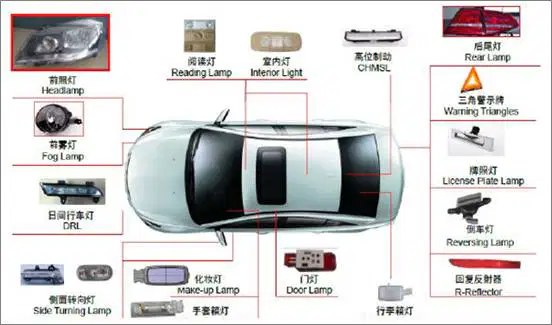
A system that conducts power to the exterior and interior lights on a vehicle.
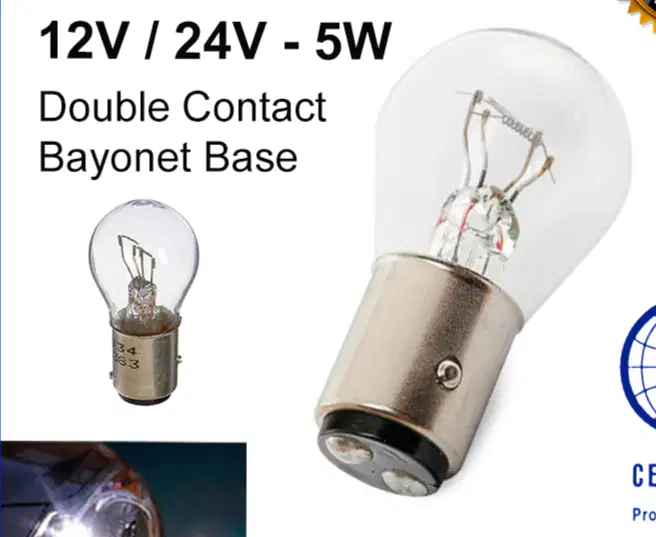
A type of bulb that uses a tungsten filament placed in vacuum inside a glass.
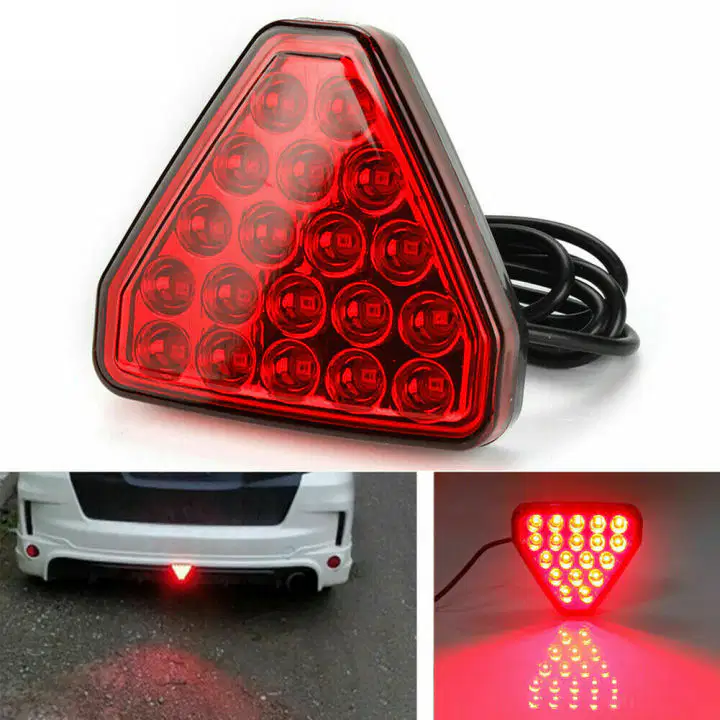
A type of bulb having no filament bulbs that are commonly used in automotive interior and exterior lighting.
Electrical Problems
What is the function of the automotive lighting system?
Regulate the engine temperature
Control the radio system
Provide illumination for safe driving and visibility
Adjust the seat positions
Which type of light bulbs are energy-efficient and commonly used in modern automotive lighting systems?
Fluorescent Tubes
Halogen Bulbs
Incandescent Bulbs
LED Lights
What do brake lights do in a vehicle?
Illuminate when the driver applies the brakes
Indicate the engine temperature
Activate the air conditioning system
Control the windshield wipers
What is the purpose of daytime running lights?
Activate when the radio is turned on
Indicate low fuel level
Provide light for night driving only
Automatically illuminate to improve visibility during the day
How do electronic lighting control systems improve efficiency?
Automatically adjust headlight intensity based on driving conditions
Increase fuel consumption
Decrease the lifespan of lighting components
Cause flickering of lights
What is the function of hazard warning lights?
Activate all turn signals simultaneously to alert other drivers of a hazardous situation
Indicate the vehicle's speed
Control the airbag system
Adjust the side mirrors
What is the purpose of a grounded circuit in the automotive lighting system?
Control the radio volume
Complete the circuit by connecting lighting components to the vehicle's chassis
Increase the brightness of the lights
Regulate the engine temperature
What is the principle behind the operation of liquid crystal displays (LCDs)?
Liquid crystals control the passage of light by manipulating their orientation with an electric current
Gas molecules control the display by changing color
Solid crystals reflect light to produce images
Plasma is used to generate images
How can blown bulbs affect the automotive lighting system?
Disrupt proper lighting function
Improve visibility
Increase energy efficiency
Extend the lifespan of bulbs
Why is precise calibration crucial for gauge circuits?
To increase energy consumption
To provide accurate readings
To control the radio system
To decrease the lifespan of the gauge
What is the main advantage of a wasted spark ignition system over a distributor-based system?
Individual control of ignition timing for each cylinder
Higher voltage at high rpms
No need for spark plug wires
Mechanical synchronization with the engine
What is the purpose of a crankshaft position sensor in a wasted spark ignition system?
To control the operation of the ignition coil
To generate high voltage for the spark plug
To regulate the fuel-air mixture in the engine
To sense the position of the engine for ignition timing
What is the key benefit of a coil-on-plug (COP) ignition system compared to a wasted spark system?
No need for crankshaft position sensor
Each cylinder gets its own ignition coil
Higher voltage at high rpms
Mechanical synchronization with the engine
Why is a monster coil like the AEM Smart Coil used in highly modified engines?
To generate 40,000 volts for reliable spark under high boost
To eliminate the need for a crankshaft position sensor
To increase the number of cylinders fired by each ignition coil
To reduce the engine's red line for better performance
What is the downside of using a monster coil like the AEM Smart Coil?
It uses spark plug wires
It cannot handle high rpms
It requires mechanical synchronization with the engine
It has limited voltage output
In a coil-on-plug (COP) system, why does each cylinder having its own ignition coil lead to better engine performance?
Increased friction between moving parts
Reduced voltage drop due to equal length spark plug wires
Higher chance of misfires at high rpms
More time to recharge and produce voltage at high rpms
What is the role of the ignition coil in the ignition system?
To increase voltage and current flow to the spark plug
To regulate the fuel-air mixture in the engine
To mechanically synchronize with the engine internals
To control the operation of the crankshaft position sensor
Why are spark plug wires not needed in a coil-on-plug (COP) system?
To generate 40,000 volts for reliable spark under high boost
To reduce the engine's red line for better performance
Because each cylinder has its own ignition coil
To increase the number of cylinders fired by each ignition coil
What advantage does an insulated gate bipolar transistor (IGBT) provide in a high-performance ignition coil like the AEM Smart Coil?
Combines high efficiency with fast switching for high rpms
Eliminates the need for a crankshaft position sensor
Reduces the number of cylinders fired by each ignition coil
Increases the reliance on spark plug wires
Why is increasing spark duration important in significantly modified engines?
To eliminate the need for a crankshaft position sensor
To reduce the engine's red line for better performance
To help unlock the full potential of the engine
To control the operation of the ignition coil
What is the main function of the automotive charging system?
Cooling the engine
Regulating the air conditioning
Controlling the steering wheel
Charging the battery and powering electrical components
Which components make up the charging system?
Battery, alternator, and voltage regulator
Starter motor, exhaust pipe, and brake pads
Battery, radiator, and spark plugs
Alternator, voltage regulator, and tires
What is the purpose of the alternator in the charging system?
To regulate the air conditioning system
To control the steering wheel
To convert mechanical energy to electrical energy
To cool down the engine
Which type of charging system is commonly found in modern vehicles?
Hybrid Charging System
Manual Charging System
AC Charging System
DC Charging System
What is an advantage of AC charging systems over DC charging systems?
Higher Efficiency
Limited Battery Compatibility
Motor Efficiency
Compatibility with Power Grids
How does an alternator work in the charging system?
By regulating the air conditioning system
By controlling the steering wheel
By cooling the engine
By converting mechanical energy to electrical energy
What is the function of the voltage regulator in the charging system?
To cool down the engine
To control the voltage supplied to the battery
To regulate the air conditioning system
To convert mechanical energy to electrical energy
What is a common problem that indicates a charging system issue?
Overheating of the engine
Low fuel efficiency
Faulty brake pads
Dead Battery
What can cause the charging system to fail due to low voltage output?
Worn or broken belts
Corrosion on the terminals
Overheating of the engine
Bad Alternator
How is the current from an alternator regulated to the battery?
By adjusting the tire pressure
By using a set of diodes
By controlling the steering wheel
By regulating the air conditioning system
What type of electricity does an alternator produce?
Alternating Current (AC)
Direct Current (DC)
Static Current (SC)
Dynamic Current (DC)
What is the purpose of a rectifier in an alternator?
Decrease Current
Increase Voltage
Convert DC to AC
Convert AC to DC
What component is used to limit and maintain a near constant output voltage in an alternator?
Diode
Capacitor
Transistor
Regulator
What is the function of the pulley in an alternator?
Provide Rotational Force
Connect to Battery
Generate Electricity
Control Voltage
What type of current is used in most electrical components within a car?
Dynamic Current (DC)
Direct Current (DC)
Static Current (SC)
Alternating Current (AC)
What is the purpose of the brushes in an alternator?
Control Voltage
Generate Heat
Store Energy
Form Electrical Connection
How does an alternator recharge the car battery?
By draining the battery
By generating heat
By converting AC to DC
By using a rectifier
What is the role of the stator in an alternator?
Convert DC to AC
Store Energy
Control Voltage
Generate AC Electricity
What is the purpose of the rear housing in an alternator?
Store Energy
Hold Internal Components
Generate Electricity
Control Voltage
How does an alternator control the output voltage and current?
By varying the speed of the car
By using a capacitor
By regulating the electromagnet strength
By increasing the number of coils

