
 Worksheets
Science Activity- Grade 4
Total questions: 71
Worksheet time: 45mins
It controls the way you breathe, walk, talk, learn, think, and remember things. It even controls your sadness, happiness, and all of your other emotions.
Brain
Heart
Lungs
Liver
These are the organs responsible for your breathing. These organs are found in your chest.
Brain
Lungs
Heart
Stomach

This pumps blood to all parts of the body. If it cannot pump blood, the rest of the organs would not be able to work and the body would die.
Heart
Brain
Lungs
The brain belongs to _________________ system.
respiratory
nervous
circulatory
digestive
The heart belongs to ______________________ system.
nervous
circulatory
digestive
respiratory
The gills that fishes have allows them to breathe inside water.
True
False
What is your body's largest organ?
heart
large intestine
skin
brain
Which of the following organ system is responsible for pumping blood all throughout our body?
respiratory
circulatory
digestive
integumentary
Which body system is responsible for carrying oxygen and carbon dioxide in and out of your body?
muscular
skeletal
respiratory
circulatory
Which of the following is NOT a part of the circulatory system?
blood
heart
blood vessels
stomach
Which organ system is responsible for controlling everything in the body?
Muscular System
Circulatory System
Nervous System
Digestive System
Which organ system is responsible for protecting and supporting the body with bones?
Nervous System
Skeletal System
Respiratory System
Digestive System
These two body systems work together to allow a person to move, talk, and run.
Integumentary and Skeletal System
Digestive and Circulatory System
Nervous and Respiratory
Skeletal and Muscular System
The _______________ controls all the organ systems of our body.
Brain
Lungs
Kidney
Liver
Digestion begins fro which part_________
Stomach
Mouth
Small intestine
Large intestine
Which of the following is located in our chest ?
Heart
Kidneys
Small intestine
Stomach
Heart beat faster when which of the following activity is performed ?


Our stomach expands when the food enters and contracts when it goes out.Thus the stomach can expand and contract.This is possible because our stomach is made of :
Bones
Muscles
Blood
Iron
Which of the following is not a good habit ?
washing our hands before eating food
Eating regularly at the same time in a day
Swallowing the food without chewing it
Eating fresh and warm food
What controls all our activities of seeing ,hearing ,learning,thinking and feeling ?
Skeletal system
Muscular system
Nervous system
Circulatory system

The organ in the above diagram is (a) .
Our _________________________ system enables us to breathe.
Blood circulatory
Respiratory
Nervous
Our ____________________ system breaks down food into simpler forms that our body can absorb and use.
Digestive
Excretory
Nervous
Our _____________________ system controls the activities of our body.
Nervous
Digestive
Blood circulatory
These are thick vessels that move blood carrying oxygen away from the heart and to the body.
arteries
cells
veins
capillaries
This is an organ that pumps blood throughout your body.
capillaries
veins
heart
arteries
This body system supports your body and gives it shape.
muscular
nervous
skeletal
respiratory
Which body system is responsible for bringing nutrients and oxygen to every cell in your body?
respiratory
muscular
excretory
circulatory
This body system consists of the brain, nerves, spinal cord, and sensory organs.
circulatory
excretory
respiratory
nervous
Which body system’s main purpose is to help the body move?
muscular
skeletal
respiratory
excretory

What organ system is represented in the image?
respiratory
skeletal
muscular
nervous
Skeleton system gives _______ to the body.
Money
Shape
Color
We find short bones in our:
Hands and feet
Elbow and skull
Ribcage and pelvis
We use jaw muscles to:
Walk
Talk
Hear
An adult has __________ bones.
206
306
406
Opposite of contract is:
Relax
Best
Max
The skull protects our:
Lungs
Heart
Brain
Lungs and heart are protected by:
Skull
Ribcage
Pelvis
Before taking any medicines we should:
Drink water
Read instructions
Run fast
All mammals, including humans, and dogs have a ........................... support movement .
skeleton
lungs
heart
●Without a ....................................., a mammal would have little shape and unable to move.
stomach
skeleton
lungs
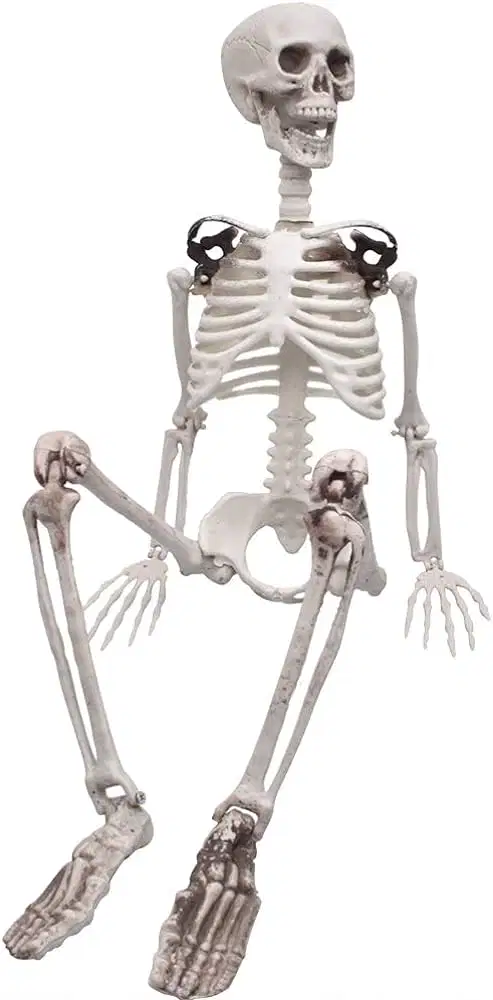
a rigid support system that includes bones that connect to the soft structures of the body.
(a)
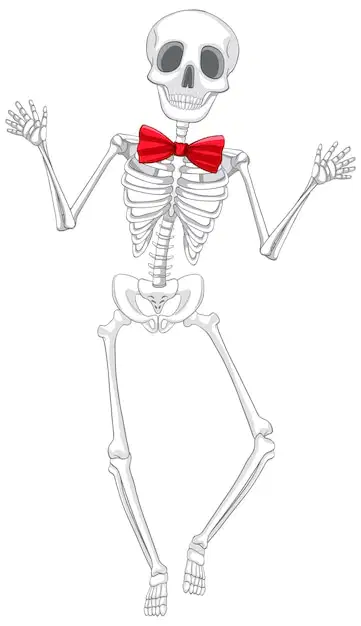
The ......................................................... protect the heart and lungs.
skull
brain
ribs

The (a) protects the brain .
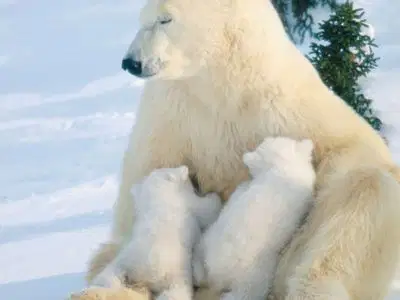
Cow , dog and ............................................from mammals .
snake
human
fish
Animals with an internal bony skeleton.
vertebrates
invertebrates
In vertebrates, the heart is located near the center of the body.
true
false
Have hearts that pump blood around the body in one circular motion
mammals
fish
Vertebrates that live in water have hearts that pump blood in two different circles.
false
true
What is the muscular system made up of?
All the muscles in the heart
Bones and muscles
All the muscles in the body
Everything in the body
What are the types of muscles?
Skeletal, cardiac and brain
Cardiac, Skeletal and smooth
Smooth, rough and soft
Skeletal, brain and nerve
The purpose of the muscular system is to...
Keep the heart beating
Hit the dab
Move the body
Transfer oxygen
Muscles you can control
Cramp
Strain
Involuntary
Voluntary
Tendons connect muscles to bone
True
False
What is the heart mainly made up of?
Skeletal muscles
Cardiac muscles
Smooth muscles
Veins and Arteries
Muscles can only _______ they cannot _____.
pull;push
push;pull
expand;increase
increase;expand
Muscles only work one way.
False
True
What are the three types of muscle tissues?
Skeletal, Red, White
Cardiac, Smooth, Skeletal
Red, White, Blue
Cardiac, Skeletal, Red
When your body receives signals from an external environment and transmits the information to the brain, which body system is being used
Nervous
Integumentary
Digestive
Skeletal
Muscle tissues are made of ____.
Organs
Muscles
Cells
Tissues
Muscles are connected to bones by an elastic-like (stretchy) strap called a ______
Joint
Bone
Tendon
Muscle
Which of the following is not a function of the skin?
regulates body temperature
stores water and fat
prevents entry of bacteria
supports body movement
Which of the following does not show proper care to our skin?
Having a healthy diet
Proper hygiene
Avoiding stress
Staying late at night

What layer of the skin is found beneath the epidermis?
Sweat glands
Hair follicle
Dermis
Subcutaneous layer
Which of the following shows proper care to our skin?


Too much exposure to the sun is good for our skin.
True
False
What is the top layer of skin called?
callus
epidermis
dermis
hypodermis
What is the top layer of skin called?
callus
epidermis
dermis
hypodermis
Which is NOT a function of the skin?
Waterproof layer
Movement
Helps prevent infection
Regulate body temperature

What layer is represented by letter B?
Hypodermis
Dermis
Stratum Lucidum
Epidermis
What layer of skin senses pain and pressure?
callus
epidermis
dermis
hypodermis

