
 Worksheets
Ecology Unit Review
Total questions: 113
Worksheet time: 3hrs 12mins
The study of the interactions between organisms and their environment is:
Ecology
Microbiology
Biology
Evolution
When members of the SAME species interact with one another they form a
population
community
organism
ecosystem
All living things in a given area, living and non-living.
Ecosystem
Biotic
Community
Species
The study of the interactions between organisms and their environment is:
Ecology
Microbiology
Biology
Evolution
When members of the SAME species interact with one another they form a
population
community
organism
ecosystem
All living things in a given area, living and non-living.
Ecosystem
Biotic
Community
Species
The rabbits and squirrels in an area are a part of the same
population
community
Groups of rabbits that live in the same area make up a
species
population
Which of the following has the levels of organization in order from smallest to largest?
Biosphere, Ecosystem, Community, Population, Species, Organism
Organism, Species, Community, Ecosystem, Biosphere
Organism, Species, Community, Population, Ecosystem, Biosphere
Biosphere, Ecosystem, Community, Population, Organism, Species
The non-living parts of the environment such as rocks, air, temperature, sunlight, and water
Abiotic
Biotic
Habitat
Community
The living or once living organisms in an ecosystem
Biology
Abiotic
Biotic
Ecology
Below is a list of factors in an ecosystem. Select all the abiotic factors.
Shelter
Water
Protists
Sunlight
Prokaryotes
If a scientist in New Zealand was studying how a group of herbivores interacted with a group of omnivores, and all of their abiotic surroundings, what level of ecology would she be studying?
Community
Population
Species
Ecosystem
Biome
Which of the following scenario best describes an ecosystem?
A pack of wolves that live in the same area
A single protist
Rabbits hopping around trees burrowing through soil
Birds, mice, and trees inhabiting the same area
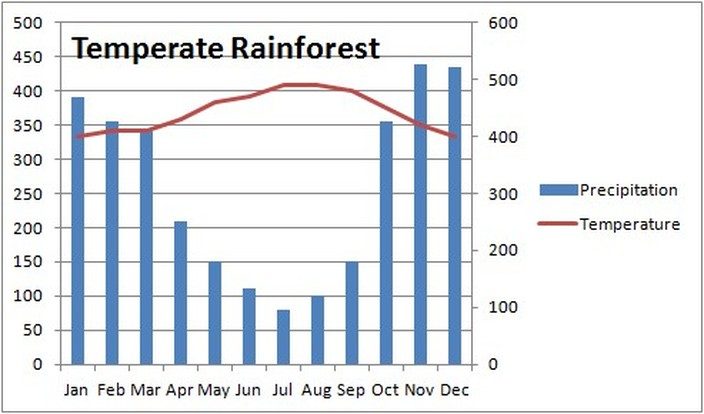
The most important abiotic factors when studying biomes are...
Food and Water
Water and Sunlight
Temperature and Oxygen
Water and Temperature
Which biome is characterized by low temperatures and low amounts of rainfall?
tundra
desert
temperate deciduous forest
tropical rain forest
An organism that is killed and eaten by another organism
Predator
Prey
Competition
Adaptation
What ecological relationship is depicted between Pumba (warthog) and the bugs?
Competition, because pumba is in competition with the bugs for food sources
Mutualistic, because Pumba and the bugs benefit each other
Predator-Prey, because Pumba is a predator that consumes bug as prey
Marlin and his son, Nemo, are clownfish that live in a sea anemone. Clownfish benefit by receiving protection and shelter from the sea anemone. The clownfish, in return, scares away predators of the sea anemone and provides nutrients for the sea anemone through its excrement (waste). The symbiotic relationship between Nemo and the sea anemone is known as -
parasitism
commensalism
predator-prey
competition
mutualism
The pearlfish receives protection from predators by living inside a sea cucumber. The sea cucumber is not affected during this interaction. This ecological relationship is known as -
predator-prey because the pearlfish is prey to the sea cucumber
mutualism because only the pearlfish benefits in this ecological relationship
parasitism because the pearlfish causes harm to the host sea cucumber
commensalism because only the pearlfish benefits while the sea cucumber is not affected
competition because the sea cucumber and pearlfish often fight for living space
A pair of red, male kangaroos are seen fighting over a potential mate. The ecological relationship between the two male kangaroos shown is -
Commensalism
Mutualism
Predator-Prey
Competition

Read the following scenario and determine which ecological relationship is depicted -
Mistle toe plants are common house decorations around the holidays. Mistle toes are plants that attach themselves to hosts such as a tree. Once attached, the mistletoes begin to tap into the vascular system of trees and draws out vital nutrients and water from the host tree. The host tree is harmed over time and may result in stunted growth.
Predator-Prey
Parasitism
Commensalism
Mutualism

A feeder fish usually follows behind sharks to pick up food scraps that they leave behind. The fish gets food and the shark is unaffected. This is an example of:
Mutualism
Commensalism
Parasitism
Decomposition
Which of the following is true about competition?
Controls population size
Ensures everyone eats
Keeps everyone happy
Is only between 2 men
______________ occurs when more than one individual or population tries to use the same limited resource.
Niche
Predator-prey
Availability
Competition
A relationship in which one organism benefits and the other is unaffected.
mutualism
parisitism
symbiosis
commensalism

What do the arrows in the food chain indicate about the flow of energy in an ecosystem?
Energy is continuously recycled by the organisms in an ecosystem.
Energy flows in one direction in an ecosystem, from producers to consumers.
More of the available energy in an ecosystem is given to large animals than to small animals.
Organisms at the end of the food chain receive more energy than those at the beginning.
How do consumers get their energy?
laying in the sun
eating other organisms
providing food for other organisms
surviving in an ecosystem

True or False. In this energy pyramid, the consumers on each level only get about 10 percent of energy that the trophic level before it has stored.
True
False
What might happen if you remove a primary consumer from the ecosystem?
There would be more food for secondary consumers.
The number of primary consumers would increase.
The number of plants would increase.
The number of secondary consumers would increase.

What makes an energy pyramid different than a food web or chain?
It shows energy flowing from the top of the chain and downward.
The tropic levels are the opposite
It shows the amount of energy in each trophic level
It shows specific predator/prey relationships

In this energy pyramid, what is the proper name for ANY ORGANISM ABOVE THE PRODUCER LEVEL?
decomposers
consumers
producers
omnivores

What happens if a population grows past its carrying capacity?
The population keeps growing
The population starts to die off
The entire species will go extinct
The carrying capacity just increases

What valid conclusion can you draw about the total deer population from the graph shown?
The total deer population increased gradually over time
An increase in limiting factors occurred in the year 1900
A decline in food sources occurred from years 1750-1900

A sample of bacteria was added to a culture dish containing a limited food supply. (Culture dishes are designed to help bacteria grow.) The dish was kept in an incubator for two weeks, where temperature that bacteria prefer to live in was kept constant. The graph to the right shows changes that occurred in the bacterial population over the two weeks.
Which statement provides the best explanation for the population increase then decrease?
The bacteria were unable to reproduce until day 8.
The bacteria ate all of the available food.
The bacteria could not grow at all in the provided temperatures.
The bacteria could not grow at all with the provided food type.


The study of the interactions between organisms and their environment is:
Ecology
Microbiology
Biology
Evolution


Fox squirrels are common in Texas. Fox squirrels primarily eat acorns and nuts from trees but also eat insects. Some predators of fox squirrels include owls, snakes, and bobcats.
Which diagram best represents how energy would flow to and from the fox squirrel?


The Florida panther once occupied areas from Florida to Louisiana. It now lives only in the southwestern tip of Florida. What is the most likely cause of the decline of the Florida panther population?
Competition for territory between panthers.
The weakening of species due to inbreeding
The loss of natural habitat due to human settlement.
The increase in the population of white-tailed deer

The diagram below shows an energy pyramid. In a marine ecosystem, algae carry out photosynthesis. Barracuda eat snapper fish. Reef sharks eat barracuda.
Which organism would be at the top of the energy pyramid?
algae
reef shark
barracuda
snapper fish
Which of the following describes a native population where there has been a decrease in the availability of food ?
An extinct wolf population remains extinct in a local forest.
A goldfish population that has fewer individuals than the prior year.
A pigeon population that has the same number of offspring as the past two years.
A frog population has more adults in a pond than when they were counted last year

The figure below shows a food chain that might exist in a meadow.
Which of the following best describes what the food chain represents?
how an organism might change over time
the movement of organisms throughout the ecosystem
the increase in size among organisms in the ecosystem
the path of energy transfer from producers to consumers
A farmer wants to expand the family farm, but doesn't want to negatively affect the local red tail hawk population. The farmer knows the following about the red tail hawk. 1. They nest in the nearby forest in the tall parts of the trees. 2. They eat fish, rats, mice, rabbits, lizards and birds. 3. They hunt in open fields, plains, lakes and rivers. What choice below would have the largest negative impact on the red tail hawk population?
Cut down the forest to plant a wheat field.
Change the flow a nearby river to open up a field to plant corn
Plant an apple orchard on part of an open field.
Build a barn to park the tractor

The food web below shows some of the feeding relationships among organisms in Arctic waters.
Which organism would be least affected by overfishing for cod in Arctic waters?
seals
shrimp
baleen whales
toothed whales

Which of the following best describes the role of bacteria in the food web above?
Uses energy from light, to combine oxygen, carbon dioxide and water and converts it into energy in the form of sugar.
Uses energy from dead organisms or waste material to break down dead organisms and waste material into nutrients.
Controls the population by removing energy from living organisms
Uses energy from dead organisms or waste material to transfers energy

This global food web shows how parts of a meadow ecosystem interact with parts of a marsh ecosystem.
Which of these is a food chain that is part of the global food web?
meadow grass → rabbit → fox → hawk
marsh grass → snail → small fish → hawk
marsh grass → grasshopper → mouse → fox
meadow grass → grasshopper → praying mantis → small fish
Gopher tortoises create their homes by digging holes in wee drained sandy soils throughout the southeast region of the U.S. The florida pine snakes will sometimes share the hole with the tortoises to shelter from weather or fire. Which of the following example demonstrates the same type of relationship?
Moths lay eggs in the seedpods of the yucca plant, the larvae hatch and feed on some but not all of the seeds and the moth acts as a pollinator for the plant.
The goby fish and blind shrimp live in a tunnel in the sand created by the shrimp and when a predator is near the goby fish will touch the shrimp to warn it.
Tapeworms live in the digestive system and eat partially digested food which eventually deprives the host of food and nourishment
A Pseudoscorpion is a tiny scorpion with no stinger that moves from place to place by hitching a ride on much larger insects

A student researching a northern forest ecosystem learns the following information about feeding relationships in the ecosystem.
Which food web best represents the flow of energy in these feeding relationships?


Mealy bugs are small insects that live on various types of plants and feed on their sap. When there is a large population of mealy bugs occupying a plant, they may remove too much sap causing the plant to change color or wilt. Ladybugs eat mealy bugs and are often used in greenhouses to control the population. Which type of relationship exists between the mealybugs’ ladybugs and plants?
The relationship between the ladybugs and mealybugs are an example of competition.
The ladybugs and mealybugs are an example of predation while the mealybugs and plants are an example of parasitism.
The ladybugs and plants are an example of mutualism while the mealybugs and plants are an example of parasitism.
The mealybugs and plants are an example of commensalism while the ladybugs and plants are an example of predation.
In order for an organism to move, which of the following energy transformations must happen in its cells?
Sound energy is transformed into light energy.
Mechanical energy is transformed into solar energy.
Chemical energy is transformed into kinetic energy.
Light energy is transformed into chemical energy.
What happens to MOST of the energy an organism takes in?
It is used for life processes.
It is lost the the environment as heat.
It is stored in the organism's body.
It is transferred to other organisms.

What happens during an energy transformation in a living thing?
Energy is created.
Energy is destroyed.
Energy is permanently stored.
Energy changes from one form to another.

What is the difference between a food web and an energy pyramid?
There is no difference; food webs and energy pyramids show the same types of relationships between organisms.
Food webs show all the feeding relationships between organisms, while energy pyramids show how energy moves from producer to consumer.
Food webs show an animal at the top of the energy pyramid, while energy pyramids show only how producers get their energy.
Energy pyramids show how energy flows between organisms, while food webs show only the different organisms in an ecosystem.
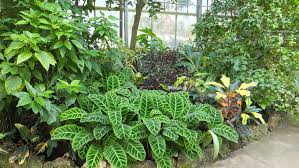
Match the grassland organism to its category.

Producer

Primary Consumer

Secondary Consumer

Tertiary Consumer

Apex Predator

Barnacles are animals that cannot move. In order to get food, they attach to whales and catch any floating plankton in the water. The whale is neither helped nor harmed in the interaction. What type of symbiosis is this?
Mutualism
Commensalism
Parasitism
Neutralism
There are 4 types of heterotrophs. Match each with its description
herbivore
gets energy from eating vegetation
omnivore
gets energy from eating meat and vegetation
carnivore
gets energy from eating meat
detritovore
gets energy/nutrients from dead matter

In the wild, some alligators gets their teeth cleaned by birds. The birds gets their food from the alligators' teeth.
What type of symbiosis is this?
Mutualism
Commensalism
Parasitism
Neutralism
Match the following
organisms which capture energy from nonliving sources and converts it into forms living cells can use
autotroph
organisms which acquire energy from other organisms, usually by eating them
heterotroph
organisms which produce energy-rich compounds that can be used later by other organisms
producer
organisms that rely on other organisms for energy and nutrients
consumer

Mr. Wagner is studying the plants and animals of Friedman Park. He classifies the grasses and clover as (a) because they make their own food through the process of (b) . He classifies insects that feed on the clover as (c) because he thinks they eat only plant matter.

How much energy is passed from one trophic level to the next? (a)
Aphids are small insects that live on various types of plants and feed on their sap. When there is a large population of aphids occupying a plant, they may remove too much sap causing the plant to change color or wilt. Ladybugs eat aphids and are often used in greenhouses to control the aphid population. Which type of relationship exists between the aphids ladybugs and plants?
The relationship between the ladybugs and aphids are an example of competition.
The aphids and plants are an example of commensalism while the ladybugs and plants
The ladybugs and aphids are an example of predation while the aphid and plants are an example of parasitism.
The ladybugs and plants are an example of mutualism while the aphid and plants are an example of parasitism.

Only (a) of energy is given to the next trophic level. (b) is eliminated as waste heat.

Which of the following best describes the role of bacteria in this food web?
Obtain energy from dead organisms and waste material and transfers that energy to living organisms
Controls the population by removing energy from the living organisms
Uses energy from dead organisms or waste material to break down dead organisms and waste material into nutrients.
Uses energy from light, to combine oxygen, carbon dioxide and water and converts it into energy in the form of sugar.
If the producers have 1,000 joules of energy, click on the level that will have 100 joules.

Which of the following best describes a relationship in the food web?
The green plant is a decomposer because it is consumed by the rabbit.
The goat is a primary consumer because it is consumed by the jackal.
The wild cat is a secondary consumer because it consumes the rabbit.
The mouse is a producer because it consumes the green plant.


NON-living parts of an ecosystem are collectively called (a) factors. Living (once living) parts of an ecosystem are collectively called (b) factors.

Match the following types of consumers to their descriptions:
Carnivore
Which consumer captures and eats other consumers only?
Omnivore
Which consumer captures and eats other consumers and producers?
Herbivore
Which consumer captures and eats producers?

An area that includes all the biotic and abiotic parts.
Ecosystem
This includes two or more populations that live in the same area.
Community
A single individual living thing.
Organism
A group of organisms of the same species living in a given area.
Population
large region characterized by similar climate, plant and animal species
Biome

Predation
a predator hunts and eats prey
Competition
two organisms in a species need the same food source.
Mutualism
symbiotic relationship where both species benefit
Commensalism
symbiotic relationship where one organism benefits and the other isn't affected.
Parasitism
symbiotic relationship where a parasite harms a host species.

Most of the energy in a trophic level, specifically (a) %, is (b) or lost as (c) . Only (d) % is passed up the food chain.

Which statements below explain why an inverted energy pyramid would likely not exist?
not enough producers to support the consumers
more energy is lost as you move up the pyramid
90% of the energy at each level is passed up each trophic level
There are always more consumers than producers in an ecosystem.

Niche
The job or role an organism plays in its environment
Habitat
Environment where an organism lives.
Predation
Ecological relationship in which one organism eats another.
Symbiosis
A close relationship between two organisms where at least one benefits.
Parasitism
Symbiotic relationship where one organism benefits and the other is harmed.

We can classify species in an ecosystem a few different ways. A (a) species is one in which other species in an ecosystem largely depend, and if it were removed, the ecosystem would change drastically. If these species are (b) , environmental groups normally work to protect them because losing them could be so damaging to the environment as a whole. (c) species are introduced to a new environment where they have no natural predators, and can outcompete native species. Great efforts are usually taken to (d) these species.
We use lots of different models to explain how energy flows in an ecosystem. Match each type to its example.

Food Chain

Energy Pyramid

Food Web

What are the producers in this food web?
Tree
Shrub
Grass
Fungi

Which of the following is the decomposer in this food chain?
Grass
Mushrooms
Owl
Mouse
Snake
Based on this food web, the rabbit is in what trophic level?
Producer
Primary Consumer
Secondary Consumer
Tertiary Consumer
Decomposer
Which of the following are carnivores in this food web?
Shrew
Deer
Mountain Lion
Snake
Fungi

Where does all energy in an ecosystem come from?
Producers
Primary Consumers
Secondary Consumers
Sun
Tertiary Consumers

This graph shows the populations of a predator and its prey over a period of time. Which of the following statements seems to be true?
The green line represents the prey species because there is always more prey than predators.
The green line represents the predator species because there is always more predators than prey.
The predator population changes mirror the prey populations, just delayed
There is no pattern that can be determined from this graph.

Which of the following likely explains why the rabbit population started to rapidly decrease after 64 years?
There was a dramatic decrease in the plant population.
There was a small increase in its predator population.
There was a sharp decrease in its predator population.
There was a huge increase in the plant population.

Even though polar bears are excellent swimmers, they rely on ice to hunt seals. While they also eat fish, the seals are the main food because their blubber is an excellent source of energy. The graph shows how their population has changed over time. What change to their ecosystem has likely had the biggest impact to their population over time?
Climate change melting sea ice.
An increase in the amount of snowfall in the polar bear's environment.
Expanding ice caps have spread out the polar bear population, making it hard for them to find mates.
The seals have migrated to the south pole, leaving them without their main food source.

The Texas blind salamander lives in the Edwards Aquafer region of San Marcos. Along with other species, the salamander lives in total darkness in the underground crevices and caves of the aquifer region. The table lists some of the organisms that live in this environment and their food sources. In an energy pyramid for these aquifer cave dwellers, which of the following would be placed at the bottom? (a)

The trout is a fish that lays its eggs in cold fresh water. Trout eat smaller fish. The graph provided shows the population of trout un the state of Wisconsin between the years of 1999 - 2014. Which change to the ecosystem would most likely had the largest effect on the population of the trout in Wisconsin? ++++
A hard freeze of many of the lakes in Wisconsin in the winter on 2006
The slow rise in water temperatures in Wisconsin between 1999 - 2014
The rise in population of smaller fish in Wisconsin between 2005 - 2014
The slow decrease in water temperatures in Wisconsin between 2001 - 2014

