
 Worksheets
Y8 KS3 Unit 8 Revision Guide Chemical Rxns
Total questions: 95
Worksheet time: 1hrs 17mins
Key Terms - What word definition is this? "A reaction that absorbs or takes in heat energy"
(a)
Key Terms - What word definition is this? "A reaction that releases or gives out in heat energy"
(a)
Key Terms - What word definition is this? "a substance that does not react"
(a)
Key Terms - What word definition is this? "a store of chemical energy"
(a)
Key Terms - What word definition is this? "another word for burning"
(a)
Key Terms - What word definition is this? "any reaction where a substance reacts or combines with oxygen"
(a)
Key Terms - What word definition is this? "measurements that are close to what they should be"
(a)
Key Terms - What word definition is this? "measurements that have been repeated and are similar or close to each other"
(a)
Key Terms - What word definition is this? "how readily a substance takes part in a reaction"
(a)
Key Terms - What word definition is this? "a chemical rxn where iron combines with oxygen in the presence of water to form iron oxide"
(a)
Key Terms - What word definition is this? "how reactive something is"
(a)
Key Terms - What word definition is this? "a compound formed when a metal reacts with acid ie magnesium chloride"
(a)
What gas is usually given off when a metal reacts with acid or when a metal reacts with water?
oxygen
hydrogen
nitrogen
air
helium
Which metals do not react with dilute acid?
silver
gold
magnesium
iron
zinc
Complete the general word equation for the reaction:
metal + acid --> (a) + hydrogen
Type the name of the missing chemical from the equation:
magnesium + hydrochloric acid → (a) + hydrogen
Type the name of the missing chemical from the equation:
magnesium + sulfuric acid → (a) + hydrogen
Type the name of the missing chemical from the equation:
Aluminium + hydrochloric acid → aluminium chloride + (a)
Type the name of the missing chemical from the equation:
Aluminium + sulfuric acid → aluminium sulfate + (a)
Type the name of the missing chemical from the equation:
Zinc + (a) → zinc chloride+ hydrogen
Type the name of the missing chemical from the equation:
Zinc + (a) → zinc nitrate+ hydrogen
Type the name of the missing chemical from the equation:
potassium + water --> (a) + hydrogen
Type the name of the missing chemical from the equation:
calcium + water --> (a) + hydrogen
Type the name of the missing chemical from the equation:
calcium + (a) --> calcium hydroxide + hydrogen
Type the name of the missing chemical from the equation:
sodium + (a) --> sodium hydroxide + hydrogen
Type the name of the missing chemical from the equation:
sodium + water --> sodium hydroxide + (a)
Type the name of the missing chemical from the equation:
lithium + water --> lithium hydroxide + (a)
Type the name of the missing chemical from the equation:
magnesium + steam --> magnesium (a) + hydrogen
Type the name of the missing chemical from the equation:
magnesium + oxygen --->
magnesium oxide + hydrogen
magensium hydroxide
magnesium + oxygen
oxide
Type the name of the missing chemical from the equation:
iron + oxygen --->
terry-oxide
iron oxide + hydrogen
iron hydroxide
iron + oxygen
iron oxide
Type the name of the missing chemical from the equation:
aluminum + (a) ---> aluminum oxide
Metals can be put in order of their reactivity, this is called the ....
reactivity order
reactivity series
substitution series
displacement series
When metals react with oxygen they make....
metal chlorides
metal carbonates
metal oxides
Alloys


Complete the equation for complete combustion
Fuel+ Water -----> (a) + water
ZINC + OXYGEN =
(a)
Which of these is NOT needed for a fire?
Heat
Fuel
Oxygen
Friction
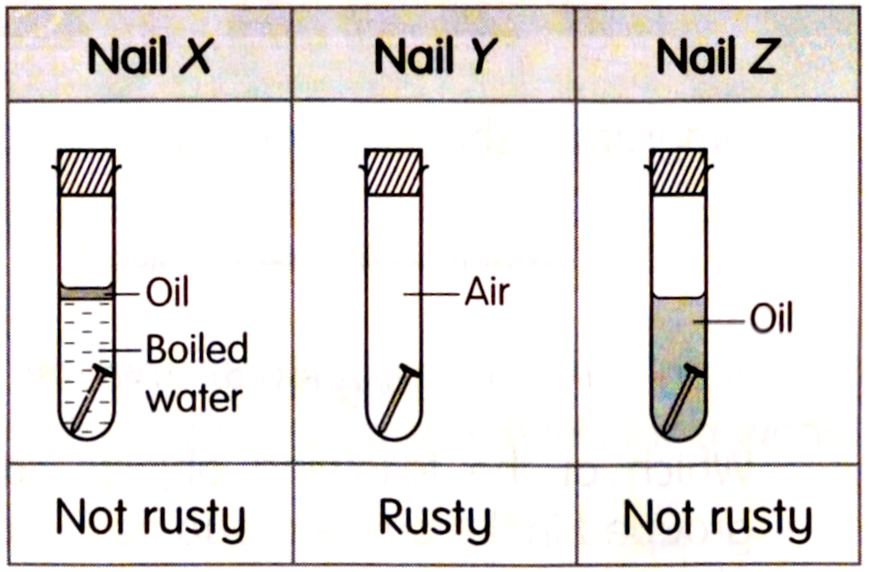
An experiment has been carried out by a group of pupils. The results of the experiment are recorded in Table 2.
What can be concluded from this experiment?
Nail X did not rust because exposed to the air and water.
Nail Y rust because exposed to the air and water.
Nail X did not rust because exposed to the oil layer.
Nail Z did not rust because exposed to water.

Which nails will rust after one week?
A
B
C
D

What is the function of the oil layer in test tube C?
prevent the air from going out
prevent air going inside
absorbs the air in the water
protect the nail from rusting
Does boiled water contain air?
Yes
No
What are the conditions for rusting? (You can tick more than 1 answer)
carbon dioxide
oxygen
nitrogen
water
True or False, rusting is the specific term used to describe the corrosion of iron.
True
False
Do all metals rust?
Yes
No
Do all metals corrode?
Yes
No

The picture shows an investigation into the conditions required for rusting. What is the purpose of the calcium chloride in test tube C?
To absorb moisture
To give out carbon dioxide
To absorb oxygen
To give out oxygen

The picture shows an investigation into the conditions required for rusting. What is the purpose of the layer of oil in test tube B?
To absorb moisture
To prevent oxygen getting into the water
To prevent carbon dioxide from being released
To keep the water in the test tube

Look at the picture. From what you see, choose which things are needed for rusting to occur.
water only
oxygen only
oil and water
water and oxygen
What is the chemical name for rust?
Magnesium sulphate
Iron oxide
Iron sulphate
Iron dioxide
Why is rusting a problem?
It looks ugly, no one likes orange
It makes iron really bendy
It makes iron lose its strength

In which tube will the nail go rusty?
The nail in tube A will go rusty.
The nail in tube B will go rusty.
The nail in tube C will go rusty.
What prevents Rusting
Painting , Oiling , Galvinising
Washing with water

Rusting is an example of
oxidation
reduction
What element rusts?
carbon
manganese
iron
potassium

Which of the following is more reactive?
Calcium
Magnesium
Zinc
Magnesium
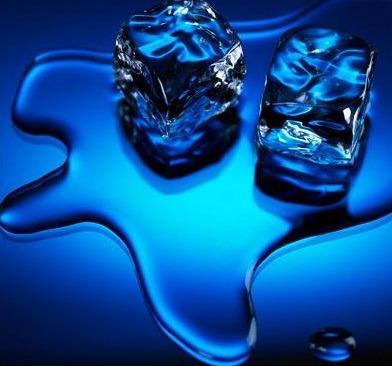
____ reactions usually feel cold.
endothermic
exothermic
Endo means in or _______.
absorbed
released
Exo means out or ________.
absorbed
released
What instrument would you use to detect an endothermic or exothermic reaction?
triple beam balance
ruler
thermometer
When a candle is lit hydrocarbons are combusting. An exothermic reaction is occuring. Energy is being _________________ .
absorbed
frozen
destroyed
released
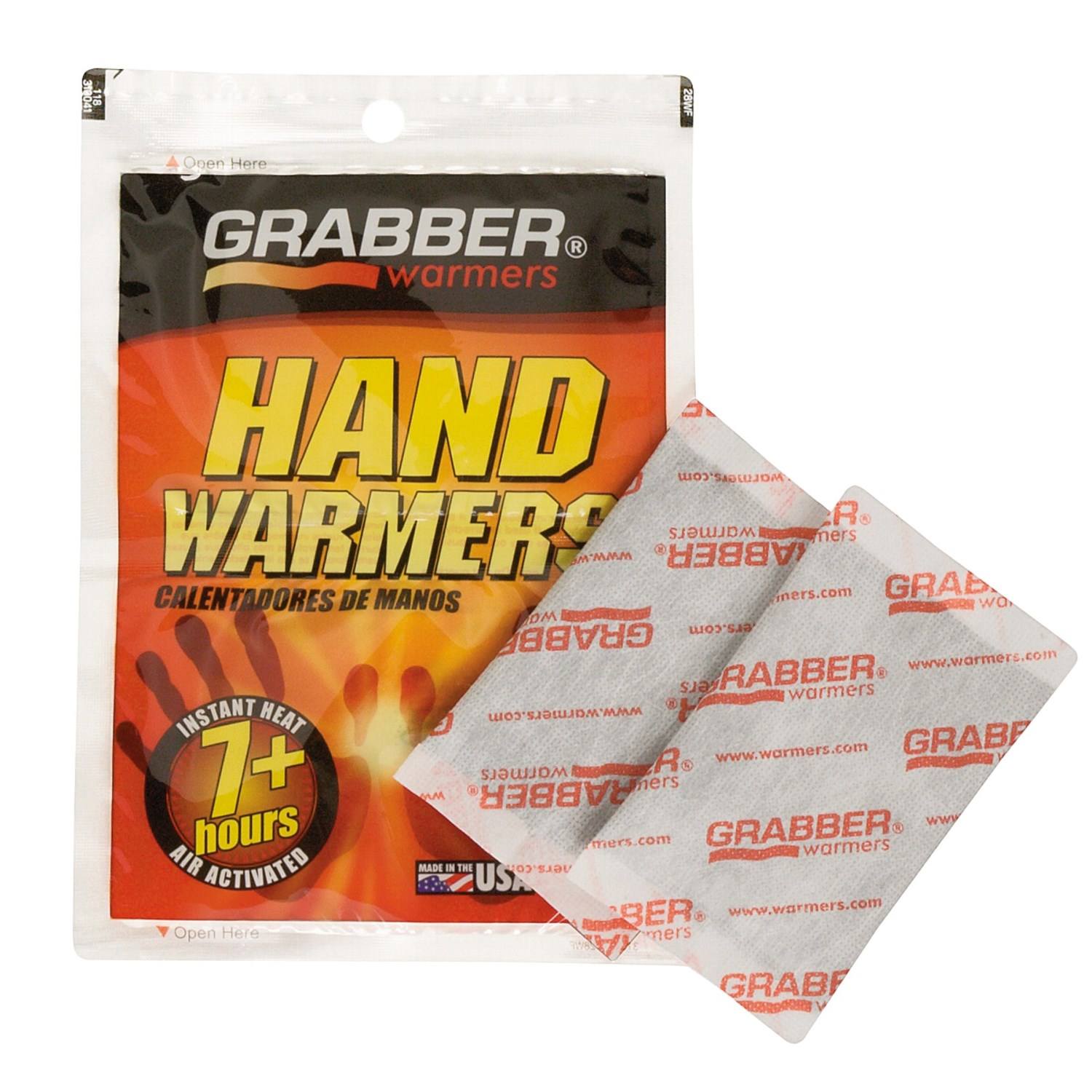
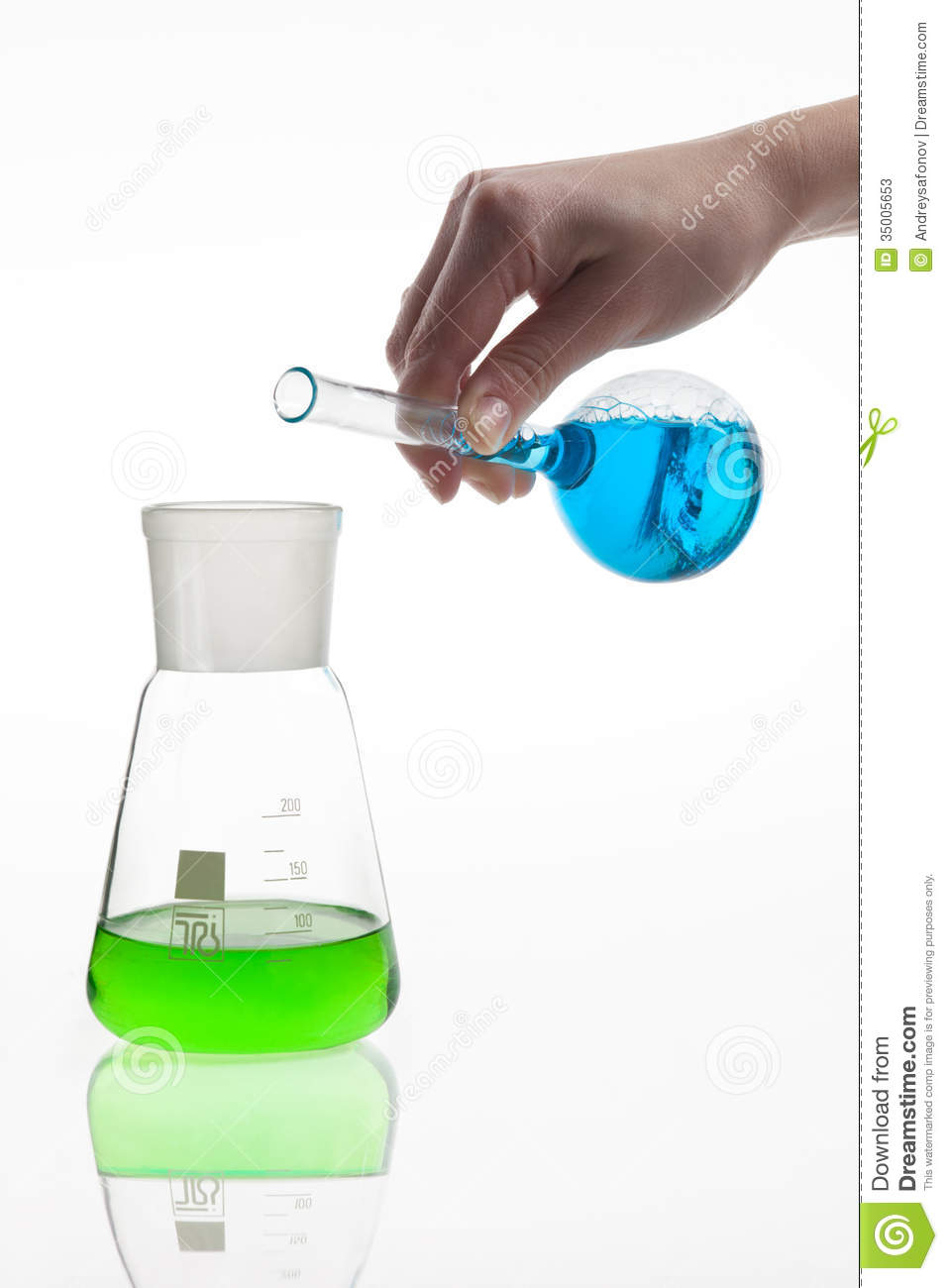
It is a physical change.
It is impossible to tell
What would likely happen if you were to touch the beaker in which an exothermic reaction was occurring?
The beaker would feel cooler
The beaker would feel warmer
The beaker would feel the same before and after a reaction
None of the above
Which of the following are examples of an Exothermic Reaction?
Cooking an egg
Plants making sugar through photosynthesis
Dynamite exploding

A melting ice cube is an example of
exothermic
endothermic
none
both

During evaporation, water absorbs heat so that bonds can break and water vapor forms. This is an example of an _____________ reaction.
endothermic
exothermic

When rust forms on nails, new bonds are formed and energy is released. This is an example of an _____________ reaction.
endothermic
exothermic

Ice cubes in your glass of soda melt.
endothermic
exothermic

Baking pizza in the oven
endothermic
exothermic

You freeze juice to make ice pops.
exothermic
endothermic

A sunflower makes food during photosynthesis.
exothermic
endothermic
Which metal is more reactive than calcium?
magnesium
potassium
silver
aluminum
Choose the least reactive metal
calcium
magnesium
iron
copper

In this reactivity series, which of the following is the most reactive element?
Gold
Calcium
Zinc
Potassium

In this reactivity series, which of the following is the least reactive element?
Gold
Calcium
Zinc
Potassium

True or False:
Magnesium is more reactive than silver.
True
False
True or False:
Lead is more reactive than iron.
True
False
Use the following observations to select the correct reactivity series (highest to lowest).
calcium + water: slow
sodium + water: fast
calcium + dilute acid: very fast
gold + dilute acid: no reaction
aluminium + dilute acid: fast
calcium, sodium, aluminium, gold
sodium, calcium, aluminium, gold
sodium, aluminium, calcium, gold
gold, aluminium, calcium, sodium
Which of the groups from the periodic table are most reactive?
Group 2 and Group 3
Group 1 only
Group 1 and 2
Group 6 and 7

What is the most likely identity of the metal on the filter paper?
Copper, because it is grey.
Potassium, because it can be cut with a knife showing it is soft.
Iron, because it looks grey and all iron looks grey.
Which of the following metals is kept under oil ?
Copper
Gold
Zinc
Potassium
Choose the most reactive metal
calcium
magnesium
iron
copper
Which is least reactive?
gold
Calcium
Magnesium

Read the underlined words carefully. Rank the metals according to decreasing reactivity (most reactive to least reactive).
Metal A, B, C, D
Metal A, C, B, D
Metal B, C, D, A
Metal D, B, C, A

Which metal reacts fastest with acid?
Copper
Iron
Zinc
Magnesium
When potassium reacts with sulfuric acid, what is the name of the salt produced?
Potassium Sulfide
Potassium Sulfur
Potassium Sulfuric
Potassium Sulfate

