
 Worksheets
Science f2
Total questions: 154
Worksheet time: 2hrs 46mins

The diagram shows the classification of animals. What is represented by X?
Leech
Planaria
Milipede
Starfish
Which of the following cannot be found in a damp soil?
Monkey
Earthworm
Leech
Milipede

The diagram shows an animal from a particular group. Which of the following can be categorised in the same grouo as the animal above?
Bat
Turtle
Lizard
Frog

The diagram shows three different types of animals. Which of the following is not correct about the animal above?
Female animal produce milk to preserve their youngs
Their bodies are covered with hair
Breathing using lungs
Cold-blooded

The following list shows three animals. What is the similarity between these animals?
Mammals
Invertebrates
Lay eggs
Body covered with scales
Tick the correct statements about non-flowering plants
Conifers reproduce by producing spores
Mosses reproduce by producing spores
Ferns have vascular system
Mosses have vascular system
Tick the characteristic of dicotyledon plant
Have network-like veins
Non-woody stem
Woody stem
Fibrous root
Choose is the characteristics of reptiles.
Lay eggs
Warm-blooded
External fertilisation
Cold-blooded
Choose the Non-flowering plants below
Grass
Moss
Fern
Durian tree
Choose the ways to preserve and conserve the diversity and stability of biodiversity in our country.
Do an illegal logging
Recycle used materials so that natural resources can be used sparingly
Increase the enforcement of laws
Do an open burning

The diagram shows the relationship between organisms J, K and L in a habitat. What can J, K and L represent?
J - producer. K - consumer. L - consumer
J - consumer. K - producer. L - decomposer
J - decomposer. K - consumer. L - producer
J - decomposer. K - producer. L - consumer

A
B
C
D

A
B
C
D

A
B
C
D

A
B
C
D

A
B
C
D

B
A
B
C
D

A
B
C
D

B
A
B
C
D

What is the type of interaction above
Prey-predator
Mutualism
Comensalism
Parasitism
Which of the following is NOT a characteristic of a plant with monocotyledon seed?
Has parallel vein leaves
Has woody stem
Has tap root
Has one cotyledon
Which of the following plants is a flowering plant?
Fern
Conifer
Moss
Durian tree
Which of the following types of plants are commonly found in a garden, with some being simple and small plants without a vascular system, and others having a vascular system within them that transport water and food throughout the plant, along with true roots, stems, and leaves?
Non-vascular ; Vascular
Vascular ; Non-vascular
Which characteristic of a paddy plant makes it different from other plants?
Has woody stem
Has leaves with parallel veins
Consist of two cotyledons
Has tap root
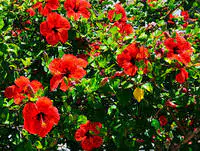
Which of the following characteristic describes the plant shown above?
One cotyledon
Leaves with parallel veins
Tap root
Fibrous root
Which of the following is a monocotyledon plant?
Durian tree
Banana plant
Rose plant
Mango plant
What do ferns and conifers have in common?
They are non-vascular
They reproduce through spores
They are vascular
They reproduce by bearing cones
Which of the following is a non-flowering plant?
Paddy plant
Tomato plant
Fern
Mango tree
Which of the following characteristics are typically found in monocotyledon plants?
(select more than one answer)
Fibrous root
Woody stem
Non-flowering
Leaves with parallel veins
Which of the following plants has tap roots, leaves with network-like veins, and a woody stem? (Choose more than 1 answer)
Durian tree
Paddy plant
Maize Plant
Rambutan tree
Which of the following is not the source (源) of carbohydrates?


Which class of food helps our body to fight against infections?
proteins
fats
carbohydrates
fibre

__________ helps to maintain a constant body temperature in our body.
Fibre
Vitamins
Energy giving food
Water

Rickets is caused by the deficiency (缺乏) of __________.
vitamin A
vitamin B
vitamin C
vitamin D

Night blindness (夜盲) is caused by the deficiency of ___________.
vitamin A
vitamin B
vitamin C
vitamin D

Which statement is correct regarding the importance of fibre?
Helps to stimulate (激发) peristalsis and prevents constipation (便秘).
Controls and regulates (调节) the body temperature in our body.

The diagram shows a food test that was carried out on a food sample.
Brick red precipitate is formed in the test tube.
Which of the following is the food sample tested?
Egg yolk
Olive oil
Honey
Peanut

The diagram shows the apparatus used in food test.
A red precipitate is formed when sample X is heated together with a few drops of Millon’s reagent.
What is the nutrient that can probably be found in solution X?
Oil
Protein
Glucose
Starch

What colour will starch turn brown iodine solution into?
blue-black
colourless
red
yellow

People who live in cold climate (气候) need MORE food to maintain body temperature as compared to people who live in hot climate.


Fat is completely digested (完全被消化) in the ________.
stomach
mouth
small intestine (小肠)
large intestine (大肠)
Which statement is NOT true about proteins?
Protein digestion begins in the mouth.
Proteins are used for cell growth and repair.
Proteins are broken down to amino acids.
Proteins are used to synthesize (制造) antibodies
What is the enzyme that break down fats?
Amylase
Maltose
Protease
Lipase

Water from the undigested food is absorbed (被吸收) mainly in the __________.
stomach
oesophagus
small intestine
large intestine

___________ is the end product of fat which used as heat insulator and to protect internal organs.
Glucose
Amino acid
Fatty acid and Glycerol
Food sample X is not digested in the mouth but is digested by the enzyme in the stomach.
What does X contain?
Starch
Protein
Fat
Maltose

Gary eats 250 g of rice, 200 g of fried egg and 100g of apple. Calculate the calorific value of the boy's breakfast.
2610kJ
5730kJ
5810kJ
5725kJ

Below are the enzymes produced by the pancreas except 除了) ?
Maltase
Amylase
Protease
Lipase

Which of the following should be included more in a balanced diet for a pregnant woman?
Iron
Fats
Calcium
Vitamin D

Which food is unsuitable (不适合) for a person who cannot produce (制造) enough bile?
butter
lean meat
spinach
rice
Here are the list of enzymes in small intestine and their functions (用处), which of these is true?
Amylase - Breakdown protein
Lipase - Breakdown carbohydrates
Protease - Breakdown protein
Anylase - Breakdown fat

The structure shown is a villus. How does the structure enables the digested food to be absorbed easily?
This structure has a one-cell thick wall.
This structure has a thick wall.

How well do you understand Chapter 3?
1. I don't know anything T.T
2. Okay la, I kind of understand
3. Steady, I got this! :D
4. Other thoughts?
The diagram shows the classification of animals. What is represented by X?
Leech
Planaria
Milipede
Starfish
Tick the characteristic of dicotyledon plant
Have network-like veins
Non-woody stem
Woody stem
Fibrous root
Choose the Non-flowering plants below
Grass
Moss
Fern
Durian tree
Plants can be classify into two main classes, which are:
monocotyledons and dicotyledons
woody and non-woody
flowering and non-flowering
parallel veins and network-like veins
Below shows the examples of non-flowering plants, EXCEPT:
Moss
Fern
Hibiscus
Conifer
Monocotyledons ________________, Dicotyledons _____________.
have two cotyledon, have one cotyledon
have leaves with network-like veins, have leaves with parallel veins
have non-woody stem, have woody stem
have tap roots, have fibrous roots.
The characteristics of Birds are:
Body covered with feathers
Breathe through gills
Internal fertilisation
Lay eggs with hard shells
Have wings or flaps
The characteristics of Fish are:
Body covered with slimy hard scales
Breathe through gills
Internal fertilisation
Lay eggs

What is the characteristic of this plant ?
Leaves with network-like veins
Dicotyledons
Wooden stem
Fibrous root system
Classification of (a) plants, can compare into monocotyledons or dicotyledons.

What is the characteristic of the plant?
Has parallel veins leaves
Has fibrous root
Has woody stem
One cotyledons

Which of the following plants has the same characteristics with the plant above?
Durian
Maize
Sunflower
Rubber

The dichotomy key above is constructed to classify the 4 animals. State the animal P ?


The dichotomy key above is constructed to classify the 4 animals. State the animal Q ?

The dichotomy key above is constructed to classify the 4 animals. State the animal R ?
The dichotomy key above is constructed to classify the 4 animals. State the animal S ?
The diagram shows three different types of animals. Which of the following is not correct about the animal above?
Female animal produce milk to preserve their youngs
Their bodies are covered with hair
Breathing using lungs
Cold-blooded
Tick the characteristic of dicotyledon plant
Have network-like veins
Non-woody stem
Woody stem
Fibrous root
Which of the following is NOT a characteristic of plant that has monocotyledon seed?
Has parallel vein leaves
Has tap root
Has woody stem
Non-flowering plant

What is the correct characteristic of a maize plant?
leaves with parallel veins
top root
has a woody stem
has two cotyledons
Which of the following is NOT a characteristic of plant that has monocotyledon seed?
Has parallel vein leaves
Has tap root
Has woody stem
Non-flowering plant
Which of the following plant can be classified into non-flowering plant?
Conifers
Grass
Cactus
Pomegranate tree
What is an endemic species?
Species that can be found anywhere
Animals that became endangered
Organisms that can only be found in restricted habitat
Plants that can undergo photosynthesis
Which of the following animal is invertebrates, has 6 pairs of legs and segmented body?
Ants
Spider
Millipede
Bat
An animal that has moist skin and no scales.
amphibian
mammal
reptile
fish
Which of the animals below are reptiles? CHOOSE ALL CORRECT ANSWERS! ( 2 answers)
croccodiles
alligators
chickens
fish
frogs
Choose the animal that is a vertebrate.
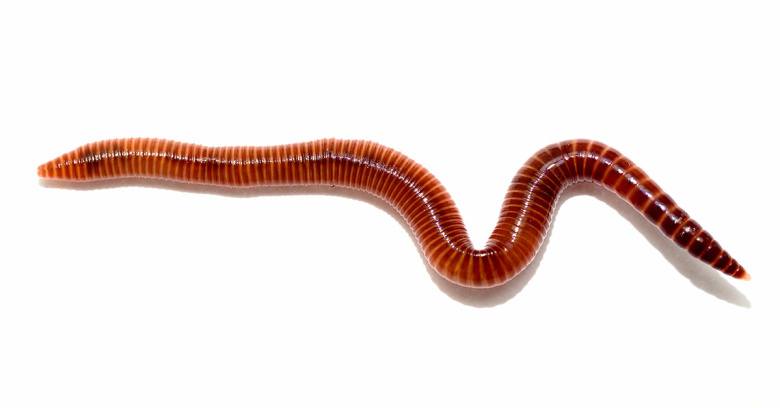
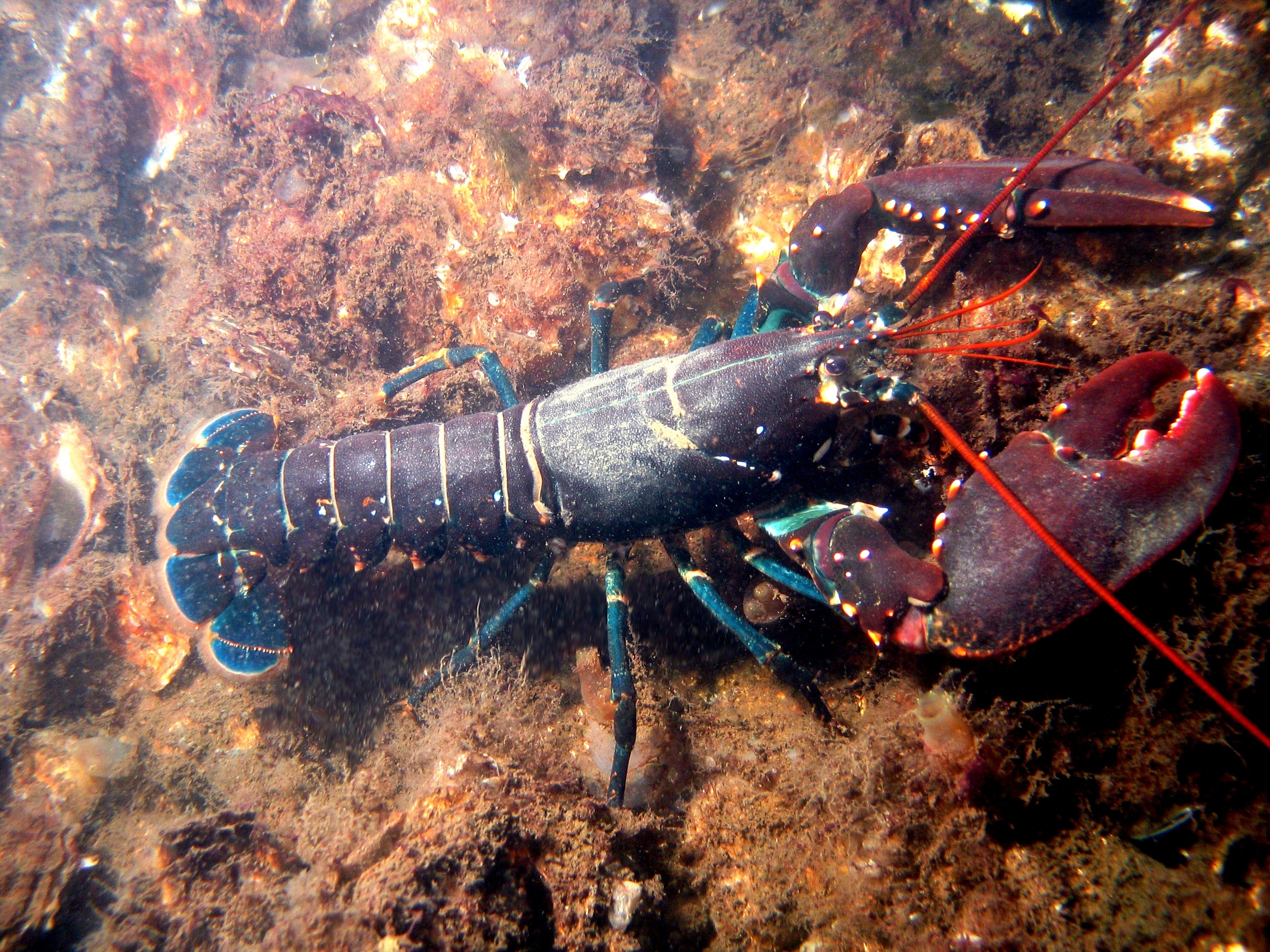
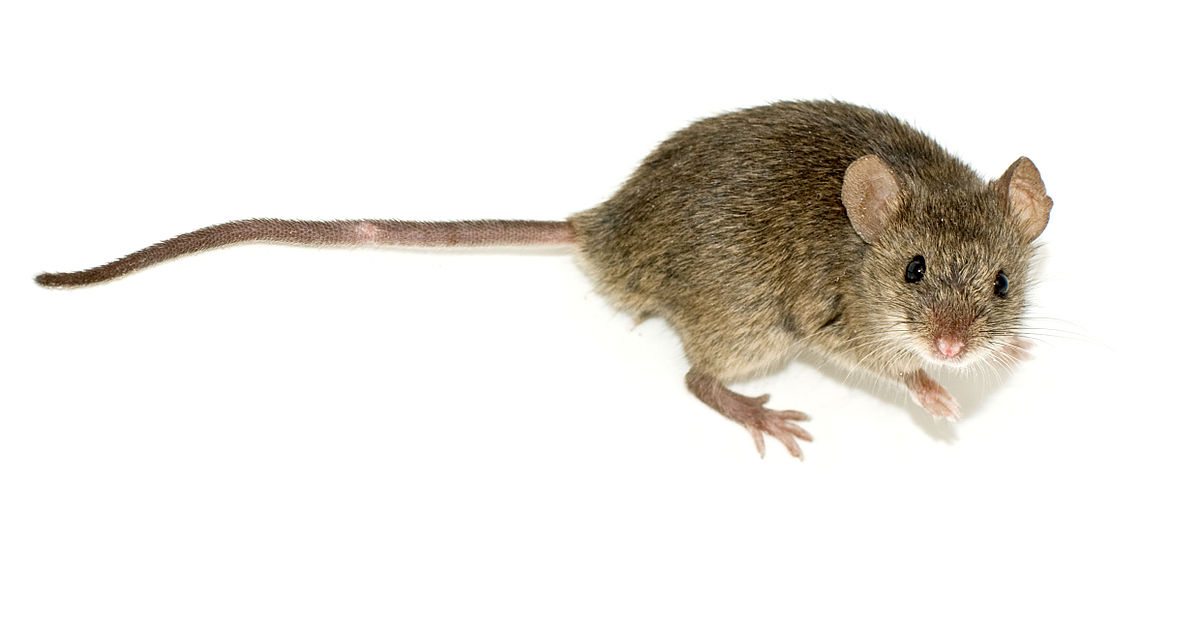
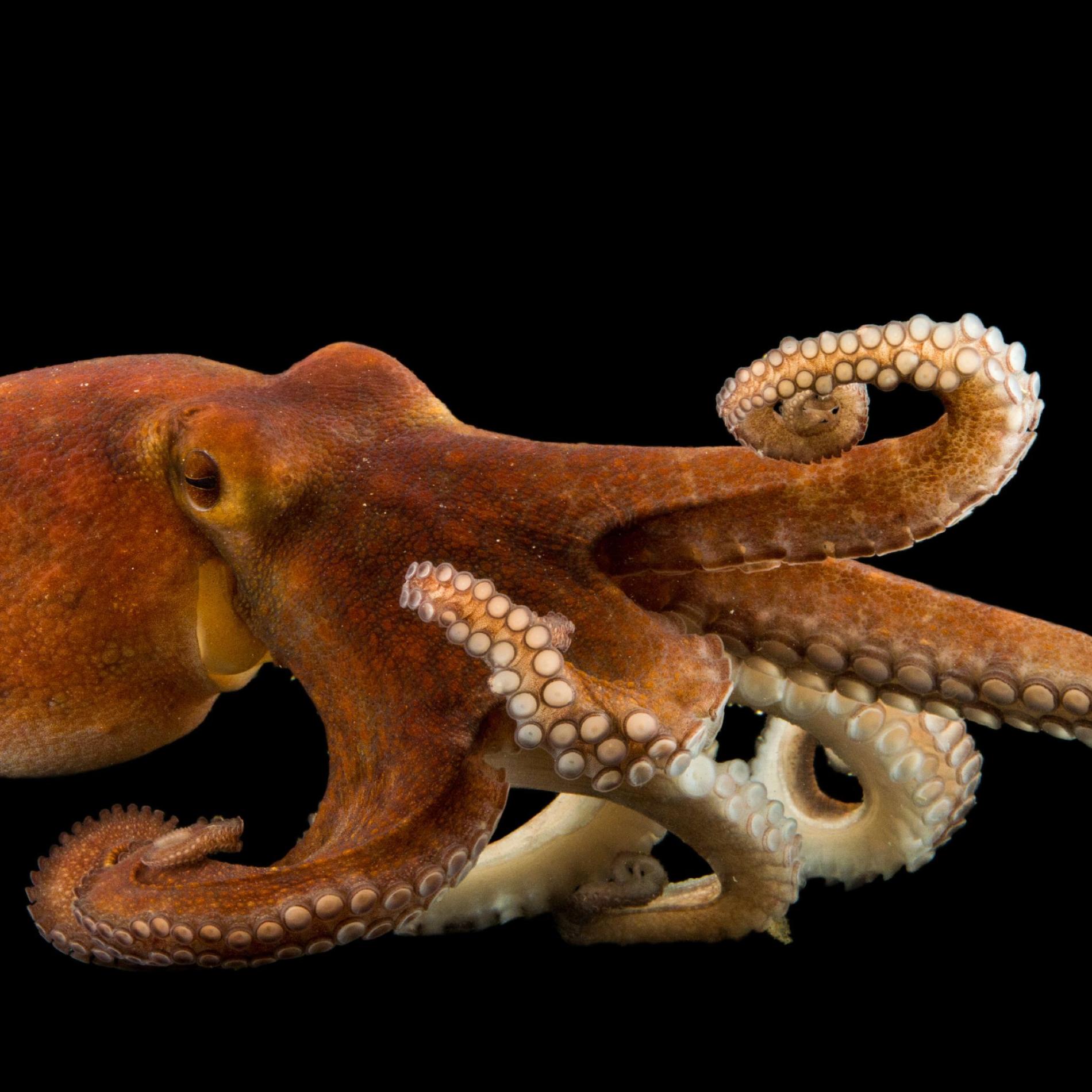
Animasls can be classified into ............
Vertebrates and invertebrates
Segmented or non-segmented body
Has leg or no leg
Fish or amphibian
Poikilothermic is
a body temperature that changes according to the surrounding
a body temperature that always maintain
An animal that has moist skin and no scales.
amphibian
mammal
reptile
fish
Which of the following plant can be classified into non-flowering plant?
Conifers
Grass
Cactus
Pomegranate tree
An owl who eats snakes is a _________.
consumer
decomposer
producer


The diagram shows two gases P and Q in a gas cycle. Which of the following are gases P and Q?
P: Oxygen ; Q: Carbon dioxide
P: Carbon dioxide; Q: Oxygen
P: Nitrogen; Q: Carbon dioxide
P: Nitrogen; Q: Oxygen
The main source of energy for producers.
The sun
Water
Glucose
Carbon dioxide
What is the type of interaction above
Prey-predator
Mutualism
Comensalism
Parasitism


Name the type of this symbiosis?
Mutualism
Commensalism
Parasitism
Interspecies

A food _______ consists of many food ________.
web, chains
chain, webs
pyramid, webs
web, pyramids

Lion and Zebra - The lion hunts and kills the zebra for its food. This is an example of?
predator-prey
mutualism
commensalism
parasitism
A habitat is the natural surroundings or home of an organism.
True
False
A group of organisms that have common characteristics and can reproduce to breed offsprings is called .......
ecosystem
community
species
population
A group of organisms of the same species that live in the same habitat is called .....
species
population
community
ecosystem
A community is a few species of different organisms that live together in one habitat and have mutual interaction with one another.
True
False
An ecosystem is a few communities that live together in one habitat and have mutual interaction with one another including all the non living components such as water, air and soil.
True
False
Which example shows a relationship between a living things and a nonliving thing?
An insect is food for a salmon
Water carries a rock downstream
A tree removes carbon dioxide from the air
A flower makes food for a butterfly
.............. includes all living and non-living things in an environment.
Population
Niche
Abitotic
Ecosystem
What would most likely happen if an ecosystem no longer received sunlight?
The number of herbivores would increase
The number of plants would increase
All organisms would adapt
All living organisms would eventually die
How does energy enter an ecosystem?
Sunlight
Soil
Animals
Invasive species
All the members of one species that live within an area of an ecosystem are called ............
population
community
niche
An individual living thing is a/an ...............
habitat
ecosystem
organism
population
The different populations that interact with each other in the same area are called ..............
ecosystem
food chain
food web
community
niche
What word describes a trait that helps an organism survive in its environment?
Natural selection
Mutation
Camouflage
Adaptation

Polar bears have an adaptation that allows them to swim. What is most likely this adaptation?
White coat
Fat belly
Small eyes
Webbed feet

Which lists the levels of an ecosystem in order from smallest to largest?
Ecosystem, community, population, organism
Community, population, organism, ecosystem
Organism, population, community, ecosystem
Organism, community, population, ecosystem
What needs of an organism are provided by its habitat?
Organism
Population
Food, shelter, water
Species
What is a group of organisms that are physically similar and can mate with each other and reproduce offspring that can mate and reproduce?
Population
Community
Species
Ecosystem
Which of the following is an example of a population?
Cats and dogs in your neighborhood
Bushes and grass in a park
The rocks in a rock collection
Gray wolves in a forest


The food component present in sugar is...
protein
carbohydrate
fat
vitamin

..................... provide more than double the energy provided by carbohydrates or proteins in human body.
Vitamins
Fats
Minerals
Starch
The component of food which helps our body to fight against infections is ..
proteins
fat
carbohydrates
starch

........... is essential for forming haemoglobin in the blood.
Calcium
Iron
Phosphorus
Magnesium

The disease caused by the deficiency of iodine is..............
Anaemia
Rickets
Goiter
Osteoporosis

The mineral which controls the functioning of thyroid is ....................
phosphorus
calcium
sodium
iodine
............. helps to maintain a constant body temperature in our body.
Fibre
Vitamins
Energy giving food
Water
Rickets is caused by the deficiency of ............
vitamin B1
vitamin D
vitamin C
vitamin A

Excessive body weight due over-nutrition leads to ................
rickets
scurvy
beri-beri
obesity
Iodine is to test the presence of ............ in the food.
carbohydrates
starch
fat
proteins
Night blindness is caused by the deficiency of .............
vitamin B
vitamin C
vitamin D
vitamin A
Fat is completely digested in the .....................
stomach
mouth
small intestine
large intestine
Water from the undigested food is absorbed mainly in the ...............
stomach
oesophagus
small intestine
large intestine

............... is the end product of fat which used as heat insulator and to protect internal organs.
Glucose
Amino acid
Fatty acid and Glycerol
Which statement is correct regarding the importance of fibre?
Helps to stimulate peristalsis and prevents constipation.
Controls and regulates the body temperature in our body.

The process of elimination of faeces from the body is called .................
assimilation
absorption of digested food.
chemical digestion
defecation
Measles, chicken pox, influenza is an examples of infectious diseases, yes or no.
Yes
No
What is the meaning of disease
An illness that cause by toxic chemical expose by our body.
Abnormal condition on body and mind that cause discomfort.
Normal condition by body react to certain foreign substance
Which of the following is disease that is not infectious?
Tinea
Tuberculosis
Dengue fever
cancer
" The organisms that can cause disease' is called _______
bacteria
pathogen
probiotic
biosome
Disease that can be transmitted from one individual to other individual is called _____________
non-infectious disease
infectious disease
genetic disease
sporadic disease
Not all viruses are pathogen. True of false
true
false
Infectious disease are spread by (i)__________ , transmitted by infected person called (ii) ______________.
pathogens, vector
vector, pathogens
pathogen, host
host, medium
What happen to the host when infected by pathogens?
show symptom of the disease like cough, fever, cold etc.
gain extra energy and power
do not show any sign of body deterioration

Based on the image, what is the true reason people need to wear that type of face mask.
wear by healthy person to protect from sick person.
to cover nose and mouth of sick person so that they cannot infect others
To filter small particle or smoke and dust from entering mouth
Sars-Cov2 virus that lead to Covid19 disease is example of (i)___________ disease that transmitted through (ii)_________ transmission.
(i) waterborne (ii) water
(i) touch (ii) parasite
(i) airborne (ii) droplet
Airborne disease can be prevented by practising the following, except
cover nose and mouth when sneezing or cough.
wash your hand with water only
avoid being in crowded places
avoid handshake
"Cholera, Typhoid, Amoebic dysentery"
is the common disease that transmitted through _____
air
touch
vector
water

The following skin disease can be prevented by...
Share and exchange cloth among friends
practice proper hygiene like showering.
eat and maintain proper and balance food.
Animal that transmit pathogen from one host to another is called __________
species
vector
predator
prey

This is the vector for...
zika virus
dengue virus
covid virus
hanta virus
In our body, the first line of defence consists of skin and mucous membrane.
True
False

This graph refer to
Passive natural immunity
Passive artificial immunity
Active natural immunity
Active artificial immunity
Which one is the correct statement for passive natural immunity?
temporary and short-lived
fast and temporary
occurs when a person recovers from an infection
occurs when a vaccine is injected into the body
Which of the following is a substance usually prepared from killed or weaken pathogens?
White blood cells
Antibodies
Lymph
Vaccines

This graph refer to
Passive natural immunity
Passive artificial immunity
Active natural immunity
Active artificial immunity
Two examples of diseases that can be transmitted through contact are ringworm and tinea.
True
False
Which way a pathogen can enter the body?
Nose
Injured skin
Mouth
All of the above
What is a vector?
pathogen
organism that carries pathogen
type of infectious disease
type of emerging disease

Rat carries pathogen named Salmonella typhi.
True
False

