
 Worksheets
CBSE_CLASS 10_SCIENCE 2020 (Outside Delhi)_SET 1_6
Total questions: 154
Worksheet time: 2hrs 57mins
Dobereiner's Triads. What is the first statement of the video clip?
Dobereiner's Triads: by 1829 Dobereiner had shown that when
the elements are arranged in the order of increasing atomic masses groups of three elements have similar properties
these groups are called triads
the atomic weight of the middle element in a triad is the arithmetic mean of the other two
Lithium 7 sodium 23 potassium 39
atomic weight of sodium equals 7 plus 39 upon 2 equals 23
lithium sodium and potassium have similar properties they belong to alkali metal group
all of them are metals they react with water to form alkalis and hydrogen
Dobereiner's Triads. What is the second statement of the video clip?
all of them have a valency of one calcium 40 strontium 88 barium 137
the atomic weight of the middle element in a triad is the arithmetic mean of the other two
Lithium 7 sodium 23 potassium 39
atomic weight of sodium equals 7 plus 39 upon 2 equals 23
lithium sodium and potassium have similar properties they belong to alkali metal group
all of them are metals they react with water to form alkalis and hydrogen
Dobereiner's Triads. What is the third statement of the video clip?
all of them have a valency of one calcium 40 strontium 88 barium 137
atomic weight of strontium equals 40 plus 137 upon 2 equal to 88.5
Lithium 7 sodium 23 potassium 39
atomic weight of sodium equals 7 plus 39 upon 2 equals 23
lithium sodium and potassium have similar properties they belong to alkali metal group
all of them are metals they react with water to form alkalis and hydrogen
Dobereiner's Triads. What is the fourth statement of the video clip?
all of them have a valency of one calcium 40 strontium 88 barium 137
atomic weight of strontium equals 40 plus 137 upon 2 equal to 88.5
calcium strontium and barium form triad. they belong to alkaline earth metal group
lithium sodium and potassium have similar properties they belong to alkali metal group
all of them are metals they react with water to form alkalis and hydrogen
Dobereiner's Triads. What is the fifth statement of the video clip?
all of them have a valency of one calcium 40 strontium 88 barium 137
atomic weight of strontium equals 40 plus 137 upon 2 equal to 88.5
calcium strontium and barium form triad. they belong to alkaline earth metal group
all these elements are metals oxides of these elements are alkaline in nature
all of them are metals they react with water to form alkalis and hydrogen
Dobereiner's Triads. What is the sixth statement of the video clip?
all of them have a valency of one calcium 40 strontium 88 barium 137
atomic weight of strontium equals 40 plus 137 upon 2 equal to 88.5
calcium strontium and barium form triad. they belong to alkaline earth metal group
all these elements are metals oxides of these elements are alkaline in nature
all these elements have a valency of two chlorine 35.5 bromine 80 iron 127
Dobereiner's Triads. What is the seventh statement of the video clip?
atomic weight of bromine equals 35.5 plus 127 by 2 equal to 81.25
atomic weight of strontium equals 40 plus 137 upon 2 equal to 88.5
calcium strontium and barium form triad. they belong to alkaline earth metal group
all these elements are metals oxides of these elements are alkaline in nature
all these elements have a valency of two chlorine 35.5 bromine 80 iron 127
Dobereiner's Triads. What is the Eighth statement of the video clip?
atomic weight of bromine equals 35.5 plus 127 by 2 equal to 81.25
chlorine bromine and iodine are triads among halogens
all these elements are non-metals
calcium strontium and barium form triad. they belong to alkaline earth metal group
all these elements are metals oxides of these elements are alkaline in nature
all these elements have a valency of two chlorine 35.5 bromine 80 iron 127
Dobereiner's Triads. What is the Ninth statement of the video clip?
atomic weight of bromine equals 35.5 plus 127 by 2 equal to 81.25
chlorine bromine and iodine are triads among halogens
all these elements are non-metals
all of them form acids with water.
all of them are monovalent elements.
all these elements are metals oxides of these elements are alkaline in nature
all these elements have a valency of two chlorine 35.5 bromine 80 iron 127
Dobereiner's Triads. What is the Tenth statement of the video clip?
atomic weight of bromine equals 35.5 plus 127 by 2 equal to 81.25
chlorine bromine and iodine are triads among halogens
all these elements are non-metals
all of them form acids with water.
all of them are monovalent elements.
demerits of Triads: halogens chlorine bromine iodine are difficult to place
all these elements have a valency of two chlorine 35.5 bromine 80 iron 127
Dobereiner's Triads. What is the Eleventh statement of the video clip?
atomic weight of bromine equals 35.5 plus 127 by 2 equal to 81.25
chlorine bromine and iodine are triads among halogens
all these elements are non-metals
all of them form acids with water.
all of them are monovalent elements.
demerits of Triads: halogens chlorine bromine iodine are difficult to place
iron manganese nickel cobalt zinc and copper are six similar elements but cannot be placed in the triad
Dobereiner's Triads. What is the Twelfth statement of the video clip?
atomic weight of bromine equals 35.5 plus 127 by 2 equal to 81.25
chlorine bromine and iodine are triads among halogens
all these elements are non-metals
all of them form acids with water.
all of them are monovalent elements.
demerits of Triads: halogens chlorine bromine iodine are difficult to place
iron manganese nickel cobalt zinc and copper are six similar elements but cannot be placed in the triad
Dobereiner's Triads. What is the Thirteenth statement of the video clip?
atomic weight of bromine equals 35.5 plus 127 by 2 equal to 81.25
chlorine bromine and iodine are triads among halogens
all these elements are non-metals
all of them form acids with water.
all of them are monovalent elements.
demerits of Triads: halogens chlorine bromine iodine are difficult to place
iron manganese nickel cobalt zinc and copper are six similar elements but cannot be placed in the triad
Dobereiner's Triads. What is the Fourteenth statement of the video clip?
atomic weight of bromine equals 35.5 plus 127 by 2 equal to 81.25
chlorine bromine and iodine are triads among halogens
all these elements are non-metals
all of them form acids with water.
all of them are monovalent elements.
demerits of Triads: halogens chlorine bromine iodine are difficult to place
iron manganese nickel cobalt zinc and copper are six similar elements but cannot be placed in the triad
Dobereiner's Triads. What is the Fifteenth statement of the video clip?
atomic weight of bromine equals 35.5 plus 127 by 2 equal to 81.25
chlorine bromine and iodine are triads among halogens
all these elements are non-metals
all of them form acids with water.
all of them are monovalent elements.
demerits of Triads: halogens chlorine bromine iodine are difficult to place
iron manganese nickel cobalt zinc and copper are six similar elements but cannot be placed in the triad
Which set of triads DOES NOT fit Dobereiner's Law of Triads?
lithium, sodium, potassium
calcium, strontium, barium
phosphorus, arsenic, antimony
chlorine, bromine, iodine
The Newlands' law of octaves for the classification of elements was found to be applicable only up to the _______ element
potassium
calcium
cobalt
phosphorus
In which order do we need to put sodium, potassium, lithium, for Dobereiner's Law of Triads ?
lithium, sodium, potassium
sodium, lithium, potassium
potassium ,lithium, sodium
sodium, potassium, lithium
The 'law of octaves' was enunciated by:
Lother Mayer
Mendeleev
Dobereiner
Newlands
On the basis o Newlands classification of elements, the properties of sulphur are similar to those of oxygen because sulphur is the______ element starting from oxygen.
7th
8th
3rd
6th
On what basis were the elements arranged in Dobereiner's triads ?
atomic number
atomic mass
electron number
number of electrons
How many traids did Dobereiner identify among the known elements?
5
3
2
1
Given that X, Y, Z are triads. Atomic masses of X and Z are 32,125 respectively. Then what is the atomic mass of Y is?
157
93
78.5
75.5
A & B are two elements having similar properties which obey the law of octaves. How many elements are there in between A and B?
6
7
8
5
If two members of a Dobereiner traid are calcium and stroncium, the third member of the triad is:
cesium
magnesium
barium
sodium
Which is NOT true of how Dmitri Mendeleev organized the periodic table?
He organized it by atomic mass
He organized it by the number of protons
He grouped elements with similar properties together in columns
He left gaps for elements he believed hadn't been discovered yet and predicted their properties
Which of the following is not a metal?
silicon
manganese
sodium
aluminum
Which of the following elements is a representative element?
Iron
Magnesium
Lanthanum
Actinium
Who is known as the "Father of Chemistry?"
Mendeleev
Moseley
Newlands
Lavoisier
The current periodic table we use today is organized by increasing ________________ and grouped by _________________
atomic mass & valence electrons
atomic number & properties
atomic weight & properties
atomic number & neutrons
Moseley organized the Periodic table by atomic _________, and Mendeleev organized it by atomic ___________
Mass, Number
Number, Mass
Structure, Mass
Number, Isotope

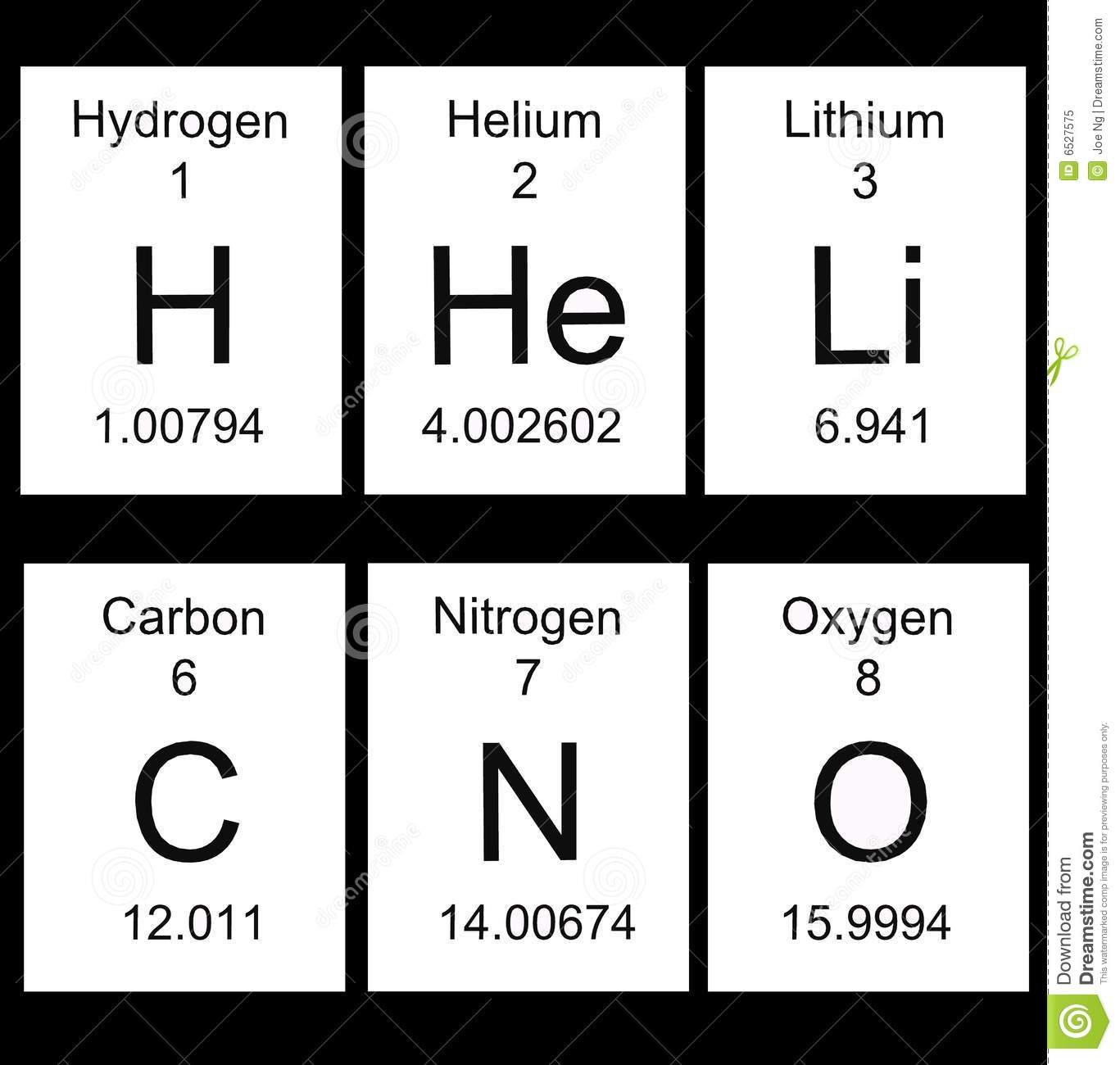
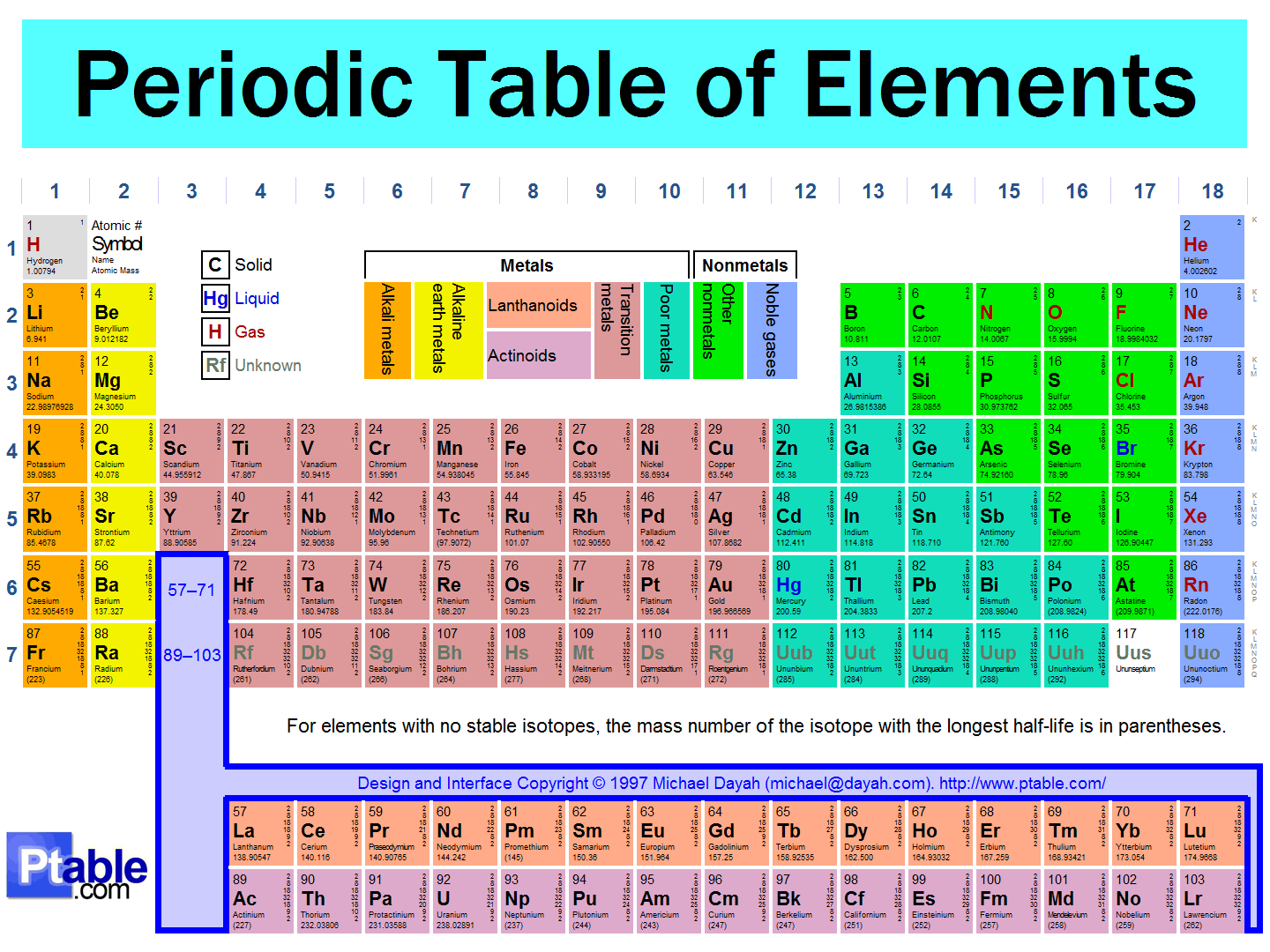
Which of the following are physical properties of metal?
Luster
Conductivity
Malleability
Ductility
Which of the following could be properties of nonmetals?
Poor electrical conductivity
Poor thermal conductivity
Dullness
Brittleness
a collection of atoms of one type that cannot be broken down into simpler substances by ordinary chemical or physical means
element
subatomic particle
electron
matter
one of several forms of a single element, which contains the same number of protons, but different numbers of neutrons
isotope
ion
orbital
nucleus

What are elements in groups 3-12 of the periodic table called?
Alkaline Earth Metals
Actinides
Lanthanides
Transition Metals
A rock was found, and it is shiny, brittle, and a semiconductor. What type of element is it?
metal
nonmetal
metalloid
semi-metals
In Rutherford's gold foil experiment, the particles were...
All being deflected because the atom is very dense
Mostly going straight through because the atom is mostly empty space
All going through because the atom is all empty space
Mendeleev’s Periodic Table. Classification of Elements. What is the first statement of the video clip?
Dmitri Ivanovich Mendeleev played quite a legendary role in the field of chemistry
He not only gave us the simplest and the most efficient method of grouping elements but also laid the foundations of periodic classification of elements that we used today
So in this video let's dedicate some time to understand what and how Mendeleev actually worked on
When Mendeleev began his work of grouping the elements and
arranging them there were almost 63 elements known to him
he was firm on the thought of arranging the elements with respect to their physical as well as chemical properties
Mendeleev’s Periodic Table. Classification of Elements. What is the second statement of the video clip?
He knew that for understanding the chemical properties he
would need to make them react with one or two standard elements
He not only gave us the simplest and the most efficient method of grouping elements but also laid the foundations of periodic classification of elements that we used today
So in this video let's dedicate some time to understand what and how Mendeleev actually worked on
When Mendeleev began his work of grouping the elements and
arranging them there were almost 63 elements known to him
he was firm on the thought of arranging the elements with respect to their physical as well as chemical properties
Mendeleev’s Periodic Table. Classification of Elements. What is the third statement of the video clip?
He knew that for understanding the chemical properties he
would need to make them react with one or two standard elements
for this he chose hydrogen and oxygen but why? Mendeleev thought of making the elements react with hydrogen and oxygen because of the following reasons
So in this video let's dedicate some time to understand what and how Mendeleev actually worked on
When Mendeleev began his work of grouping the elements and
arranging them there were almost 63 elements known to him
he was firm on the thought of arranging the elements with respect to their physical as well as chemical properties
Mendeleev’s Periodic Table. Classification of Elements. What is the fourth statement of the video clip?
He knew that for understanding the chemical properties he
would need to make them react with one or two standard elements
for this he chose hydrogen and oxygen but why? Mendeleev thought of making the elements react with hydrogen and oxygen because of the following reasons
they are very reactive. they are found readily and they form compounds with most of the elements
When Mendeleev began his work of grouping the elements and
arranging them there were almost 63 elements known to him
he was firm on the thought of arranging the elements with respect to their physical as well as chemical properties
Mendeleev’s Periodic Table. Classification of Elements. What is the Fifth statement of the video clip?
He knew that for understanding the chemical properties he
would need to make them react with one or two standard elements
for this he chose hydrogen and oxygen but why? Mendeleev thought of making the elements react with hydrogen and oxygen because of the following reasons
they are very reactive. they are found readily and they form compounds with most of the elements
yes this helped him understand the chemical properties of
all the reacting elements
he was firm on the thought of arranging the elements with respect to their physical as well as chemical properties
Mendeleev’s Periodic Table. Classification of Elements. What is the Sixth statement of the video clip?
He knew that for understanding the chemical properties he
would need to make them react with one or two standard elements
for this he chose hydrogen and oxygen but why? Mendeleev thought of making the elements react with hydrogen and oxygen because of the following reasons
they are very reactive. they are found readily and they form compounds with most of the elements
yes this helped him understand the chemical properties of
all the reacting elements
later in order to simplify the process he wrote all the physical and chemical properties of each element on 63 different cards
now all he had to do is arrange these cards but that wasn't so simple
Mendeleev’s Periodic Table. Classification of Elements. What is the Seventh statement of the video clip?
so he started arranging the cards in the increasing order of the atomic masses
for this he chose hydrogen and oxygen but why? Mendeleev thought of making the elements react with hydrogen and oxygen because of the following reasons
they are very reactive. they are found readily and they form compounds with most of the elements
yes this helped him understand the chemical properties of
all the reacting elements
later in order to simplify the process he wrote all the physical and chemical properties of each element on 63 different cards
now all he had to do is arrange these cards but that wasn't so simple
Mendeleev’s Periodic Table. Classification of Elements. What is the Eighth statement of the video clip?
so he started arranging the cards in the increasing order of the atomic masses
when he was done pasting all these cards on his wall he had two astonishing observations
they are very reactive. they are found readily and they form compounds with most of the elements
yes this helped him understand the chemical properties of
all the reacting elements
later in order to simplify the process he wrote all the physical and chemical properties of each element on 63 different cards
now all he had to do is arrange these cards but that wasn't so simple
Mendeleev’s Periodic Table. Classification of Elements. What is the Ninth statement of the video clip?
so he started arranging the cards in the increasing order of the atomic masses
when he was done pasting all these cards on his wall he had two astonishing observations
one was that there were a few empty spaces left in the complete table that he formed
yes this helped him understand the chemical properties of
all the reacting elements
later in order to simplify the process he wrote all the physical and chemical properties of each element on 63 different cards
now all he had to do is arrange these cards but that wasn't so simple
Mendeleev’s Periodic Table. Classification of Elements. What is the Tenth statement of the video clip?
so he started arranging the cards in the increasing order of the atomic masses
when he was done pasting all these cards on his wall he had two astonishing observations
one was that there were a few empty spaces left in the complete table that he formed
these positions belong to the elements that were not yet discovered
later in order to simplify the process he wrote all the physical and chemical properties of each element on 63 different cards
now all he had to do is arrange these cards but that wasn't so simple
Mendeleev’s Periodic Table. Classification of Elements. What is the Eleventh statement of the video clip?
so he started arranging the cards in the increasing order of the atomic masses
when he was done pasting all these cards on his wall he had two astonishing observations
one was that there were a few empty spaces left in the complete table that he formed
these positions belong to the elements that were not yet discovered
but Mendeleev had a firm belief that the missing elements did exist and are yet to be discovered
Mendeleev’s Periodic Table. Classification of Elements. What is the Twelfth statement of the video clip?
not only this but he was so confident about the characteristics of these elements that he predicted their properties well in
advance
when he was done pasting all these cards on his wall he had two astonishing observations
one was that there were a few empty spaces left in the complete table that he formed
these positions belong to the elements that were not yet discovered
but Mendeleev had a firm belief that the missing elements did exist and are yet to be discovered
Mendeleev’s Periodic Table. Classification of Elements. What is the Twelfth statement of the video clip?
not only this but he was so confident about the characteristics of these elements that he predicted their properties well in
advance
when he was done pasting all these cards on his wall he had two astonishing observations
one was that there were a few empty spaces left in the complete table that he formed
these positions belong to the elements that were not yet discovered
but Mendeleev had a firm belief that the missing elements did exist and are yet to be discovered
Mendeleev’s Periodic Table. Classification of Elements. What is the Thirteenth statement of the video clip?
not only this but he was so confident about the characteristics of these elements that he predicted their properties well in
advance
later on when the elements were discovered it was found that the property is predicted by Mendeleev for almost a
perfect match
one was that there were a few empty spaces left in the complete table that he formed
these positions belong to the elements that were not yet discovered
but Mendeleev had a firm belief that the missing elements did exist and are yet to be discovered
Mendeleev’s Periodic Table. Classification of Elements. What is the Fourteenth statement of the video clip?
not only this but he was so confident about the characteristics of these elements that he predicted their properties well in
advance
later on when the elements were discovered it was found that the property is predicted by Mendeleev for almost a
perfect match
second observation that Mendeleev had was the recurrence of the physical and chemical properties of these elements
these positions belong to the elements that were not yet discovered
but Mendeleev had a firm belief that the missing elements did exist and are yet to be discovered
Mendeleev’s Periodic Table. Classification of Elements. What is the Fifteenth statement of the video clip?
not only this but he was so confident about the characteristics of these elements that he predicted their properties well in
advance
later on when the elements were discovered it was found that the property is predicted by Mendeleev for almost a
perfect match
second observation that Mendeleev had was the recurrence of the physical and chemical properties of these elements
when arranged in a systematic manner it was found that the
physical and chemical properties of elements record at a particular interval of frequency
but Mendeleev had a firm belief that the missing elements did exist and are yet to be discovered
Mendeleev’s Periodic Table. Classification of Elements. What is the Sixteenth statement of the video clip?
not only this but he was so confident about the characteristics of these elements that he predicted their properties well in
advance
later on when the elements were discovered it was found that the property is predicted by Mendeleev for almost a
perfect match
second observation that Mendeleev had was the recurrence of the physical and chemical properties of these elements
when arranged in a systematic manner it was found that the
physical and chemical properties of elements record at a particular interval of frequency
with this Mendeleev came up with a law he named it as the periodic law
Mendeleev’s Periodic Table. Classification of Elements. What is the Seventeenth statement of the video clip?
the law stated that properties of elements are periodic functions of the atomic masses
later on when the elements were discovered it was found that the property is predicted by Mendeleev for almost a
perfect match
second observation that Mendeleev had was the recurrence of the physical and chemical properties of these elements
when arranged in a systematic manner it was found that the
physical and chemical properties of elements record at a particular interval of frequency
with this Mendeleev came up with a law he named it as the periodic law
Mendeleev’s Periodic Table. Classification of Elements. What is the Eighteenth statement of the video clip?
the law stated that properties of elements are periodic functions of the atomic masses
now what do we exactly mean by this let's simplify this by
breaking the statement in parts
second observation that Mendeleev had was the recurrence of the physical and chemical properties of these elements
when arranged in a systematic manner it was found that the
physical and chemical properties of elements record at a particular interval of frequency
with this Mendeleev came up with a law he named it as the periodic law
Mendeleev’s Periodic Table. Classification of Elements. What is the Nineteenth statement of the video clip?
the law stated that properties of elements are periodic functions of the atomic masses
now what do we exactly mean by this let's simplify this by
breaking the statement in parts
properties of elements means the physical and chemical properties of all the elements in the table are periodic functions means those which occur at regular intervals
when arranged in a systematic manner it was found that the
physical and chemical properties of elements record at a particular interval of frequency
with this Mendeleev came up with a law he named it as the periodic law
Mendeleev’s Periodic Table. Classification of Elements. What is the Twentieth statement of the video clip?
the law stated that properties of elements are periodic functions of the atomic masses
now what do we exactly mean by this let's simplify this by
breaking the statement in parts
properties of elements means the physical and chemical properties of all the elements in the table are periodic functions means those which occur at regular intervals
and lastly of the atomic masses means when arranged in
the increasing order of the atomic masses
with this Mendeleev came up with a law he named it as the periodic law
Mendeleev’s Periodic Table. Classification of Elements. What is the Twenty-First statement of the video clip?
the law stated that properties of elements are periodic functions of the atomic masses
now what do we exactly mean by this let's simplify this by
breaking the statement in parts
properties of elements means the physical and chemical properties of all the elements in the table are periodic functions means those which occur at regular intervals
and lastly of the atomic masses means when arranged in
the increasing order of the atomic masses
so can we simply say that when elements are arranged in the increasing order of the atomic masses
Mendeleev’s Periodic Table. Classification of Elements. What is the Twenty-Second statement of the video clip?
they show similarities in the physical and chemical properties at regular intervals
now what do we exactly mean by this let's simplify this by
breaking the statement in parts
properties of elements means the physical and chemical properties of all the elements in the table are periodic functions means those which occur at regular intervals
and lastly of the atomic masses means when arranged in
the increasing order of the atomic masses
so can we simply say that when elements are arranged in the increasing order of the atomic masses
Mendeleev’s Periodic Table. Classification of Elements. What is the Twenty-Third statement of the video clip?
they show similarities in the physical and chemical properties at regular intervals
yes that's what Mendeleev meant. this is how Mendeleev let the foundations for the modern periodic table
properties of elements means the physical and chemical properties of all the elements in the table are periodic functions means those which occur at regular intervals
and lastly of the atomic masses means when arranged in
the increasing order of the atomic masses
so can we simply say that when elements are arranged in the increasing order of the atomic masses
Mendeleev’s Periodic Table. Classification of Elements. What is the Twenty-Fourth statement of the video clip?
they show similarities in the physical and chemical properties at regular intervals
yes that's what Mendeleev meant. this is how Mendeleev let the foundations for the modern periodic table
but did this great contribution by Mendeleev have no limitations at all
and lastly of the atomic masses means when arranged in
the increasing order of the atomic masses
so can we simply say that when elements are arranged in the increasing order of the atomic masses
Mendeleev’s Periodic Table. Classification of Elements. What is the Twenty-Fifth statement of the video clip?
they show similarities in the physical and chemical properties at regular intervals
yes that's what Mendeleev meant. this is how Mendeleev let the foundations for the modern periodic table
but did this great contribution by Mendeleev have no limitations at all
well there were a few that emerged with time. let's discuss the
achievements and the limitations of Mendeleev's work in the next video
so can we simply say that when elements are arranged in the increasing order of the atomic masses
Mendeleev’s Periodic Table. Classification of Elements. What is the Twenty-Sixth statement of the video clip?
they show similarities in the physical and chemical properties at regular intervals
yes that's what Mendeleev meant. this is how Mendeleev let the foundations for the modern periodic table
but did this great contribution by Mendeleev have no limitations at all
well there were a few that emerged with time. let's discuss the
achievements and the limitations of Mendeleev's work in the next video
so can we simply say that when elements are arranged in the increasing order of the atomic masses
Mendeleev’s Periodic Table. Classification of Elements. What is the Twenty-Seventh statement of the video clip?
they show similarities in the physical and chemical properties at regular intervals
yes that's what Mendeleev meant. this is how Mendeleev let the foundations for the modern periodic table
but did this great contribution by Mendeleev have no limitations at all
well there were a few that emerged with time. let's discuss the
achievements and the limitations of Mendeleev's work in the next video
so can we simply say that when elements are arranged in the increasing order of the atomic masses
Mendeleev’s Periodic Table. Classification of Elements. What is the Twenty-Eighth statement of the video clip?
they show similarities in the physical and chemical properties at regular intervals
yes that's what Mendeleev meant. this is how Mendeleev let the foundations for the modern periodic table
but did this great contribution by Mendeleev have no limitations at all
well there were a few that emerged with time. let's discuss the
achievements and the limitations of Mendeleev's work in the next video
so can we simply say that when elements are arranged in the increasing order of the atomic masses
Mendeleev’s Periodic Table. Classification of Elements. What is the Twenty-Ninth statement of the video clip?
they show similarities in the physical and chemical properties at regular intervals
yes that's what Mendeleev meant. this is how Mendeleev let the foundations for the modern periodic table
but did this great contribution by Mendeleev have no limitations at all
well there were a few that emerged with time. let's discuss the
achievements and the limitations of Mendeleev's work in the next video
so can we simply say that when elements are arranged in the increasing order of the atomic masses


Newland's law of octaves. What is the first statement of the video clip?
Newlands Law of Octaves
In 1864, Newlands arranged elements in ascending order of atomic weights.
According to him the eighth element starting from a given
one is a kind of repetition of the first like the eight notes of an octave of music
He called this relationship as law of octaves merits of Newlands arrangement
Newlands was the first chemist to give a number to an element places left by newlands for elements are still undiscovered
Newlands altered positions of elements example tellurium and iodine when the atomic weights place them in the wrong order
Newland's law of octaves. What is the second statement of the video clip?
The periodicity as a property was recognized for the first time
limitations of Newland's Law of Octaves
According to him the eighth element starting from a given
one is a kind of repetition of the first like the eight notes of an octave of music
He called this relationship as law of octaves merits of Newlands arrangement
Newlands was the first chemist to give a number to an element places left by newlands for elements are still undiscovered
Newlands altered positions of elements example tellurium and iodine when the atomic weights place them in the wrong order
Newland's law of octaves. What is the third statement of the video clip?
The periodicity as a property was recognized for the first time
limitations of Newland's Law of Octaves
It was assumed by mueller that only 56 elements existed in nature Law of Octaves worked well for the first 17 elements
He called this relationship as law of octaves merits of Newlands arrangement
Newlands was the first chemist to give a number to an element places left by newlands for elements are still undiscovered
Newlands altered positions of elements example tellurium and iodine when the atomic weights place them in the wrong order
Newland's law of octaves. What is the Fourth statement of the video clip?
The periodicity as a property was recognized for the first time
limitations of Newland's Law of Octaves
It was assumed by mueller that only 56 elements existed in nature Law of Octaves worked well for the first 17 elements
Newland adjusted the two elements in the same position in order to fit elements into his table and also put unlike elements in the same column
Newlands was the first chemist to give a number to an element places left by newlands for elements are still undiscovered
Newlands altered positions of elements example tellurium and iodine when the atomic weights place them in the wrong order
Newland's law of octaves. What is the Fifth statement of the video clip?
The periodicity as a property was recognized for the first time
limitations of Newland's Law of Octaves
It was assumed by mueller that only 56 elements existed in nature Law of Octaves worked well for the first 17 elements
Newland adjusted the two elements in the same position in order to fit elements into his table and also put unlike elements in the same column
After the discovery of noble gases the eighth element no longer remained a similar element
Newlands altered positions of elements example tellurium and iodine when the atomic weights place them in the wrong order
Newland's law of octaves. What is the Sixth statement of the video clip?
The periodicity as a property was recognized for the first time
limitations of Newland's Law of Octaves
It was assumed by mueller that only 56 elements existed in nature Law of Octaves worked well for the first 17 elements
Newland adjusted the two elements in the same position in order to fit elements into his table and also put unlike elements in the same column
After the discovery of noble gases the eighth element no longer remained a similar element
Newlands altered positions of elements example tellurium and iodine when the atomic weights place them in the wrong order
Newland's law of octaves. What is the Sixth statement of the video clip?
The periodicity as a property was recognized for the first time
limitations of Newland's Law of Octaves
It was assumed by mueller that only 56 elements existed in nature Law of Octaves worked well for the first 17 elements
Newland adjusted the two elements in the same position in order to fit elements into his table and also put unlike elements in the same column
After the discovery of noble gases the eighth element no longer remained a similar element
Newlands altered positions of elements example tellurium and iodine when the atomic weights place them in the wrong order
Newland's law of octaves. What is the Seventh statement of the video clip?
The periodicity as a property was recognized for the first time
limitations of Newland's Law of Octaves
It was assumed by mueller that only 56 elements existed in nature Law of Octaves worked well for the first 17 elements
Newland adjusted the two elements in the same position in order to fit elements into his table and also put unlike elements in the same column
After the discovery of noble gases the eighth element no longer remained a similar element
Newlands altered positions of elements example tellurium and iodine when the atomic weights place them in the wrong order
Newland's law of octaves. What is the Eighth statement of the video clip?
The periodicity as a property was recognized for the first time
limitations of Newland's Law of Octaves
It was assumed by mueller that only 56 elements existed in nature Law of Octaves worked well for the first 17 elements
Newland adjusted the two elements in the same position in order to fit elements into his table and also put unlike elements in the same column
After the discovery of noble gases the eighth element no longer remained a similar element
Newlands altered positions of elements example tellurium and iodine when the atomic weights place them in the wrong order
Newland's law of octaves. What is the Eighth statement of the video clip?
The periodicity as a property was recognized for the first time
limitations of Newland's Law of Octaves
It was assumed by mueller that only 56 elements existed in nature Law of Octaves worked well for the first 17 elements
Newland adjusted the two elements in the same position in order to fit elements into his table and also put unlike elements in the same column
After the discovery of noble gases the eighth element no longer remained a similar element
Newlands altered positions of elements example tellurium and iodine when the atomic weights place them in the wrong order
Newland's law of octaves. What is the Ninth statement of the video clip?
The periodicity as a property was recognized for the first time
limitations of Newland's Law of Octaves
It was assumed by mueller that only 56 elements existed in nature Law of Octaves worked well for the first 17 elements
Newland adjusted the two elements in the same position in order to fit elements into his table and also put unlike elements in the same column
After the discovery of noble gases the eighth element no longer remained a similar element
Newlands altered positions of elements example tellurium and iodine when the atomic weights place them in the wrong order

*Remember Humans are on the top of all food chains because we do not get hunted.
Food Chains: Trophic levels and energy flow in an ecosystem. What is the first statement of the video clip?
hello everyone. In the last video we have seen different examples of the food chain.
we have seen how food is transferred from one organism to another organism in a perfect sequence
each organism in the food chain belongs to a particular category or a particular group of organisms which behaves identically
when it comes to obtaining energy these groups form different steps in the food chain and are called as trophic levels
in other words we can say each organism in the food chain represents a trophic level
Food Chains: Trophic levels and energy flow in an ecosystem. What is the Second statement of the video clip?
in the pond ecosystem which we have seen previously the first link of the food chain was phytoplankton
we have seen how food is transferred from one organism to another organism in a perfect sequence
each organism in the food chain belongs to a particular category or a particular group of organisms which behaves identically
when it comes to obtaining energy these groups form different steps in the food chain and are called as trophic levels
in other words we can say each organism in the food chain represents a trophic level
Food Chains: Trophic levels and energy flow in an ecosystem. What is the Third statement of the video clip?
in the pond ecosystem which we have seen previously the first link of the food chain was phytoplankton
they make their own food and are known as producers so they form the first trophic level of the food chain
each organism in the food chain belongs to a particular category or a particular group of organisms which behaves identically
when it comes to obtaining energy these groups form different steps in the food chain and are called as trophic levels
in other words we can say each organism in the food chain represents a trophic level
Food Chains: Trophic levels and energy flow in an ecosystem. What is the Fourth statement of the video clip?
in the pond ecosystem which we have seen previously the first link of the food chain was phytoplankton
they make their own food and are known as producers so they form the first trophic level of the food chain
they were eaten by the zoo plantings which are herbivores. These are herbivores are also known as zooplanktons.
when it comes to obtaining energy these groups form different steps in the food chain and are called as trophic levels
in other words we can say each organism in the food chain represents a trophic level
Food Chains: Trophic levels and energy flow in an ecosystem. What is the Fifth statement of the video clip?
in the pond ecosystem which we have seen previously the first link of the food chain was phytoplankton
they make their own food and are known as producers so they form the first trophic level of the food chain
they were eaten by the zoo plantings which are herbivores. These are herbivores are also known as zooplanktons.
these herbivores are also called as primary consumers and form the second trophic level small carnivores like fishes eat the zooplankton
in other words we can say each organism in the food chain represents a trophic level
Food Chains: Trophic levels and energy flow in an ecosystem. What is the Sixth statement of the video clip?
in the pond ecosystem which we have seen previously the first link of the food chain was phytoplankton
they make their own food and are known as producers so they form the first trophic level of the food chain
they were eaten by the zoo plantings which are herbivores. These are herbivores are also known as zooplanktons.
these herbivores are also called as primary consumers and form the second trophic level small carnivores like fishes eat the zooplankton
they are the secondary consumers and form the third trophic
Food Chains: Trophic levels and energy flow in an ecosystem. What is the Sixth statement of the video clip?
in the pond ecosystem which we have seen previously the first link of the food chain was phytoplankton
they make their own food and are known as producers so they form the first trophic level of the food chain
they were eaten by the zoo plantings which are herbivores. These are herbivores are also known as zooplanktons.
these herbivores are also called as primary consumers and form the second trophic level small carnivores like fishes eat the zooplankton
they are the secondary consumers and form the third trophic
Food Chains: Trophic levels and energy flow in an ecosystem. What is the Seventh statement of the video clip?
largely the birds which eat the fishes are large carnivores they are the tertiary consumers and formed a fourth trophic
level
they make their own food and are known as producers so they form the first trophic level of the food chain
they were eaten by the zoo plantings which are herbivores. These are herbivores are also known as zooplanktons.
these herbivores are also called as primary consumers and form the second trophic level small carnivores like fishes eat the zooplankton
they are the secondary consumers and form the third trophic level
Food Chains: Trophic levels and energy flow in an ecosystem. What is the Eighth statement of the video clip?
largely the birds which eat the fishes are large carnivores they are the tertiary consumers and formed a fourth trophic
level
as we move upward in the food chain
the number of organisms decreases which means at the lowest trophic level
they were eaten by the zoo plantings which are herbivores. These are herbivores are also known as zooplanktons.
these herbivores are also called as primary consumers and form the second trophic level small carnivores like fishes eat the zooplankton
they are the secondary consumers and form the third trophic level
Food Chains: Trophic levels and energy flow in an ecosystem. What is the Ninth statement of the video clip?
largely the birds which eat the fishes are large carnivores they are the tertiary consumers and formed a fourth trophic
level
as we move upward in the food chain
the number of organisms decreases which means at the lowest trophic level
the number of organisms will be maximum and therefore in the food chain the greatest number is of producers
these herbivores are also called as primary consumers and form the second trophic level small carnivores like fishes eat the zooplankton
they are the secondary consumers and form the third trophic level
Food Chains: Trophic levels and energy flow in an ecosystem. What is the Tenth statement of the video clip?
largely the birds which eat the fishes are large carnivores they are the tertiary consumers and formed a fourth trophic
level
as we move upward in the food chain
the number of organisms decreases which means at the lowest trophic level
the number of organisms will be maximum and therefore in the food chain the greatest number is of producers
they can be represented by the number pyramid now here you can see the number pyramid
they are the secondary consumers and form the third trophic level
Food Chains: Trophic levels and energy flow in an ecosystem. What is the Eleventh statement of the video clip?
largely the birds which eat the fishes are large carnivores they are the tertiary consumers and formed a fourth trophic
level
as we move upward in the food chain
the number of organisms decreases which means at the lowest trophic level
the number of organisms will be maximum and therefore in the food chain the greatest number is of producers
they can be represented by the number pyramid now here you can see the number pyramid
now since we know that the number of producers is most so at the lowest level will be the producers then after the producers are the herbivores or the primary consumers
Food Chains: Trophic levels and energy flow in an ecosystem. What is the Eleventh statement of the video clip?
largely the birds which eat the fishes are large carnivores they are the tertiary consumers and formed a fourth trophic
level
as we move upward in the food chain
the number of organisms decreases which means at the lowest trophic level
the number of organisms will be maximum and therefore in the food chain the greatest number is of producers
they can be represented by the number pyramid now here you can see the number pyramid
now since we know that the number of producers is most so at the lowest level will be the producers then after the producers are the herbivores or the primary consumers
Food Chains: Trophic levels and energy flow in an ecosystem. What is the Twelfth statement of the video clip?
then comes the secondary consumers followed by the tertiary consumers in case of pond ecosystem
as we move upward in the food chain
the number of organisms decreases which means at the lowest trophic level
the number of organisms will be maximum and therefore in the food chain the greatest number is of producers
they can be represented by the number pyramid now here you can see the number pyramid
now since we know that the number of producers is most so at the lowest level will be the producers then after the producers are the herbivores or the primary consumers
Food Chains: Trophic levels and energy flow in an ecosystem. What is the Thirteenth statement of the video clip?
then comes the secondary consumers followed by the tertiary consumers in case of pond ecosystem
the phytoplankton are the producers so they will be placed at the lowest level followed by the zooplankton
the number of organisms will be maximum and therefore in the food chain the greatest number is of producers
they can be represented by the number pyramid now here you can see the number pyramid
now since we know that the number of producers is most so at the lowest level will be the producers then after the producers are the herbivores or the primary consumers
Food Chains: Trophic levels and energy flow in an ecosystem. What is the Fourteenth statement of the video clip?
then comes the secondary consumers followed by the tertiary consumers in case of pond ecosystem
the phytoplankton are the producers so they will be placed at the lowest level followed by the zooplankton
fishes and birds some food chains have less number of trophic levels in them
they can be represented by the number pyramid now here you can see the number pyramid
now since we know that the number of producers is most so at the lowest level will be the producers then after the producers are the herbivores or the primary consumers
Food Chains: Trophic levels and energy flow in an ecosystem. What is the Fourteenth statement of the video clip?
then comes the secondary consumers followed by the tertiary consumers in case of pond ecosystem
the phytoplankton are the producers so they will be placed at the lowest level followed by the zooplankton
fishes and birds some food chains have less number of trophic levels in them
they can be represented by the number pyramid now here you can see the number pyramid
now since we know that the number of producers is most so at the lowest level will be the producers then after the producers are the herbivores or the primary consumers
Food Chains: Trophic levels and energy flow in an ecosystem. What is the Fifteenth statement of the video clip?
then comes the secondary consumers followed by the tertiary consumers in case of pond ecosystem
the phytoplankton are the producers so they will be placed at the lowest level followed by the zooplankton
fishes and birds some food chains have less number of trophic levels in them
for example in the case of forest ecosystem there are only 3 trophic levels
now since we know that the number of producers is most so at the lowest level will be the producers then after the producers are the herbivores or the primary consumers
Food Chains: Trophic levels and energy flow in an ecosystem. What is the Sixteenth statement of the video clip?
then comes the secondary consumers followed by the tertiary consumers in case of pond ecosystem
the phytoplankton are the producers so they will be placed at the lowest level followed by the zooplankton
fishes and birds some food chains have less number of trophic levels in them
for example in the case of forest ecosystem there are only 3 trophic levels
grass or plants which are the producers forms the first trophic level.
Food Chains: Trophic levels and energy flow in an ecosystem. What is the Seventeenth statement of the video clip?
the deer is the primary consumer and forms the second trophic level
the phytoplankton are the producers so they will be placed at the lowest level followed by the zooplankton
fishes and birds some food chains have less number of trophic levels in them
for example in the case of forest ecosystem there are only 3 trophic levels
grass or plants which are the producers forms the first trophic level.
Food Chains: Trophic levels and energy flow in an ecosystem. What is the Eighteenth statement of the video clip?
the deer is the primary consumer and forms the second trophic level
lion which is the tertiary consumer forms a third trophic level the secondary consumer is not present in this food chain now we know that energy is transferred from one organism to another in the food chain
fishes and birds some food chains have less number of trophic levels in them
for example in the case of forest ecosystem there are only 3 trophic levels
grass or plants which are the producers forms the first trophic level.
Food Chains: Trophic levels and energy flow in an ecosystem. What is the Nineteenth statement of the video clip?
the deer is the primary consumer and forms the second trophic level
lion which is the tertiary consumer forms a third trophic level the secondary consumer is not present in this food chain now we know that energy is transferred from one organism to another in the food chain
so energy is flowing between different trophic levels
for example in the case of forest ecosystem there are only 3 trophic levels
grass or plants which are the producers forms the first trophic level.
Food Chains: Trophic levels and energy flow in an ecosystem. What is the Twentieth statement of the video clip?
the deer is the primary consumer and forms the second trophic level
lion which is the tertiary consumer forms a third trophic level the secondary consumer is not present in this food chain now we know that energy is transferred from one organism to another in the food chain
so energy is flowing between different trophic levels
first of all the producers use the sunlight to produce food and the solar energy is converted into the chemical energy and from there this energy is transferred between different trophic levels
grass or plants which are the producers forms the first trophic level.
Food Chains: Trophic levels and energy flow in an ecosystem. What is the Twenty-First statement of the video clip?
the deer is the primary consumer and forms the second trophic level
lion which is the tertiary consumer forms a third trophic level the secondary consumer is not present in this food chain now we know that energy is transferred from one organism to another in the food chain
so energy is flowing between different trophic levels
first of all the producers use the sunlight to produce food and the solar energy is converted into the chemical energy and from there this energy is transferred between different trophic levels
here you can see the sequence of flow of energy between the different trophic levels from the producers the energy is transferred to the herbivores
Food Chains: Trophic levels and energy flow in an ecosystem. What is the Twenty-Second statement of the video clip?
from herbivores to the small carnivores and from the small carnivores the energy is flows to the top carnivores
lion which is the tertiary consumer forms a third trophic level the secondary consumer is not present in this food chain now we know that energy is transferred from one organism to another in the food chain
so energy is flowing between different trophic levels
first of all the producers use the sunlight to produce food and the solar energy is converted into the chemical energy and from there this energy is transferred between different trophic levels
here you can see the sequence of flow of energy between the different trophic levels from the producers the energy is transferred to the herbivores
Food Chains: Trophic levels and energy flow in an ecosystem. What is the Twenty-Third statement of the video clip?
from herbivores to the small carnivores and from the small carnivores the energy is flows to the top carnivores
now during the flow of energy all energy is not transferred and some energy is lost in each step
so energy is flowing between different trophic levels
first of all the producers use the sunlight to produce food and the solar energy is converted into the chemical energy and from there this energy is transferred between different trophic levels
here you can see the sequence of flow of energy between the different trophic levels from the producers the energy is transferred to the herbivores
Food Chains: Trophic levels and energy flow in an ecosystem. What is the Twenty-Fourth statement of the video clip?
from herbivores to the small carnivores and from the small carnivores the energy is flows to the top carnivores
now during the flow of energy all energy is not transferred and some energy is lost in each step
we already know that one form of energy when gets converted into another some of it is lost in the process and cannot be used again
first of all the producers use the sunlight to produce food and the solar energy is converted into the chemical energy and from there this energy is transferred between different trophic levels
here you can see the sequence of flow of energy between the different trophic levels from the producers the energy is transferred to the herbivores
Food Chains: Trophic levels and energy flow in an ecosystem. What is the Twenty-Fifth statement of the video clip?
from herbivores to the small carnivores and from the small carnivores the energy is flows to the top carnivores
now during the flow of energy all energy is not transferred and some energy is lost in each step
we already know that one form of energy when gets converted into another some of it is lost in the process and cannot be used again
according to the studies only 1% of the total energy of the sunlight is converted by the green plants into the chemical energy
here you can see the sequence of flow of energy between the different trophic levels from the producers the energy is transferred to the herbivores
Food Chains: Trophic levels and energy flow in an ecosystem. What is the Twenty-Sixth statement of the video clip?
from herbivores to the small carnivores and from the small carnivores the energy is flows to the top carnivores
now during the flow of energy all energy is not transferred and some energy is lost in each step
we already know that one form of energy when gets converted into another some of it is lost in the process and cannot be used again
according to the studies only 1% of the total energy of the sunlight is converted by the green plants into the chemical energy
when these green plants are consumed by the primary consumers this chemical energy is transferred to them
Food Chains: Trophic levels and energy flow in an ecosystem. What is the Twenty-Seventh statement of the video clip?
now during a life of a primary consumer maximum amount of energy is lost into in the form of heat to the environment and some energy is utilized for the process of digestion growth reproduction and doing work
now during the flow of energy all energy is not transferred and some energy is lost in each step
we already know that one form of energy when gets converted into another some of it is lost in the process and cannot be used again
according to the studies only 1% of the total energy of the sunlight is converted by the green plants into the chemical energy
when these green plants are consumed by the primary consumers this chemical energy is transferred to them
Food Chains: Trophic levels and energy flow in an ecosystem. What is the Twenty-Eighth statement of the video clip?
now during a life of a primary consumer maximum amount of energy is lost into in the form of heat to the environment and some energy is utilized for the process of digestion growth reproduction and doing work
studies show that only 10% of the food gets converted in the body of organism and is available for the next level
we already know that one form of energy when gets converted into another some of it is lost in the process and cannot be used again
according to the studies only 1% of the total energy of the sunlight is converted by the green plants into the chemical energy
when these green plants are consumed by the primary consumers this chemical energy is transferred to them
Food Chains: Trophic levels and energy flow in an ecosystem. What is the Twenty-Ninth statement of the video clip?
now during a life of a primary consumer maximum amount of energy is lost into in the form of heat to the environment and some energy is utilized for the process of digestion growth reproduction and doing work
studies show that only 10% of the food gets converted in the body of organism and is available for the next level
this data is true for the subsequent trophic levels also this
means that 90% of the energy is lost and only 10% gets converted into organic matter which is transferred to the next
trophic level
according to the studies only 1% of the total energy of the sunlight is converted by the green plants into the chemical energy
when these green plants are consumed by the primary consumers this chemical energy is transferred to them
Food Chains: Trophic levels and energy flow in an ecosystem. What is the Thirtiethh statement of the video clip?
now during a life of a primary consumer maximum amount of energy is lost into in the form of heat to the environment and some energy is utilized for the process of digestion growth reproduction and doing work
studies show that only 10% of the food gets converted in the body of organism and is available for the next level
this data is true for the subsequent trophic levels also this
means that 90% of the energy is lost and only 10% gets converted into organic matter which is transferred to the next
trophic level
you can see in this diagram of flow of energy as we move up
when these green plants are consumed by the primary consumers this chemical energy is transferred to them
Food Chains: Trophic levels and energy flow in an ecosystem. What is the Thirty-First statement of the video clip?
now during a life of a primary consumer maximum amount of energy is lost into in the form of heat to the environment and some energy is utilized for the process of digestion growth reproduction and doing work
studies show that only 10% of the food gets converted in the body of organism and is available for the next level
this data is true for the subsequent trophic levels also this
means that 90% of the energy is lost and only 10% gets converted into organic matter which is transferred to the next
trophic level
you can see in this diagram of flow of energy as we move up
the amount of available energy decreases. this can be represented by the size of the boxes as less amount of energy is available for the subsequent trophic levels in a food chain
Food Chains: Trophic levels and energy flow in an ecosystem. What is the Thirty-Second statement of the video clip?
there are only three to four trophic levels. one important thing to note here is that that the flow of energy is unidirectional which means energy once taken can not be reverted back
studies show that only 10% of the food gets converted in the body of organism and is available for the next level
this data is true for the subsequent trophic levels also this
means that 90% of the energy is lost and only 10% gets converted into organic matter which is transferred to the next
trophic level
you can see in this diagram of flow of energy as we move up
the amount of available energy decreases. this can be represented by the size of the boxes as less amount of energy is available for the subsequent trophic levels in a food chain
Food Chains: Trophic levels and energy flow in an ecosystem. What is the Thirty-Second statement of the video clip?
there are only three to four trophic levels. one important thing to note here is that that the flow of energy is unidirectional which means energy once taken can not be reverted back
studies show that only 10% of the food gets converted in the body of organism and is available for the next level
this data is true for the subsequent trophic levels also this
means that 90% of the energy is lost and only 10% gets converted into organic matter which is transferred to the next
trophic level
you can see in this diagram of flow of energy as we move up
the amount of available energy decreases. this can be represented by the size of the boxes as less amount of energy is available for the subsequent trophic levels in a food chain
Food Chains: Trophic levels and energy flow in an ecosystem. What is the Thirty-Third statement of the video clip?
there are only three to four trophic levels. one important thing to note here is that that the flow of energy is unidirectional which means energy once taken can not be reverted back
for example the solar energy which is taken up by the plants does not go back to the Sun and similarly when the herbivores take the energy from the plant it does not go back to the plants
this data is true for the subsequent trophic levels also this
means that 90% of the energy is lost and only 10% gets converted into organic matter which is transferred to the next
trophic level
you can see in this diagram of flow of energy as we move up
the amount of available energy decreases. this can be represented by the size of the boxes as less amount of energy is available for the subsequent trophic levels in a food chain
Food Chains: Trophic levels and energy flow in an ecosystem. What is the Thirty-Fourth statement of the video clip?
there are only three to four trophic levels. one important thing to note here is that that the flow of energy is unidirectional which means energy once taken can not be reverted back
for example the solar energy which is taken up by the plants does not go back to the Sun and similarly when the herbivores take the energy from the plant it does not go back to the plants
so in this video we have seen what is trophic levels and how energy flows between them
you can see in this diagram of flow of energy as we move up
the amount of available energy decreases. this can be represented by the size of the boxes as less amount of energy is available for the subsequent trophic levels in a food chain
Food Chains: Trophic levels and energy flow in an ecosystem. What is the Thirty-Fifth statement of the video clip?
there are only three to four trophic levels. one important thing to note here is that that the flow of energy is unidirectional which means energy once taken can not be reverted back
for example the solar energy which is taken up by the plants does not go back to the Sun and similarly when the herbivores take the energy from the plant it does not go back to the plants
so in this video we have seen what is trophic levels and how energy flows between them
in the next video we are going to see the food web and the
biological magnification
the amount of available energy decreases. this can be represented by the size of the boxes as less amount of energy is available for the subsequent trophic levels in a food chain
Food Chains: Trophic levels and energy flow in an ecosystem. What is the Thirty-Sixth statement of the video clip?
there are only three to four trophic levels. one important thing to note here is that that the flow of energy is unidirectional which means energy once taken can not be reverted back
for example the solar energy which is taken up by the plants does not go back to the Sun and similarly when the herbivores take the energy from the plant it does not go back to the plants
so in this video we have seen what is trophic levels and how energy flows between them
in the next video we are going to see the food web and the
biological magnification
the amount of available energy decreases. this can be represented by the size of the boxes as less amount of energy is available for the subsequent trophic levels in a food chain
Food Chains: Trophic levels and energy flow in an ecosystem. What is the Thirty-Seventh statement of the video clip?
there are only three to four trophic levels. one important thing to note here is that that the flow of energy is unidirectional which means energy once taken can not be reverted back
for example the solar energy which is taken up by the plants does not go back to the Sun and similarly when the herbivores take the energy from the plant it does not go back to the plants
so in this video we have seen what is trophic levels and how energy flows between them
in the next video we are going to see the food web and the
biological magnification
the amount of available energy decreases. this can be represented by the size of the boxes as less amount of energy is available for the subsequent trophic levels in a food chain
Food Chains: Trophic levels and energy flow in an ecosystem. What is the Thirty-Eighth statement of the video clip?
there are only three to four trophic levels. one important thing to note here is that that the flow of energy is unidirectional which means energy once taken can not be reverted back
for example the solar energy which is taken up by the plants does not go back to the Sun and similarly when the herbivores take the energy from the plant it does not go back to the plants
so in this video we have seen what is trophic levels and how energy flows between them
in the next video we are going to see the food web and the
biological magnification
the amount of available energy decreases. this can be represented by the size of the boxes as less amount of energy is available for the subsequent trophic levels in a food chain
Food Chains: Trophic levels and energy flow in an ecosystem. What is the Thirty-Ninth statement of the video clip?
there are only three to four trophic levels. one important thing to note here is that that the flow of energy is unidirectional which means energy once taken can not be reverted back
for example the solar energy which is taken up by the plants does not go back to the Sun and similarly when the herbivores take the energy from the plant it does not go back to the plants
so in this video we have seen what is trophic levels and how energy flows between them
in the next video we are going to see the food web and the
biological magnification
the amount of available energy decreases. this can be represented by the size of the boxes as less amount of energy is available for the subsequent trophic levels in a food chain

