
 Worksheets
HBS - Semester 1 Final Review
Total questions: 151
Worksheet time: 1hrs 22mins



Thoracic
Sacrum,
Coccygeal


Gel electrophoresis is used to separate DNA fragments on the basis of which property?
size
color
functions
chromosomes

Which suspect should be charged with the crime?
Suspect 1
Suspect 2
Suspect 3
None of these suspects
The sternum is ______ to the humerus.
medial
lateral
superior
inferior
Blood, bone, and fat are all examples of _____ tissue.
transport
support
connective
epithelial
If you fracture your ulna, you have broken a bone in your
arm
leg
foot
hand
A restriction enzyme
cuts DNA in a defined pattern, such as every 5th BP
Can Cut DNA randomly
recognizes a specific sequence and cuts DNA
all of the above

This pelvis most likely belongs to a
male
female
The pieces of DNA left after a Restriction enzyme digests the DNA are called
amplicons
short term nucleotides
restriction fragment length polymorphisms
nucleodigests

The bones highlighted in red are called the
tibia
fibula
ulna
femur
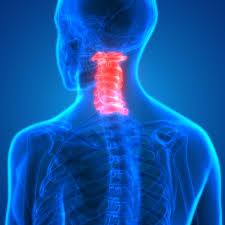
Which section of the vertebrae is highlighted
thoracic
cervical
lumbar
sacral
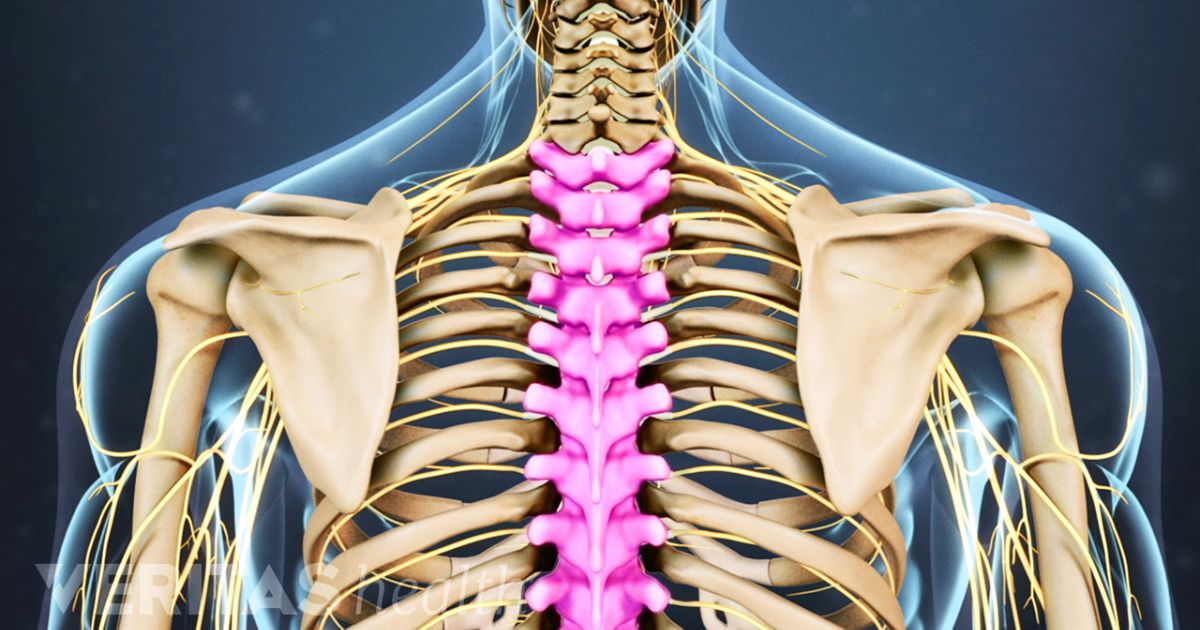
Which section of the vertebral column is highlighted
cervical
lumbar
thoracic
coccyx
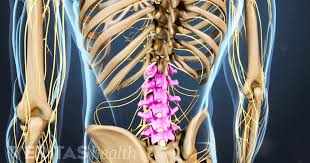
Which section of the vertebral column is shown?
cervical
lumbar
thoracic
sacral
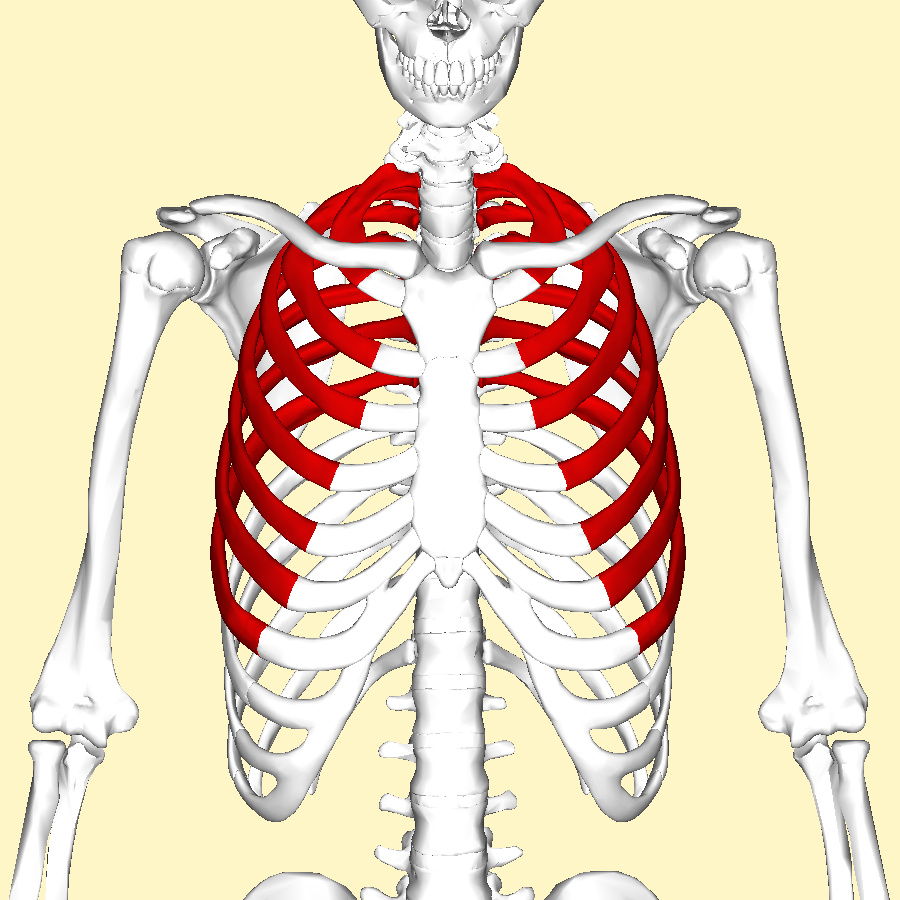
Which ribs are highlighted
true ribs
false ribs
floating ribs
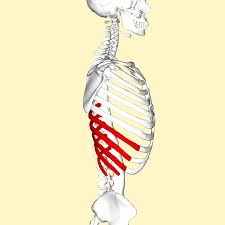
Which ribs are highlighted
true ribs
false ribs
floating ribs

This image represents the __________ skeleton.
appendicular skeleton
axial skeleton

This image represents the __________ skeleton.
appendicular skeleton
axial skeleton

What is the bone highlighted in red?
Sternum
Clavicle
Femur
Cranium

The section of the leg in this picture highlighted in green is the what?
Zygomatic
Patella
Cranium
Phalanges

In this picture, what is represented in multi-colors?
Carpals
Tarsals
Phalanges
Radius

What is the section of the hand highlighted in red?
Phalanges
Meta-Tarsals
Meta-Carpals
Cranium

It makes up you lower jaw, what is the bone colored green in this picture?
Patella
Cranium
Zygomatic
Mandible
What muscle allows you to wink or squint?
Orbicularis oculi
Orbicularis oris
Frontalis
Traingularis
Where on the skull do you find the occipital bone?
Above the jaw
The back of the skull
Beside the ear
The forehead
What muscle allows you to kiss?
orbicularis oris
orbicularis oculi
frontalis
triangular
_____ are made up of _____.
Cells/tissues
Tissues/cells
DNA/cells
Cells/DNA
You have a small amount of DNA extracted from skeletal remains, but it's not enough to analyze. What can you do?
Make a lot of copies of the DNA using PCR
Nothing, you have to work with the DNA you have
Analyze it using only one restriction enzyme instead of many
Search for more skeletal remains
Which of the following separates and filters DNA fragments according to size?
Gel electrophoresis
Restriction enzymes
Agarose
Polymerase chain reaction
If one side of a DNA double helix reads CGA ATC, what will the opposite side read?
CGA ATC
CTA AGC
GCU UAG
GCT TAG
After electrophoresis, the DNA pieces found closest to the positive electrode will be...
the largest pieces.
the smallest pieces.
the most charged pieces.
the least charged pieces.
Which of the following is NOT a current real-world biometrics application?
Facial recognition to identify terrorists at airports
Fingerprint scans to pay for food
Retinal scans to access military bases
DNA scans (via blood draws) to gain access to buildings
Which of the following would NOT be the same for identical twins?
Retinal scan
DNA profile
Facial recognition
Blood type
Which of the following may defeat facial recognition?
Exposure to pool chemicals
A mold made of gelatine
Sudden weight loss or weight gain
A tape recording of your voice
One of the main concerns with any form of biometric identification is...
safety.
possibility of losing your information.
privacy.
accuracy.

What is the name is the area of the brain marked here in blue?
Frontal lobe
Temporal Lobe
Cerebellum
Occipital lobe

What is the region of the brain shown here in pink?
Medulla oblongata
Temporal lobe
Occipital lobe
Parietal lobe

What is the region of the brain shown here in green?
Frontal lobe
Temporal lobe
Parietal lobe
Occipital lobe

What region of the brain is shown here in striated white?
Occipital lobe
motor cortex
sensory cortex
Cerebellum
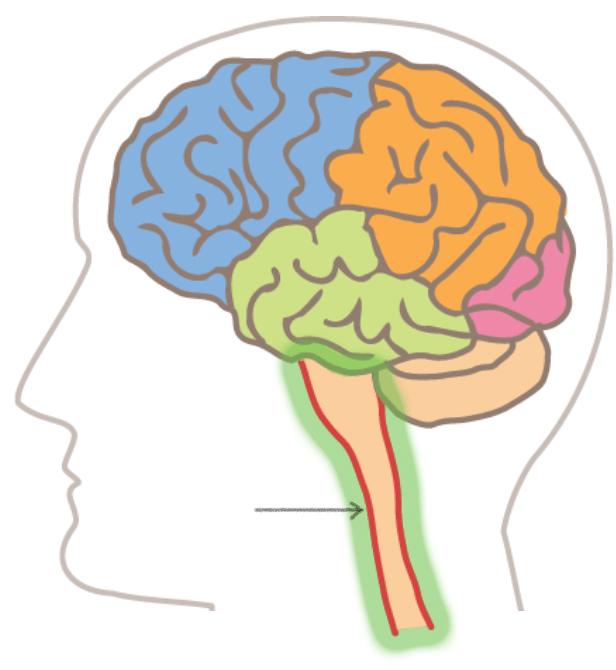
Identify the area of the brain highlighted.
Brain stem
Cerebellum
Spine
Medulla oblongata
Vision
occipital
Frontal
Temporal
Parietal
Happiness
occipital
Frontal
Temporal
Parietal
Language
occipital
Frontal
Temporal
Parietal
Reasoning
occipital
Frontal
Temporal
Parietal
Taste
occipital
Frontal
Temporal
Parietal
Temperature
occipital
Frontal
Temporal
Parietal
Blood Pressure
occipital
Frontal
Brain Stem
Parietal
Movement
occipital
Frontal
Temporal
Parietal
Balance
occipital
Frontal
Temporal
Cerebellum

What is the name of the region of the brain shown here in yellow?
Cerebellum
Temporal Lobe
Parietal lobe
Frontal lobe
What region of the brain would include the motor cortex?
blue
green
yellow
red
What region of the brain would include the sensory cortex?
Occipital lobe
green
yellow
red
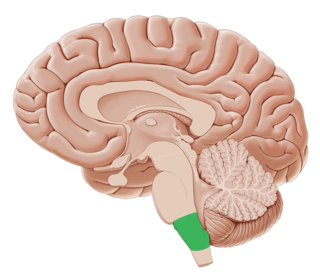
Which is the name of the raised portions of the brain surface?
gyrus
sulcus
cortex
medulla


Motor neurons carry impulses __________ the brain
towards
away from
within
Which of the following describes the function of the Na/K Pumps in the neuron membrane?
depolarizing the cell by allowing Na into the cell
repolarizing the cell by allowing K out of the cell
rearranging Na and K back to return cell to resting state
Which of the following correctly outlines a reflex arc?
Motor neuron - interneuron - sensory neuron
Sensory neuron - interneuron - motor neuron
Sensory neuron - interneuron - brain - motor neuron
The dendrites of a neuron carry a stimulus
Towards the cell body
Away from the cell body
Through the cell body
During resting membrane potential, the inside of a neuron has a _______________ charge
negative
positive
neutral
Neurotransmitters are stored in which structure of the neuron?
Cell body
Dendrite
Axon terminals
Myelin is located on the ____________ and functions to ____________ nerve transmission.
dendrite - speed up
dendrite - slow down
axon - speed up
axon - slow down
Reaction time is ___________________ than reflex time.
faster
slower
same
Depolarization occurs when the inside of a cell becomes _________________ due to _________ gates opening.
positive - potassium
negative - potassium
positive - sodium
positive - sodiium
The spaces between myelin on an axon are called
axon gaps
nodes of ranvier
dendrite dents
Which of the following nervous system disorders occurs as a result of tangled plaques forming in brain tissue?
Huntington's disease
Alzheimer's disease
Parkinson's disease
Which of the following disorders is associated with a decrease in the neurotransmitter called dopamine?
parkinson's disease
epilepsy
ALS
Which of the following diagnoses best describes a disorder that involves seizure activity?
MS
ALS
epilepsy
Which of the following diseases does NOT affect memory or mental cognition?
ALS
Huntington's
Alzheimers

Using the image and word bank, identify the structure labelled #1
(a)

Using the image and the word bank, identify the structure labelled #2
(a)

Using the image and the word bank above, identify the structure labelled #3
(a)

Using the image and the word bank above, identify the structure labelled #4 (it is pointing to the entire covering)
(a)

Using the image and the word bank above, identify the structure labelled #5
(a)

Using the image and the word bank above, identify the structure labelled #6 (pointing to the space in between)
(a)

Using the image and the word bank above, identify the structure labelled #8
(a)

Using the image above, what part of the action potential is occurring at #3
depolarization
repolarization
hyperpolarization

Using the image above, what part of the action potential is occurring at #3
sodium is rushing into the cell
sodium channels are closing and potassium is rushing out of the cell
the Na+/K+ is actively working

Which number on the diagram above represents the threshold stimulus?
#1
#2
#5

At which # on the image below is K+ travelling out of the cell?
#2
#3
#4
A chronic disease of the central nervous system marked by damage to the myelin sheath causing tremors, weaksness, visual and speech disturbances
Huntington's Disease
Multiple Sclerosis
Alzheimers
Parkinson's Disease
Epilepsy
A genetic disease characterized by uncontrollable body movements & degeneration of the nervous system
Huntington's Disease
Multiple Sclerosis
Alzheimers
Parkinson's Disease
Epilepsy
Endocrine glands
are ductless glands and secrets directly into the bloodstream
regulates chemical communication in the body
are glands that are ducted to the external environment
are chemical signals that interact with target cells
Exocrine glands
are ductless glands and secrets directly into the bloodstream
regulates chemical communication in the body
are glands that are ducted to the external environment
are chemical signals that interact with target cells
Hormones
are ductless glands and secrets directly into the bloodstream
regulates chemical communication in the body
are glands that are ducted to the external environment
are chemical signals that interact with target cells
Which hormone is produced by the pancreas to promote the INCREASE of blood sugar by breaking down glycogen in the liver?
glucose
glucagon
insulin
glycogen
Which hormone is produced by the pancreas to promote the DECREASE of blood sugar by moving the glucose into cells
glucose
glucagon
insulin
glycogen
Hormones are capable of creating very specific responses in the body even though they will travel throughout the bloodstream and contact millions of cells without triggering any response. Which of the following explains how this is possible?
a response is generated only during growth spurts
hormones will only be able to create a response with cells that have a specific receptor
a response is created through the body but is only noticeable under certain conditions
all are correct
The endocrine systems job to try and and regulate hormones to try and provide the body with (a) (or balance)
When blood sugar levels drop, the body will raise the amount of blood sugar using hormones. This is referred to as (a) feedback.

The diagram shows the mechanisms that control the concentration of glucose in the blood.
Which row identifies the glands and hormones labelled W, X, Y and Z?
adrenal gland, adrenaline, adrenal gland, glucagon
adrenal gland, adrenaline, pancreas, insulin
pancreas, glucagon, adrenal gland, insulin
pancreas, insulin, pancreas, glucagon
What is Homeostasis ?
is the maintenance of a constant internal environment
is the maintenance of a constant external environment
is the maintenance of a constant living environment
Which one here is a hormone?
Glycogen
Glycerol
Glucagon
Glucose
Endocrine glands secrete _
Hormones
Neurotransmitters
A wide range of chemical substances


What is letter B
Optic nerve
Lens
Cornea
Retina
Pupil


What is letter G?
Sclera
Retina
Lens
Vitreous humor
Pupil

What is letter I?
Cornea
Lens
Vitreous humor
Optic nerve
Pupil

What part of the eye is she holding here? (the colored part)
pupil
iris
lens
cornea

What structure is this "white part around they eye" she is going to cut all the way around, and ending up with a top and bottom portion of the eye.
cornea
fat/muscles
sclera
lens

Identify this structure
iris
lens
pupil
cornea
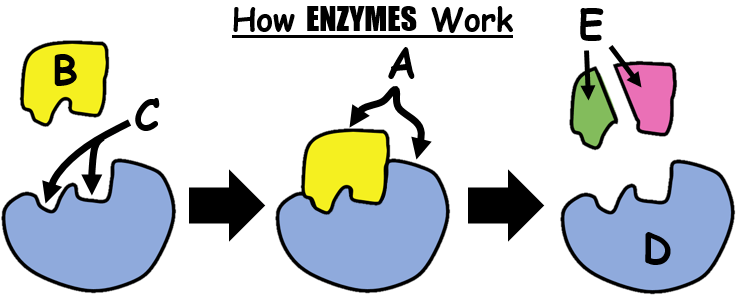
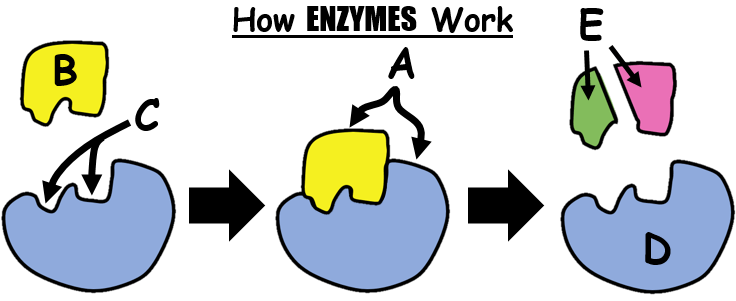
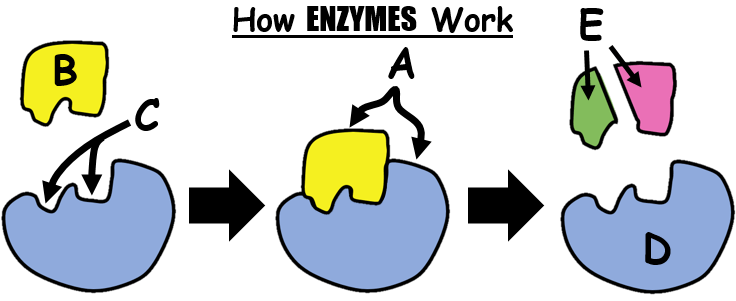
A --> B + C
Anabolic
Catabolic
A + B --> C
Anabolic
Catabolic

