wayground logo

Free Printable Worksheets

Font size

S
M
L
XL
Worksheets

ENVS Unit 1 Review

Total questions: 150

Worksheet time: 3hrs 45mins

Name
Class
Date
1.

What should be done with chemical waste after completing an experiment?

a)

Leave it at your station

b)

Dispose of it properly

c)

Dump it in the trash

d)

Pour it down the sink

2.

What should you do if a piece of equipment breaks?

a)

Keep it to yourself

b)

Tell your lab partner

c)

Notify your instructor

d)

Clean it up by yourself

3.

What should you do if you do not understand part of the lab instructions?

a)

Ask your instructor for help

b)

Skip that part of the lab

c)

Ask your lab partner

d)

Figure it out during the lab

4.

What should you do if you are injured during a lab?

a)

See the school nurse after class

b)

See a doctor after school

c)

Attempt first aid on your own

d)

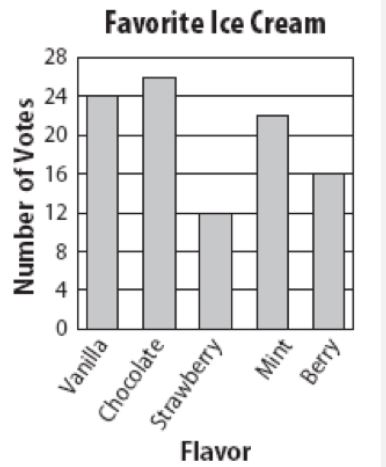
Notify your instructor immediately

5.

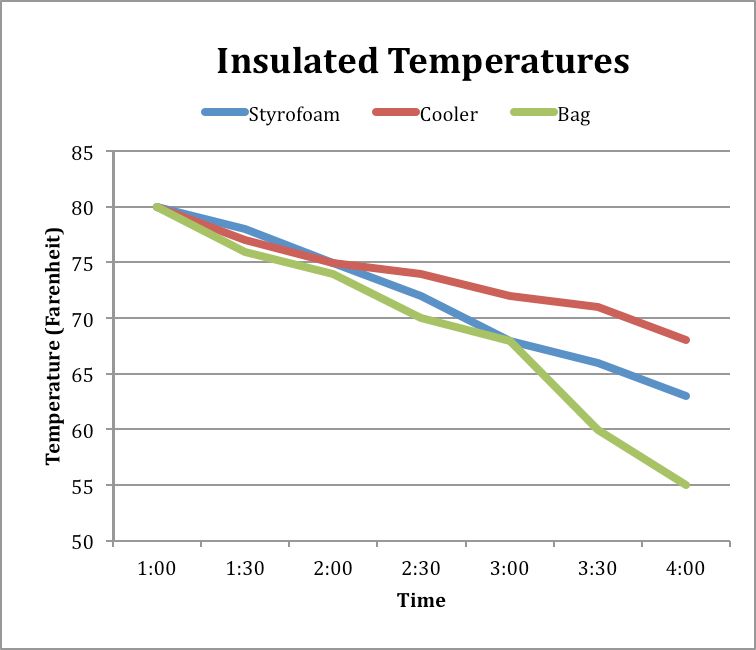
What should you do after completing a lab in which chemicals or biological specimens were used?

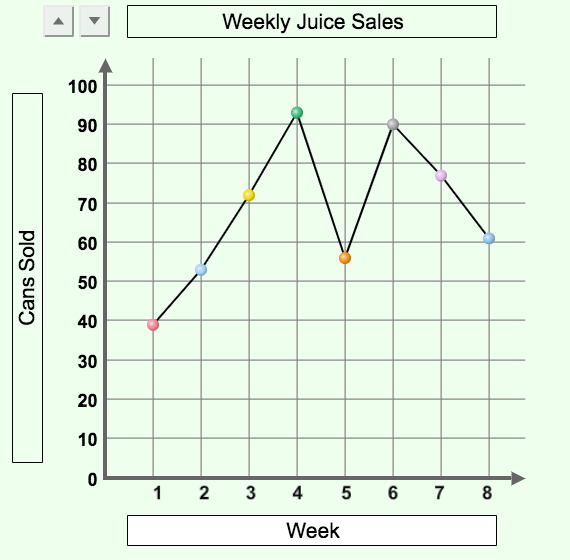
a)

Wipe your hands on your clothing

b)

Wash your hands with soap and water

c)

Wipe your hands with a paper towel

d)

Rub some skin lotion on your hands

6.

What should be done with long hair before starting a lab?

a)

Do nothing, let it hang freely

b)

Hold it back with your hand

c)

Tie it back out of the way

d)

Use a hat to hold it back

7.

What type of footwear would be best worn in a laboratory?

a)

High Heels

b)

Sandals

c)

Sneakers

d)

Flip-Flops

8.

When is horseplay, or goofing around, acceptable in a laboratory?

a)

Always

b)

Sometimes

c)

Never

d)

Depends

9.

What is the safest way to smell a substance during a lab?

a)

Lean over and smell it directly

b)

Put it on your hand and smell it

c)

Waft the air towards your face

d)

Lift the substance to your nose

10.

Why are food and drink not permitted during an experiment?

a)

They could make your lab partner hungry

b)

They could attract ants and other insects

c)

They could make your instructor hungry

d)

They could contaminate the experiment

11.

What should you do with your station after completing the lab?

a)

Clean it up properly

b)

Leave it for someone else

c)

Throw everything away

d)

Push everything to one side

12.

What are the consequences of ignoring lab safety?

a)

You get hurt

b)

You fail the lab

c)

You lose lab privileges

d)

You bring about the zombie apocalypse

13.
What is this?
a)
An Erlenmeyer Flask
b)
A Test Tube
c)
A Beaker
d)
A Graduated Cylinder 
14.
What is this?
a)
A Pipet
b)
A Vial 
c)
A Spot Plate
d)
A Thermometer
15.
What is this?
a)
A Pipet
b)
A Thermometer
c)
A Triple Beam Balance
d)
A Funnel
16.
What is this?
a)
A Graduated Cylainder 
b)
A Spot plate 
c)
A Triple Beam Balance
d)
A Test Tube Rack
17.
What is this?
a)
A Pipet
b)
A Spatula/Stirring Rod
c)
A Funnel
d)
A Vial
18.
What is this?
a)
A Erlenmeyer Flask
b)
A Beaker
c)
A Test Tube
d)
A Vial
19.
What is this?
a)
A Triple Beam Balance
b)
A Flask
c)
A Beaker
d)
A Test Tube
20.
What is this?
a)
A Flask
b)
A Test Tube
c)
A Beaker
d)

A Spatula

21.
What is this?
a)
Glasses
b)
Goggles
c)
Fashionable Eye Wear
d)
Sunglasses
22.
What is this?
a)
A Test Tube
b)
A Test Tube Rack
c)
An Erlenmeyer Flask
d)
A Beaker
23.
A collection of beliefs such, such as astrology, is known as...
a)
Pseudoscience 
b)
Fact
c)
Theory
d)
Law
24.
In order for an explanation to be considered scientific, it must be based on ____________.
a)
an inference
b)
a conclusion
c)
past experience
d)
evidence
25.
Which is not a pseudoscience?
a)
Religion
b)
Astrology
c)
Superstitions
d)
Ecology
26.
The word stem pseudo- means:
a)
false
b)
true
c)
understand
d)
science
27.
If something cannot be observed using the 5 senses, is not testable or repeatable, then it is not science. 
a)
True
b)
False
28.
Science or Pseudoscience:  Personal bias and the opinion of the scientist.
a)
Science
b)
Pseudoscience
29.
Which one the following is NOT a branch of science, but a pseudoscience because it not testable, repeatable and observable by scientific standards. 
a)
A. astronomy: study of physical objects (such as stars, galaxies, planets, moons, asteroids, comets and nebulae) and processes (such as supernovae explosions, gamma ray bursts, and cosmic microwave background radiation)
b)
B. physics: the study of properties of matter and energy (mechanics, heat, light and other radiation, sound, electricity, magnetism, and the structure of atoms)
c)
C. biology: the study of living organisms
d)
D. astrology: the study of how the positions of the stars and movements of the planets have a supposed influence on events and on the lives and behavior of people
30.
Science or Pseudoscience:  Changing the data so that it supports my prediction.
a)
Science
b)
Pseudoscience
31.
Science or Pseudoscience:  Designing an experiment to test the durability of a new type of rope.
a)
Science
b)
Pseudoscience
32.
Science or Pseudoscience:  Using technology to measure distance during an investigation.
a)
Science
b)
Pseudoscience
33.
Is the systematic study of natural events and conditions.  It is NOT based on opinions. 
a)
Science
b)
pseudoscience
c)
theory
d)
fieldwork
34.
Science is a way of knowing and understanding the ________ world around us. 
a)
Abstract
b)
Natural and Physical
c)
Crazy
d)
Spiritual
35.

A possible explanation for a problem that has not yet been tested is known as a ___________.

a)

data

b)

theory

c)

hypothesis

d)

fact

36.

Which type of variable in an experiment is the one being deliberately changed by the scientist?

a)

dependent variable

b)

independent variable

c)

data

d)

constants

37.
Should experiments be repeated over and over to see if the results are the same each time?
a)
yes
b)
no
38.

The summary at the end of an experiment that explains the results is known as a ______________.

a)

conclusion

b)

procedures

c)

materials

d)

responding variable

39.
A series of steps used by scientists to solve a problem or answer a question. 
a)
scientific method
b)
recipe
c)
data collection
d)
metric system
40.
A list of the steps anyone could follow to conduct an experiment. 
a)
obervations
b)
question/problem
c)
materials
d)
procedures
41.
A student is planning an experiment to find out how the height from which he drops a ball affects how high the ball bounces. The dependent variable is the _____.
a)
Diameter of the ball
b)
Force acting on the ball
c)
Height that the ball bounces
d)
Height from which the ball is dropped
42.
When experimenting with the growth of a plant, a scientist uses three (of the same type of) plants, two different fertilizers, equal light, and equal water. What type of variable is the fertilizer?
a)
Dependent
b)
Independent
c)
Control
d)
Compound
43.
True or False: Your hypothesis can never be wrong.
a)
True
b)
False
44.
Should experiments be repeated over and over to see if the results are the same each time?
a)
yes
b)
no
45.
The summary at the end of an experiment that explains the results. 
a)
conclusion
b)
procedures
c)
materials
d)
responding variable
46.
Observations made during an experiment are considered:
a)
data
b)
problems
c)
conclusions
d)
questions
47.

What are procedures?

a)

the conclusion to your experiment

b)

the materials needed to complete experiment

c)

step by step directions of how to complete your experiment

d)

an educated, best guess

48.
The independent variable is the ONE thing you _____.
a)
change on purpose
b)
control or keep constant
c)
measure
49.

Anything that can change in an experiment.

a)

variables

b)

constant

c)

independent

d)

dependent

50.
The variable that is being measured or observed is called the _______________. Hint: this is the variable that is the result or effect 
a)
independent variable
b)
dependent variable
c)
control variable
51.
Why do we want to test one variable at a time?
a)
Because it is hard to setup a data table with more
b)
To know what is causing the changes. This helps us understand cause and effect.
c)
It is what has always been done
52.
What do you do after you come up with your hypothesis?
a)
Conclude
b)
Test your hypothesis
c)
Do a victory dance
d)
Tell your teacher
53.

You need to take a survey at school to see which type of lunch food is most preferred by 7th grade students.


Which type of graph would be best to display the data?

a)

Line Graph

b)

Bar Graph or Pie Chart

c)

Scatter Plot

d)

Funnel Chart

54.

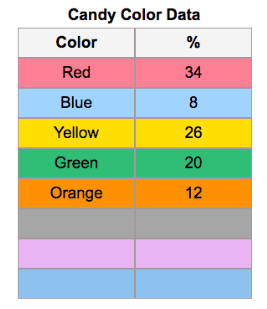
How many total people took part in the survey?

a)

50

b)

150

c)

100

d)

200

55.

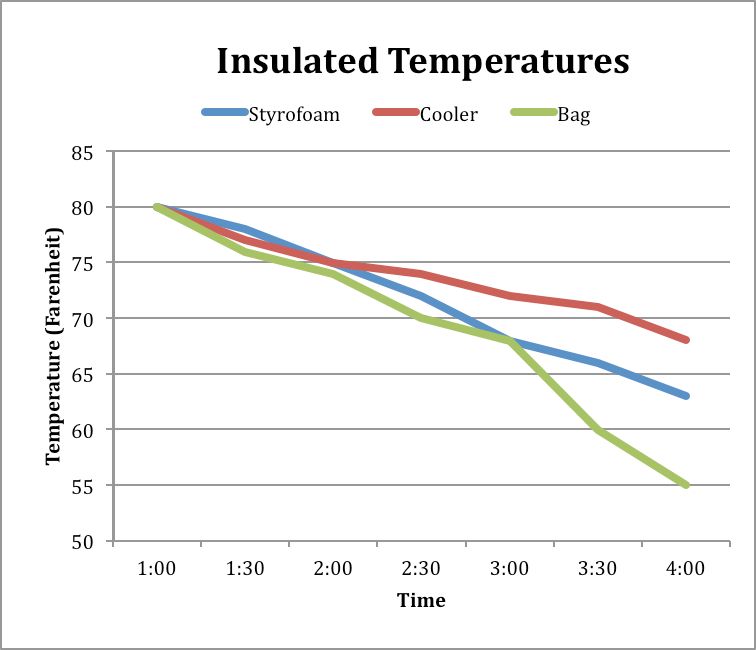
What was the temperature of the liquid in the Styrofoam container at 4:00?

a)

55 degrees

b)

68 degrees

c)

73 degrees

d)

63 degrees

56.

Identify the dependent variable by looking at the graph.

a)

Weeks

b)

Weekly Juice Data

c)

Cans Sold

d)

Indirect Relationship

57.

Based on the table provided, which type of graph would be best for the data?

a)

Line graph

b)

Bar Graph

c)

Pie Chart

d)

Scatter Plot

58.

What data does this graph represent?

a)

This graph represents the change in temperature of a liquid over time in 3 different containers.

b)

This graph represents how temperature can change the molecules in a material.

c)

This graph represents the phase changes of a material.

d)

This graph represents what type of container people use the most to store hot liquids.
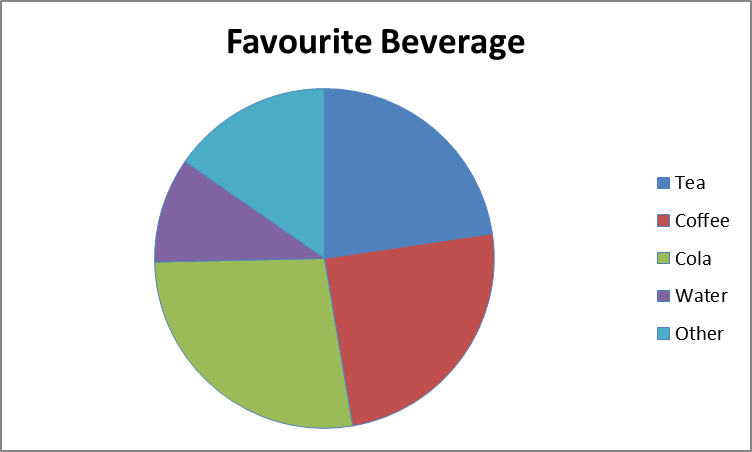
59.

Approximately what percentage of people prefer Tea as their favorite beverage?

a)

around 28%

b)

around 18%

c)

around 25%

d)

around 23%

60.

What conclusions can you draw from this graph?

a)

The deer population went down over time.

b)

The deer population went up over time.

c)

The dear population went up quickly, then down, but then stayed the same.

d)

There are less dear because of hunters

61.

You want to make a graph for an experiment you did about plant growth over a two week period of time. What type of graph would you use?

a)

bar graph

b)

line graph

c)

pictograph

d)

pie chart

62.

The Independent Variable is represented on which Axis?

a)
A
b)
X
c)
B
d)
Y
63.

If you get at least 6 hours of sleep, you will do better on tests than if you get less sleep.
What is the independent variable in this experiment?

a)
Amount of Sleep
b)
Test Scores
c)
Amount of Coffee
d)
Type of Bed
64.

If you get at least 6 hours of sleep, you will do better on tests than if you get less sleep.
What is the dependent variable in this experiment?

a)
Test Scores
b)
Amount of Sleep
c)
Amount of Coffee
d)
None of the Above
65.

The dependent variable in this experiment is - 

a)
Number of Bacteria
b)
Time of Incubation
c)
Culture Number
d)
Type of Bacteria
66.

How many millimeters are in 1 cm? (Convert mm to cm)

a)

1 mm

b)

10 mm

c)

100 mm

d)

1,000 mm

67.

How many meters make up 1 kilometer? (Convert 1 km to m)

a)

1 meter

b)

2 meters

c)

1,000 meters

d)

100 meters

68.

How many milligrams make up 1 gram? (Convert 1 g to mg)

a)

1,000,000 mg

b)

100,000 mg

c)

1,000 mg

d)

100 mg

69.

How many milliliters are in 1 liter?

a)

1 mL

b)

10 mL

c)

100 mL

d)

1,000 mL

70.

How many millimeters (mm) are in 50 centimeters (cm)?  Convert 50 cm to mm.

a)

5 mm

b)

50 mm

c)

500 mm

d)

0.5 mm

71.

How many milligrams are in 100.5 grams?  Convert 100.5 grams (g) to milligrams (mg).

a)

1,005 mg

b)

100.5 mg

c)

0.1005 mg

d)

100,500 mg

72.

What are the 3 base units of the metric system?

a)

Meter

b)

Liter

c)

Gram

d)

Feet

e)

Inches

73.

What unit is best to describe the length of a PENCIL?

a)

centimeters

b)

kilometers

74.

What unit is used to describe the MASS of an object like a pencil?

a)

Liter

b)

Gram

c)

Meter

75.

A bathtub holds 30 kiloliters of water. How many liters are in 30kL? Convert 30 kL to liters.

a)

0.3 L

b)

3 L

c)

3,000 L

d)

30,000 L

76.

The Metric System is based on powers of:

a)

5's

b)

10's

c)

20's

d)

50's

77.

Which units are the BASE units in the metric system? Check all that apply.

a)

Meters

b)

Liters

c)

Grams

d)

Inches

e)

Miles

78.

Which units below are NOT part of the metric system? Check all that apply.

a)

Inches

b)

Feet

c)

Meters

d)

Grams

79.

Which unit below is the SMALLEST?

a)

Kilometer

b)

Millimeters

c)

Meters

d)

Centimeters

80.

Which unit below is the largest?

a)

Kilogram

b)

Gram

c)

Centigrams

d)

Milligrams

81.

What unit is used for measuring MASS in the metric system?

a)

Grams

b)

Liters

c)

Meters

d)

Miles

82.

Which unit of the metric system is used for measuring VOLUME?

a)

Meters

b)

Liters

c)

Grams

d)

Ounces

83.

What base unit is used in the metric system to measure LENGTH?

a)

Meters

b)

Liters

c)

Grams

d)

Miles

84.
What particle is found in the nucleus and has no charge?
a)
electron
b)
neutron
c)
proton
d)
atom
85.

What are the smallest basic units of matter?

a)

molecules

b)

atoms

c)

elements

d)

7th graders

86.

The flower is 8 cm tall.

a)

qualitative data

b)

quantitative data

87.

The center of the flower is yellow and fuzzy.

a)

qualitative data

b)

quantitative data

88.
These kind of observation use your senses to observe results.
a)
Qualitative
b)
Quantitative
c)
Scientific
89.
These kind of observations are made using instruments such as rulers, balances and thermometers.
a)
Qualitative
b)
Quantitative
c)
Scientific
90.
It feels smooth.
a)
Qualitative 
b)
Quantitative
91.
It tastes sweet.
a)
Qualitative
b)
Quantitative
92.
The leaf is 5mm wide.
a)
Qualitative
b)
Quantitative
93.
It makes a loud crackling sound.
a)
Qualitative
b)
Quantitative
94.
The temperature of the room is decreasing by 4 degrees Celsius.
a)
Qualitative
b)
Quantitative
95.
The mass of the chocolate cake is 250 g.
a)
Qualitative
b)
Quantitative
96.
The flower has 6 petals.
a)
Qualitative
b)
Quantitative
97.
The liquid is a pink color.
a)
Qualitative
b)
Quantitative
98.
Large bodies of water do not quickly fluctuate in temperature. Why?
a)
Water is a solvent.
b)
Water has a high heat capacity.
c)
Water acts as a buffer.
d)
Water is non-polar.
99.
What two elements make up water?
a)
Helium and oxygen
b)
Hydrogen and oxygen
c)
helium and carbon
d)
oxygen and carbon
100.
Water is a universal solvent because it...
a)
It can be found anywhere
b)
It freezes when it gets cold
c)
floats when frozen
d)
Dissolves most substances
101.
The fact that ice floats on liquid water is due to the fact that water's solid is ___________ than it's liquid form
a)
less polar
b)
more polar
c)
less dense
d)
more dense
102.
The tightness across the surface of water that enables paper clips to float is ____________.
a)
adhesion
b)
capillary action
c)
surface tension
d)
polarity
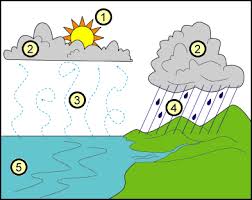
103.
Number 2 in the water cycle diagram is ___________.
a)
The Sun
b)
condensation
c)
precipitation
d)
evaporation
104.
Which statement explains why water molecules stick together?
a)
both sides are negative
b)
one side has a positive charge and the other side has a negative charge
c)
one side has a negative charge adn the other side has a neutral charge
d)
both sides are positive
105.
What is the most powerful agent in weathering and erosion?
a)
water
b)
soil
c)
grass
d)
wind
106.
Large bodies of water help to keep nearby climates from being too hot or too cold  because they...
a)
absorb heat in the spring and slowly release that heat in the fall
b)
absorb heat in the fall and slowly release that heat in the spring
c)
absorb heat in the summer and slowly release that heat in the winter
d)
absorb heat in the winter and slowly release that heat in the summer
107.

particles are packed tightest in a

a)

solid

b)

liquid

c)

gas

d)

plasma

108.

particles move fastest in a

a)

solid

b)

liquid

c)

gas

d)

slime

109.

Which particles are contained in the nucleus of an atom?

a)

neutrons and electrons

b)

protons and neutons

c)

protons, neutron, and electrons

110.

What is a subatomic particle with a positive charge?

a)

Proton

b)

Neutron

c)

Electron

111.

What are kinds of subatomic particles?

a)

Protons neutrons, and electrons

b)

the nucleus

c)

the smallest particles of matter

112.

smallest part of an element that has all of the properties of that element.

a)

nucleus

b)

atom

c)

mineral

d)

gem

113.
Which of the following is an example of an organism?
a)
Human
b)
Apple tree
c)
Yeast
d)
All of these
114.
Which of the following is NOT an organism?
a)
Kangaroo
b)
Mushroom
c)
Computer
d)
Oak tree
115.
The heart is an example of a(n) _________.
a)
Organ system
b)
Organ
c)
Organism
d)
Tissue
116.
A neuron is an example of a(n) _________.
a)
Organism
b)
Organ
c)
Organ system
d)
Cell
117.
The circulatory (cardiovascular) system is an example of a(n) _______.
a)
Organism
b)
Organ system
c)
Organ
d)
Cell
118.
A peach tree is an example of a(n) __________.
a)
Organ
b)
Organ system
c)
Tissue
d)
Organism
119.
Which of the following is an example of an organ system?
a)
Nervous sytem
b)
Computer system
c)
Intelligence system
d)
Healthcare system
120.
Which of the following is NOT an example of a human organ system?
a)
Integumentary system 
b)
Lymphatic system
c)
Endocrine system
d)
Hand system
121.
A red blood cell is an example of a(n) _________.
a)
Tissue
b)
Organism
c)
Cell
d)
Organ
122.
Organs are made up of ________.
a)
tissues
b)
organ systems
c)
organisms
d)
species
123.
Tissues are made up of ________.
a)
organs
b)
organ systems
c)
organisms
d)
cells
124.
Organisms are made up of __________.
a)
species
b)
genus 
c)
organ systems
d)
domains
125.
What is an acid?
a)
a chemical substance that neutralizes alkalis, dissolves some metals, and turns litmus paper red
b)
Has a pH of 11
c)
Has a pH of 7
126.
What is a base?
a)
Has a pH of 3
b)
Has a pH of 7
c)
substances that are slippery to the touch; turns red litmus paper blue
127.
Which of the following statements about acids is true?
a)
They taste sweet.
b)
They taste sour.
c)
They have a pH between 8-14.
128.
Which item is an acid?
a)
Drain cleaner
b)
Ammonia
c)
An orange.
129.
What does a pH scale do?
a)
Tells if a substance is an acid or base
b)
Measures the strength and weakness of acids and bases
c)
Both statements are correct
130.
You can eat or drink an acid.
a)
True 
b)
False
131.
Rainwater is an acid.
a)
True 
b)
False
132.
You can eat or drink a base.
a)
True
b)
False
133.
Vinegar is a base.
a)
True
b)
False
134.
What is another name for a base?
a)
Acid
b)
Alkaline
c)
pH
135.
Which of the following describes a battery?
a)
Acid 
b)
Base
136.
What is the pH of water?
a)
11
b)
4
c)
7
137.
Which of the following word pairs correctly completes the sentence below?
_______ are corrosive substances characterized as having a strong smell, a sour taste, and a _______.
a)
Acids; pH less than 7
b)
Acids; pH greater than 7
c)
Bases; pH greater than 7
d)
Bases; pH less than 7
138.
If an acid is combined with a base of equal strength, the result will most likely be
a)
a neutral solution.
b)
a stronger acid.
c)
impossible to tell without testing the pH.
d)
a stronger base
139.
Holly has an unknown substance in a beaker. She wants to determine the relative pH of the unknown substance. She places a piece of blue litmus paper into the substance, and the litmus paper stays blue.
The substance in the beaker
a)
is a base.
b)
has a neutral pH.
c)
is an acid.
d)
does not have a pH.
140.
Litmus paper can be used to determine the _______ of a substance.
a)
relative volume
b)
temperature
c)
relative pH
d)
chemical formula
141.
Which of the following statements is correct?
a)
Blue litmus paper turns red when placed in a base.
b)
Red litmus paper turns blue when placed in a base.
c)
Blue litmus paper stays blue when placed in an acid.
d)
Red litmus paper stays red when placed in a base.
142.
The pH of a solution is tested, and it is found to be a basic solution. Of the following choices, what could the pH have been?
a)
3
b)
9
c)
7
d)
5
143.
Human blood has a pH between 7.35 and 7.45. Which of the following best describes human blood?
a)
strongly acidic
b)
slightly acidic
c)
strongly basic
d)
slightly basic
144.
What would be considered the weakest base? 
a)
8
b)
14
c)
7.8
d)
11.6
145.

A substance is found to have the following characteristics:


Very bitter taste

Feels slippery to the touch

Produces OH- ions when dissolved in water


In what category would the substance be classified?

a)

acid

b)

base

c)

enzyme

d)

fatty acid

146.
Releases hydrogen in an aqueous solution.
a)
base
b)
strong base
c)
acid
d)
weak base
147.

Milk is a very weak acid. What might its pH value be?

a)

6.5

b)

7.8

c)

4.2

d)

12.2

148.

How do covalent bonds form?

a)

Donating & receiving valence electrons between atoms

b)

Oppositely charged ions attract each other & form bonds

c)

Scientists are still not sure how they form

d)

Sharing valence electrons between atoms

149.

A bond

a)

is an attraction between a positive and negative charge

b)

is when two atoms are physically connected to each other

c)

only happens when electrons are transferred

d)

only happens when electrons are shared

150.

Matter

a)

anything that has mass and takes up space

b)

anything that has mass

c)

anything that takes up space

d)

can be a solid, liquid, gas, or energy