
 Worksheets
chemistry 2
Total questions: 83
Worksheet time: 1hrs 4mins
Matter is anything that.....
Has mass and takes up space
Has mass and is visible
Takes up space and has energy
Has energy and is visible


Solid
Liquid
Gas
A type of matter that has its own shape and size
soild
liquid
gas
Diffusion occurs because
molecules are attracted to one another
molecules are constantly moving in and out
cellular energy forces the molecules to collide with each other
cellular energy pumps molecules across the membrane
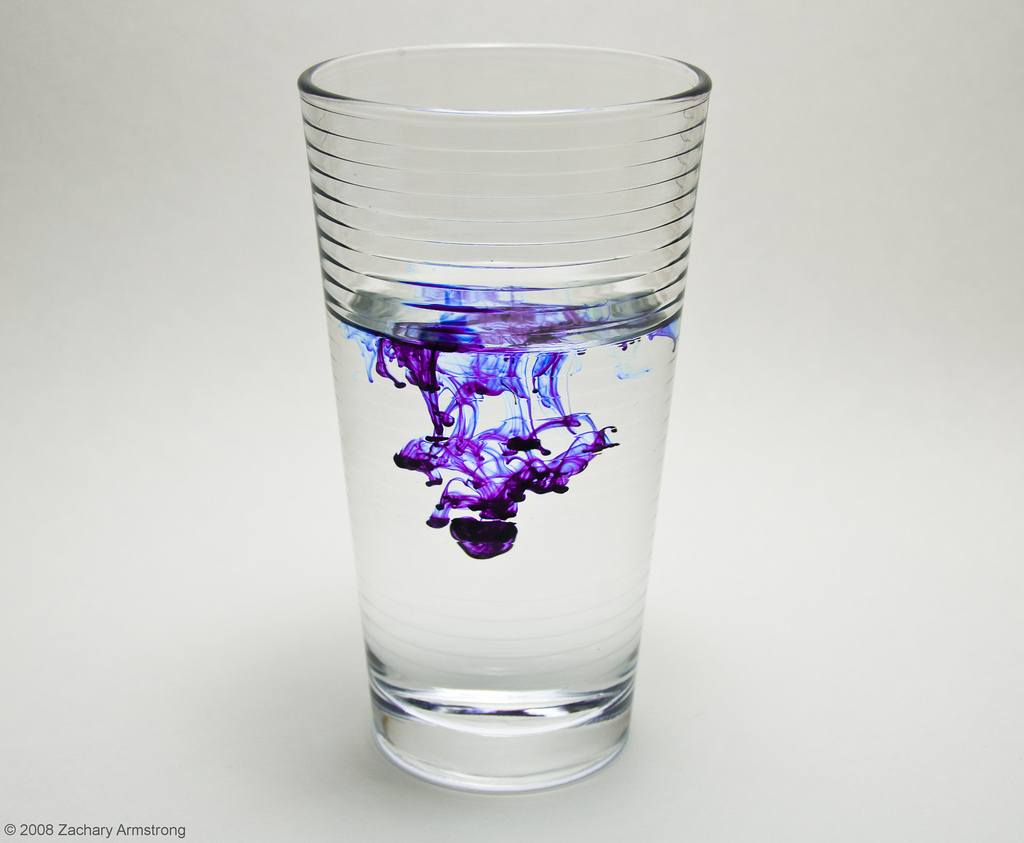
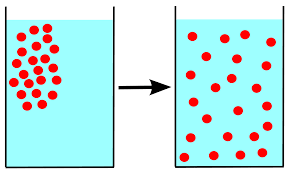
What does semi-permeable mean?
Some molecules can move through the membrane
Nothing can move through the membrane
All molecules can pass through the membrane.

The atomic number tells you...
the number of protons
the number of neutrons
the number of electrons
What charge do electrons have?
Positive
Neutral
Negative
How many electrons can the third shell have?
Two
Eight
Five
Three
Which two particles are contained in the nucleus of an atom?
Protons and Neutrons
Protons and Electrons
Electrons and Neutrons
How many electrons per shell does calcium have?
2,8,8,2
2,8,10
2,8,2,8
2,1,8,2
Which element has 2,5 electrons per shell?
Oxygen
Nitrogen
Phosphorus
Carbon

Isotopes of an element have a different number of...
Protons
Neutrons
Electrons
Mass
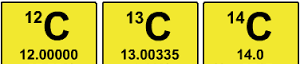
True or False: Radioisotopes in medicine are used for both diagnosis and treatment.
True
False
Select the two types of mixtures
heterogeneous
solutions
homogeneous
mixtures
What is the chemical symbol for carbon?
C
Ca
Cn
Crn
Molecules bonded together make up atoms.
true
false

What is the atomic mass of this element?
20
60
40
41

What is the symbol of this element?
Calcium
P
Ca
C
protons
negative charge, nucleus
positive charge, shells
positive charge , nucleus
neutral charge, nucleus
neutrons
no charge, shells
positive charge, nucleus
neutral, no charge, nucleus
negative charge, shells
electrons
no charge, nucleus
positive charge, nucleus
negative charge, shells
negative charge, nucleus
A molecule is
a singular particle of a particular element
another name for an element
2 or more atoms that are combined
A pure substance that is a compound is made out of
particles of more than one type of atom
particles of the same type of atom
a mixture of two or more substances that can be physically separated

What is the number of protons that the element in this image contain?
14
7
15
18
True or False? Neutrons have a negative charge
True
False
What is the smallest 'building block' of the elements that make up the universe?
An atom
An electron
A proton
A cell
An atom of carbon has 6 protons and 7 neutrons in its nucleus. If the atom is neutral, how many electrons does it have?
0
7
6
13
The number of protons in the nucleus of an atom?
Isotope
Atomic mass
Atomic number
Element
What type of bond is formed when atoms share electrons?
Covalent
Ionic
Hydrogen
Polyatomic
How are ionic and covalent bonds alike?
They both form organic molecules.
They both fill outer electron shells.
They both transfer electrons from one atom to another.
They both transfer protons from one atom to another.
The substance being dissolved is called the ________
solvent
solid
solute
solvate
When no more solute dissolves the solution is _________
supersaturated
unsaturated
saturated
supercalifragilisticexpialidocious
Identify the solvent


A mixture with more solute dissolved in the solvent than is usually soluble is called:
concentrated
supersaturated
saturated
unsaturated
What is a crystal?
A pure material that can’t be changed.
Material with a regular,repeating arrangement of atoms.
A foggy like material.
Which has weak intermolecular forces in between layers?
graphite
diamond
fullerene
none of these
Each carbon atom joined to three other carbon atoms -
diamond
graphite
both
Which of these allotropes have high melting point?
diamond
graphite
both
Which of these is used as a lubricant?
diamond
graphite
Which of this is used in drill bits?
diamond
graphite
SiO2
_____ can conduct electricity because it has _____ _____
diamond
graphite
localised electrons
delocalised electrons
Allotropes of carbon have the same chemical properties because they have
the same number of electrons
the same number of valence electrons
different number of electrons
the same number of protons
Graphite is soft because
it has strong covalent bonds
its layers can slide over one another due to weak forces between the layers
it has weak van der Waals forces between layers
it is used as a lubricant
Diamond is used for cutting glass because it is
hard and strong
soft
shiny
unreactive
Why is diamond hard and strong? It has
weak intermolecular forces
weak covalent bonds
strong covalent bonds
van der Waals forces of attraction
The atomic number tells you...
the number of protons
the number of neutrons
the number of electrons
What is the electronic configuration of Lithium?
2.8.8
2.2.2
2.8.5
2.1
Name the metal which is in liquid state.
Iron
Mercury
Zinc
Aluminium
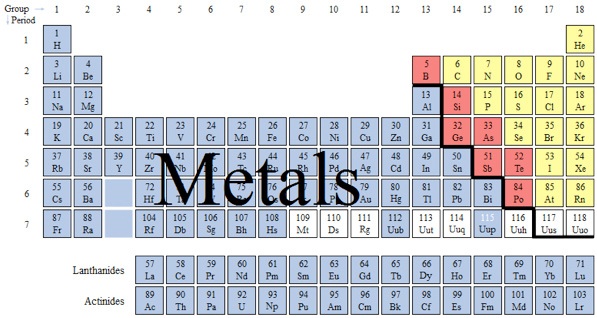
Which color identifies as the group non-metals?
neither color
blue
red
yellow
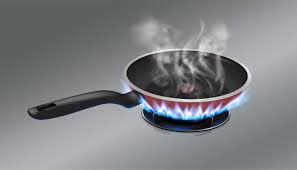
Pots and pans are made of metals. Metals are ____ conductors of heat.
Good
Poor / Bad
Non-metals are ___ conductors of heat.
Good
Poor / Bad

