
 Worksheets
CHAPTER 01 | Type & Language
Total questions: 25
Worksheet time: 13mins
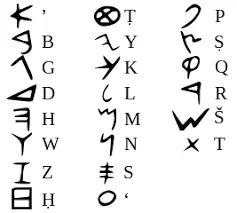
22 'magic signs'
Phoenician characters which developed into what was to become the basis of the modern Latin alphabet
Alphabet widely used in Slavic languages (Russian, Ukrainian, etc.) is based on Glagolitic and Greek.
Written and read from top to bottom.
A graphic element that represents an idea or a concept.

Ampersand
u
A ligature of the letters of the Latin word et, which means ‘and’.
Phoenician characters which developed into what was to become the basis of the modern Latin alphabet
Based on the 22 consonants of the Phoenician alphabet with an optional marking of vowels using diacritics.

Arabic
Developed from Phoenician, it is a Semitic language and a precursor for Arabic and Hebrew
Written and read from top to bottom
Based on the 22 consonants of the Phoenician alphabet with an optional marking of vowels using diacritics.
u
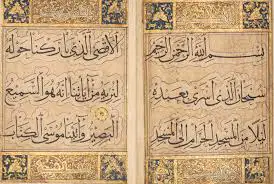
Arabic calligraphy
A ligature of the letters of the Latin word et, which means ‘and’.
u
Phoenician characters which developed into what was to become the basis of the modern Latin alphabet
Written and read from right to left.

Aramaic
A mark or glyph (symbol) used in an alphabetic writing system to indicate a sound.
Developed from Phoenician, it is a Semitic language and a precursor for Arabic and Hebrew.
u
A graphic element that represents an object, person or something else.

Boustrophedon (Greek)
u
Written and read from right to left and from left to right in alternate lines.
u
Developed in ancient Mesopotamia, it is one of the earliest standardized writing systems.
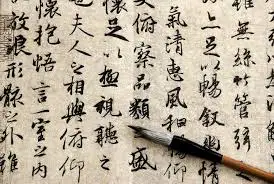
Chinese ideograms
Developed in ancient Mesopotamia, it is one of the earliest standardized writing systems.
A graphic element that represents an object, person or something else.
u
Written and read from top to bottom.
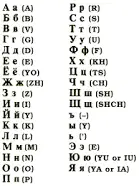
Cyrillic
u
Alphabet widely used in Slavic languages (Russian, Ukrainian, etc.) is based on Glagolitic and Greek.
Written and read from right to left, left to right, or downwards, depending on the direction the objects face.
Written and read from top to bottom

Cuneiform
A mark or glyph (symbol) used in an alphabetic writing system to indicate a sound.
Developed in ancient Mesopotamia, it is one of the earliest standardized writing systems.
u
A ligature of the letters of the Latin word et, which means ‘and’.
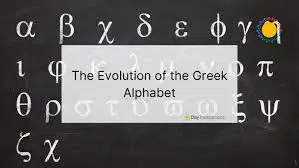
The Greeks
A graphic element that represents an object, person or something else.
Adopted from the Phoenician system and developed vowels to created a complete phonetic alphabet.
u
Developed in India and introduced to the West by Arab scholars.
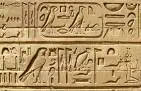
Hieroglyphs (Egyptian)
A mark or glyph (symbol) used in an alphabetic writing system to indicate a sound.
Written and read from right to left, left to right, or downwards, depending on the direction the objects face.
u
Developed in ancient Mesopotamia, it is one of the earliest standardized writing systems.
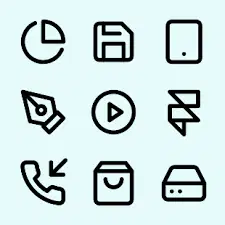
Icon
A mark or glyph (symbol) used in an alphabetic writing system to indicate a sound.
u
A graphic element that represents an object, person or something else.
u
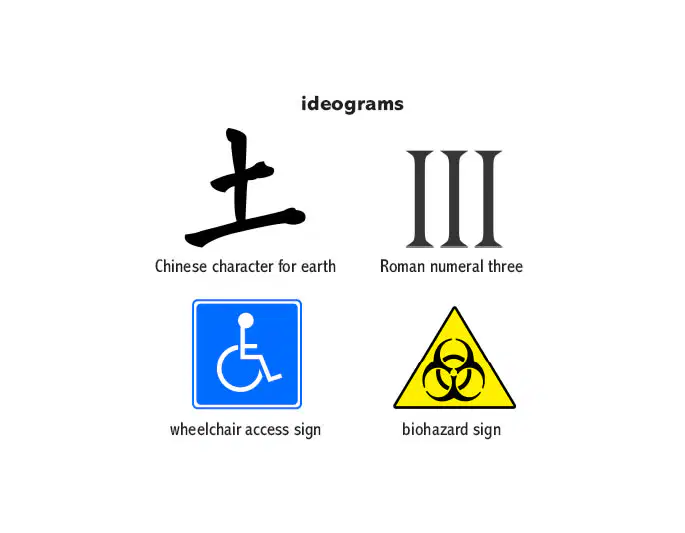
Ideogram
A graphic element that represents an object, person or something else.
Written and read from left to right.
A graphic element that represents an idea or a concept.
Written and read from right to left, left to right, or downwards, depending on the direction the objects face.
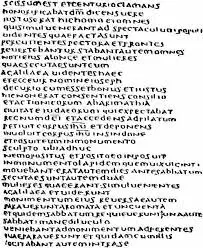
Latin characters
Written and read from right to left.
Written and read from left to right.
A mark or glyph (symbol) used in an alphabetic writing system to indicate a sound.
Written and read from right to left, left to right, or downwards, depending on the direction the objects face.
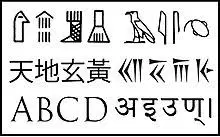
Letter
The study of language.
Based on the 22 consonants of the Phoenician alphabet with an optional marking of vowels using diacritics.
A mark or glyph (symbol) used in an alphabetic writing system to indicate a sound.
A unit of spoken language consisting of a single, uninterrupted sound.
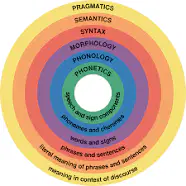
Linguistics
A unit of spoken language consisting of a single, uninterrupted sound.
A graphic element that represents an object, person or something else.
The study of language.
Phoneme group forming the smallest language unit.
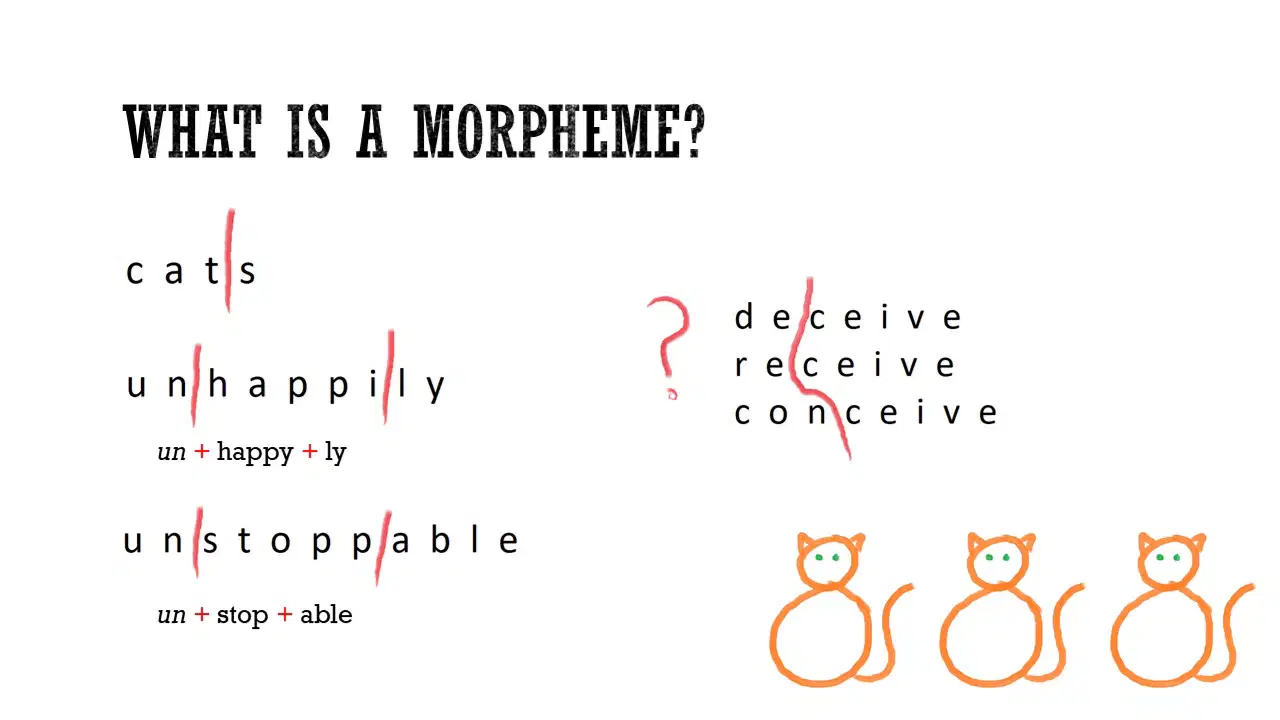
Morpheme
A graphic element that describes an action or series of actions through visual references or clues.
Phoneme group forming the smallest language unit.
The basic sound units used to form words.
A written symbol, letter, character or other mark that represents a sound, syllable, morpheme or word.
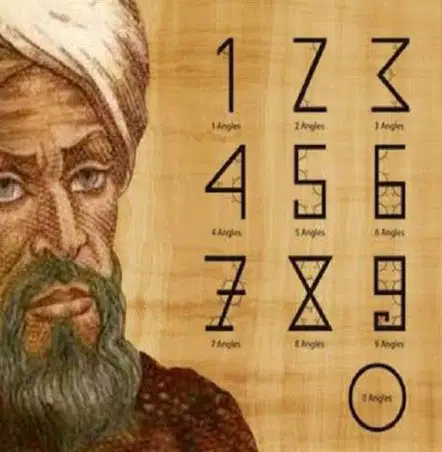
Numerals
Phoenician characters which developed into what was to become the basis of the modern Latin alphabet.
Developed in India and introduced to the West by Arab scholars.
A graphic element that represents an object, person or something else.
A written symbol, letter, character or other mark that represents a sound, syllable, morpheme or word.
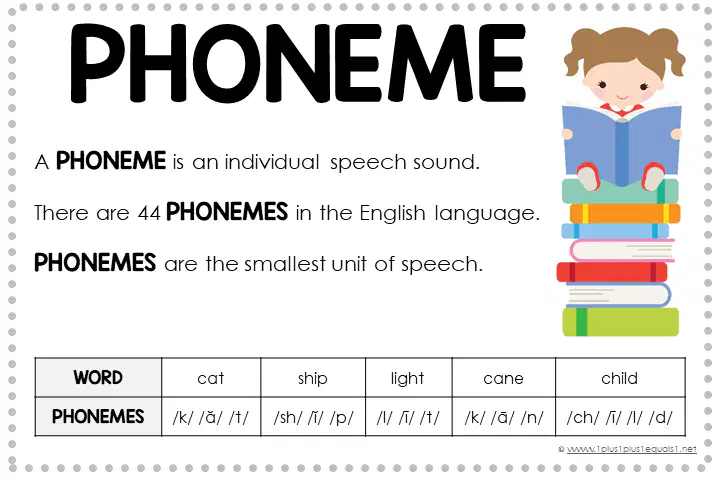
Phon - eme
A graphic element that communicates the ideas and concepts that it represents.
The basic sound units used to form words.
Phoneme group forming the smallest language unit.
A graphic element that describes an action or series of actions through visual references or clues.
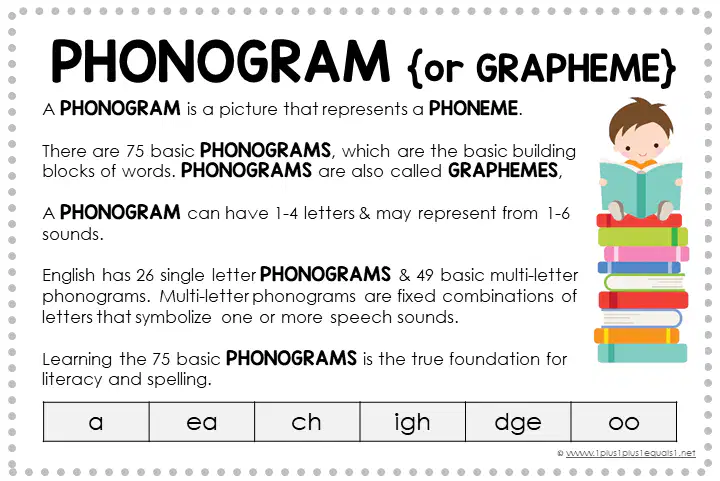
Phon - o - gram
A graphic element that communicates the ideas and concepts that it represents.
A graphic element that describes an action or series of actions through visual references or clues.
A written symbol, letter, character or other mark that represents a sound, syllable, morpheme or word.
The basic sound units used to form words.
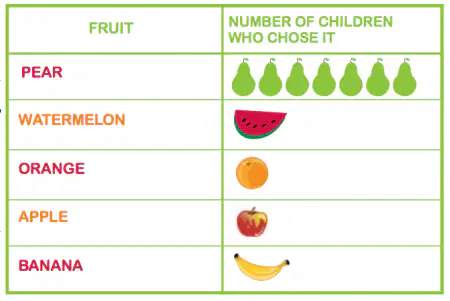
Pictogram
Phoneme group forming the smallest language unit.
A graphic element that describes an action or series of actions through visual references or clues.
A modern typeface which has its roots in a stone carving from the Roman era.
A graphic element that communicates the ideas and concepts that it represents.

The Romans
A modern typeface which has its roots in a stone carving from the Roman era.
Used seven of their letterforms as base numerals, with each letter representing a numeric building block.
A graphic element that communicates the ideas and concepts that it represents.
Phoneme group forming the smallest language unit.
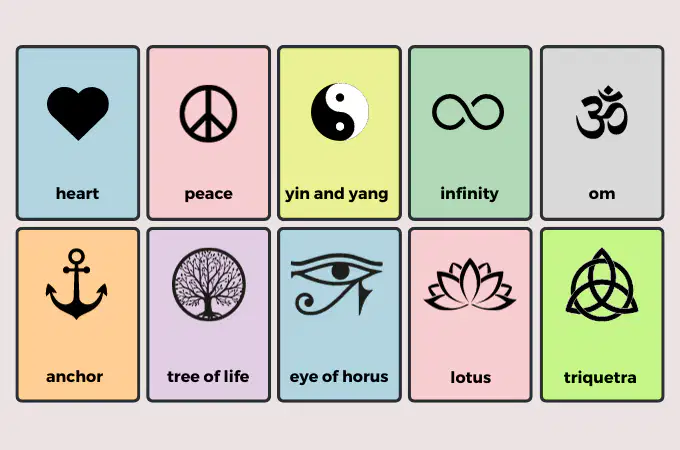
Symbol
A mark or glyph (symbol) used in an alphabetic writing system to indicate a sound.
A graphic element that communicates the ideas and concepts that it represents.
A unit of spoken language consisting of a single, uninterrupted sound.
A modern typeface which has its roots in a stone carving from the Roman era.
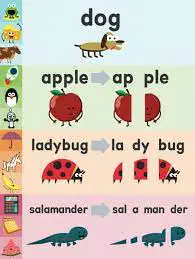
Syllable
The basic sound units used to form words.
A written symbol, letter, character or other mark that represents a sound, syllable, morpheme or word.
A unit of spoken language consisting of a single, uninterrupted sound.
Phoneme group forming the smallest language unit.
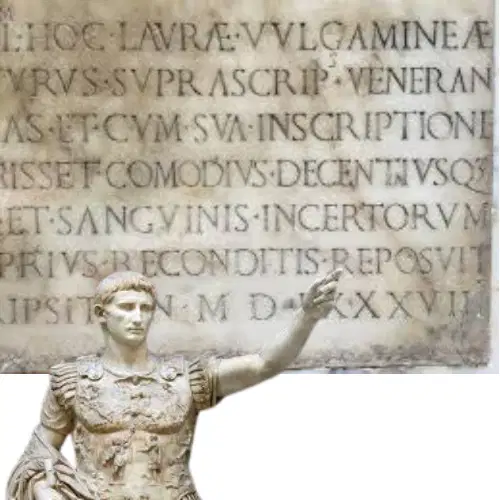
Trajan
The basic sound units used to form words.
Used seven of their letterforms as base numerals, with each letter representing a numeric building block.
A modern typeface which has its roots in a stone carving from the Roman era.
Developed in India and introduced to the West by Arab scholars.

