
 Worksheets
KS2 Science Test
Total questions: 96
Worksheet time: 1hrs 12mins
Why do animals and humans need food?
To grow.
To learn.
So they don't get hangry.
Which food group does bread belong to?
Carbohydrates
Fats
Protein
Dairy
Fruit and Vegetables
Which food group do eggs belong to?
Carbohydrates
Protein
Fats
Dairy
Fruit and Vegetables
What do we mean by a balanced diet?
A diet where you eat lots of food all from the same food group.
A diet where you put your food on your plate and then you have to balance it on your head without it falling over.
A diet where you get the right amounts and types of food to help you grow and be healthy.
A diet where you eat as much candy and chocolate as you like.

Which of these is not a type of tooth that can be found in humans?
Canine
Molar
Pre-Molar
Incisor
Producer
What is a carnivore?
An organism that eats plants.
A type of fish.
An organism that eats meat.
A place that can be found in the desert.

What organs below are part of the digestive system?
Stomach
Elbow
Tongue
Liver
Teeth
Which way do the arrows go in a food chain?


Carbohydrates... (pick one)
build muscles
give us energy
keeps us healthy

What does exercise cause your heart to do? (pick one)
Beat irregularly
Beat faster
Beat slower
Nothing


What are the needs of plants?
Air
Sunlight
Water
Soil
All of the Above
What is the first stage of the plant life cycle?
seedling
seed
adult plant
germination
Jenny saw a tree growing red apples. What stage of the plant life cycle is the tree in?
mature plant
seedling
young plant
seed
When the plant has leaves but no flower or fruit, the plant is in the ____________ stage.
seed
mature plant
young plant
germination
What is it called when seeds move from one place to another?
germination
seed dispersal
life cycle
seedling
The ___________ absorb sunlight to help make food for the plant.
seed
stem
roots
leaves
The _________ helps hold the plant up and carries water and nutrients to the rest of the plant from the roots.
leaves
roots
stem
seed
What do the leaves of a plant do?
They make the food for the plant.
They take in the water from the ground.
They transport water to the other parts of the plants
They support the plant upright.
Which item best describes the function of roots?
Anchor the plant & absorb water and mineral salts
Make food for the plant
Develops into a new plant
Transports food and water to all parts of the plant
Which of the following is NOT a function of roots?
Store food
Absorb water
Anchor the plant
Make food

Which is a function of the stem?
to make food
to support the plant
to absorb nutrients from the soil
to exchange gases with the surroundings
Which of the following is a function of leaves?
Support the plant.
Take in water and mineral salts.
Exchange gases with the surroundings.
Transport water and food to all parts of the plant.
True or False: All plants produce flowers.
True
False

What is a pollinator ?
bug
bees
Animals that carry pollen from one flower to another.
stingray
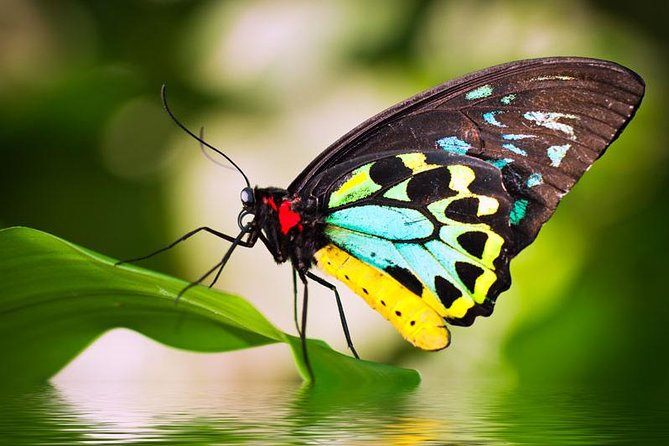
Vertabrate
Invertabrate
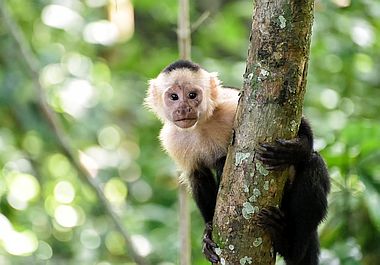
Vertabrate
Invertabrate
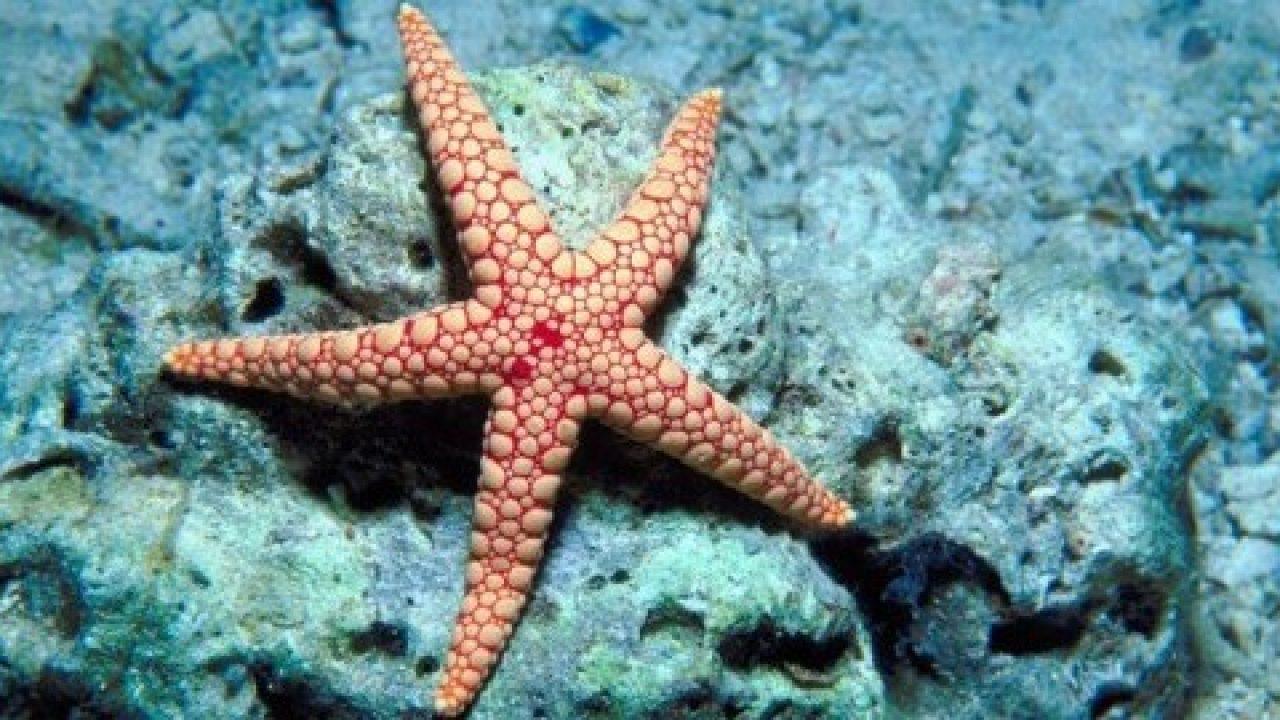
Vertebrate
Invertabrates
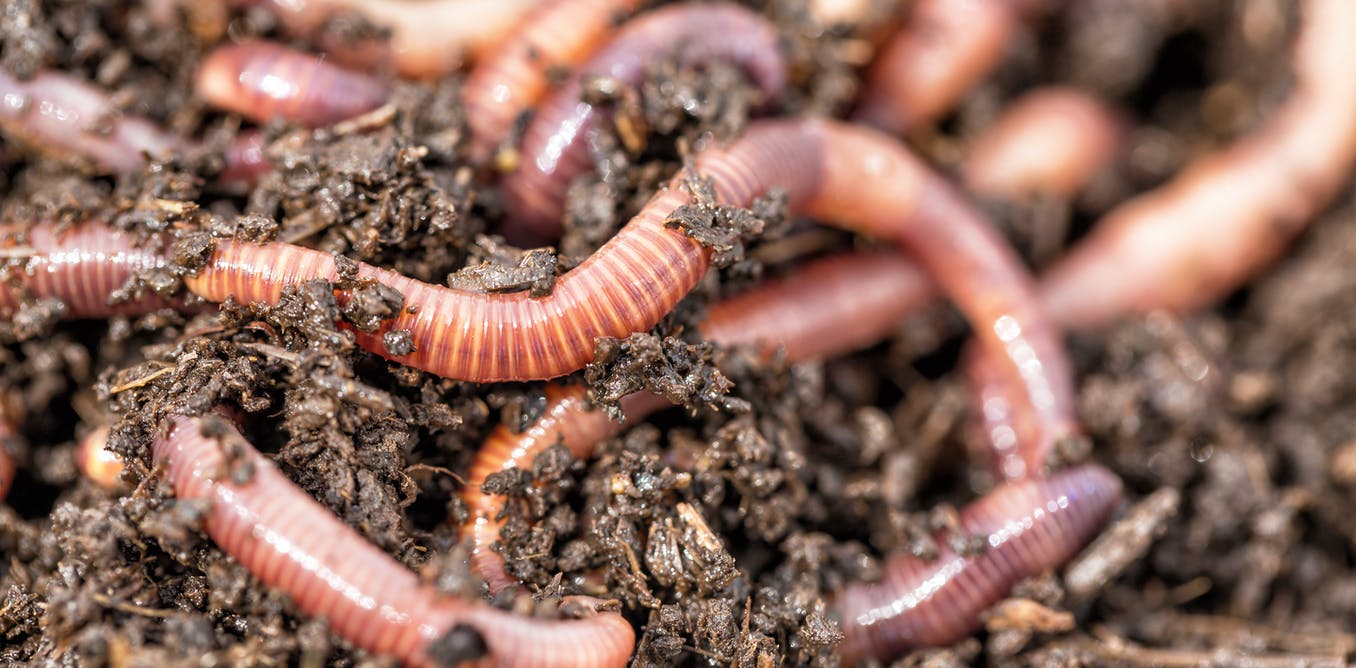
Vertebrate
Invertabrate
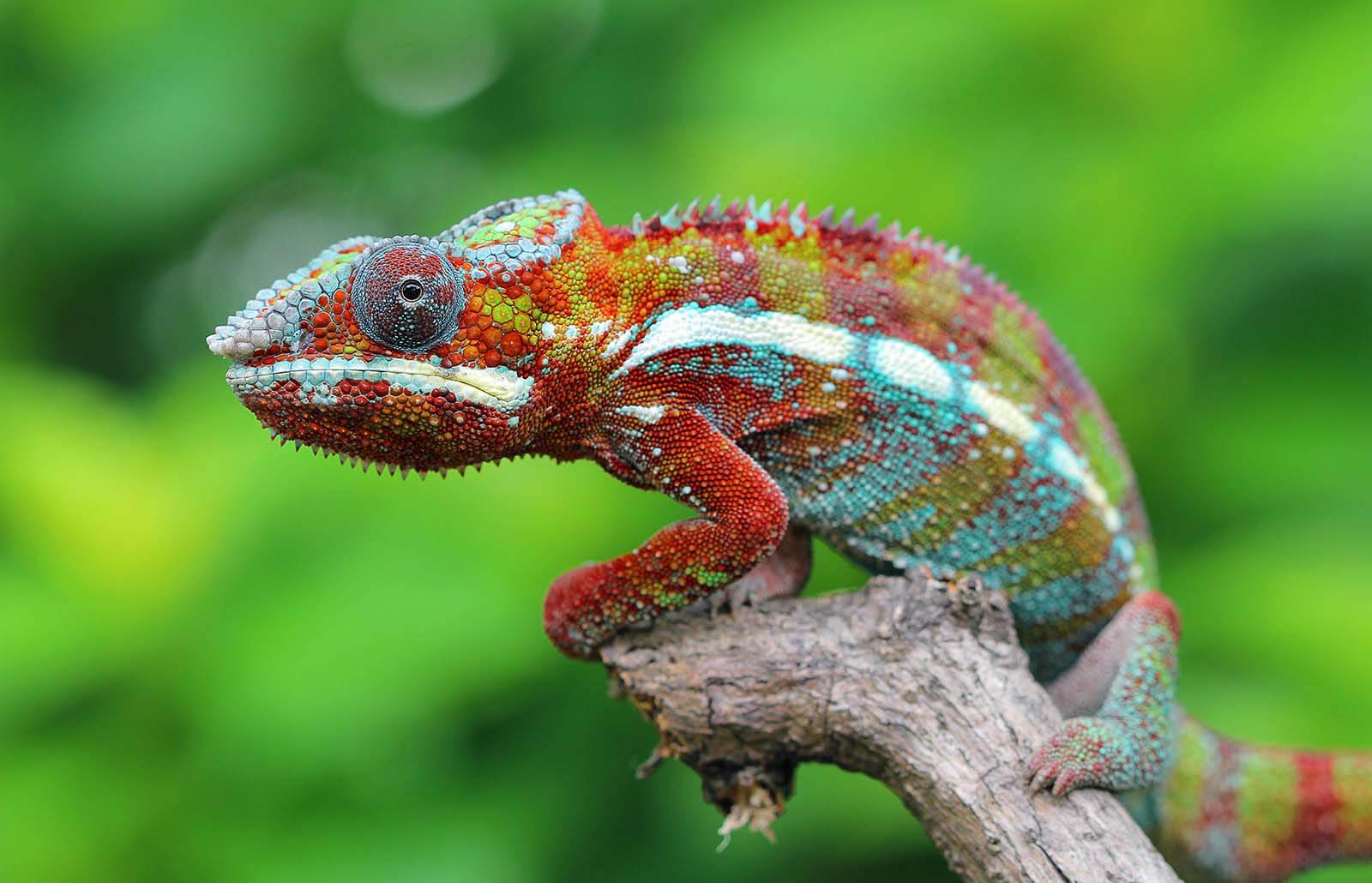
Vertebrate
Invertabrate
Characteristics of invertabrates
multicellular
don't have a backbone
They reproduce by two
none
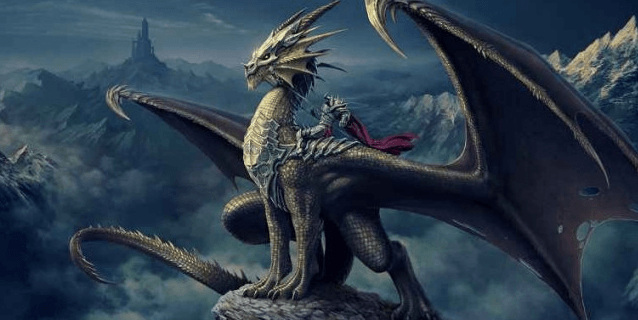
Vertabrate
Invertabrate
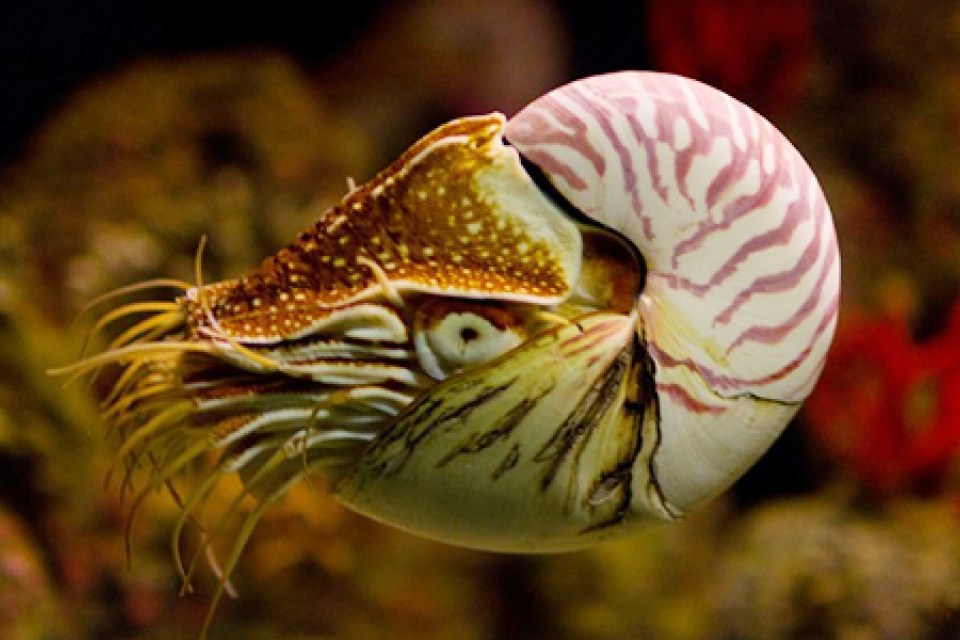
Vertebrate
Invertabrate
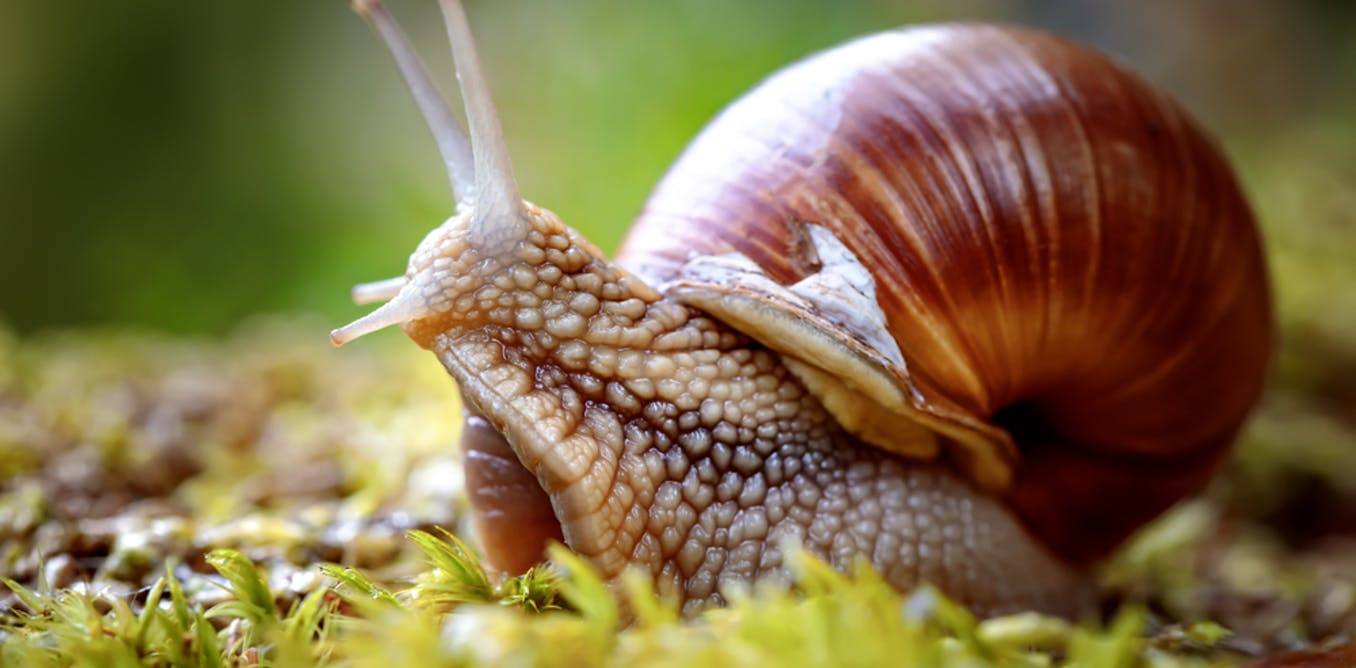
Vertebrate
Invertabrate
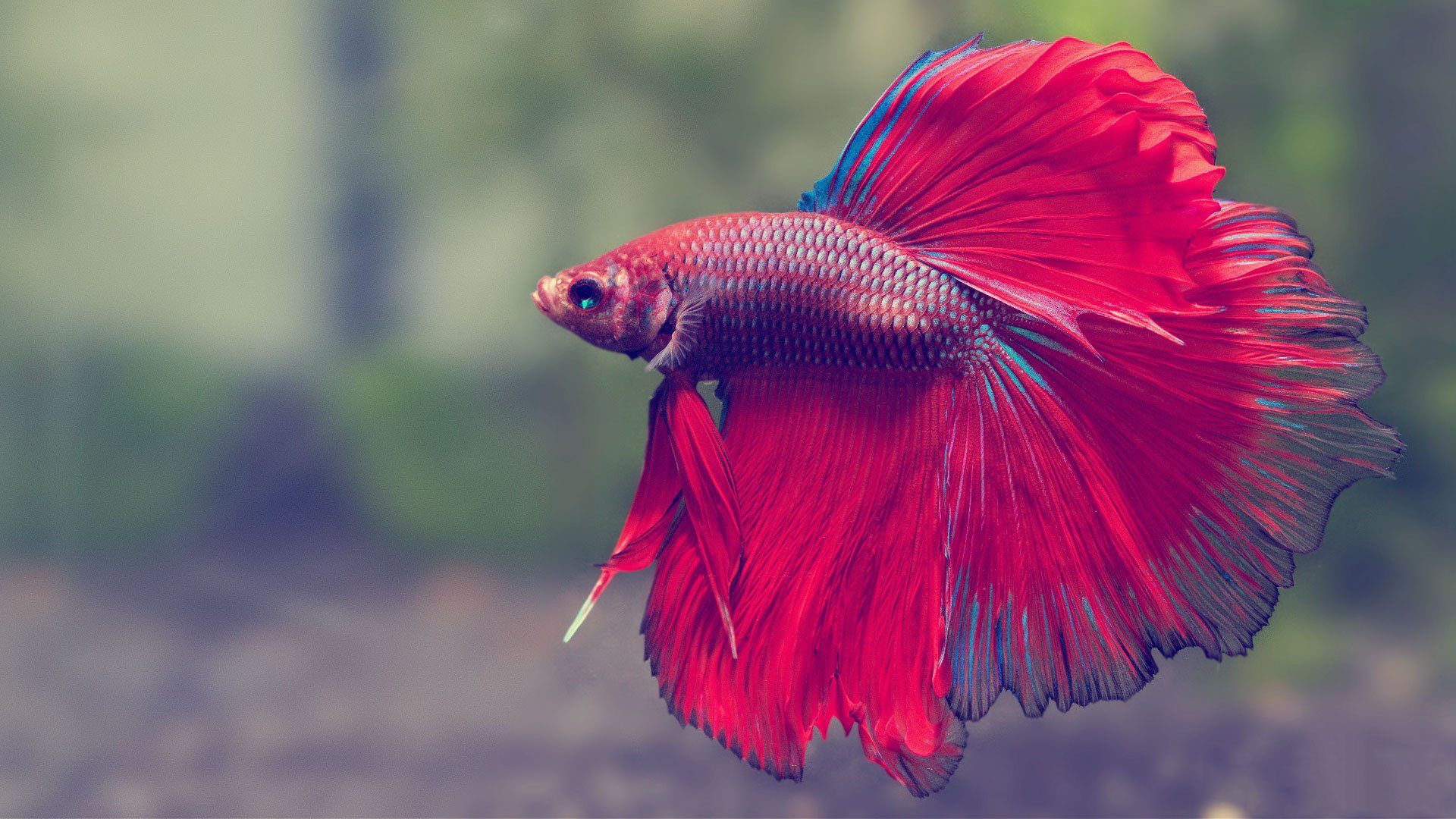
Vertebrate
Invertebrate
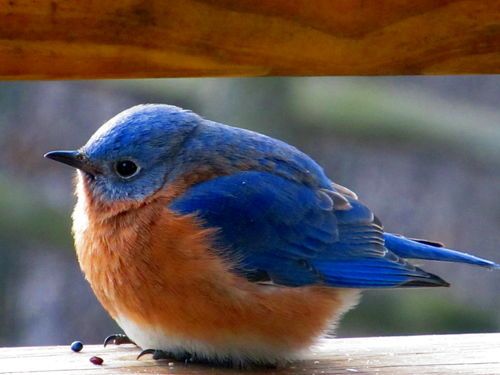
Vertebrate
Invertebrate
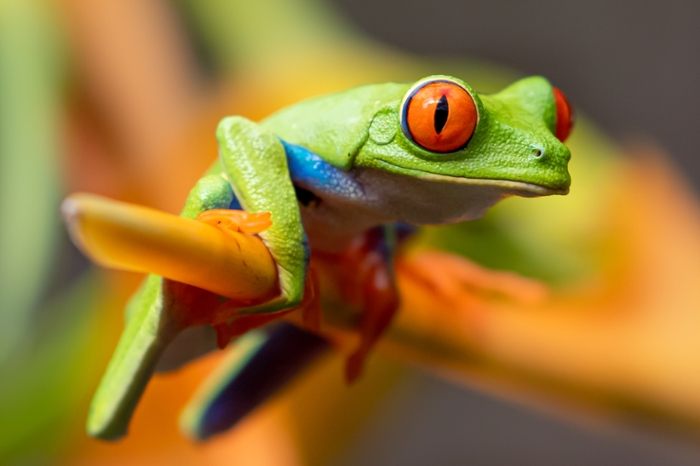
Vertebrate
Invertebrate
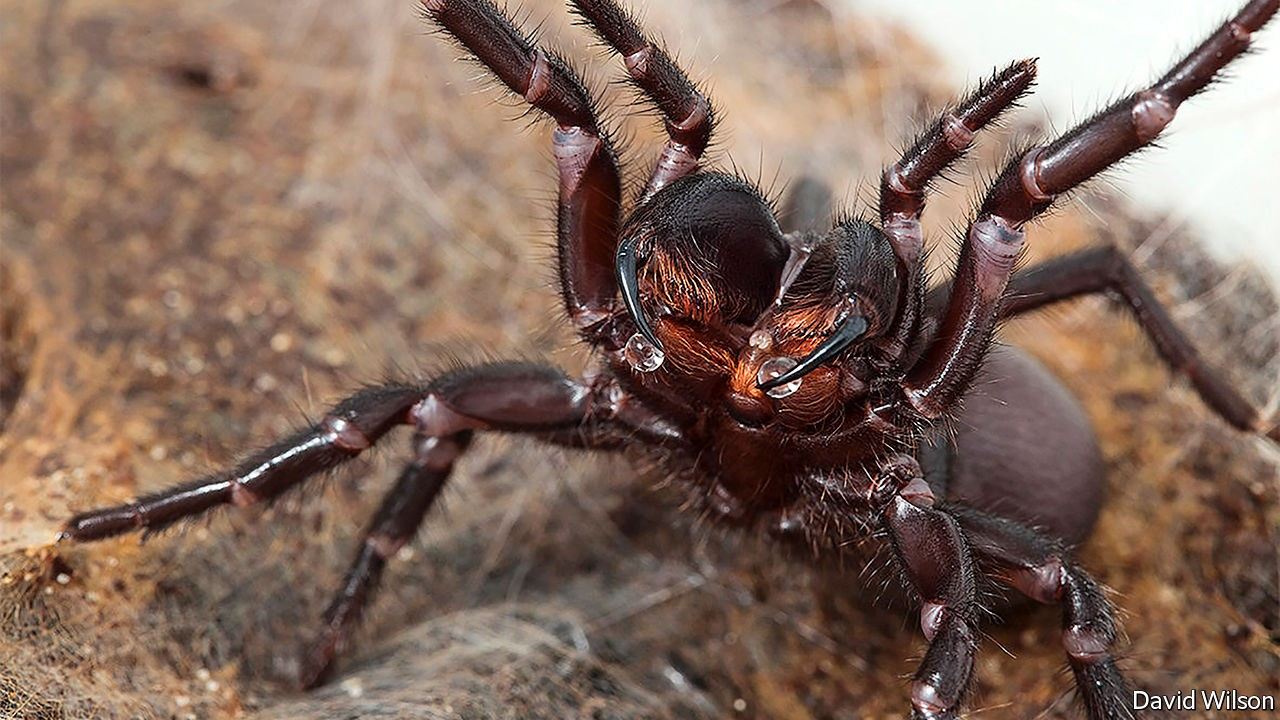
Vertebrate
Invertebrate
Animals are divided into two groups: dogs and insects.
True
False

I am cold blooded, covered in scales, use gills to breathe under water, and I lay eggs. What am I?
Fish
Mammal
Reptile
Amphibian
What is the major difference between vertebrates and invertebrates?
Vertebrates have a backbone and invertebrates do not.
Invertebrates live in water and vertebrates do not.
Invertebrates have a backbone and vertebrates do not.
Invertebrates are smaller than vertebrates.
What are the three states of matter?
solid, matter, liquid
solid, liquid, gas
liquid, matter, solid
matter, liquid, gas

Which state of matter is represented by the particles in this image?
Solid
Liquid
Gas
Which kind of matter has its own shape?
solid
liquid
gas
matter

Which state of matter is represented by the particles in this image?
Solid
Liquid
Gas
Which state of matter has a definite volume, but not a definite shape?
solid
liquid
gas

Which state of matter is represented by the particles in this image?
Solid
Liquid
Gas
Which one is solid?


Which of the following is an example of liquid?
chocolate milk
table
oxygen
basketball

Look at the picture above.
What property or properties must the material for making the camping tent have?
Flexible
Transparent
Not waterproof
Waterproof

John filled a beaker with water and dropped a ball into it. He was able to see the water and the ball through the beaker clearly.
Which of the following explains his observation?
The beaker is waterproof.
The beaker is strong enough to hold both the water and ball.
The beaker allows light to pass through it.
The beaker is flexible.

Which of the following is an advantage of using plastic for making pails.
It is flexible.
It allows light to pass through it.
It is shiny
It is lightweight.
John noted some properties of an object, X, listed below.
-Strong
-Waterproof
-Flexible
Which of the following is object X most likely to be?
Towel
Camping tent
Coin
Book

The diagram above shows what happens when two objects, A and B, are placed in a tank of water.
Which of the following could objects A and B be?
A: Glass marble, B: Styrofoam plate
A: Wooden chopstick, B: Wooden toothpick
A: Plastic spoon, B: Metal coin
A: Metal spoon, B: Rubber eraser
Mrs Lim bought a knife. The properties of the blade of the knife are described below.
-It is shiny.
-It is strong
-It is not scratched easily.
Which of the following is most likely the material used to make the blade of the knife?
Metal
Glass
Fabric
Wood
Which of the following property or properties are taken into consideration when using glass to make a fish tank? (You may select more than one option.)
Glass is strong
Glass is fragile.
Glass is waterproof
Glass is transparent.
Ryan was trying to bend a metal ruler with his hands. Which property of materials was he trying to test?
Whether the ruler is transparent
Whether the ruler is flexible.
Whether the ruler is waterproof.
Whether the ruler is strong.

The following objects are grouped according to whether they float or sink in water.
Which object has been wrongly grouped?
Pencil
A bar of soap
Ceramic mug
Styrofoam box
Different materials have different _____________.
characteristics
properties
needs
groups

Ryan is able to see through the glass windows clearly. This is because the glass window is ______________.
Waterproof
Strong and flexible
Transparent
Which of the following materials come from living things?
Silk
Ceramics
Plastics
Metals

What material is suitable for making basketballs?
Glass
Metal
Plastic
Rubber

The diagram below shows a pair of rubber boots and a pair of cotton socks. How are they different?
The rubber boots are ______________ while the cotton socks are __________________. (Select 2 answers)
Waterproof
Broken easily
Not waterproof
Not broken easily
What object is attracted to a magnet?
a Nickel
Water
silver
Iron
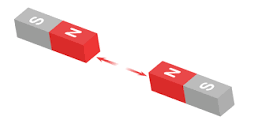
How many poles does a magnet have?
1
2
3
4
What are the poles of a magnet called?
North and West
North and East
East and West
North and South
What happens when two SAME poles are put together?
Attract
Repel
What happens when two DIFFERENT poles are put together?
Attract
Repel

A force can't make something move.
True
False

A force can change the shape.
True
False

You can make a force by
pushing
pulling
squashing and stretching
all of the above

A force can make something change
scent.
colour.
direction.

