
 Worksheets
pathology chapter 5
Total questions: 56
Worksheet time: 31mins
this is defined as a permanent change in the DNA
epigenetics
mutation
this is an X-linked dominant condition
Duchenne muscular dystrophy
Alport syndrome
Hemophilia A
Wiskott-Aldrich syndrome
this is an autosomal dominant condition
Osteogenesis imperfecta
Cystic fibrosis
Sickle cell anemia
α1-Antitrypsin deficiency
true about autosomal dominant conditions
occur when both copies of a gene are mutated
transmitted by heterozygous females to their sons, who manifest the disease.
Enzyme proteins are not affected
Why is there NO Y-linked inheritance?
Males with mutations affecting the Y-linked genes are usually infertile
Males with mutations affecting the Y-linked genes are incompatible with life
enzyme affected in Tay-Sachs disease
Adenosine deaminase
Hexosaminidase A
α1-Antitrypsin
Cell membrane affected in Hereditary spherocytosis EXCEPT?
Spectrin
ankyrin
collagen
protein 4.1
Marfan syndrome results from an inherited defect in an extracellular glycoprotein called?
Dystrophin
fibrillin-1
Collagen
spectrin
human genetic disorder with low penetrance
chromosomal disorders
complex multigenic disorders
disorders related to mutations in single genes with large defects
true about sickle cell mutation?
conservative missense mutation
nonconservative missense mutation
the ABO O allele is an example of what type of mutation?
missense mutation
point mutation
frameshift mutation
trinucleotide repeat mutation
this refers to a single mutant gene that may lead to many end effects
polymorphism
pleiotropism
this makes up the largest category of mendelian disorders and includes almost all inborn errors of metabolism
autosomal dominant
autosomal recessive
X-linked
this condition is due to mutations involving FBN2 gene which encodes for fibrillin-2, it is characterized by skeletal abnormalities
congenital contractural arachnodactyly
marfan syndrome
what is the most striking feature of marfan syndrome?
skeletal abnormalities
ocular changes
cardiovascular lesion
skin involvement
what portion of the eye is usually affected in marfan syndrome?
choroid
lens
cornea
retina
what is the most frequent cardiac anomaly in marfan syndrome?
aortic dissection
mitral valve lesion
what is the common mutation observed among Ehlers-Danlos syndrome, osteogenesis imperfecta, Alport syndrome, and epidermolysis bullosa?
collagen
vitamin D receptor
calcium ion transporter
this type of ehlers-danlos syndrome is also known as "classic type"
type II
type III
type IV
this form of ehlers-danlos syndrome is prone to have ocular fragility with rupture of cornea and retinal detachment, it is also the most common autosomal recessive form
type VI
type III
Type I
the gene defects in this form of ehlers-danlos syndrome is unknown
classic type
hypermobility type
vascular type
type III
this type of LDL receptor mutation is regarded as null allele wherein there is complete failure of synthesis of the LDL receptor
class I
class II
class III
class IV
Class III LDL receptor mutation affects binding with what apolipoprotein
Apo-A
Apo-B
Apo-C
Class of LDL receptor mutation which resulted in the failure of initial targeting of the LDL receptor to the basolateral membrane?
Class II
Class IV
Class VI
what is the least common mutation (1-2%) in familial hypercholesterolemia
LDL receptor
Apo-B protein
PCSK9
this term refers to mitochondrial turnover which is designed to degrade dysfunctional mitochondria
mitotopsis
mitophagy
mitocrosis
virtually all patients with Gaucher disease will develop this condition
Alzheimer disease
Parkinson disease
Tay-Sachs disease is a lysosomal storage disease involving?
glycogenosis
sphingolipidoses
sulfatidoses
mucopolysaccharidoses
Tay-Sachs disease is caused by a deficiency of Beta-hexosaminidase resulting in inability to catabolize GM2 ganglioside. What isoenzyme of Beta-hexosaminidase is affected in Tay-sachs disease?
Hexosamindase A - alpha subunit
Hexosamindase A - beta subunit
Hexosamindase B - alpha subunit
Hexosamindase B - beta subunit
this is an expected neuronal findings under light microscope in Tay-sachs disease
neurons are ballooned with cytoplasmic vacuoles (lipid vacuolation)
cytoplasmic inclusions such as whorled configurations within lysosomes composed of onion-skin layers of membranes
this is a severe infantile form of niemann pick disease with extensive neurologic involvement
type A
type B
what is the major accumulating metabolite in niemann-pick disease
galactocerebroside
sphingomyelin
this is the most common lysosomal storage disorder
tay-sach
niemann-pick
fabry
gaucher
hurler
True about Gaucher disease
presence of zebra bodies under electron microscope
vacuolation and ballooning of neurons constitute the dominant histologic change
Presence of retinal cherry-red spot
presence of plump macrophages with crumpled paper appearance
what is the most common type of gaucher disease?
chronic noneuronopathic form
infantile acute cerebral form
acute neuronopathic form
gaucher type III
mutation of what gene is the most common known genetic risk factor for the development of parkinson disease
inherited deficiency of sphingomyelinase
deficiency of the enzyme B-hexosaminidase
glucocerebrosidase gene mutation
true about mucopolysaccharidoses except
generally X-linked recessive trait
difficulty degrading glycosaminoglycans
there is clouding of cornea
intellectual diasability
heart problems are important cause of death
this is also known as MPS I-H which is due to deficiency of a-L-iduronidase
hurler syndrome
hunter syndrome
hepatic form of glycogenoses wherein liver cells store glycogen because of a lack of hepatic glucose 6 phosphatase
von Gierke disease
pompe disease
McArdle disease
this form of glycogenoses is characterized by lack of muscle phosphorylase which gives rise to storage in skeletal muscles and cramps after exercise
von Gierke disease
Pompe disease
McArdle disease
the study of chromosomes is called karyotyping - the usual procedure is to examine chromosomes is to arrest them at what phase of cell division?
anaphase
metaphase
prophase
telophase
A variety of staining methods for chromosomal studies have been developed. The one most commonly used involves a Giemsa stain and is hence called G banding. The resolution obtained by banding can be markedly improved by obtaining the cells in what phase of cell division?
prophase
anaphase
metaphase
telophase
true about down syndrome except
it is the most common of the chromosomal disorders and is a major cause of intellectual disability
Approximately 95% of affected individuals have trisomy 21 due to mitotic nondisjunction, so their chromosome count is 47
maternal age has a strong influence on the incidence of trisomy 21
they are prone to develop acute myeloid leukemia particularly acute megakaryoblastic leukemia
this is characterized by microphthalmia, polydactyly, umbilical hernia, cleft lip and palate, renal defects, microcephaly and intellectual disability, and rocker bottom feet
trisomy 21
trisomy 18
trisomy 13
hypocalcemia in DiGeorge syndrome is due to?
thymic hypoplasia
thyroid hypoplasia
parathyroid hypoplasia
the classic klinefelter syndrome karyotype observed in 90% of cases
45, X
47, XYY
47, XXY
69, XXYY
this is the most common sex chromosome abnormality in females
fragile X syndrome
turner syndrome
down Syndrome
this is the most common genetic cause of intellectual disability in males and overall the second most common cause after down syndrome
klinefelter syndrome
hunter syndrome
fragile x syndrome
edward syndrome
prader willi syndrome
deletion of the maternally derived chromosome 15 and presents with intellectual disability with ataxic gait, seizures and inappropriate laughter known as happy puppers
prader willi syndrome
angelman syndrome
it uses DNA probes that recognize sequences specific to particular chromosomal regions. The probe hybridizes to its homologous genomic sequence and thus labels a specific chromosomal region that can be visualized under a fluorescent microscope
PCR
FISH
Cytogenomic Array Technology
Next generation Sequencing
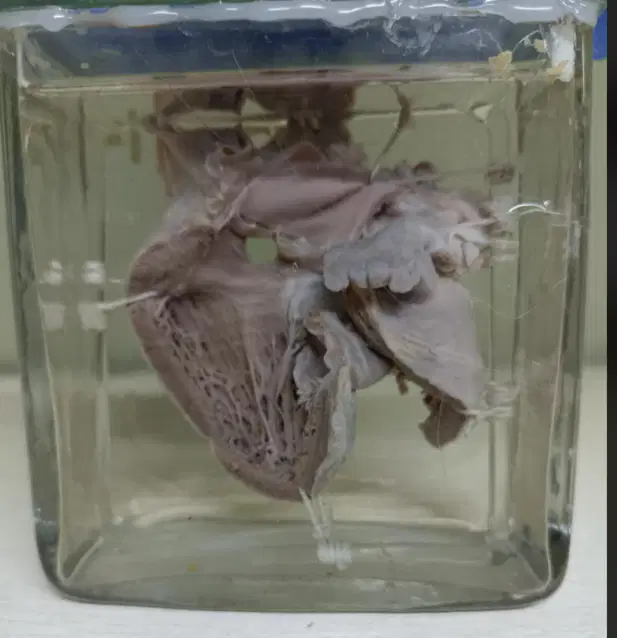
which of the following is not true regarding this case?
it is a form of right to left shunt
it is not initially associated with cyanosis
they are the most common form of congenital heart disease
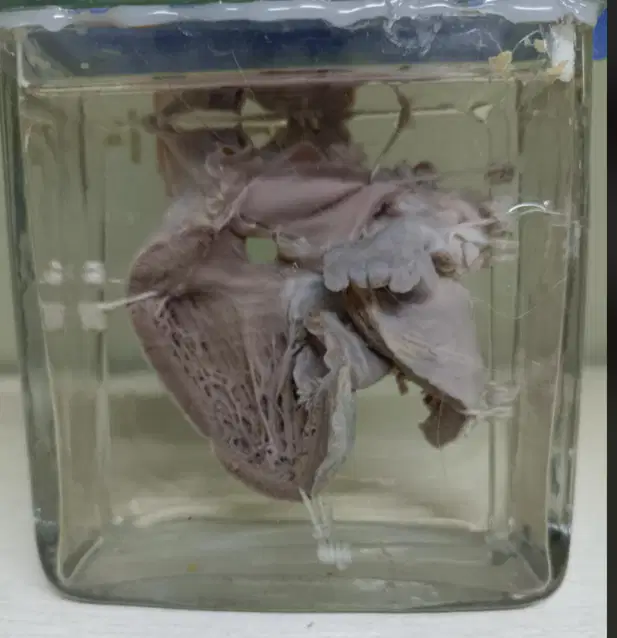
which of the following is not true regarding this case
most cases are membranous type
the majority are 2-3 cm
most are single lesion but those in the muscular septum may be multiple.
it is the most frequent form of congenital heart disease in Down syndrome
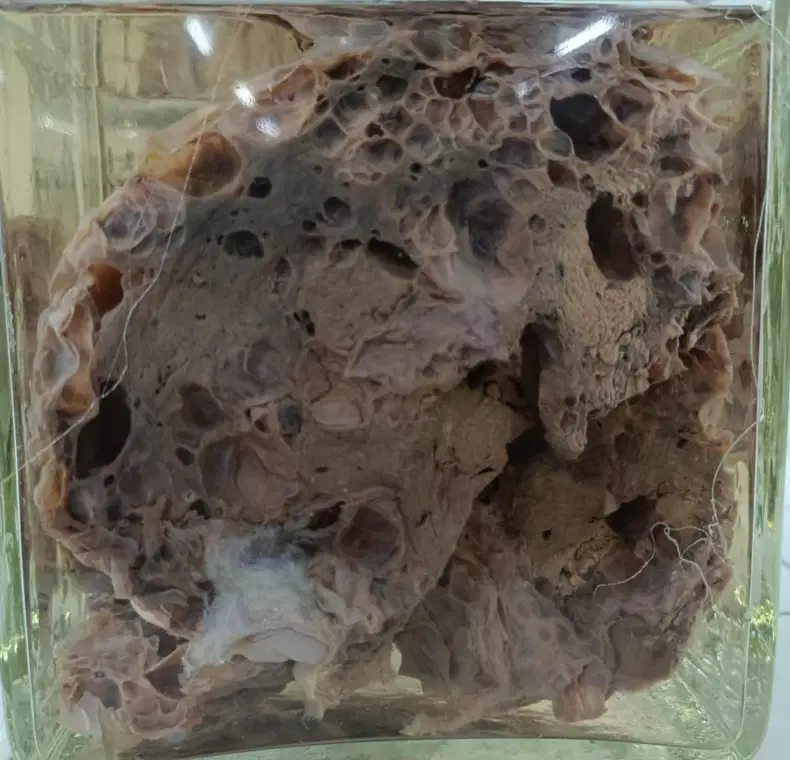
what is the likely diagnosis
Adult polycystic kidney disease
Childhood polycystic kidney disease
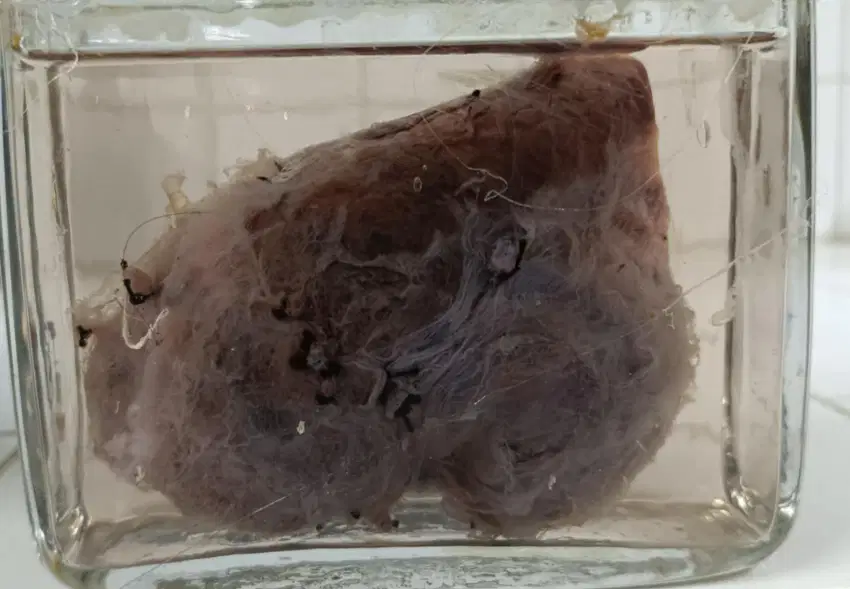
Which if the following is true about this case?
The kidneys are enlarged and have a smooth external appearance.
On cut section, numerous small cysts in the cortex and medulla give the kidney a spongelike appearance.
The external surface looks solely made of cysts, up to 3 to 4 cm in diameter, with no intervening parenchyma
autosomal recessive
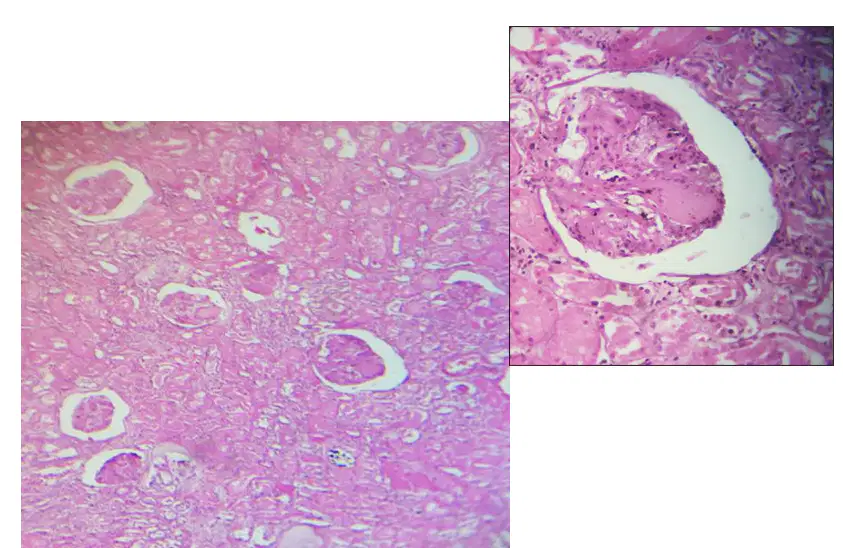
Which of the following is true regarding about those ovoid to spherical masses in the periphery of the glomeruli in between dilated capillary lumen?
composed of glucose
composed of hyaline
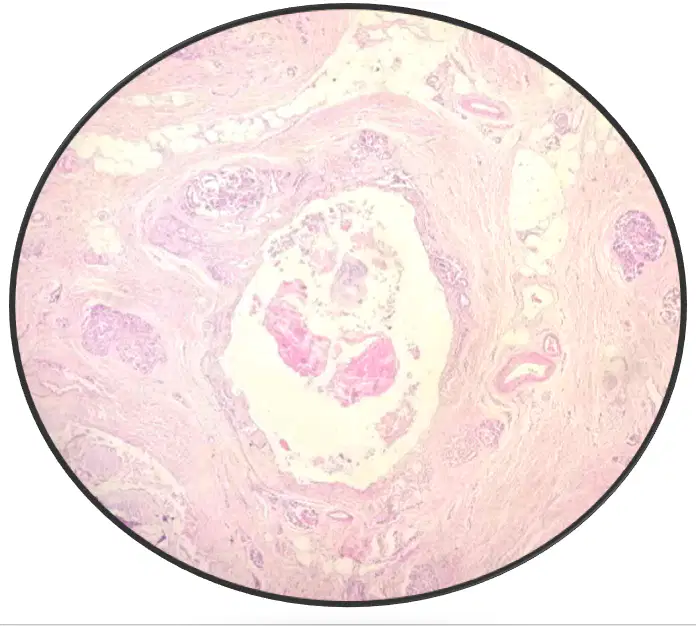
NOT true about this lesion
autosomal recessive transmission
there is abnormal transport of chloride and bicarbonate ions
sweat glands are morphologically unaffected
This is primarily due to mutation in ENAC gene

