
Font size
 Worksheets
HUMAN BODY SYSTEMS
Total questions: 60
Worksheet time: 44mins
The overall reactions of photosynthesis are best summarized as …
12 CO2 + 6 H2O → C6H12O6 + 12 O2 + 6 H2O.
C6H12O6 + 6 O2 + 6 H2O → 6 CO2 + 12 H2O.
6 CO2 + 12 H2O → C6H12O6 + 6 O2 + 6 H2O.
6 CO2 + 12 H2O → C6H12O6 + 12 O2.
What colour of light is best absorbed by plants?
Red and blue
Green and Yellow
Red and green
Blue and green
Only green

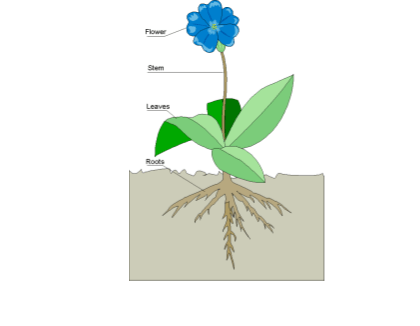


Identify what is shown in the picture
chlorophyll
stomata
carbon dioxide
veins


What is the chemical formula for carbon dioxide?
C6H12O6
H2O
O2
CO2
ATP
What is the chemical formula for glucose?
C6H12O6
H2O
O2
CO2
ATP
What is the chemical formula for water?
C6H12O6
H2O
O2
CO2
ATP
What is the chemical formula for oxygen?
C6H12O6
H2O
O2
CO2
ATP
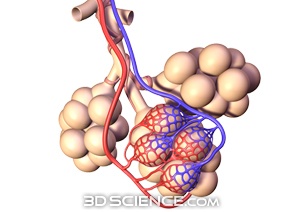
1. larynx
2. nasal cavity
3. pharynx
4. trachea
Which of the following is the correct order that air would flow during inhalation.
Your body couldn’t breathe without this system. Which one is it?
Respiratory system
Circulatory system
Digestive system
Where in the body does respiration occur?
In the heart
In all living cells
In the muscles
In the lungs

What is this?
a ribosome
a nucleus
a bacterium
a mitochondrion

Where are the lungs located?
In the Chest Cavity
In the Spine
In the stomach
The system in any organism that helps in transporting the substances, gases, etc is called ________
Circulatory system
Digestive system
Respiratory system
Excretory system
What is tested by a Doctor by holding the wrist of a person?
Heart beat
Pulse rate
Breath rate
Nerve impulse
Is pulse rate equal to heart beat?
Yes
No
Never
Some times
How many chambers are there in the heart of human?
4
3
2
5
The upper chambers of the heart are known as __________
Atria
Ventricles
Arteries
Veins
What are the lower chambers of heart called?
Ventricles
Atria
Arteries
Veins
Which is the largest artery?
Aorta
Pulmonary vein
Pulmonary artery
Veins
Aorta arises from__________
Right atria
Right ventricle
Left atria
Left ventricle
What is the scientific name given to red blood cells?
megakaryocytes
monocytes
erythrocytes
macrophages
Which of the following secretes hormones directly in the blood?
Bone marrow
Endocrine glands
Histamine
Liver
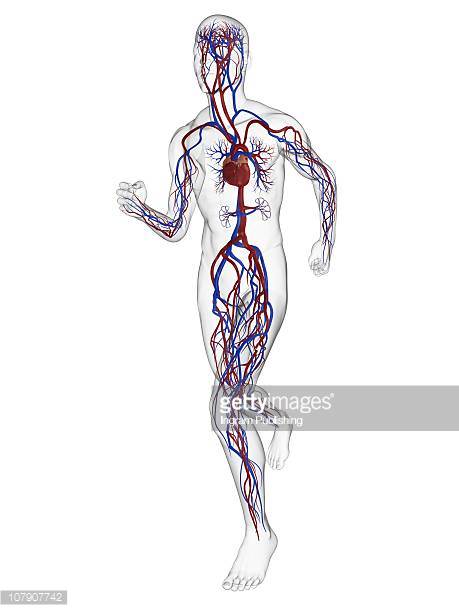
What is the main organ of the circulatory system?
small intestine
bone
lungs
heart
What are the main functions of the excretory system?
deliver oxygen to the body
remove water and waste from the body
deliver nutrients to the body
remove disease from the body
Which organ filters blood?
Kidneys
Large Intestine
Lungs
Bladder
How many kidneys do you have?
1
3
5
2

What is organ is #1?
Kidney
Stomach
Bladder
Heart
What organ is #3?
Kidney
Stomach
Bladder
Heart
I am the largest organ inside the body
stomach
liver
small intestine
I look like a sleeping snake
colon
small intestine
esophagus
There are how many bones in our body
307
509
206
107
Identify the structural and functional unit in the kidney.
Neurone
Nephron
Nucleus
Glumerulus

What is the job of your digestive system?
To break down food
To remove waste
To pump blood around the body
To bring oxygen into the body

A muscular bag that mixes and crushes food is your
Small Intestine
Stomach
Large Intestine
Esophagus

This picture shows:
Reproduction by fission
Reproduction by Budding

This picture shows:
Reproduction by fission
Reproduction by Budding
The part of a flower that contains the pollen; located at the end of the stamen.
Pistil
Stamen
Anther
Ovary
A female reproductive organ that produces eggs.
Stigma
Ovary
Style
Pistil
The colorful, leaf-like structures that encircle the center part of the flower.
Sepal
Petal
Stamen
Pistil
The female structure of the flower.
Pistil
Stamen
Sepal
Petal
The process of fertilizing flowers by transferring pollen from the male to female parts.
Germination
Pollination
Reproduction
Behavior

The gland that stimulates body metabolism (calorie burning)
Thyroid
ovary
testes
What is the function of the endocrine system?
to filter and eliminate the waste from the blood
to secrete hormones into the bloodstream to regulate body activities
to provide structure and support for the body
to defend the body against pathogens

Body's central command organ
Brain
Spinal Cord
Stomach
Heart

