
 Worksheets
8.6ABCDE Matter, Properties, & Chemical Reactions
Total questions: 50
Worksheet time: 40mins
What term describes a pure substance that cannot be broken down into a simpler substance by a chemical means?
compound
molecule
element
chemical reaction
What term describes a combination of two or more substances in which each substance retains its own chemical properties?
element
mixture
compound
adhesion
What is the difference between a homogeneous and heterogeneous mixture?
homogeneous mixtures have a uniform composition and the same properties throughout and heterogeneous do not.
homogeneous mixtures are not uniform and can be easily seperated.
heterogeneous mixtures are the same properties and homogeneous are different.
they are both a type of mixture.
Sketch a model of a heterogeneous mixture. Use a real life example if needed.


Does this model represent an element, compound, or mixture?
(a)
Air is a (a) type of mixture.
What term describes a representation of a chemical reaction using chemical symbols for elements and compounds?
coefficient
mixture
chemical change
chemical equation
In a chemical equations, what term is given to the elements and compounds on the right side of the equation?
subscript
products
yeild
reactants
The quantity of matter present in an object is called
weight
Gram
mass
density
What is the basic unit of all matter?
(a)
The big number that sits in front of a chemical formula is the coefficient. This tells us the number of (a) we have.
In a chemical equation, the total number of atoms of each element must be exactly the (a) on the reactants side as they are on the products side.
Matter/Mass can not be created nor destroyed, only rearranged based on the Law of (a) of Mass
How do you determine the number of molecules present if there is no coefficient before an element or compound?
it is an automatic 2 because 2 is a lucky number.
it is an automatic 0 because there always has to be a coefficient.
it is an automatic 1 because the formula is present.
the coefficient tells the number of atoms, not the number of molecules.
What element as a symbol of Na?
(a)
What element has a symbol of Cu?
(a)

How many total atoms are in the chemical formula?
1
7
5
8

How many total atoms are present on the products side in the chemical equation?
26 atoms
20 atoms
36 atoms
17 atoms

How many total atoms of iron are present on the reactants side in the chemical equation?
(a)
The small number that sits down beside an element is called the (a) . It tells the number of atoms each element has in a chemical formula.

True or False (place an F or T): Does the chemical equation correctly represent a chemical reaction that can occur? *does it follow the law?
(a)

True or False (place an F or T): Does the chemical equation correctly represent a chemical reaction that can occur? *does it follow the law?
(a)

What term describes the attraction between molecules of the same substance?
(a)
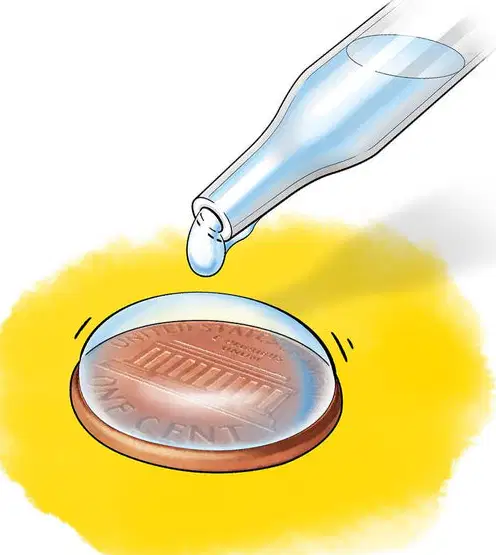
What term describes a measure of how difficult it is to break the surface of a liquid?
(a)

What term describes the attraction between molecules of different substances?
(a)
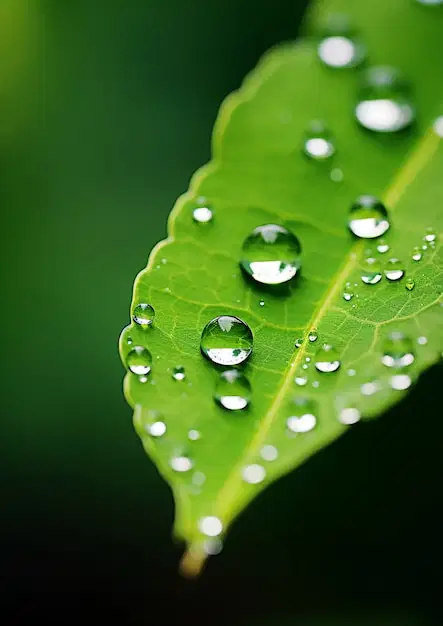
Dew drops on leaves.
cohesion
adhesion
surface tension

An insect walking on water.
cohesion
adhesion
surface tension
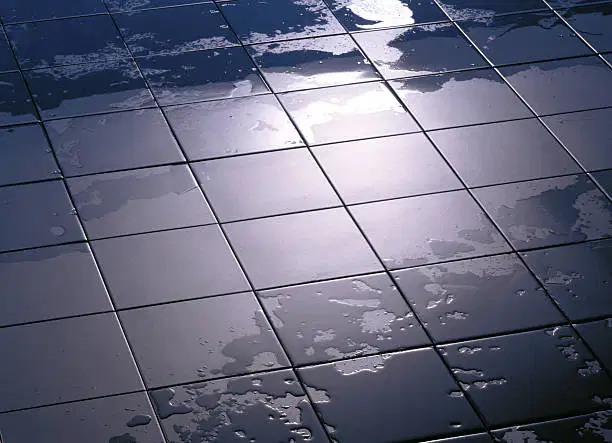
Water spreading and soaking in "wetting" a surface.
cohesion
adhesion
surface tension

Water moving through the stem of a plant to reach the leaves.
cohesion
adhesion
surface tension
What substance is a colorless, odorless, and tasteless at room temperature?
(a)

What is the term used to describe a substance that has a pH of 7 and is not an acid or a base?
(a)
What is the name of the scale that is used to measure the acidity or basicity of a solution?
Acid
pH Scale
pH
Neutral

What is the term used to describe a substance that has a pH greater than 7?
Acid
Base
Neutral
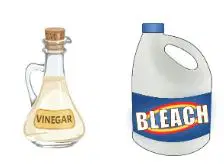
Acids and bases can be similar in the fact that they are both...
can be bitter and have an odor
not corrosive and don't react to anything
corrosive and can react with certain substances to form salts.
can be sour and have a sticky residue or feeling

What happens when you mix an acid and a base together?
the base becomes an acid
they explode
nothing happens
they neutralize each other
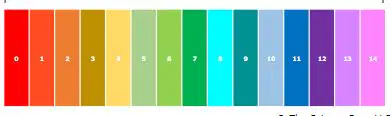
What range of pH values do acids have on the pH scale?
8 through 14
7
1 through 6

Identify the type of solution that could be represented as a 10 on the pH scale.
(a)
Identify the type of solution that could be represented as a 2 on the pH scale.
(a)
Identify the type of solution that could be represented as a 7 on the pH scale.
(a)
A solution that has a bitter taste and can be chalky or soapy feeling is considered to be a (a) .
What term describes a process in which one or more substances are converted into different substances with the breaking and rearranging of chemical bonds?
physical property
chemical reaction
mixture
physical change
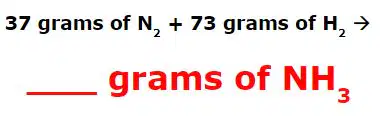
How many grams of ammonia will be expected?
(a)

According to the Law of Conservation of Mass, how many grams of water should be present on the product side?
(a)
If the photosynthesis chemical reaction contains 36 total atoms on the reactants side, how many atoms should be on the product side?
(a)
Which of the following is a factual statement regarding the law of conservation of mass?
new substances create mass
new substances destroy mass
new substances change the mass
new substances do not change the mass
If there are 8 atoms of hydrogen and 4 atoms of oxygen on the reactants side, which of the following would NOT be possible?
12 total atoms of hydrogen and oxygen on the products side
8 atoms of hydrogen on the products side
4 atoms of oxygen on the products side
12 atoms of oxygen on the products side
Physical and chemical characteristics of matter used to describe or identify a substance.
Properties
Precipitate
Chemical Process
Physical properties are to __________, as chemical properties are to __________.
chemical changes; physical changes
physical changes ; chemical changes
matter ; matter
chemical reactions ; chemical reactions
A chemical property describes how matter __________.
smells
reacts with another type of matter
looks under a microscope
dissolves when made into a solution
Which of the following is true?
A physical property can only be seen.
A physical property describes how matter can change when exposed to air.
A physical property is something that can be observed about the substance by itself.
A physical property can only be observed when two types of matter interact.

