
 Worksheets
Unit 1 & 2 Review
Total questions: 105
Worksheet time: 1hrs 13mins
Determine the Percentage Error in the problem. 1. Experimental=1.24 g 2. Accepted Value= 1.30 g
|Accepted Value - Experimental Value| _____________________________________ X 100% = Accepted Value
4.6%
4.62%
4.61%
4%
Determine the answer in the correct # of significant figures. 9m X 9m=
81 m^2
80 m^2
80.0 m^2
80 m
Determine the number of significant figures. 0.02
1
2
0
3
Determine the number of Significant figures. 501
3
2
1
0
Determine the number of significant figures. 5,000
1
4
3
0
Determine the number of correct significant figures. 5000.
2
4
3
1
Determine the number of correct significant figures. 0.1020
1
2
4
5
Determine the correct number of significant figures. 1035m ÷ 42m = m2
24.0 m^2
20 m^2
25 m^2
24.5 m^2
Determine the correct number of significant figures.
12.01 ml + 35.2 ml =
47.2 ml
47.21 ml
47.3 ml
47 ml
Determine the % error. 1. Experimental=22.2 L 2. Accepted Value= 22.4 L
|Accepted Value - Experimental Value| _____________________________________ X 100% = Accepted Value
0.893%
0.90%
0.9%
0.8%
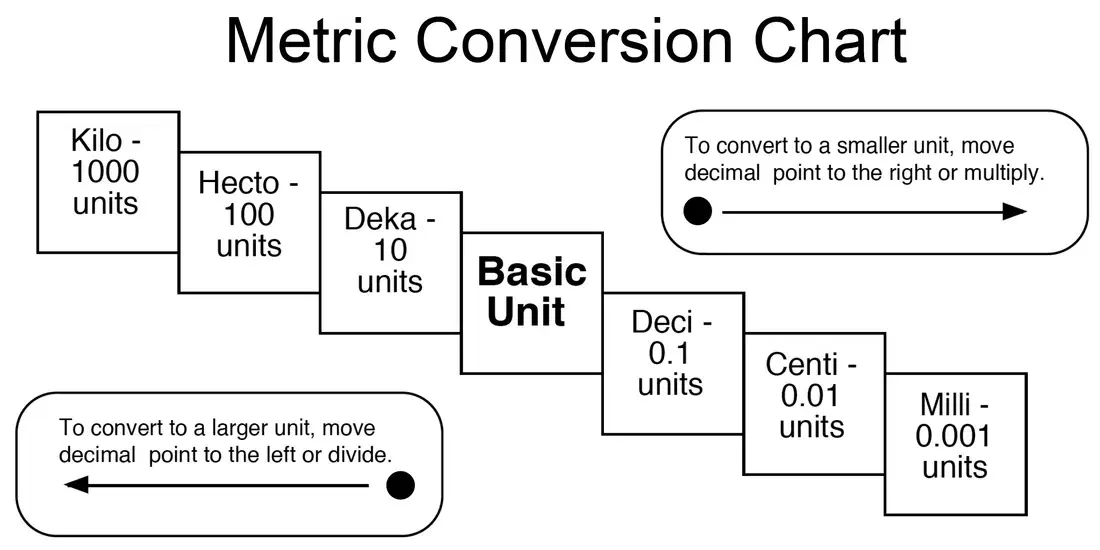
Convert each measurement.
2. 25cm = (a) mm
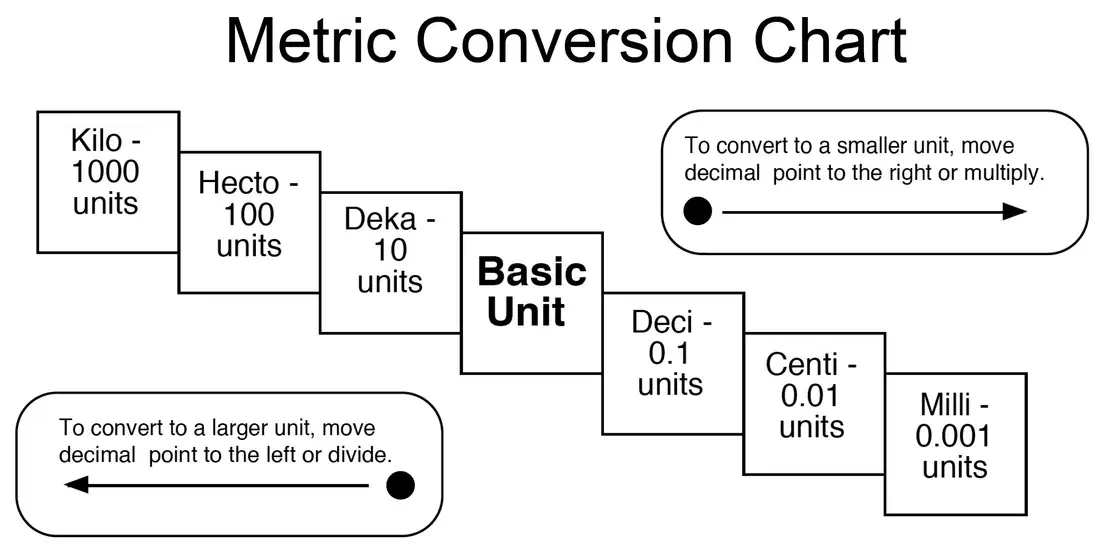
Convert the measurement. 35ml = (a) dL
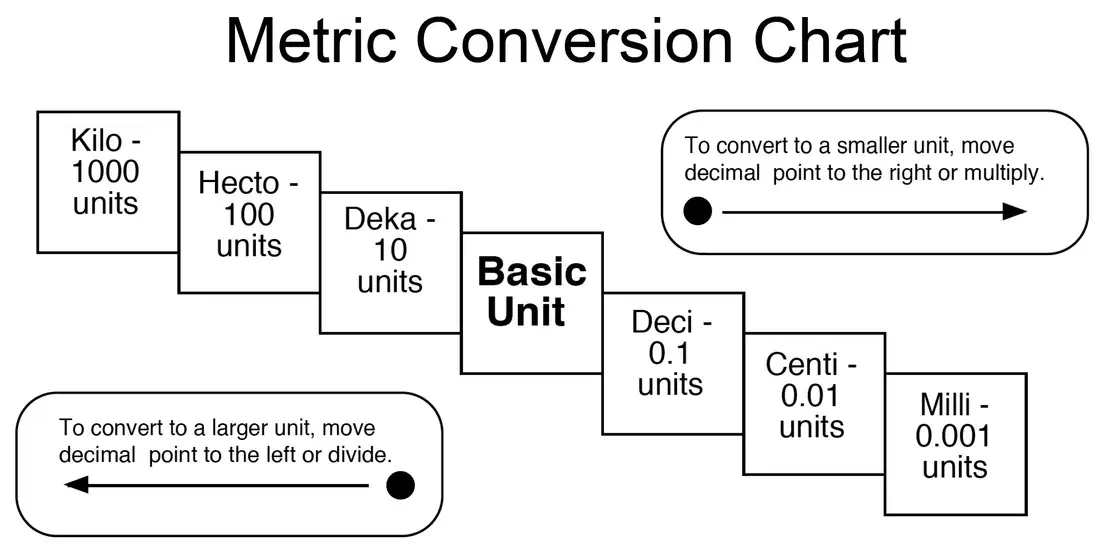
Convert each measurement 3. 4500mg = (a) g
Convert each number to scientific notation. 1. 0.0025 =_____________
.0025 x 10 ^3
2.5 X 10^3
2.0 X 10^2
Convert to scientific notation. 2. 500=____________
0.5 x 10^-3
5.0 X 10 ^-2
50.0 X 10 ^2
Convert scientific notation to decimal.
1.5 X 10 ^3
(a)
Convert scientific notation to decimal
1 x 10^-1
(a)

What is the volume of the liquid in this graduated cylinder
24ml
23.1ml
25 ml
24.1 ml
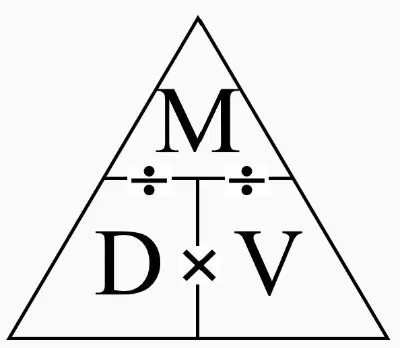
You have a liquid with a volume of 4ml and has a mass of 3.5 grams. What is the Density? (D=M/V)
***round to correct number of significant figures***
0.9 g
9 g/ml
0.9 g/ml
0.875 g/ml
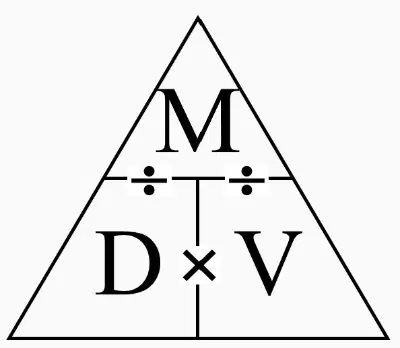
A platinum bar measures 5.0 cm long, 4.0 cm wide, and 1.5 cm thick ( L X W X H). It has a mass of 700.0 grams. What is the Density? (D=M/V)
***Make sure to use correct number of significant figures based on the problem***
23
23.3 g/ cm^3
23 g/cm^3
23.30 g/cm^3
How many significant figures does the following number have?1.2500 x 10³
Ambiguous: 3 or 5
7
Which of the following numbers does NOT have three significant figures?
0.0370
370
3.70 x 10⁵
37.0
0.0307
4.56 x 10³
If you multiply 2.501 by 3.2, how many significant figures should the answer have?
2
3
4
5
How many significant figures?
1000
1
2
3
4
The number 0.002040 has _____ significant figures.
2
3
4
6
You calculate that 213,000 m/s is the answer to a problem. How many significant digits does this number have?
6
3
It’s not possible to know how many significant figures are in an answer without knowing its accepted value.
It's not possible to know how many significant figures are in an answer without knowing its percent error.
Calculate and give the answer using the correct number of significant figures: 1.2 + 3 + 9.65 + 10.881
24.731
24.73
24.7
25
Calculate and give the answer using the correct number of significant figures: 1.02 + 8.2 + 3.33 + 9.781
22.3
22.33
22.331
22.332

Mark all that apply.
Describe the accuracy and precision of the image
Good accuracy
poor accuracy
good precision
poor precision
How close a measurement is to the accepted value is called..
Accuracy
Precision
Significant
Estimate
How close a measurement is to the true value is called..
Accuracy
Precision
Significant
Estimate
It is a measure of how closely measurements align with each other when they are made in the same way.
Accuracy
Precision
Error
Extrapolation

State of matter that takes the shape of it's container and has a definite volume.
Solid state
Liquid state
Gas state
Plasma state

State of matter that can fill containers with no fixed shape or volume.
Solid state
Liquid state
Gas state
Plasma state

State of matter in which materials have a definite shape and volume.
Solid state
Liquid state
Gas state
Plasma state
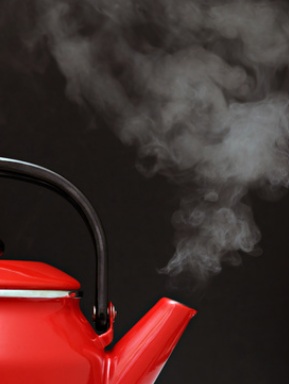
What change of state is taking place in this photograph?
Condensation
Freezing
Vaporization
Melting

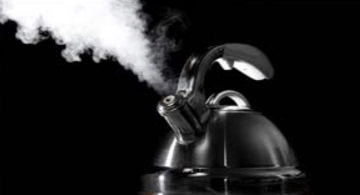
What change of state is taking place in this photograph?
Condensation
Freezing
Vaporization
Melting

Which of the following is a property of gases?
They have a definite volume.
They are not compressible.
They have no definite shape.
They have no ability to flow.

The diagram shows the way the particles of a solid occupy space. Select the property of a solid that is consistent with this micro-view.
No define shape
Cannot be compressed
No definite volume

When a beaker of water is heated its volume increases a little. What is happening to the particles in the liquid?
They are getting bigger.
They are moving slower.
They are moving faster.
They are getting smaller.

Which state of matter is represented in the following diagram?
Liquid
Liquid and gas
Gas
Solid

Which state of matter does this picture represent?
Solid
Liquid
Gas
Plasma

What state of matter does this picture represent?
Solid
Liquid
Gas
Plasma
Which is true about gases?
Gas particles have the lowest kinetic energy
Gas particles have a fixed volume
Gases take the shape of their container.
Gases have a high density.
What is NOT true about solids.
Solids have a fixed volume
Solids have a fixed shape
Solids have the lowest kinetic energy
Solid particles can move past each other
Heating a gas causes the particles to...
Go faster
Go slower
Remain at the same speed
Condense into a liquid


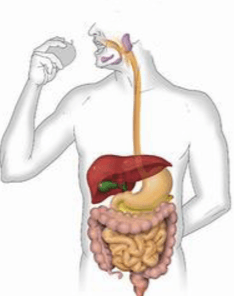

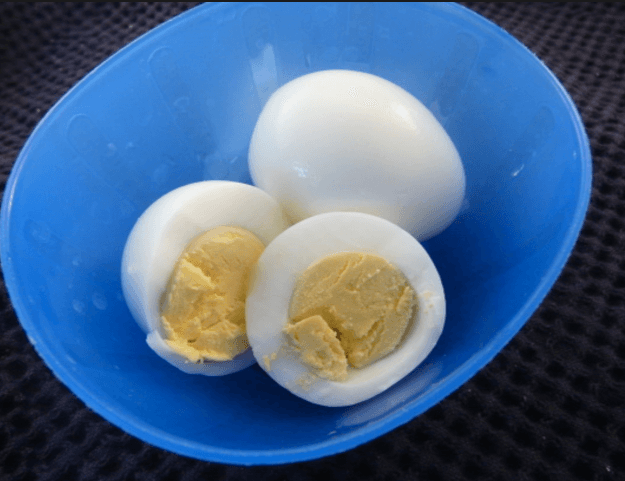


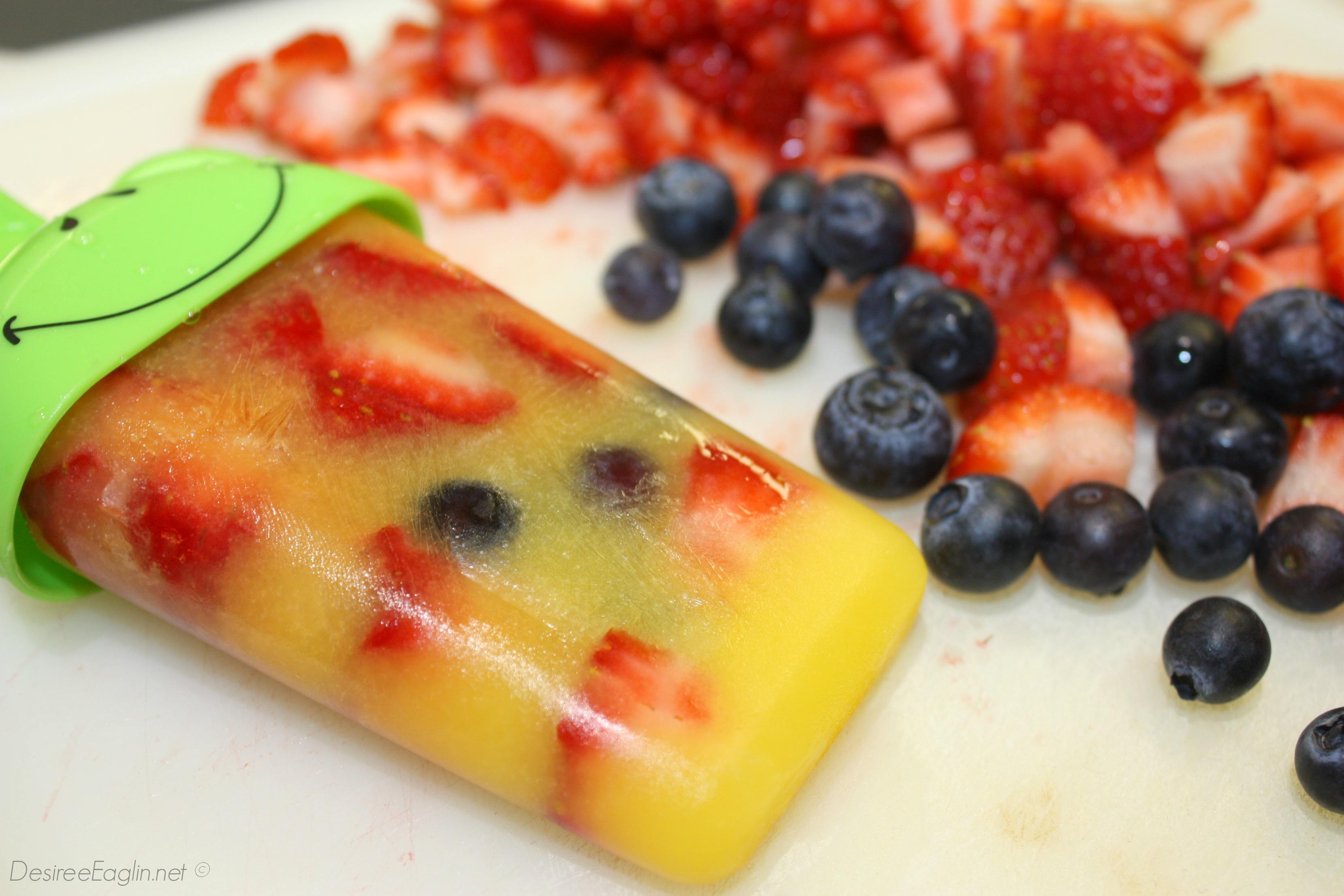
[check all that apply] Pure substances include:
Elements
Homogeneous Mixtures
Compounds
Heterogeneous Mixtures
An element is?
Chemically combined
Pure substances that can be broken down
Pure substances that cannot be broken down into simpler substances
One or more elements chemically combined.
The properties of a compound are different from the elements that make them up.
True
False
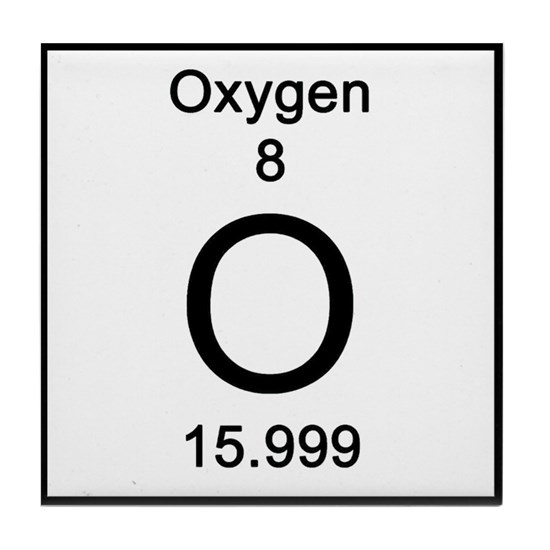
Oxygen is a
Element
Compound
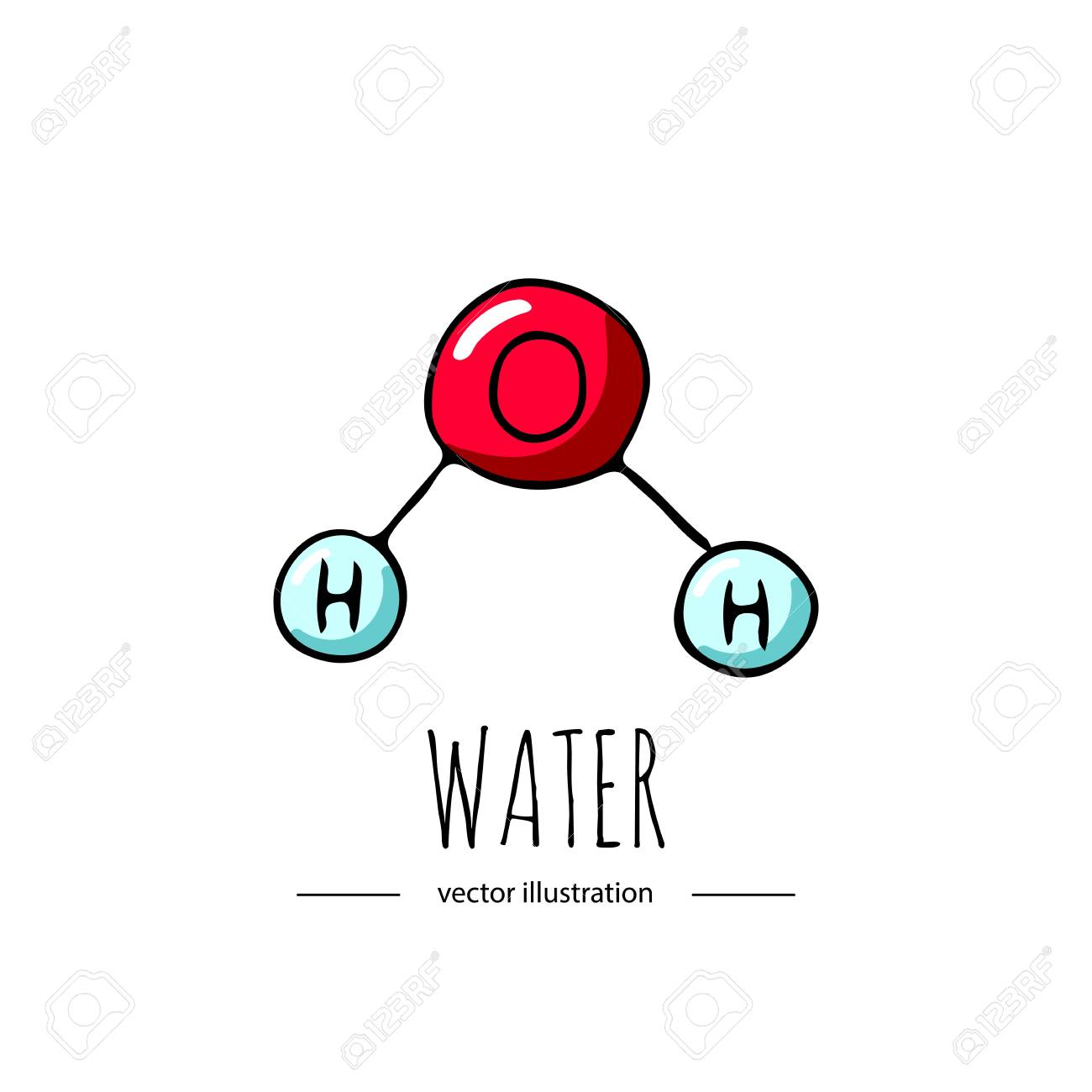
Water (H2O) is a
Element
Compound
[check all that apply] Mixtures are
chemically combined
composed of two or more types of matter that can be present in varying amounts
One or more elements chemically combined
can be separated by physical changes
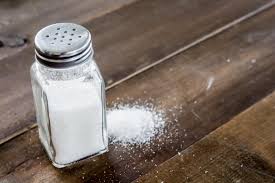
Salt (NaCl) is
Mixture
Compound
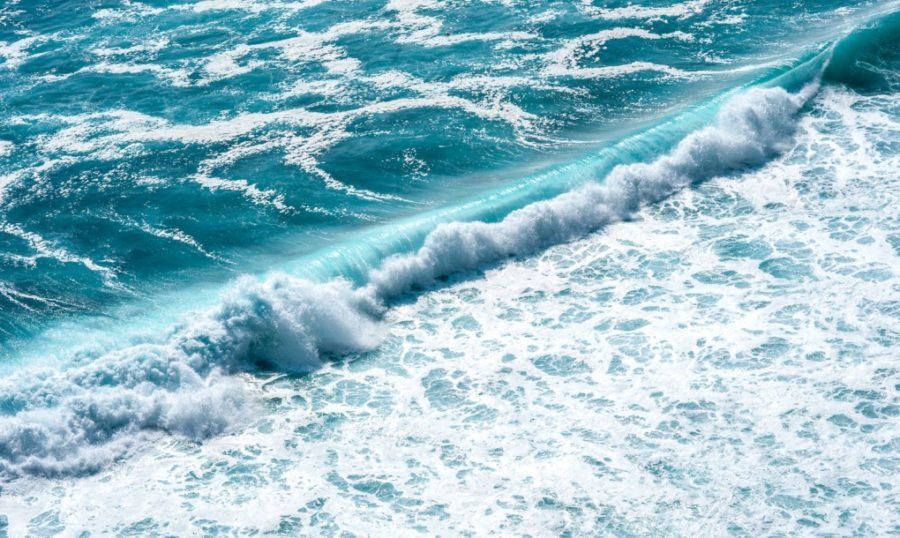
Saltwater is
Mixture
Compound
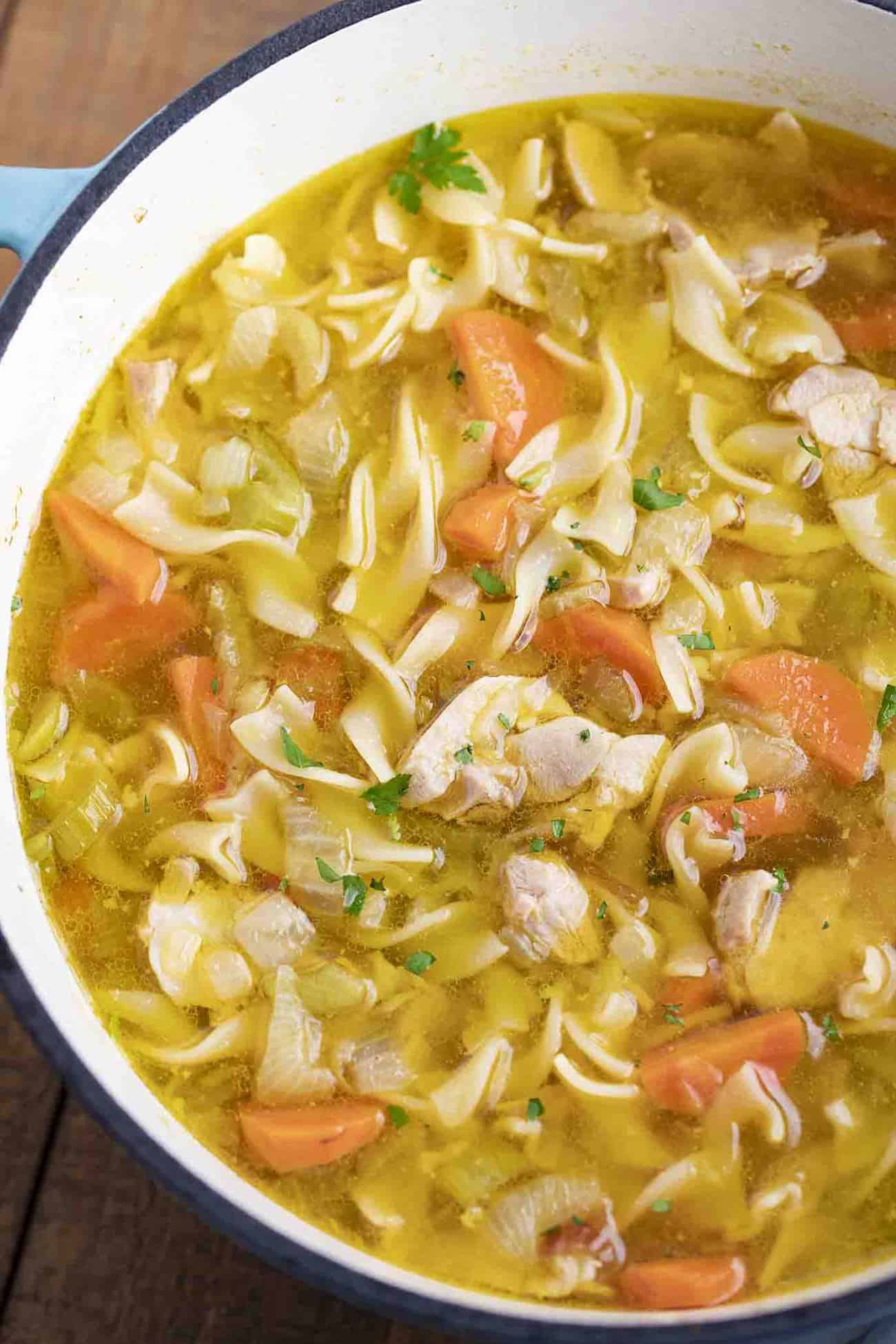
Chicken noodle soup is
Homogeneous mixture
Heterogeneous mixture
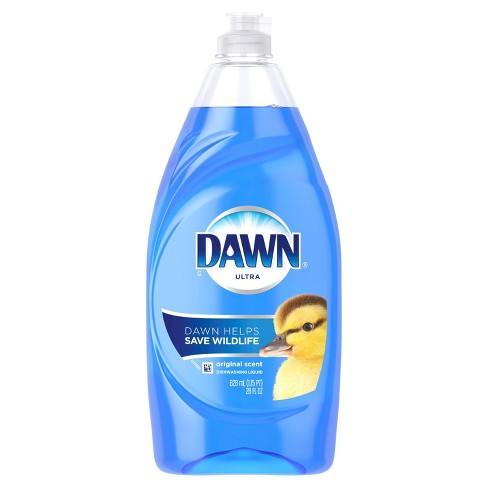
A bottle of dishwashing detergent contains a clear, viscous liquid. The label has a long list of ingredients, including water, sodium lauryl sulfate, fragrance, and Blue dye #5.
What can you infer about the material in the bottle from this label and the appearance of the liquid?
It is a pure substance.
It is a compound.
It is a heterogeneous mixture.
It is a homogeneous mixture.
Which of the following would be considered a Homogeneous mixture?
Sweet Tea
Vegetable soup
Caesar salad
Mud
What is matter?
Anything that has mass and takes up space
Velocity divided by time
The amount of space an object takes up
The weight of an object
Which of the following are examples of PURE SUBSTANCES?
Select all that apply!
Sea Water
Oxygen Gas
Pure Gold
Air
C6H12O6
Which of the following are examples of ELEMENTS?
Select all that apply!
H2O
O2
Au
Fe
Trail Mix
Which of the following are examples of COMPOUNDS?
Select all that apply!
H2O
O2
Blood
Fe
C6H12O6
Which of the following are examples of HOMOGENEOUS MIXTURES?
Select all that apply!
Tacos
Air
Steel
Chicken Noodle Soup
Fruit Punch
Which of the following are examples of HETEROGENEOUS MIXTURES?
Select all that apply!
H2O
Air
Pizza
Chicken Noodle Soup
Dirt
Which of the following are examples of PHYSICAL PROPERTIES?
Select all that apply!
Flammability
pH
Color
Mass
Melting Point
Which of the following are examples of CHEMICAL PROPERTIES?
Select all that apply!
Flammability
pH
Reacts with Chlorine
Flexibility
Melting Point
Where would you look to check if a substance is an Element?
The Periodic Table of Elements
A calculator
The graffiti on the bathroom walls
The center of a Tootsie Pop
What is mass?
The amount of material in an object
The force of gravity on an object
The compactness of an object
The amount of space an object takes up
What is weight?
The amount of material in an object
The force of gravity on an object
The compactness of an object
The amount of space an object takes up

What is the best classification for this substance?
An element
A compound
A mixture
Match the project to the appropriate field of chemistry:
Do research on making a new medicine to treat high blood pressure
Organic Chemistry
Inorganic Chemistry
Biochemistry
Analytical Chemistry
Physical Chemistry
Match the project to the appropriate field of chemistry:
Used to see how much carbon is in a substance
Organic Chemistry
Inorganic Chemistry
Biochemistry
Analytical Chemistry
Physical Chemistry
Match the project to the appropriate field of chemistry:
Improve the method for extracting iron from iron ore
Organic Chemistry
Inorganic Chemistry
Biochemistry
Analytical Chemistry
Physical Chemistry
Match the project to the appropriate field of chemistry:
Investigate ways to regulate the rate of gasoline burning in an automobile engine
Organic Chemistry
Inorganic Chemistry
Biochemistry
Analytical Chemistry
Physical Chemistry
Match the project to the appropriate field of chemistry:
Determine the composition of a moon rock sample. And used in forensic science.
Organic Chemistry
Inorganic Chemistry
Biochemistry
Analytical Chemistry
Physical Chemistry

