
 Worksheets
Cell Organelle Interactions
Total questions: 35
Worksheet time: 18mins
What does the nucleus do to help the mitochondria produce energy?
It stores food for the mitochondria.
It tells the mitochondria how to make energy.
It breaks down waste for the mitochondria.
It protects the mitochondria from damage.
How do chloroplasts and mitochondria work together in plant cells?
Chloroplasts make food, and mitochondria use that food for energy.
Mitochondria make food for chloroplasts.
Chloroplasts break down waste for mitochondria.
Mitochondria create sunlight for chloroplasts.
Which organelle helps the cell membrane control what goes in and out of the cell?
Nucleus
Cytoplasm
Lysosome
Chloroplasts
How does the cell wall support the cell membrane in plant cells?
It helps the cell membrane store energy.
It gives the cell structure so the membrane can control pressure and substances entering/leaving the cell.
It makes proteins for the cell membrane.
It absorbs sunlight for the cell membrane.
How does the nucleus help the cell membrane?
It teaches the cell membrane how to make proteins.
It creates energy for the cell membrane.
It controls how the cell membrane acts.
It absorbs nutrients for the cell membrane.
How do mitochondria and lysosomes work together to keep the cell healthy?
lysosomes give energy to mitochondria to break down waste.
Lysosomes give energy to mitochondria.
Mitochondria create food for lysosomes.
Lysosomes can remove worn out mitochondria or waste that the mitochondria produces when making energy
What role does the cytoplasm play between the nucleus and mitochondria?
It helps move messages from the nucleus to mitochondria.
It generates energy for the nucleus.
It provides support for both organelles.
It stores food for mitochondria.
How do the cell wall and cell membrane work together in plant cells?
The cell wall protects the cell, while the cell membrane controls what enters and leaves.
The cell wall absorbs nutrients, and the cell membrane stores them.
The cell membrane makes food for the cell wall.
What is the connection between chloroplasts and mitochondria in energy production?
Chloroplasts make food, and mitochondria turn that food into energy.
Mitochondria make food for chloroplasts.
Chloroplasts store waste for mitochondria.
Mitochondria produce oxygen for chloroplasts.
How does the nucleus help chloroplasts?
It controls how chloroplasts make food.
It generates energy for chloroplasts.
It protects chloroplasts.
It helps chloroplasts absorb sunlight.
What is the role of the cytoplasm in relation to the cell membrane?
It generates energy for the cell membrane.
It helps transport materials in and out of the cell membrane.
It stores food for the cell membrane.
It protects the cell membrane from damage.
How do mitochondria and the cell membrane work together to manage energy?
Mitochondria give energy to the cell membrane.
The cell membrane creates energy for mitochondria.
Mitochondria store energy for the cell membrane.
The cell membrane protects mitochondria from damage.
What is a key structural difference between prokaryotic and eukaryotic cells?
Prokaryotic cells have a nucleus, while eukaryotic cells do not.
Eukaryotic cells have a nucleus, while prokaryotic cells do not.
Both prokaryotic and eukaryotic cells have a nucleus.
Neither prokaryotic nor eukaryotic cells have a nucleus.
Which type of cell typically has membrane-bound organelles?
Prokaryotic cells
Eukaryotic cells
Both prokaryotic and eukaryotic cells
Neither prokaryotic nor eukaryotic cells
How do the sizes of prokaryotic and eukaryotic cells generally compare?
Prokaryotic cells are generally larger than eukaryotic cells.
Eukaryotic cells are generally larger than prokaryotic cells.
Prokaryotic and eukaryotic cells are generally the same size.
Size varies greatly within both prokaryotic and eukaryotic cells.
What is the function of the nucleus?
protects the cell and regulates interactions between the cell and its environment
holds the organelles and is the site of many chemical reactions
contains the instructions for everything the cell does
the place where proteins are made
What is the function of the chloroplast?
tough, rigid covering that protects the cell and gives it shape
separates the nuclear contents from the rest of the cell
carry substances around the cell
uses light energy to make sugar from carbon dioxide and water
What is the function of the cell wall?
tough, rigid covering that protects the cell and gives it shape
contains the instructions for everything the cell does
contain digestive chemicals that help break down food molecules, cell wastes, and worn-out cell parts.
holds the organelles and is the site of many chemical reactions
What is the function of the lysosome?
Processes cellular materials and allows for the movement of these materials around the cell
helps make ribosomes
contain digestive chemicals that help break down food molecules, cell wastes, and worn-out cell parts.
protects the cell and regulates interactions between the cell and its environment
Surrounds the plant cell and maintains the cell shape and structure.
Cell wall
Cell membrane
Nucleus
Ribosome
Makes food for the plant cell.
Ribosome
nucleus
chloroplast
cytoplasm
Controls what goes in and out of the cell.
cell membrane
cell wall
organelle
cell
Houses gel-like fluids that support cell organelles and holds them in place.
cytoplasm
endoplasmic reticulum (e.r.)
golgi bodies
nucleus
Storage space for water, wastes, food, and other cellular material
mitochondria
cell membrane
cell wall
vacuoles
The "powerhouse" of the cell; breaks down food to make energy for the cell.
organelles
cell
mitochondria
cytoplasm
The basic unit of structure and function in living things.
cell
cell wall
plant cell
cell membrane
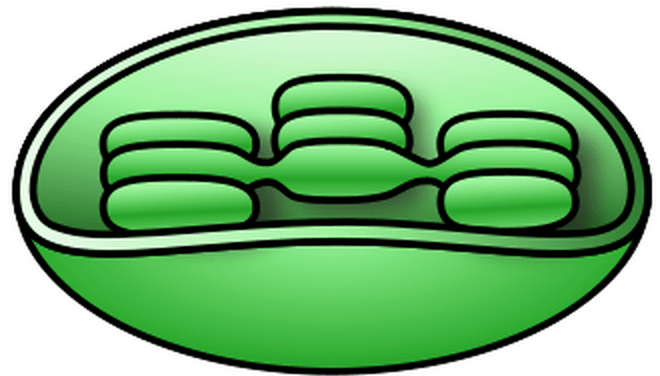


What type of cell is this?
animal
plant


Which type of cell is shown?
animal
plant

What is the function of this organelle?
make protein
make sugar
make energy
hold the cell up

Which type of cell(s) have the following organelle? (Choose all that apply)
animal
plant
bacteria
all of the rest

