
 Worksheets
Unit 2: 7.6ABCd Review
Total questions: 60
Worksheet time: 50mins
H2SO4
How many elements are present in this compound? (Careful!)
Mg2As3COHNi2
2
4
6
10


H2SO4
H2O
Au
CF3CO2H
Oxygen
NiSO4

What evidence in the picture indicates that a chemical change occurred?
temperature change
odor
gas

Water is heated and changed to steam ________________
Physical Change
Chemical Change
Food is digested in the stomach ________________
Physical Change
Chemical Change
You know that a chemical reaction is occurring here because you see __________________ . (Pick 3)
purple color
smoke
ice formation
fire
a yellow precipitate

Which is the name of the kind of solid substance formed in this figure?
Which statement best describes evidence that a chemical reaction occurs as a cake bakes?
The water in the cake batter evaporates.
The cake rises as gas bubbles form in the baking cake.
The cake takes the shape of the container in which it is baked.
The water in the cake batter is used to keep the cake moist as it bakes.
Melting sugar
Physical
Chemical

Some students in a chemistry lab conducted an investigation in which they added four different solid substances to separate beakers of water. They stirred the mixtures for one minute and then recorded their observations in the table below.
Which substance most likely caused a new substance to be formed when mixed with water?
Substance 1
Substance 2
Substance 3
Substance 4
Which of these observations is an indication that a chemical reaction has occurred?
Steam forms above boiling water.
A solid forms when a clear solution is frozen.
A solid forms when two clear solutions are mixed.
Sugar crystals form on the sides of a boiling pot of sugar water.
When two liquids are mixed, the container feels cold to the touch. This is evidence of what?
physical change
chemical change
state of matter change
no change
Which of the following is an example of a physical change?
an explosion
a solid stays a solid
a piece of paper is crumpled
two liquids are mixed and it warms up
During digestion the body uses both physical and chemical changes to move and process food. Which of the following is an example of a physical change?
Teeth breaking food down into smaller pieces.
Protein breaking down into amino acids in the stomach.
Enzymes breaking down carbohydrates into simple sugars.
Hydrochloric acid breaking down fats in the stomach.

The solute for salt water is (a)

The solvent for salt water is (a)

The solutes for coffee are , , and .

The solvent for coffee is (a)
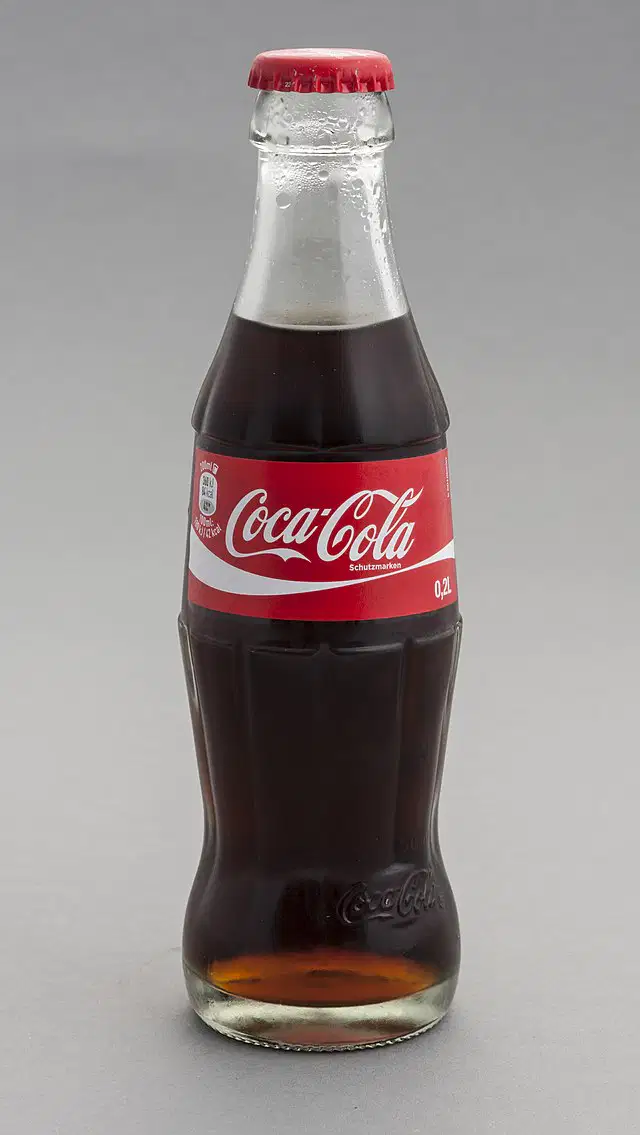
The solutes for Coca-Cola are and

The solvent for Coca-Cola is (a)
You can make a solution more concentrated by adding more __________.
solution

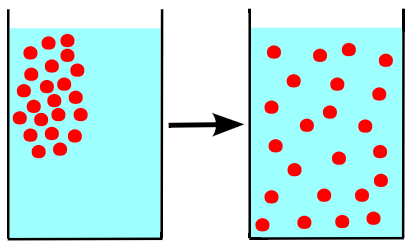
Which type of situation does the image demonstrate?
concentration
dilution

Which type of situation does the image demonstrate?
concentration
dilution

Moving from left to right in the image, is the solution becoming more concentrated or diluted?
concentrated
diluted

What is the difference in dissolving time between a sugar cube and a teaspoon of granular sugar?
The sugar cube dissolves faster
The teaspoon of granular sugar dissolves faster
Both dissolve at the same rate
The dissolving time depends on the temperature of the solvent
What can increase the rate of dissolving even further?
Using a solute with a larger particle size
Using a solute with a smaller particle size
Decreasing the temperature of the solvent
Decreasing the agitation of the mixture
The finer the particles or the more surface area that is exposed, the slower the rate of dissolving.
True
False
Joe set up an experiment to determine if the temperature of the solvent has an affect on the rate of dissolution. Identify the trial that will dissolve the quickest.
What combination would dissolve a solid solute the fastest?
high temperature, no stirring
no heat, no stirring
sugar cube, no heat
high temperature, stirring
How does cold water affect the speed of dissolving?
Cold water slows down dissolving.
Cold water speeds up dissolving.
Cold water has no effect on dissolving.
Cold water has no effect on dissolving.
Which would dissolve faster?
stirring sugar and water 30 times per minute
stirring sugar and water 10 times per minute
What is the rate of dissolving?
How fast a solute dissolves in a solvent
The amount of solute that can dissolve in a solvent
The temperature at which a solute dissolves
The size of the solute particles

