
 Worksheets
Anatomy Terminology Practice Test
Total questions: 121
Worksheet time: 2hrs 12mins
What is anatomical position?
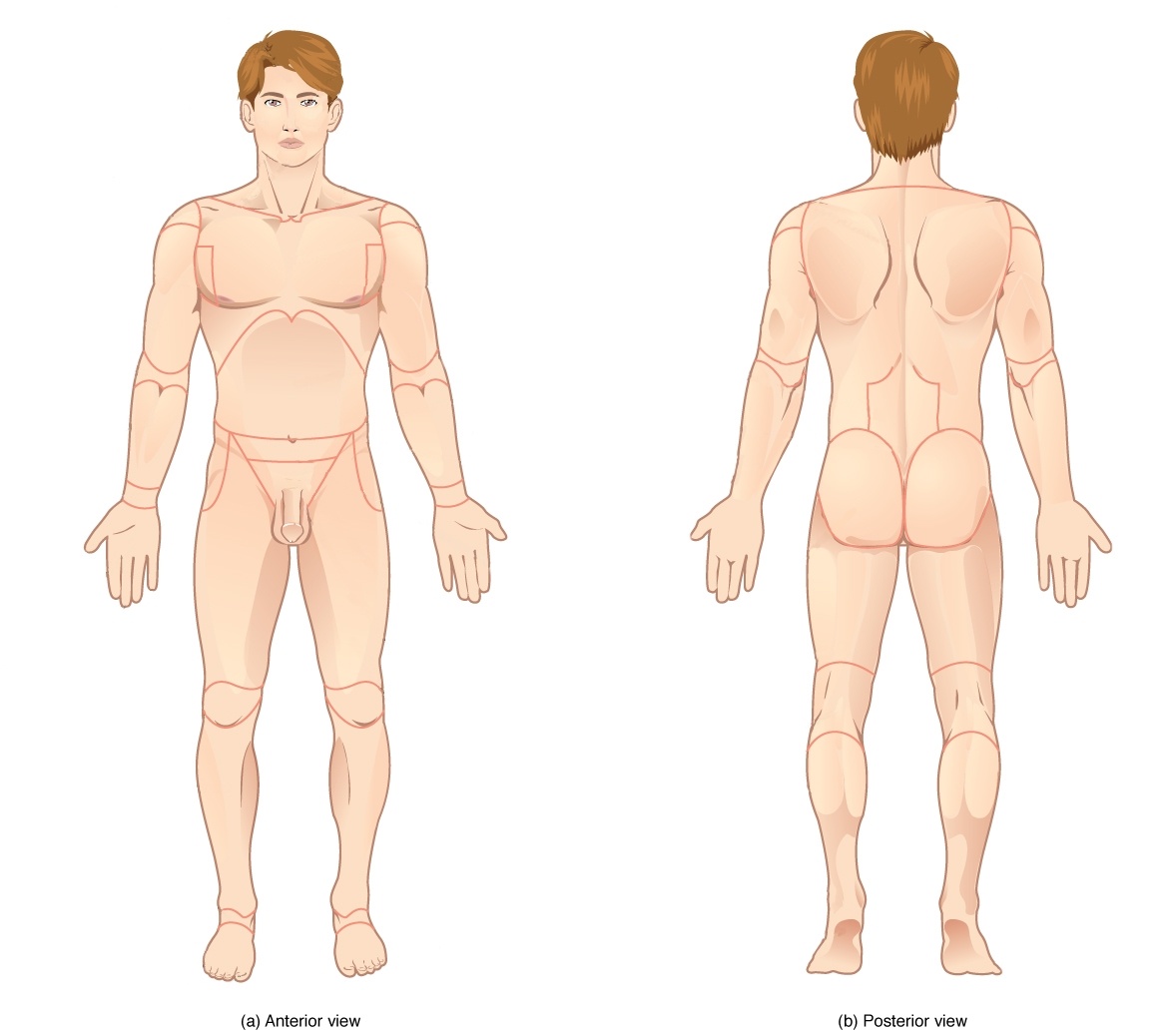
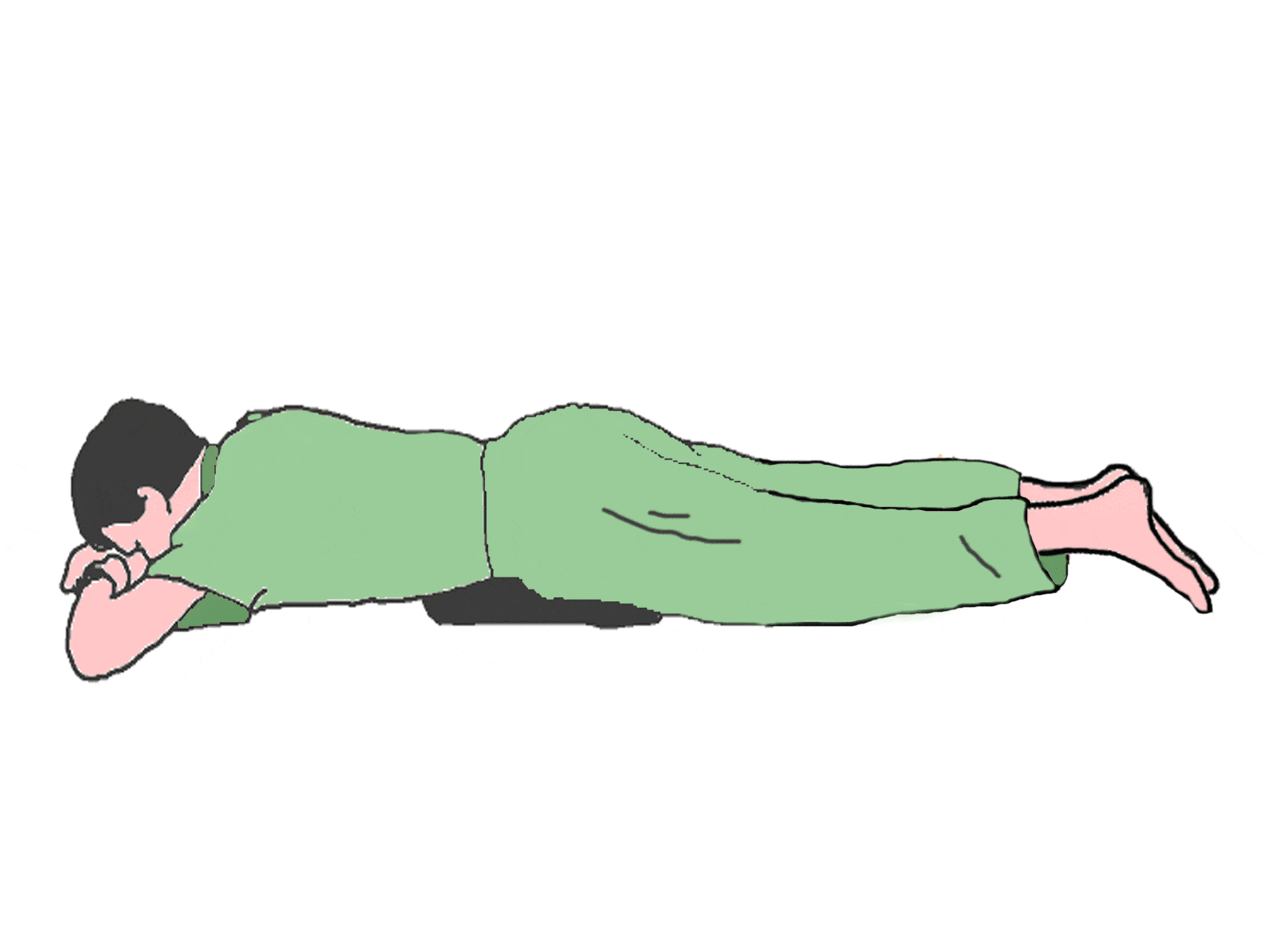
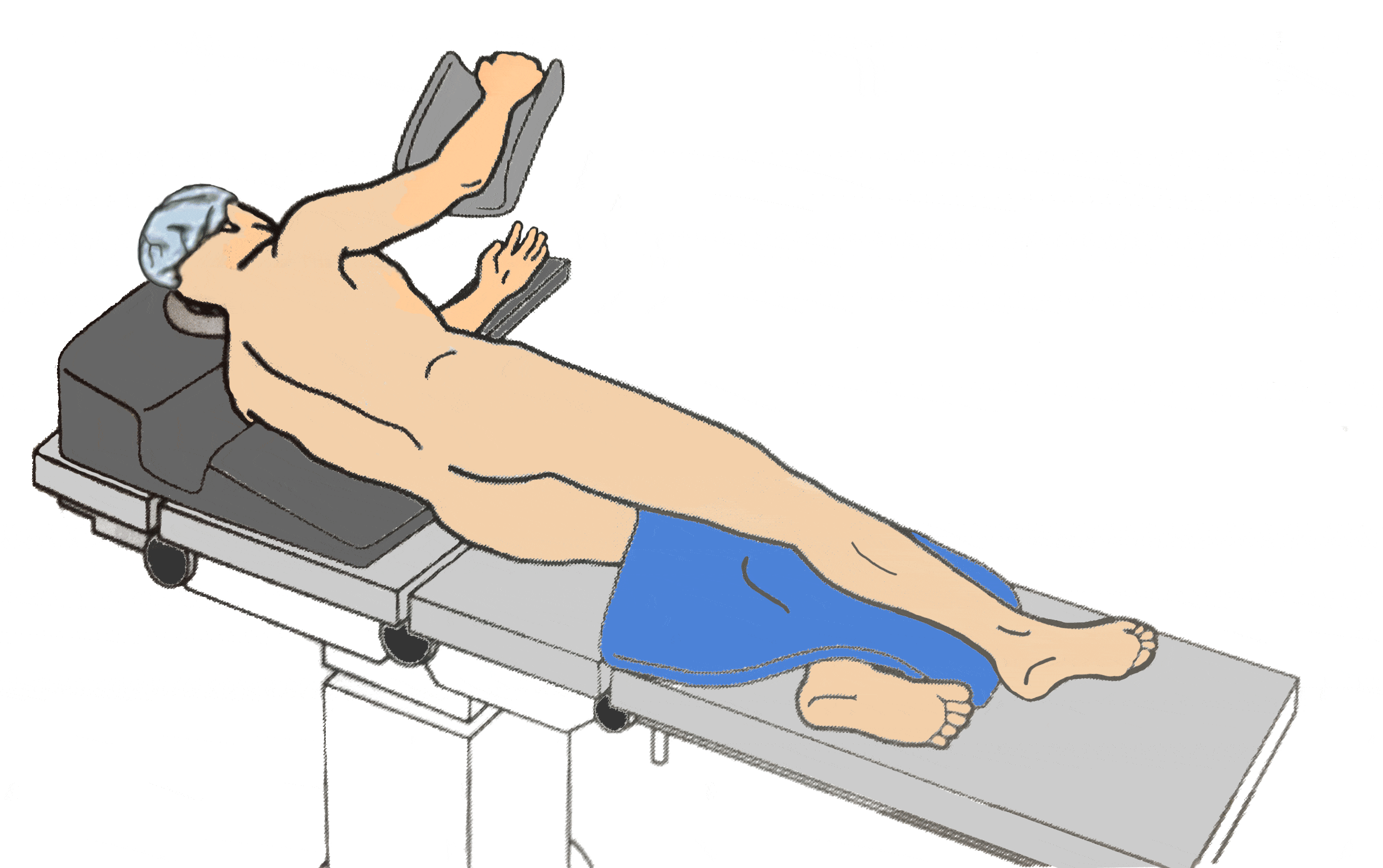
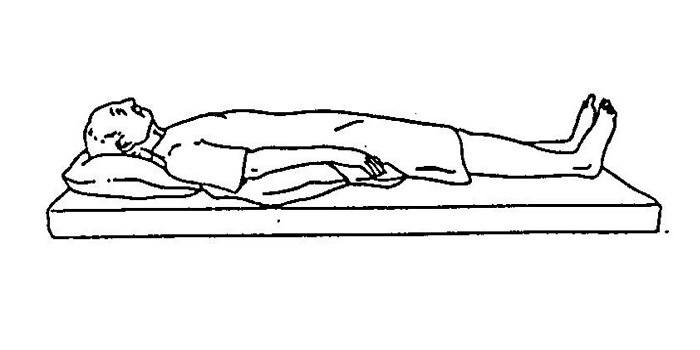
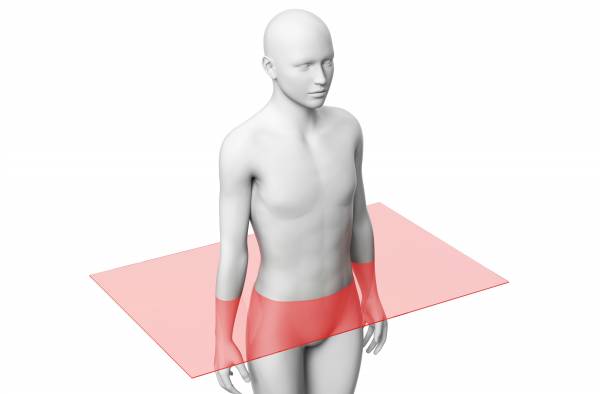
Identify the section or cut.
frontal section
lateral section
transverse section
sagittal section
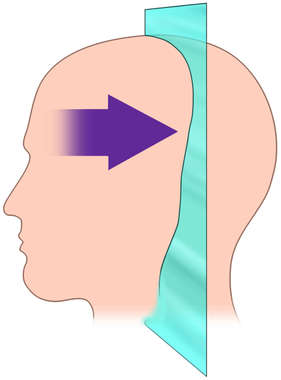
Identify the section or cut.
cross section
plane
midsagittal section
coronal section
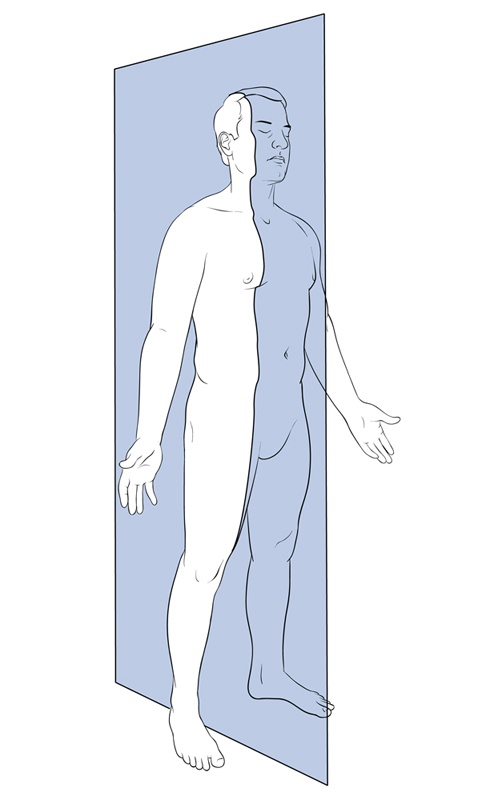
Identify the section or cut.
frontal section
cross section
transverse section
sagittal section

This is a foot. The best term to describe the toes in relation to the ankle is...
Toes are superior to ankle.
Toes are medial to ankle.
Toes are distal to ankle.
Toes are proximal to ankle.

What is region 7?
orbital
oral
occipital
umbilical
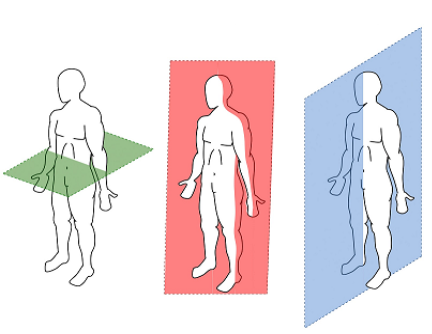
Divides the body into left and right portions.
Frontal
Transverse
Sagittal.
The stomach is ______________ to the heart.
Proximal
Distal
Superior
Inferior
Which term means closer to the front side of the body?
superficial
proximal
posterior
lateral
anterior


The upper midportion of the abdomen is called the __________ region.
hypochondriac
iliac
hypogastric
epigastric
All of the following regions are located on the Anterior side of the body except?
Frontal
Pectoral
Umbilical
Vertebral
What is the opposite directional term to lateral?
superior
anterior
median
medial


What is landmark name for the head?
calcaneaal
occipital
cephalic
sacral
which cuts the body into symmetrical left and right sides?
transverse
frontal
parasagittal
sagittal/ midsagittal

The cavity surrounded by a box is?
Abdominal Cavity
Pelvic Cavity
Pleural Cavity
Cranial Cavity

Cranial Cavity
Pleural Cavity
Pericardial Cavity
Vertebral Canal

The cavity surrounded by a box is?
Thoracic Cavity
Abdominal Cavity
Pelvic Cavity
Vertebral Canal

What quadrant does number 3 Represent?
Right Upper
Left Upper
Right Lower
Left Lower

What is section 1?
Epigastric
Left Hypochondriac
Right Hypochondriac
Right iliac
What is section 2?
Epigastric
Left Hypochondriac
Right Hypochondriac
Right iliac
What is section 3?
Epigastric
Left Hypochondriac
Right Hypochondriac
Right iliac
What is section 7?
Epigastric
Left Hypochondriac
Right Hypochondriac
Right iliac
What is section 4?
Umbilical
Left lumbar
Right lumbar
Right iliac
What is section 5?
Umbilical
Left lumbar
Right lumbar
Right iliac
What is section 6?
Umbilical
Left lumbar
Right lumbar
Right iliac
What is section 8?
Hypogastric
Left iliac
Right iliac
Right lumbar
What is section 9?
Hypogastric
Left iliac
Right iliac
Right lumbar
Which of the following cavities holds the heart AND lungs?
pleural
pericardial
thoracic
abdominal

What is 5?
epigastric
hypogastric
umbilical
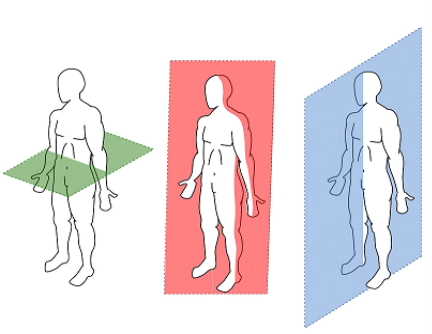
Divides the body into top and bottom portions.
Sagittal
Frontal
Transverse
Toward the surface of the body.
Deep
Superficial
Inferior
Distal
Toward the midline of the body
Inferior
Superficial
Proximal
Medial
Another term for anterior.
Dorsal
Distal
Lateral
Ventral
Which organ is located in the cranial cavity?
spinal cord
brain
lungs
esophagus

Name this body region:
femoral
gluteal
posterior
inguinal
In the _________________________ position, the body is upright, directly facing the observer, feet flat and directed forward. The upper limbs are at the body's sides with the palms facing forward.
inferior
superior
frontal
anatomical
What is the middle region of the nine abdominal regions
Epigastric
Left Lumbar
Right Iliac
Umbilical
What divides the thoracic cavity and the abdominal cavity
stomach
reproductive organs
nose
diaphragm
If I tell you my stomach is hurting, which abdominal region would you report to your physician
Right Iliac region
Left lumbar region
Epigastric region
Hypogastric region
True or False: The Cranial Cavity only holds the brain?
True
False
Digital refers to
hand
toes
the finger
the wrist
What region is the hip?
Coxal
Pelvic
Crural
Sural
Skin is _____________ to muscle.
superior
superficial
anterior
deep
The arm is ______ to the hand
Medial
Distal
Proximal
Lateral
Frontal means ______; Mental means _____
Chin; forehead
Forehead; Chin
Eyes; Chin
Chin; brain
Crural means ______; tarsal means ________
lower leg; toes
Lower leg; wrist
wrist; lower leg
Lower leg; ankle

The ear is ______________ to the nose.
lateral
medial
sagittal
posterior

The mouth is ___________________ to the shoulders
posterior
inferior
superior
distal


sacral
coxal
gluteal
lumbar
Posterior calf.
sural
crural
fibular
femoral
What structure separates the thoracic and abdominal cavities?
plane that divides the anterior and posterior
transverse
frontal
logitudinal
sagittal
The pelvic cavity is _______to the cranial cavity
Lateral
Superior
Medial
Inferior


Which membrane directly touches the organ?
parietal
peritoneum
vestigal
visceral
Which membranes are associated with the lungs?
pericardial
peritineum
pleural
pusant
What is the name of the fluid in between the membranes?
visceral fluid
viscous fluid
synovial fluid
serous fluid
Which body plane separates the abdominal and spinal cavities?
Coronal
Sagittal
Transverse

Which plane is also called the coronal plane?
A
B
C
The arms are __ to the chest.
Superior
Inferior
Medial
Lateral
The heart is __ to the sternal region.
Proximal
Distal
Superficial
Deep
The abdominal cavity is ____ to the thoracic cavity.
inferior
superior
anterior
posterior
Which body cavities are considered dorsal body cavities?
Cranial
Thoracic
Pelvic
Spinal


encloses the lungs
pleura
pericardium
peritoneum
encloses the heart
pleura
pericardium
peritoneum
encloses the abdominopelvic region
pleura
pericardium
peritoneum
clings to the wall of the cavity, outside layer
serous
visceral
parietal
clings to the organs external surface, inside layer
serous
visceral
parietal
lubricating fluid
serous
visceral
parietal
Which membrane has a parietal and visceral layer?
cutaneous
serous
mucous
synovial
Serous membrane that lines the wall of the abdominal cavity.
parietal pleura
visceral pleura
parietal peritoneum
visceral peritoneum
parietal pericardium
Serous membrane covering the outer surface of the heart.
visceral pleura
parietal pleura
visceral pericardium
parietal pericardium
The _____________ layer of a serous membrane lines a specific portion of a wall of the ventral body cavity, while the ______________ layer of a serous membrane covers the outside of organs within that body cavity.
peritoneal, visceral
visceral, parietal
parietal, visceral
visceral, peritoneal

If the yellow area represents the space with fluid, what is the arrow pointing to?
Visceral pleura
Parietal pleura
Visceral peritoneum
Parietal peritoneum
Parietal pericardium

If the black area represents the space with fluid, what is the arrow pointing to?
Visceral pleura
Parietal pleura
Visceral peritoneum
Visceral pericardium
Parietal pericardium
Another name for the head region is called______________?
Cephalic region
Pelvic region
Dorsal region
Anterior region
What is the study of STRUCTURE?
Anatomy
Physilogy
Microbiology
Cytology
What is the study of FUNCTION?
Anatomy
Physiology
Microbiology
Cytology
Which membrane attaches to the wall of the cavity?
Parietal Membrane
Visceral Membrane
Serous Membrane
Pleural Membrane
What does the parietal pleura line?
The lungs
The heart
The wall of the thoracic cavity
The abdominal organs
Which membrane is more superficial?
Visceral Membrane
Parietal Membrane
Peritoneal Membrane
Pericardial Membrane
What does the visceral pericardium cover?
The lungs
The heart
The abdominal organs
The thoracic cavity
Which membrane lines the inner wall of the abdominal cavity?
Visceral Peritoneum
Parietal Peritoneum
Visceral Pleura
Parietal Pleura
Nose area
Acrominal
Cubital
Orbital
Nasal
Spinal column
Acrominal
Vertebral
Thoracic
Deltoid
Chin area
Buccal
Mental
Otic
Cephalic
Hip area
Coxal
Pelvic
Pubic
Lumbar
Naval area
Coxal
Abdominal
Umbilical
Pelvic
Front of the knee
Femoral
Popiteal
Patellar
Sural
Wrist area
Tarsal
Carpal
Lumbar
Sacral
Upper arm area
Antebrachial
Brachial
Antecubital
Cubital
Neck area
Thoracic
Cubital
Cervical
Vertebral
Ear area
Cranial
Mental
Otic
Oral
Forearm area
Antebrachial
Antecubital
Cubital
Brachial
Finger area
Carpal
Coxal
Digital
Dorsum
Upper arm area
Antebrachial
Brachial
Antecubital
Cubital
Leg area
Calcaneal
Crural
Sural
Plantar

