
 Worksheets
Livestock Diseases- Compiled Review for Test!
Total questions: 126
Worksheet time: 1hrs 3mins
Why is the 2014 avian influenza outbreak considered significant in U.S. history?
It was the first recorded outbreak of avian influenza.
It was the largest animal health emergency in U.S. history.
It caused the extinction of a bird species.
It had no significant impact on the economy.
What critical lesson did the 2014 avian influenza outbreak demonstrate?
The importance of bird migration patterns.
The critical importance of disease management in livestock.
The need for more bird species in the U.S.
The economic benefits of poultry farming.
How do diseases impact livestock systems?
They improve the economy
They disrupt the entire system and economy
They enhance cellular pathways
They maintain internal balance
Which of the following is a characteristic of viruses?
Single-celled microorganisms
Genetic code protected by protein coating
Spore-producing organisms
Organisms living at host's expense
What type of pathogen is described as single-celled microorganisms?
Viruses
Fungi
Bacteria
Parasites
How do pathogens uniquely impact animal health?
By producing spores in all cases
By living independently of the host
Each type affects the host in a distinct way
By being visible threats to the host
What is an example of a viral disease in livestock?
Foot-and-Mouth Disease
Bovine Viral Diarrhea
Anthrax
Tuberculosis
How do fungi typically affect normal cell structures?
By producing toxins
By invading and damaging them
By enhancing their function
By creating protective barriers
What is true about bacteria in general?
All bacteria are harmful
All bacteria are beneficial
Some bacteria are harmful, while others are beneficial
Bacteria only affect plants
Which of the following is an animal factor that can influence disease predisposition?
Prevention practices
Temperature
Nutrition
Climate
Which of the following is NOT one of the primary disease transmission methods?
Direct contact
Aerosol transmission
Photosynthesis
Vector-borne transmission
What is the importance of understanding disease transmission pathways?
To improve agricultural practices
To prevent the spread of diseases
To enhance food production
To study animal migration patterns
Which transmission method involves the spread of disease through contaminated surfaces or objects?
Fomite transmission
Oral transmission
Vector-borne transmission
Aerosol transmission
Which of the following is NOT a way direct contact transmission occurs?
Blood
Skin-to-skin contact
Open wounds
Contaminated soil
How can the spread of diseases through direct contact transmission be reduced?
Increasing animal contact
Minimizing animal contact
Using antibiotics
Vaccinating all animals
What is the primary way pathogens are spread through aerosol transmission?
Through direct contact with infected individuals
Through air droplets
Through contaminated food
Through waterborne particles
What is an example of a disease spread through aerosol transmission?
Porcine respiratory disease
Malaria
Cholera
Lyme disease
What are fomites in the context of disease transmission?
Living organisms that spread pathogens
Inanimate objects carrying pathogens
Airborne particles causing infections
Waterborne carriers of diseases
Which of the following is an example of a fomite?
Mosquito
Needle
Air droplet
Contaminated water
Which of the following is a recommended step in developing a disease prevention protocol?
Avoid consulting veterinary professionals
Source healthy animals
Increase facility traffic
Ignore sanitation practices
What type of organisms are bacteria?
Multi-celled organisms
Single-celled organisms
Viruses
Fungi
How do bacteria multiply?
Only with a host
By binary fission
Through spores
By budding
Rapidly without a host
How can bacterial diseases be transmitted?
Only through direct contact
Only through water
In various ways
Only through air
Which of the following is a common symptom of bacterial diseases?
Elevated vital signs
Increased appetite
Improved flexibility
Clear skin
Which symptom is NOT typically associated with bacterial diseases?
Stiffness
Swelling
Runny nose
Increased energy
Which of the following is a common bacterial disease?
Anthrax
Malaria
Influenza
Measles
What type of disease is anthrax?
Viral
Bacterial
Fungal
Parasitic
What does it mean that anthrax is zoonotic?
It affects only animals
It can be transmitted from animals to humans
It is a plant disease
It is only found in zoos
What is another name for Bovine Respiratory Disease?
BRD
BVD
BSE
BRSV
What can Bovine Respiratory Disease lead to?
Diabetes
Pneumonia
Heart disease
Arthritis
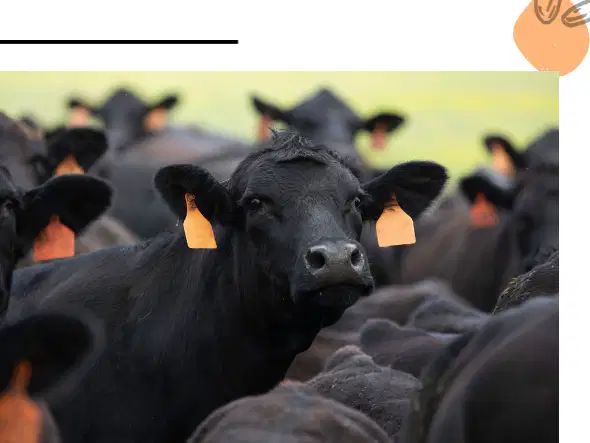
Which of the following is a symptom of Bovine Respiratory Disease?
Increased appetite
Rapid, shallow breathing
Weight gain
Clear nasal discharge
What type of animals are affected by Brucellosis?
Cats and dogs
Cattle, swine, sheep, goats, and horses
Birds and reptiles
Fish and amphibians
What genus of bacteria causes Brucellosis?
Salmonella
Escherichia
Brucella
Streptococcus
Which bacteria are responsible for causing Enterotoxemia?
Clostridium perfringens (A, B, C, D, and E)
Escherichia coli
Salmonella enterica
Bacillus anthracis
Under what condition does Enterotoxemia usually occur?
When an animal consumes excessive amounts of high energy feeds or milk
When an animal is exposed to cold weather
When an animal is dehydrated
When an animal is over-exercised
What bacterial disease is caused by the bacterium Erysipelothrix rhusiophathiae and affects swine and sheep by being transmitted from animals ingesting the bacteria from contained feces in the soil?
Entertoxemia
Erysipelas
Vibriosis
Tuberculosis
What bacterial disease is a contagious disease of sheet, goats, and cattle that s caused by numerous bacteria including Dichelobacter nodosus and Fuscobacterium necrophorum. Bacteria enters deeper tissue when injury or wet skin is present.
Foot Rot
Tuberculosis
Johnes Disease
Brucellosis
What bacteria disease is a wasting disease affecting all ruminants that is caused by organisms in the intentional cells and lymph nodes that causes progressive thickening of the intentional walls
Foot Rot
Brucellosis
Johne's Disease
Strangles
What bacterial disease is a zoonotic disease caused by bacteria of the genus Leptospiria and had symptoms similar to kidney disease. Can damage the liver, kidneys, and other organs in the animal
Leptospirosis
Foot Rot
Brocellosis
Pink Eye
What bacterial disease can affect any animals and is a disease of the lungs that is most commonly caused by Bordetella bronchiseptica and Steptococcus zooepidemicus. It is commonly associated with Bovine Respiratory Disease.
Pneumonia
Foot Rot
Pink Eye
Strangles
What bacterial disease is an infection of the upper respiratory tract of horses and causes enlargement of the lymph nodes in the throat, impairing breathing that is highly contagious between horses?
Bloat
Strangles
Pink Eye
Pneumonia
What is a disease that affects all livestock animals and is cattle is caused by Mycobacterium bovis which is also a zoonotic disease. Symptoms include depression, decreased appetite, pneumonia, and eventual death.
Tuberculosis
Vibriosos
Pink Eye
Brucellosis
What disease is an infectious disease of the genital tract that is a venereal disease spread by infected bulls mating heifers and cows? Causes infertility and abortions
Tuberculosis
Vibrosis
Pink Eye
Strangles
Which of the following is NOT typically included in a well-balanced diet for animals?
Vitamins
Fats
Minerals
Plastic
Which of the following symptoms indicates a digestive issue related to nutritional diseases?
Abnormal feces or urine
Runny nose
Elevated vital signs
Lameness
Which body system is primarily affected by most nutritional diseases?
Respiratory system
Digestive system
Circulatory system
Nervous system
Which of the following is NOT one of the four basic types of digestive systems?
Monogastric (simple)
Ruminant (polygastric)
Hindgut-fermenter
Cardiovascular
What are common nutritional diseases caused by?
Consuming or absorbing the right amount of nutrients
Not consuming/absorbing or overconsuming nutrients from the diet
Eating a balanced diet
Drinking sufficient water
What is another term for common nutritional diseases?
Overnutrition
Malnutrition
Nutritional balance
Dietary excess
Which of the following is a common nutritional disease?
Bloat
Flu
Diabetes
Hypertension
What is the name of the nutritional disease caused by a lack of selenium or vitamin E?
Grass tetany
White muscle disease
Colic
Enterotoxemia
Which of the following is NOT a common nutritional disease?
Grass tetany
Enterotoxemia
Hypertension
Rickets
What is bloat in ruminants?
A condition caused by a lack of water in the diet
Rapid fermentation producing excess gas or foam in the rumen
A disease caused by bacterial infection in the stomach
A result of insufficient grazing on legume pastures
Which of the following is NOT a symptom of bloat?
Loss of appetite
Respiratory distress
Difficulty walking or moving
Increased energy levels
What is one of the treatments for bloat in animals?
Keeping the animal lying down and still
Drenching with mineral oil or poloxalene
Feeding the animal large quantities of grain
Avoiding the use of a stomach tube
Which of the following is a method to prevent bloat in animals?
Feeding animals an excess of lush greens
Implementing a step-up/transition ration
Overloading the rumen with large quantities of grain
Avoiding the use of trochar and cannula
What is the purpose of using a stomach tube in the treatment of bloat?
To feed the animal additional nutrients
To relieve pressure from gas in the rumen
To administer medication directly to the stomach
To prevent the animal from eating lush greens
Which of the following is NOT a recommended treatment for bloat?
Keeping the animal on feet and moving
Using a trochar and cannula to puncture the rumen
Feeding the animal large quantities of grain
Drenching with mineral oil or poloxalene
Which of the following is NOT a cause of colic in horses?
Sudden changes in feed
A predominantly concentrate diet
Regular exercise
Presence of bloodworms
What is one of the conditions that can lead to colic in horses?
Cribbing
Overhydration
Excessive grooming
Lack of sunlight
Which of the following is a preventive measure for colic in horses?
Administering Banamine®
Seeking a veterinarian's advice
Feeding good quality roughages
Using sedatives, laxatives, or pain medicine
Why is it important to control internal parasites in horses?
To prevent colic
To improve their coat quality
To increase their appetite
To enhance their speed
What disease is known as the "Over-eating" disease and occurs when an animal consumes excessive amounts of high energy feeds or milk. It is caused by toxins produced by naturally occurring bacteria.
Colic
Bloat
Enterotoxemia
Grass Tetany
Milk Fever
This disease is also called "Grass Staggers" or "Wheat Pasture Poisoning" and is a serious and often fatal metabolic disorder cause by low levels of magnesium in the blood
Bloat
Colic
Enterotoxemia
Grass Tetany
Rickets
What disease is also known as hypercalcemia which is a metabolic disorder that affects cattle, sheep, and goats. Often occurs when an animal has low blood calcium levels during lactation
Colic
Grass Tetany
Milk Fever
Rickets
Bloat
What disease presents itself with symptoms of muscle tremors, wobbly, inability to stand, low body temperature, and unconsciousness.
Bloat
Colic
Milk Fever
Grass Tetany
What disease is typically seen in young livestock and affects growing animals which is caused by imbalances of dietary calcium, phosphorous and Vitamin D. Symptoms include bone pain, stiff gait, swelling, difficulty in rising and standing bowed limbs, and pathologic fractures?
Bloat
Grass Tetany
Enterotoxemia
Rickets
Ruminitis
What disease is known as "carbohydrate engorgement" or "lactic acidosis" that is caused by a sudden shift from a forage based diet to a high concentrate fat diet? Typically results from low rumen pH to an increase of propionic acid production?
Rickets
Bloat
Grass Tetany
White Muscle Disease
Rumenitis
What disease is a degenerative muscle disease found in large animals that can affect skeletal and cardiac muscles with symptoms that include difficulty breathing, frothy nasal discharge, fever, and elevated and irregular heart and respiratory rate when presented in the cardiac muscles?
White Muscle Disease
Bloat
Enteritis
Rumenitis
What does "neurologic" refer to in the context of viral diseases?
Relating to the liver
Relating to the stomach
Relating to the nervous system
Relating to the lungs
What is the first step in overcoming viral diseases according to the provided material?
Taking antiviral medication directly.
Staying hydrated, getting rest, avoiding stress, and maintaining proper nutrition.
Vaccinating the infected animal immediately.
Using antibiotics to treat the infection.
What is the primary purpose of a vaccine?
To stimulate the immune system to prevent disease
To cure diseases after infection
To provide nutrients to the body
To increase stress on the herd
Which of the following is NOT a best management practice (BMP) for maintaining the health of animals?
Administering vaccines
Quarantining new stock
Decreasing stress on the herd
Increasing stress on the herd
What is African Swine Fever?
A bacterial infection affecting humans.
A highly contagious and deadly viral disease affecting domestic and feral pigs.
A fungal disease affecting crops.
A genetic disorder in swine.
What should be done if African Swine Fever is suspected?
Ignore it as it is not harmful.
Report it immediately for appropriate testing and investigation.
Treat the pigs with antibiotics.
Relocate the pigs to another farm.
As of 2021, has African Swine Fever been found in the United States?
Yes, it has been found in multiple states.
No, it has not been found in the United States.
It was eradicated in the United States in 2020.
It is only found in wild pigs in the United States.
What would be the impact of an outbreak of African Swine Fever in the United States?
It would have no significant impact.
It would be detrimental to the swine industry.
It would only affect wild pigs.
It would lead to an increase in swine population.
How is Bluetongue primarily transmitted?
Through direct contact between animals
By vectors such as insects and rodents
Through contaminated water sources
By consuming infected meat
What organization must Bluetongue cases be reported to?
World Health Organization (WHO)
Centers for Disease Control and Prevention (CDC)
World Organization for Animal Health
Food and Agriculture Organization (FAO)
Which of the following is true about Bluetongue transmission?
It can only be transmitted through direct contact.
It may be transmitted to females from semen.
It cannot be transmitted from placenta to fetus.
It is only transmitted through water sources.
What is Bovine Virus Diarrhea known for?
It affects only young cattle and is mildly contagious.
It is one of the largest causes of economic loss for cattle producers.
It is a rare disease with no economic impact.
It only spreads through direct contact with air.
What is the difference between acute and chronic Bovine Virus Diarrhea?
Acute illness is long-term and does not respond to treatment, while chronic illness is short-term and responds to treatment.
Acute illness is short-term and responds to treatment, while chronic illness is persistent and long-term.
Acute illness is persistent and long-term, while chronic illness is short-term and responds to treatment.
Acute illness and chronic illness are both short-term and respond to treatment.
How does Bovine Virus Diarrhea spread?
Only through direct contact with air.
Through direct or indirect contact with body fluids, fomites, or air.
Only through fomites such as buckets and feeders.
Through water contamination only.
What are fomites in the context of Bovine Virus Diarrhea?
Objects that are unlikely to carry infection.
Objects that are likely to carry infection, such as buckets, feeders, or cattle trucks.
Airborne particles that spread the disease.
Fluids that spread the disease directly.
What is one major impact of Foot and Mouth Disease (FMD) on producers?
It increases the lifespan of animals.
It causes major economic losses.
It improves animal health.
It reduces the need for veterinary care.
What is the total number of subtypes of Foot and Mouth Disease?
30
50
60
70
What is another name for Infectious Bovine Rhinotracheitis (IBR)?
Blue tongue
Red nose
Black leg
White snout
Which of the following statements is true about Infectious Bovine Rhinotracheitis (IBR)?
It is caused by Bovine Influenza Virus.
It is not contagious.
Secretions of affected animals are highly infectious.
It is also known as Blue tongue.
What virus is found worldwide where swine are raised and is transmitted by direct contact and body secretions?
Porcine Circovirus
Foot and Mouth Disease
Rabies
Warts
What does DNA stand for?
Deoxyribose Nucleic Acid
Deoxyribonucleic Acid
Deoxyribose Nitrogen Acid
Deoxyribonitrogen Acid
Which of the following is NOT one of the four chemical bases found in DNA?
Adenine (A)
Guanine (G)
Cytosine (C)
Uracil (U)
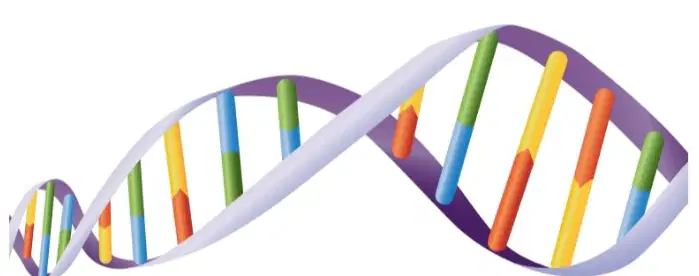
What structure do nucleotides form when attached in two long strands?
Single helix
Double helix
Triple helix
Circular strand
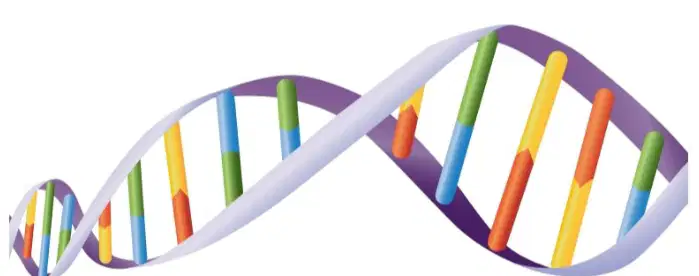
What is one key function of DNA in the cell division process?
Produces energy for the cell
Replicates to aid in cell division
Transports nutrients across the cell membrane
Creates proteins for the cell
Where are genes arranged?
On proteins
On chromosomes
In the nucleus
On RNA strands
What causes genetic disorders?
A change in a DNA sequence apart from a normal sequence
A change in protein structure
A lack of oxygen in cells
A deficiency in vitamins
What does a capitalized allele (e.g., A) represent in genetic predictions using Punnett Squares?
A recessive allele
A dominant allele
A heterozygous trait
A homozygous recessive trait

The Punnett Square diagram shows allele combinations and probabilities. What does this diagram primarily illustrate?
The possible genetic outcomes from a cross between two organisms
The process of cell division
The structure of DNA molecules
The stages of photosynthesis
What is cryptorchidism?
The failure of one or both testicles to descend normally into the scrotum
The enlargement of testicles due to genetic mutation
The complete absence of testicles in an animal
The presence of extra testicles in the scrotum
What is the term used when both testicles fail to descend into the scrotum?
Unilateral cryptorchid
Bilateral cryptorchid
Phenotypical cryptorchid
Genetic cryptorchid
What is another name for Hyperkalemic Periodic Paralysis?
HYPP
HPP
HYPK
HYPER
What is a notable symptom of Hyperkalemic Periodic Paralysis?
Loss of appetite
Sporadic episodes of muscle tremors
Difficulty breathing
Excessive sweating
What is the primary cause of hypotrichosis?
Excessive hair follicle production
Partial or complete absence of hair follicles
Overexposure to sunlight
Genetic mutations leading to excessive hair growth
Which of the following is true about hypotrichosis?
It is a lethal defect
It is often congenital and non-lethal
It is caused by excessive environmental stress
It results in excessive hair growth
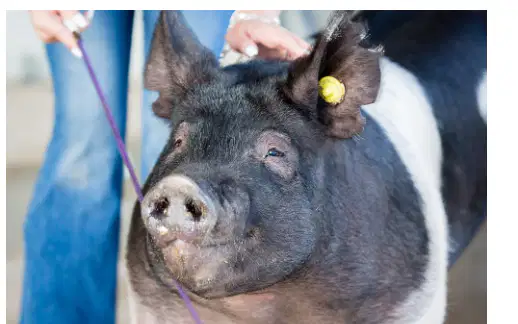
What does the term "myopathy" refer to?
A disorder of the skeletal muscles
A disorder of the nervous system
A disorder of the digestive system
A disorder of the respiratory system
Which parts of the lamb's body are affected by Spider Lamb Syndrome?
Heart and lungs
Front and rear legs, spine, and face
Liver and kidneys
Eyes and ears
What is another name for syndactyly?
Mule foot
Split hoof
Hoof fusion
Congenital hoof
What type of disease is syndactyly?
Congenital disease
Infectious disease
Genetic disease
Autoimmune disease
What is the primary function of the nervous system?
To regulate digestion
To control and regulate all body systems
To produce hormones
To transport oxygen in the blood
Which of the following actions is the nervous system responsible for?
Learning, memory, movement, and all five senses
Digestion and absorption of nutrients
Circulation of blood
Production of hormones
What is the primary function of the brain in the Central Nervous System?
To receive signals from the body’s nerves
To control behavior and regulate physiological processes
To transmit signals to the peripheral nervous system
To process sensory information only
What is the relationship between the Central Nervous System and the Peripheral Nervous System?
The Central Nervous System sends signals to the Peripheral Nervous System only
The Central Nervous System receives and processes signals from the Peripheral Nervous System
The Peripheral Nervous System controls the Central Nervous System
The Peripheral Nervous System is independent of the Central Nervous System
Which of the following is NOT a component of the Peripheral Nervous System?
Somatic Nervous System (SNS)
Autonomic Nervous System (ANS)
Central Nervous System (CNS)
Nerves branching throughout the body
How does the Peripheral Nervous System interact with the Central Nervous System?
By transmitting information to and from the CNS
By controlling the CNS directly
By storing information for the CNS
By disconnecting the CNS from the rest of the body
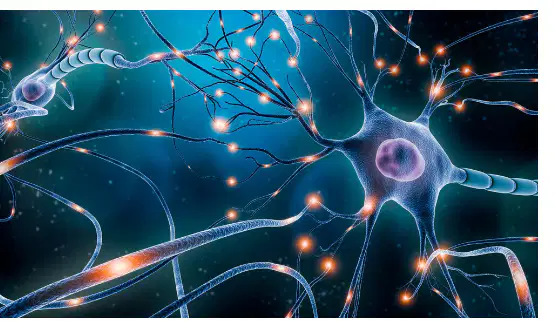
Which of the following activities is associated with the somatic nervous system?
Walking
Digesting food
Breathing involuntarily
Circulating blood
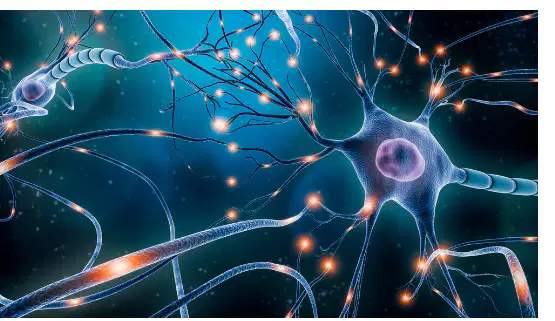
What is the primary function of the somatic nervous system?
Controlling the movement of the body by skeletal muscles
Regulating involuntary actions like heartbeat
Communicating with other cells via synapses
Maintaining balance in the body
Which of the following is NOT regulated by the autonomic nervous system?
Breathing
Heart rate
Digestion
Voluntary muscle movements

What is the role of the sympathetic nervous system (SNS) within the autonomic nervous system?
It promotes rest and digestion.
It regulates voluntary muscle movements.
It prepares the body for 'fight or flight' responses.
It controls sensory input from the environment.
What is another name for the Sympathetic Nervous System?
Rest and digest division
Fight or flight division
Parasympathetic division
Central nervous system
What is the primary purpose of the "fight or flight" response?
To prepare the body for rest
To prepare the body for action
To increase production of saliva
To decrease muscle contraction
What is one of the primary functions of the 'rest and digest' response?
To prepare the body for physical activity
To maintain and restore energy
To increase stress levels
To decrease saliva production
Which of the following is a result of the Parasympathetic Nervous System?
Increase in heart rate
Relaxation of muscles
Decrease production of urine
Dilation of pupils
Which of the following statements about Bovine Spongiform Encephalopathy (BSE) is true?
It is contagious
It is caused by a virus
It is a transmissible spongiform
It is a respiratory disorder
What is Exencephaly?
A condition where the brain and meninges protrude through an opening in the skull
A type of brain tumor
A viral infection affecting the brain
A genetic disorder causing limb deformities
What are meninges?
Membranes that envelop the brain and spinal cord
A type of nerve cell
A part of the digestive system
A muscle group in the skull
What is the primary goal of the National Scrapie Eradication Program?
To monitor the health of livestock in general
To eradicate scrapie through surveillance programs
To promote animal welfare in slaughterhouses
To certify all livestock as disease-free
Which organization is responsible for enacting the National Scrapie Eradication Program?
Centers for Disease Control and Prevention (CDC)
United States Department of Agriculture (USDA) Animal and Plant Health Inspection Service
Food and Drug Administration (FDA)
Environmental Protection Agency (EPA)

