
 Worksheets
Ecology Test 2024-2025
Total questions: 51
Worksheet time: 26mins
What is the study of the interaction among organisms and between organisms and their environment called?
Biology
Ecology
Geology
Chemistry
What is a biome?
A small group of similar plants
A large group of ecosystems with the same type of climax community
A single ecosystem with diverse species
A type of animal habitat
Where are terrestrial biomes located?
In the ocean
In the air
On land
Underground
Where are aquatic biomes located?
In the desert
In bodies of water
On mountain tops
In forests
What percentage of Earth's surface is covered by water?
50%
75%
25%
90%
What is a group of abiotic factors that influence the type of climax community in an area?
Soil
Climate
Water
Vegetation
What is matter?
Anything that has mass and takes up space
Anything that is invisible and weightless
Anything that is only found in living organisms
Anything that is only found in outer space
Which of the following is a biological process that moves carbon?
Erosion
Photosynthesis
Volcanic activity
Mining
What is made up of populations of organisms that live in a common area?
Limiting Factor
Tolerance
Community
Succession
What limits an organism's ability to live in a particular environment?
Community
Limiting Factor
Tolerance
Succession
What is the ability of living things to survive changes in their environment?
Community
Limiting Factor
Tolerance
Succession
What is the process of gradual, natural change and species replacement in an ecosystem over time?
Community
Limiting Factor
Tolerance
Succession
What is a stable community formed after primary or secondary succession once little or no change occurs?
Community
Climax Community
Tolerance
Limiting Factor
What is primary succession?
It occurs on land where there are no living organisms.
It occurs after a community is destroyed.
It happens in water bodies.
It is the final stage of ecological succession.
What are pioneer species?
The last species to populate an area.
The first species to populate an area.
Species that never die.
Species that live in water.
What is secondary succession?
It occurs on land with no soil.
It is a pattern of change after an existing community is destroyed.
It happens only in deserts.
It is the first stage of ecological succession.
Which of the following is an example of secondary succession?
After a volcano erupts.
After a forest fire.
After a glacier melts.
After a new island forms.
What is the primary source of energy for producers?
Water
Soil
Sunlight
Wind
What term describes organisms that make their own food?
Heterotrophs
Autotrophs
Carnivores
Herbivores
Which of the following is NOT an example of a producer?
Plants
Photosynthetic Bacteria
Algae
Lions
Producers are a source of food for which of the following?
Other producers
Non-living things
Other organisms
Rocks
What is the role of decomposers in an ecosystem?
They produce oxygen.
They consume living plants.
They break down dead organisms and recycle nutrients.
They are the primary producers.
Which of the following is NOT an example of a predator with its prey?
a fox and a rabbit
a bear and a fish
a honeybee and flower
a spider and a fly
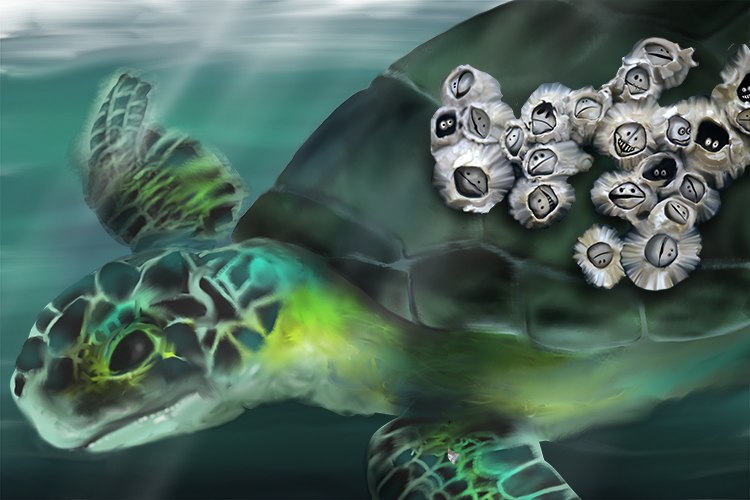
A close, ongoing relationship between species in which at least one is benefiting and the other is not helped or harmed.
Commensalism
Symbiosis
Predator & Prey
Mutualism
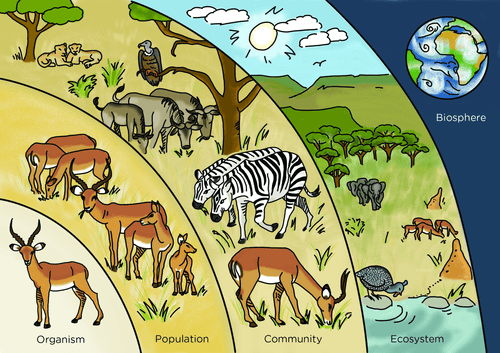
The living world is organized in levels. Biotic and abiotic factors also can be arranged into levels of biological organization. Put the words below in order from the least complex to the most complex
Community, Organism, Biome, Population, Biosphere, Ecosystem
Organism, Population, Community, Ecosystem, Biome, Biosphere
Organism, Biome, Population, Community Biosphere, Ecosystem

Bee and flower.
Commensalism
Predator/Prey
Mutualism
Parasitism
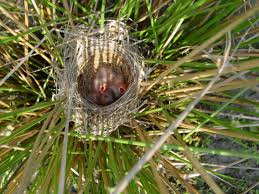
Bird builds nest in tree.
Commensalism
Mutualism
Predator/Prey
Parasitism
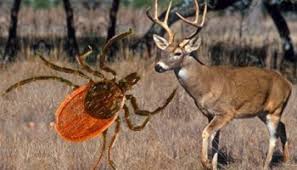
Tick and Deer
Commensalism
Mutualism
Parasitism
Predator/Prey

An animal that eats only meat.
herbivore
omnivore
carnivore
scavenger


Mark ALL the abiotic factors listed.
Waterfall
Flowers
Grass
Clouds


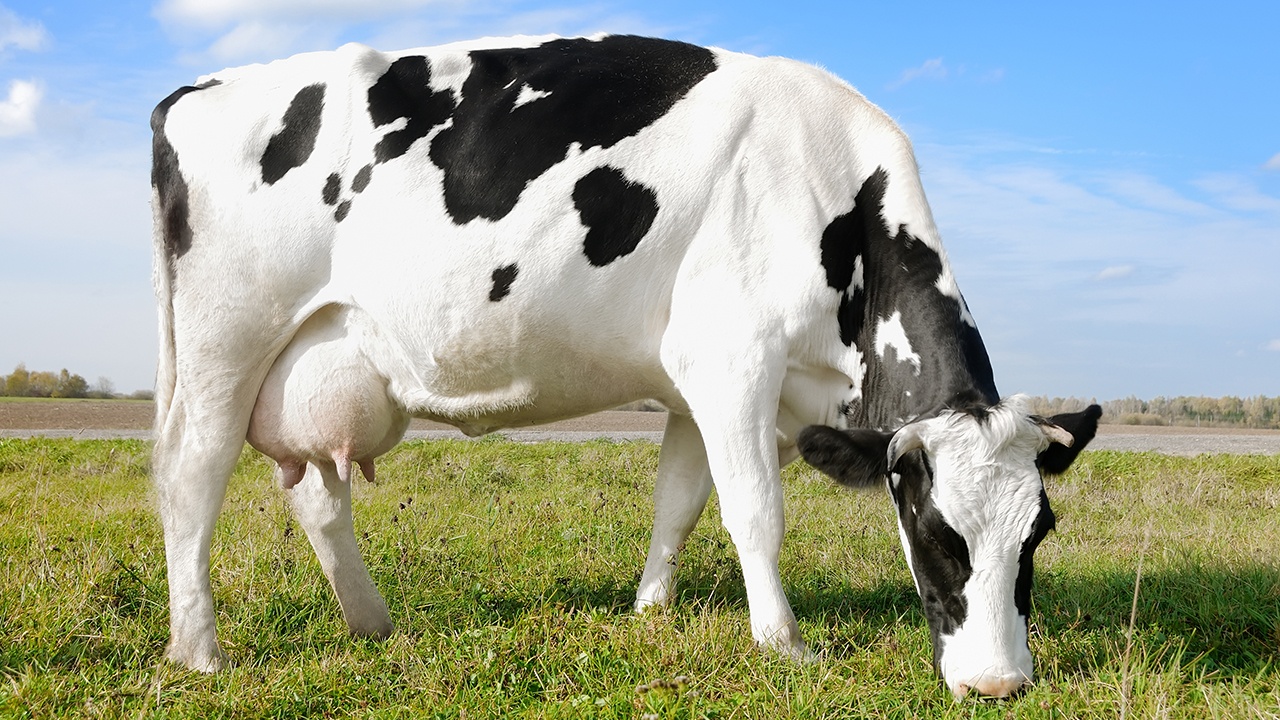
What happens when a single organism is removed or introduced to an ecosystem?
no change will occur
it will influence the ecosystem in a positive or negative way
the ecosystem will collapse
the ecosystem will merge with another ecosystem
Shows the feeding relationships among many different organisms in an ecosystem
food circle
food link
food ties
food web
What are the four different types of consumers?
producer, consumer, decomposer, scavenger
autotroph, decomposer, producer, scavenger
herbivore, carnivore, omnivore, scavenger
omnivore, autotroph, producer, decomposer


What is biodiversity?
The non-living components of an ecosystem
The variety of living species on Earth
A type of ecological succession
The role and space of a species within an ecosystem
What does ecological succession refer to?
The non-living components of an ecosystem
The living parts of an ecosystem
A series of changes in the species composition of a community over time
The place where an organism naturally lives and grows
Which category of organism cannot make its own food and must feed on other organisms to get their energy
Autotroph
Heterotroph



