Wayground logo

Free Printable Worksheets

Font size

S
M
L
XL
Worksheets

Anatomy Basics - Objectives bare minimum

Total questions: 99

Worksheet time: 50mins

Name
Class
Date
1.
Homeostasis refers to:
a)
The body’s ability to maintain a stable internal environment
b)
The body’s ability to change its internal environment
c)
The body’s ability to maintain a stable external environment
d)
The body’s ability to change its external environment
2.

The ideal normal value (not values) to maintain a constant internal environment is called the:

a)

variables

b)

normal range

c)

homeostasis

d)

set point

3.
The study of the structure and shape of the body and body parts is called:
a)
Physiology
b)
Homeostasis
c)
Anatomy
d)
Feedback
4.
Which of the following is NOT a branch of anatomy?
a)
Gross anatomy
b)
Microscopic anatomy
c)
Pathophysiology
d)
Developmental anatomy
5.
Physiology focuses on:
a)
The structure of body parts
b)
The functions and processes of the body
c)
The diseases of body parts
d)
The chemistry of body parts
6.
Which of the following is an example of a physiological study?
a)
Observing the structure of the heart
b)

Measuring the rate of oxygen consumption during exercise

c)

Describing the shape and size of the liver

d)

Mapping the neural pathways in the brain

7.
The study of the function of the heart is an example of:
a)
Molecular physiology
b)
Cellular physiology
c)
Organ physiology
d)
Systemic physiology
8.

Which is the correct level of organization from simplest to most complex?

a)

Organism, Organ System, Organ, Tissue, Cell, Chemical

b)

Chemical, Cell, Tissue, Organ, Organ System, Organism

c)

Cell, Chemical, Tissue, Organ, Organ System, Organism

d)

Tissue, Cell, Chemical, Organ, Organ System, Organism

9.
Which level of organization is considered the simplest?
a)
Chemical level
b)
Cellular level
c)
Tissue level
d)
Organ level
10.
The level of organization that includes groups of similar cells performing a specific function is:
a)
Chemical level
b)
Cellular level
c)
Tissue level
d)
Organ level
11.

Which is the correct level of organization from simplest to most complex?

a)

Glucose, Leukocyte, Epithelial Tissue, Kidney, Urinary System, Human

b)

Osteocyte, Glucose, Smooth Muscle Tissue, Stomach, Digestive System, Human

c)

Connective Tissue, Glucose , Osteocyte, Heart, Respiratory System, Human

d)

Glucose, Epithelial Tissue, Osteocyte, Lung, Integumentary System, Human

12.
Which level of organization is NOT typically studied in physiology?
a)
Molecular level
b)
Cellular level
c)
Organ system level
d)
Psychological level
13.
The level of organization that includes the entire living being is:
a)
Organ level
b)
Organ system level
c)
Tissue level
d)

Organism level

14.
Which of the following are functions of the integumentary system? (Select all that apply)
a)
Protection against pathogens
b)
Regulation of body temperature
c)
Synthesis of vitamin D
d)
Storage of calcium
e)
Sensory perception
15.
Which of the following structures are part of the integumentary system? (Select all that apply)
a)
Hair
b)
Nails
c)
Sweat glands
d)
Bones
e)
Sebaceous glands
16.
Which of the following are functions of the skeletal system? (Select all that apply)
a)
Support and structure
b)
Blood cell production
c)
Storage of minerals
d)
Regulation of blood pressure
e)
Protection of internal organs
17.

Which of the following bones are found in the trunk of the body? (Select all that apply)

a)
Skull
b)
Vertebrae
c)
Ribs
d)
Femur
e)
Pelvis
18.
Which of the following are functions of the muscular system? (Select all that apply)
a)
Movement
b)
Heat production
c)
Posture maintenance
d)
Blood circulation
e)
Hormone production
19.
Which of the following are types of muscle tissue? (Select all that apply)
a)
Skeletal muscle
b)
Smooth muscle
c)
Cardiac muscle
d)
Connective muscle
e)
Epithelial muscle
20.
Which of the following are functions of the nervous system? (Select all that apply)
a)
Sensory input
b)
Motor output
c)
Integration of information
d)
Blood filtration
e)
Hormone secretion
21.
Which of the following structures are part of the central nervous system? (Select all that apply)
a)
Brain
b)
Spinal cord
c)
Peripheral nerves
d)
Ganglia
e)
Sensory receptors
22.
Which of the following are functions of the endocrine system? (Select all that apply)
a)
Regulation of metabolism
b)
Control of growth and development
c)
Maintenance of homeostasis
d)
Blood filtration
e)
Production of digestive enzymes
23.
Which of the following glands are part of the endocrine system? (Select all that apply)
a)
Pituitary gland
b)
Thyroid gland
c)
Adrenal gland
d)
Sweat gland
e)
Pineal gland
24.
Which of the following are functions of the cardiovascular system? (Select all that apply)
a)
Transport of nutrients
b)
Regulation of body temperature
c)
Protection against pathogens
d)
Blood clotting
e)
Hormone production
25.
Which of the following are components of blood? (Select all that apply)
a)
Red blood cells
b)
White blood cells
c)
Platelets
d)
Plasma
e)
Lymph
26.
Which of the following are functions of the lymphatic system? (Select all that apply)
a)
Fluid balance
b)
Fat absorption
c)
Immune defense
d)
Blood filtration
e)
Hormone production
27.
Which of the following are organs of the lymphatic system? (Select all that apply)
a)
Spleen
b)
Thymus
c)
Lymph nodes
d)
Kidneys
e)
Tonsils
28.
Which of the following are functions of the respiratory system? (Select all that apply)
a)
Gas exchange
b)
Regulation of blood pH
c)
Voice production
d)
Blood filtration
e)
Protection against pathogens
29.
Which of the following structures are part of the respiratory system? (Select all that apply)
a)
Trachea
b)
Alveoli
c)
Bronchi
d)
Esophagus
e)
Diaphragm
30.
Which of the following are functions of the digestive system? (Select all that apply)
a)
Breakdown of food
b)
Absorption of nutrients
c)
Elimination of waste
d)
Regulation of blood pressure
e)
Production of hormones
31.
Which of the following organs are part of the digestive system? (Select all that apply)
a)
Stomach
b)
Small intestine
c)
Liver
d)
Pancreas
e)
Kidneys
32.
Which of the following are functions of the urinary system? (Select all that apply)
a)
Filtration of blood
b)
Regulation of electrolyte balance
c)
Maintenance of fluid balance
d)
Production of hormones
e)
Absorption of nutrients
33.
Which of the following structures are part of the urinary system? (Select all that apply)
a)
Kidneys
b)
Ureters
c)
Bladder
d)
Urethra
e)
Gallbladder
34.
Which of the following are functions of the reproductive system? (Select all that apply)
a)
Production of gametes
b)
Hormone production
c)
Fertilization
d)
Blood filtration
e)
Development of offspring
35.
Which of the following structures are part of the male reproductive system? (Select all that apply)
a)
Testes
b)
Prostate gland
c)
Seminal vesicles
d)
Ovaries
e)
Vas deferens
36.
Negative feedback mechanisms:
a)
Reduce the output or activity of any organ or system back to its normal range
b)
Increase the output or activity of any organ or system
c)
Are rare in the human body
d)
Are only found in the endocrine system
37.
An example of a negative-feedback mechanism is:
a)
Blood clotting
b)
Childbirth
c)
Regulation of body temperature
d)
Muscle contraction
38.
Positive feedback mechanisms:
a)
Reduce the output or activity of any organ or system
b)
Increase the output or activity of any organ or system
c)
Are common in the human body
d)
Are only found in the nervous system
39.
An example of a positive-feedback mechanism is:
a)
Regulation of blood glucose levels
b)
Uterine contractions during childbirth
c)
Temperature regulation
d)
Heart rate regulation
40.
In the anatomical position, the palms are:
a)
Facing backward
b)
Facing forward
c)
Facing inward
d)
Facing outward
41.
The anatomical position is important because:
a)
It allows for consistent anatomical references
b)
It is the position used during surgery
c)
It provides a standard position for describing body parts and positions
d)
It is the most comfortable position for the body
42.
The term superior refers to:
a)
Toward the head or upper part of a structure
b)
Away from the head or lower part of a structure
c)
Toward the front of the body
d)
Toward the back of the body
43.
The term inferior means:
a)
Toward the head or upper part of a structure
b)
Away from the head or lower part of a structure
c)
Toward the front of the body
d)
Toward the back of the body
44.
The term anterior refers to:
a)
Toward the head or upper part of a structure
b)
Away from the head or lower part of a structure
c)
Toward the front of the body
d)
Toward the back of the body
45.
The term posterior means:
a)
Toward the head or upper part of a structure
b)
Away from the head or lower part of a structure
c)
Toward the front of the body
d)
Toward the back of the body
46.
The term medial refers to:
a)
Toward the midline of the body
b)
Away from the midline of the body
c)
Toward the surface of the body
d)
Away from the surface of the body
47.
The term lateral means:
a)
Toward the midline of the body
b)
Away from the midline of the body
c)
Toward the surface of the body
d)
Away from the surface of the body
48.
The term proximal refers to:
a)
Closer to the point of attachment of a limb to the body trunk
b)
Farther from the point of attachment of a limb to the body trunk
c)
Toward the surface of the body
d)
Away from the surface of the body
49.
The term distal means:
a)
Closer to the point of attachment of a limb to the body trunk
b)
Farther from the point of attachment of a limb to the body trunk
c)
Toward the surface of the body
d)
Away from the surface of the body
50.
The term superficial refers to:
a)
Toward the midline of the body
b)
Away from the midline of the body
c)
Toward the surface of the body
d)
Away from the surface of the body
51.
The term deep means:
a)
Toward the midline of the body
b)
Away from the midline of the body
c)
Toward the surface of the body
d)
Away from the surface of the body
52.
The term ventral is synonymous with:
a)
Superior
b)
Inferior
c)
Anterior
d)
Posterior
53.
The term dorsal is synonymous with:
a)
Superior
b)
Inferior
c)
Anterior
d)
Posterior
54.
The term cranial refers to:
a)
Toward the head
b)
Toward the tail
c)
Toward the front of the body
d)
Toward the back of the body
55.
The term caudal means:
a)
Toward the head
b)
Toward the tail
c)
Toward the front of the body
d)
Toward the back of the body
56.
The term femoral refers to the:
a)
Arm
b)
Head
c)
Thigh
d)
Chest
57.
The term thoracic refers to the:
a)
Head
b)
Arm
c)
Chest
d)
Leg
58.
The term axillary refers to the:
a)
Neck
b)
Arm
c)
Armpit
d)
Chest
59.
The term carpal refers to the:
a)
Neck
b)
Cheek
c)
Wrist
d)
Chest
60.
The term cervical refers to the:
a)
Neck
b)
Cheek
c)
Wrist
d)
Chest
61.
The term digital refers to the:
a)
Neck
b)
Cheek
c)
Wrist
d)
Fingers or toes
62.
The term inguinal refers to the:
a)
Arm
b)
Head
c)
Groin
d)
Chest
63.
The term lumbar refers to the:
a)
Arm
b)
Head
c)
Lower back
d)
Chest
64.
The term patellar refers to the:
a)
Arm
b)
Head
c)
Kneecap
d)
Chest
65.
The term plantar refers to the:
a)
Arm
b)
Head
c)
Kneecap
d)
Sole of the foot
66.
The term popliteal refers to the:
a)
Arm
b)
Head
c)
Back of the knee
d)
Chest
67.

The term talus refers to the:

a)
Arm
b)
Head
c)
Ankle
d)
Chest
68.
The frontal (coronal) plane divides the body into:
a)
Left and right
b)
Front and back
c)
Top and bottom
d)
Upper and lower
69.
The transverse plane divides the body into:
a)
Left and right
b)
Front and back
c)
Top and bottom
d)
Upper and lower
70.

The sagittal plane divides the body into:

a)
Left and right
b)
Front and back
c)
Top and bottom
d)
Upper and lower
71.
A longitudinal cut of an organ is made:
a)
Along the length of the organ
b)
Horizontally across the organ
c)
Diagonally across the organ
d)
Vertically across the organ
72.
An oblique cut of an organ is made:
a)
Along the length of the organ
b)
Horizontally across the organ
c)
Diagonally across the organ
d)
Vertically across the organ
73.

An transverse cut of an organ is made:

a)
Along the length of the organ
b)

Right angle along the length the organ

c)
Diagonally across the organ
d)
Vertically across the organ
74.
The dorsal body cavity is subdivided into:
a)
Thoracic and abdominopelvic cavities
b)
Cranial and vertebral cavities
c)
Pleural and pericardial cavities
d)
Abdominal and pelvic cavities
75.
The ventral body cavity is subdivided into:
a)
Thoracic and abdominopelvic cavities
b)
Cranial and vertebral cavities
c)
Pleural and pericardial cavities
d)
Abdominal and pelvic cavities
76.
The pleural cavities are part of the:
a)
Abdominal cavity
b)
Thoracic cavity
c)
Pelvic cavity
d)
Cranial cavity
77.

The abdominopelvic cavity is divided into:

a)

Cranial and vertebral cavities

b)

Pleural and pericardial cavities

c)

Abdominal and pelvic cavities

d)

Thoracic and cranial cavities

78.
The pelvic cavity contains the:
a)
Heart and lungs
b)
Stomach and intestines
c)
Reproductive organs, bladder, and rectum
d)
Brain and spinal cord
79.
The diaphragm separates the:
a)
Cranial and vertebral cavities
b)
Thoracic and abdominopelvic cavities
c)
Pleural and pericardial cavities
d)
Abdominal and pelvic cavities
80.
The mediastinum is located within the:
a)
Abdominal cavity
b)
Thoracic cavity
c)
Pelvic cavity
d)
Cranial cavity
81.
The ventral body cavity is located:
a)
At the anterior (front) of the trunk
b)
At the posterior (back) of the trunk
c)
In the head
d)
In the limbs
82.
The dorsal body cavity is located:
a)
At the anterior (front) of the trunk
b)
At the posterior (back) of the trunk
c)
In the head
d)
In the limbs
83.

The abdomen is divided into how many quadrants?

a)

Two

b)

Three

c)

Four

d)

Five

84.

Which of the following is NOT one of the four abdominal quadrants?

a)

Right upper quadrant (RUQ)

b)

Left upper quadrant (LUQ)

c)

Central quadrant (CQ)

d)

Right lower quadrant (RLQ)

85.

The stomach is primarily located in which quadrant?

a)

Right upper quadrant (RUQ)

b)

Left upper quadrant (LUQ)

c)

Right lower quadrant (RLQ)

d)

Left lower quadrant (LLQ)

86.

The abdomen is divided into how many regions?

a)

Six

b)

Seven

c)

Eight

d)

Nine

87.

Which of the following is NOT one of the nine abdominal regions?

a)

Right hypochondriac region

b)

Epigastric region

c)

Central region

d)

Left iliac region

88.

The umbilical region is located:

a)

In the upper abdomen

b)

In the lower abdomen

c)

In the central abdomen

d)

In the lateral abdomen

89.

The hypogastric region is also known as the:

a)

Epigastric region

b)

Umbilical region

c)

Pubic region

d)

Hypochondriac region

90.
Which type of medical image is typically used to visualize bone fractures?
a)
X-ray
b)
CT
c)
MRI
d)
PET
e)
Ultrasound
91.
Which imaging technique uses magnetic fields and radio waves to create detailed images of organs and tissues?
a)
X-ray
b)
CT
c)
MRI
d)
PET
e)
Ultrasound
92.
Which type of medical imaging is most commonly used to monitor fetal development during pregnancy?
a)
X-ray
b)
CT
c)
MRI
d)
PET
e)
Ultrasound
93.
Which imaging method is best for detecting metabolic activity and function in tissues?
a)
X-ray
b)
CT
c)
MRI
d)
PET
e)
Ultrasound
94.
Which type of medical image is often used to quickly assess internal injuries in emergency situations?
a)
X-ray
b)
CT
c)
MRI
d)
PET
e)
Ultrasound
95.
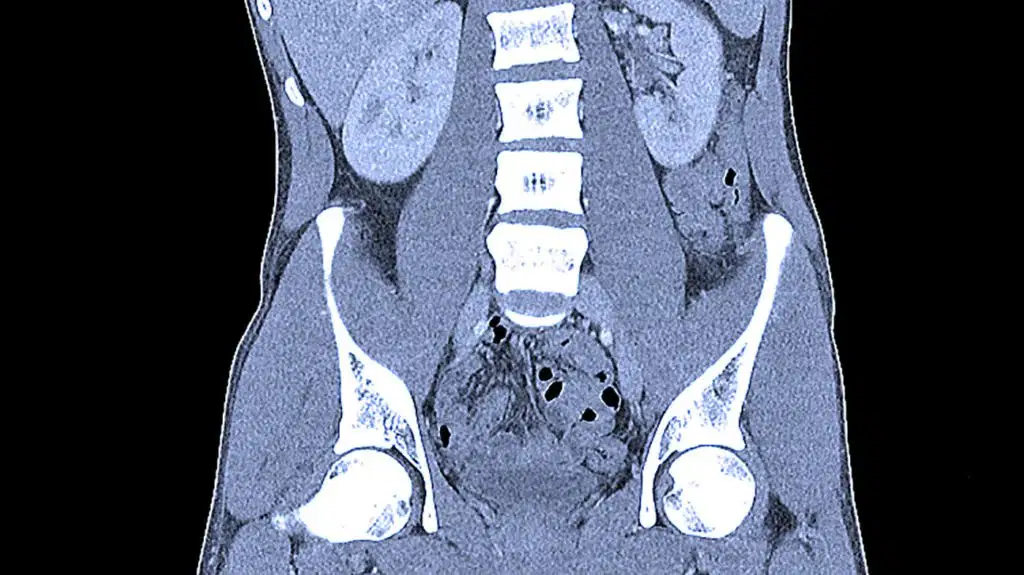
Based on the provided image, which type of medical imaging technique is shown?
a)
X-ray
b)
CT
c)
MRI
d)
PET
e)
Ultrasound
96.
Based on the provided image, which type of medical imaging technique is shown?
a)
X-ray
b)
CT
c)
MRI
d)
PET
e)
Ultrasound
97.
Based on the provided image, which type of medical imaging technique is shown?
a)
X-ray
b)
CT
c)
MRI
d)
PET
e)
Ultrasound
98.
Based on the provided image, which type of medical imaging technique is shown?
a)
X-ray
b)
CT
c)
MRI
d)
PET
e)
Ultrasound
99.
Based on the provided image, which type of medical imaging technique is shown?
a)
X-ray
b)
CT
c)
MRI
d)
PET
e)
Ultrasound