
 Worksheets
bones
Total questions: 123
Worksheet time: 41mins
DRAW YOUR LEG

Muscles allow us to move.
true
false
Muscles allow us to move.
true
false
Muscles move bones by pushing and pulling them.
true
false
All muscles in our body are joined to bones.
true
false
Biceps and triceps are skeletal muscles.
true
false

Look at the picture. Are the BICEPS contracting or relaxing?
contracting
relaxing

Look at the picture. Are the triceps contracting or relaxing?
contracting
relaxing

When the person straightens his arm, will the biceps contract or relax?
contract
relax

A diaphragm in our lungs is a ....
skeletal muscle
non-skeletal muscle

The quads and hamstrings are ... muscles
skeletal
non-skeletal

What the hamstrings do when we bend our legs?
contract
relax
locomotion consists of ___________
Change in distance
Change in shapes
Change in size
Change in location
(a) help to anchor/grip the ground
How many types of joints are there in our skeleton ?
1
2
4
6
The framework of bones is called ___________
Ear
Joint
Skeleton
All of the above
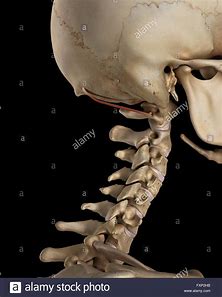
Which joint is present in the above picture shown ?
Pivot
Hinge
Fixed
Ball and Socket
Which of the following organisms do not have bones?
Dogs
Fish
Earthworms
Snakes
Cockroaches move with (a) legs at a time
(type the number)
Snails move with the help of (a)
What are the functions of of the skeleton system?
(select all that apply)
Give shape to the body
provide support to the body so that we can stand erect
protect the vital internal organs of our body such
none of the above
How many pairs of girdles are there in the body?
(a)
Can we stay alive without bones?
Yes
No
How many bones are in the body?
300
80
206
126
This bone protects the brain.
Scapula
Femur
Spine
Skull
Most insects have this type skeleton.
Appendicular
Axial
Exoskeleton
Endoskeleton
The thoracic cage does NOT protect these organs.
Heart
Lungs
Small Intestine
Liver
Humans have this type skeleton.
Appendicular
Axial
Exoskeleton
Endoskeleton
The skeletal system works with this system to allow body movement.
Muscular
Digestive
Respiratory
Circulatory
This part of the bone produces red blood cells.
Compact Bone
Spongy Bone
Bone Marrow
Periosteum
Bones are able to store, absorb, and release minerals in the body. This helps produce _________ in the body.
Hypothesis
Homeostasis
Homeopathic
Homosapien
The part of the skeleton along the axis of the body is -
Appendicular
Axial
Exoskeleton
Endoskeleton
This part of the skeletal system has over half of the body’s bones.
Appendicular
Axial
Exoskeleton
Endoskeleton
The Axial part of the skeleton contains ______ bones.
80
126
206
300
Which part of the bone is less dense and porous?
Compact Bone
Spongy Bone
Bone Marrow
Periosteum
Without these we would not be able to bend our arms or legs.
Hinges
Tendons
Ligaments
Joints
Ligaments attach -
bone to muscle.
bone to tendons.
bone to bone.
bone to ligaments.
Tendons attach -
bone to bone
bone to ligaments
muscle to muscle
bone to muscle
The main difference in the female skeleton and the male skeleton is found in the -
spine.
skull.
pelvis.
feet.
This is a disease found mostly in the elderly.
Scoliosis
Osteoporosis
Osteomalacia
Breaks, sprains, and fractures
What are the main organs of the skeletal system?
bones and muscles
bones and joints
muscles and joints
ligaments and tendons
Which of the following are functions of the skeletal system?
movement
production of blood
protection
support
homeostasis
How many bones is a baby born with?
300
206
126
80
Why do we have a skeleton?
To protect important organs, to help us move and support our body.
To keep us strong, tall and look good.
To keep us warm, to stop us from falling over and to help us walk.

Look at the given picture. Which of the below options can be added as a clue in the box?
Is it a herbivore?
Is it a vertebrate?
Is it an exoskeleton?
Ants are an example of:
endo skeleton
exo skeleton
hydrostatic skeleton
You are playing in the park. You notice a bird chirping to another bird in a tree. You also see a spider hanging from one of the monkey bars. Which type(s) of animals have you observed?
Mammals
Vertebrates and Invertebrates
vertebrates only
Which of the following is False about vertebrates:
There are five classes of vertebrates: amphibians, fishes, reptiles, birds and mammals.
They all have a spine or backbone.
There are more vertebrates than invertebrates in the world.

Look at the given picture and identify the animals from (a) to (g).
a) bee b) centipede c)spider d) slug e)worm f)snail g)ant
a) bee b) ant c)spider
d) centipede e)snail f)worm g)slug
a) ant b) bee c)spider d) cnetipede e)snail f)slug g)worm

Look at the picture and choose the correct key to complete the given chart.
Is it an amphibian?
Is it a reptile?
Does it have an exoskeleton?
Name an invertebrate that has legs and wings.
pigeon
spider
parrot
grasshopper

Look at the picture and choose which of the below options can be given as a correct key to complete the chart.
Is it a reptile?
Is it having a wing bone?
Is it an endoskeleton?
Identify the animal with following characteristics.
a. Animal with a shell and many body segments.
worm
slug
snail
crab

The skeleton gives the body its....
shape
color
sense of touch

Which system is a framework of bones inside the body?
nervous system
skeletal system
digestive system
respiratory system

The spine or backbone is made of 33 disk-shaped bones called...
backbones
vertebrae
femur
tibia

Shoulder and hips are examples of
ball and socket joints
pivot joints
gliding joints
hinge joints

The longest and strongest bone of the body
ribs
femur
radius
tibia
Which is not a function of the skeletal system?
shape and support
movement
protection
gas exchange

The place where two bones meet
pivot
hip
joint
vertebrae
How many bones are in an adult body?
600
206
300
210

The skull protects the ........
hair
helmet
brain
backbone

You choose when and how you use these muscles.
voluntary muscles
involuntary muscles

The brain controls these muscles automatically. You cannot control them.
voluntary muscles
involuntary muscles
What is a joint?
The place where 2 or more bones meet.
A thin membrane that covers the surface of bone.
A band of tissue that hold bones together.
Connective tissue
Legs and arms are examples of a __________________ joint.
Ball and Socket Joint
Hinge Joint
Pivot Joint
Gliding Joint
Name the joint that makes up the elbows,knees, and fingers.
Ball and Socket Joint
Hinge joints
Pivot Joint
Gliding Joint
Name the joint that is found in wrists and ankles.
Ball and Socket Joint
Hinge Joint
Pivot Joint
Gliding Joint
What are two examples of joints?
noose, lock
key, door
ball and socket, hinge
hinge, crow
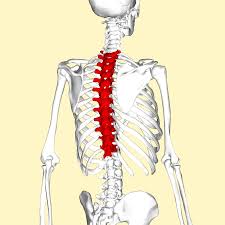
The bones in your back are made up of what?
Fingers
Phalanges
Vertebrate
Toes
What is the largest bone in the body?
scapula
humerus
femur
carilage

The largest organ of the body.
eyes
bladder
toe nail
skin

These are the hard parts in our body.
The (a) connect bones together and allow the body to bend.
Muscles are on the ___ and ______ of the bones in the arm.
(a)
Which of the following best describes the joints in our bodies?
The joints in our bodies are made of soft bones and do not allow for movement.
How do you say ちぢむ in English?
(a)
How do you say ゆるむ in English?
(a)
The bones (a) the body and protect the internal organs.
Why do rabbits have long back legs with strong muscles?
Rabbits have long back legs with strong muscles to help them run and jump quickly.
Rabbits have long back legs with strong muscles to help them dig.
Rabbits have long back legs with strong muscles to help them swim faster.
Rabbits have long back legs with strong muscles to help them fly.

Which part of your body is shown in the picture on the left?
(a)
Which of the following does not belong to the group?
ELBOW, NECK, HEART, KNEE
(a)
The (a) in the arm will tighten or loosen when you stretch or bend it.

Study the picture on the left. What happens to the lower muscle when you bend your arm?
(a)
How do you say つなぐ in English?
(a)
How do you say つくり in English?
(a)

What do you think will happen to your body if you don't have muscles and bones?
Which word does NOT belong to the group?
BEND, STRETCH, MOVE, STRONG
(a)
How many bones are found in the human body?
602
260
206
620
What is a joint?
Where 2 bones are connected
Where 2 muscles are connected
Where 2 organs are connected
Where 2 animals are connected
In which part of the body do you find the femur bone?
The back
The shoulder
The arm
The leg
What is the name of the bone which protects our brain?
The spine
The skull
The tibia
The humerus
What is the longest bones in the human skeleton?
The clavicle
The ribs
The femur
The humerus
In which part of the body do you find the femur bone?
The back
The shoulder
The arm
The leg
Where are the clavicle bones found?
The back
The shoulders
The arms
The legs
It forms a protective cage around the heart and lungs.
ribs
joints
Helps protect the brain.
skull
ball and socket joints
What is the smallest bone in the body?
patella
stirrup
thigh
teeny
The bones in your spine are called ________ ?
cartilage
little bones
ribs
vertebrae
The patella is located in the ________ ?
knee
foot
elbow
ear


What do we call the bone that connects our legs to the rest of the body?
skull
femur
ribs
pelvis
How many teeth does an adult human have?
32
36
48
20
What do bees collect and use to create honey?
Pollen
flowers
sugar
nectar
What is the rarest blood type?
O -
O+
B-
AB -
What part of the plant conducts photosyntehsis?
Root
Stem
Leaf
What tissues connect the muscles to the bones?
Tendons
Ligaments
Cartilage
fat
Animals that eat both plants and meat are called what?
Omnivores
Carnivores
Insectivores
Herbivores
Diabetes develops as the result of a problem with which specific organ in the body?
Stomach
legs
Intestines
Pancreas
Where can you find the smallest bone in the human body?
pinky
arm
Spine
ear
Scientists believe that the continents of the earth were all one large landmass 280 million years ago. The moving of tectonic plates caused this mass to break off into different pieces, making up the continents as we know them today. What was this landmass called?
Mezozoic
America
Pangea
African continent
True or false: male seahorses give birth to their young, not the females.
True
False
What is the tallest type of grass?
Sugar cane
Kentucky Blue grass
Rice
Bamboo
How many bones do sharks have in total?
300
208
0
550
Discovered by Alexander Fleming, this is now used to treat infections and is considered one of the most important discoveries in the field of medical science. What is it?
Vaccines
Head ache medication
Penicillin
Antifungal medication
This type of bond involves the sharing of electron pairs between different atoms. What do you call this bond? example...water
Positive bonds
Covalent
Ionic
Hypotnic
True or false: chloroplasts can be found in animal cells.
True
False
True or false: chloroplasts can be found in animal cells.
True
False
Had pirates known about this vitamin, then they wouldn’t have suffered from scurvy. What vitamin is this
A
D
C
K
Had pirates known about this vitamin, then they wouldn’t have suffered from scurvy. What vitamin is this
A
D
C
K

What is the biggest planet in our solar system?
Venus
The Earth
Jupiter
Mars

What is the chemical symbol for the element oxygen?
O
Ox
O2
Os

