
Font size
 Worksheets
Quarter 1 Review
Total questions: 73
Worksheet time: 37mins
Aria and Michael are puzzling over this riddle: What appears once in a minute, twice in a moment, but NEVER in a thousand years? Can you help them figure it out?
The Letter T
The Letter E
The Letter M
The Letter O
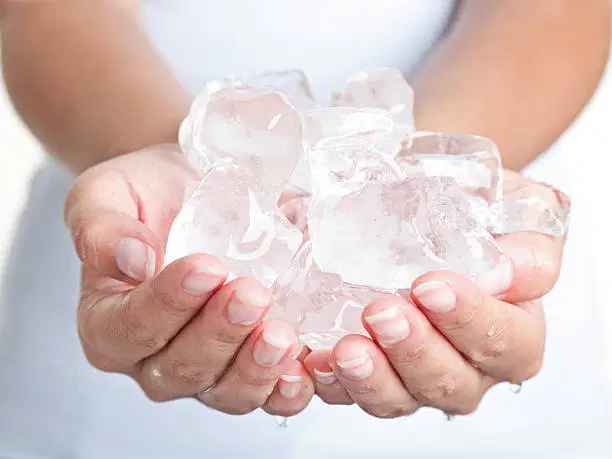
Mason just picked up a handful of ice cubes, and his hands are starting to feel really cold! Which type of heat transfer is happening between Mason's hands and the ice?
convection
conduction
radiation
stir frying

Zoe, Emma, and Michael are walking through a sunny forest when they notice the warm rays shining down, just like in this picture! What type of heat transfer is happening here?
convection
conduction
radiation
sun shining

Zoe, Luna, and Arjun are watching this pot of water boil on the stove. Can you help them figure out what type of heat transfer is happening here?
convection
conduction
radiation
boiling water
Anika and Oliver are having hot chocolate and ice cream. Heat transfers from ______ objects to cold objects. Can you help them figure it out?
Cold
Hot
Convection
Radiation

Luna and Mason are having a contest to see whose lunchbox keeps their food warm the longest. If their insulator is doing an awesome job, what should happen to the temperature of their food over time?
rise slowly
lower quickly
show very little change
rise quickly
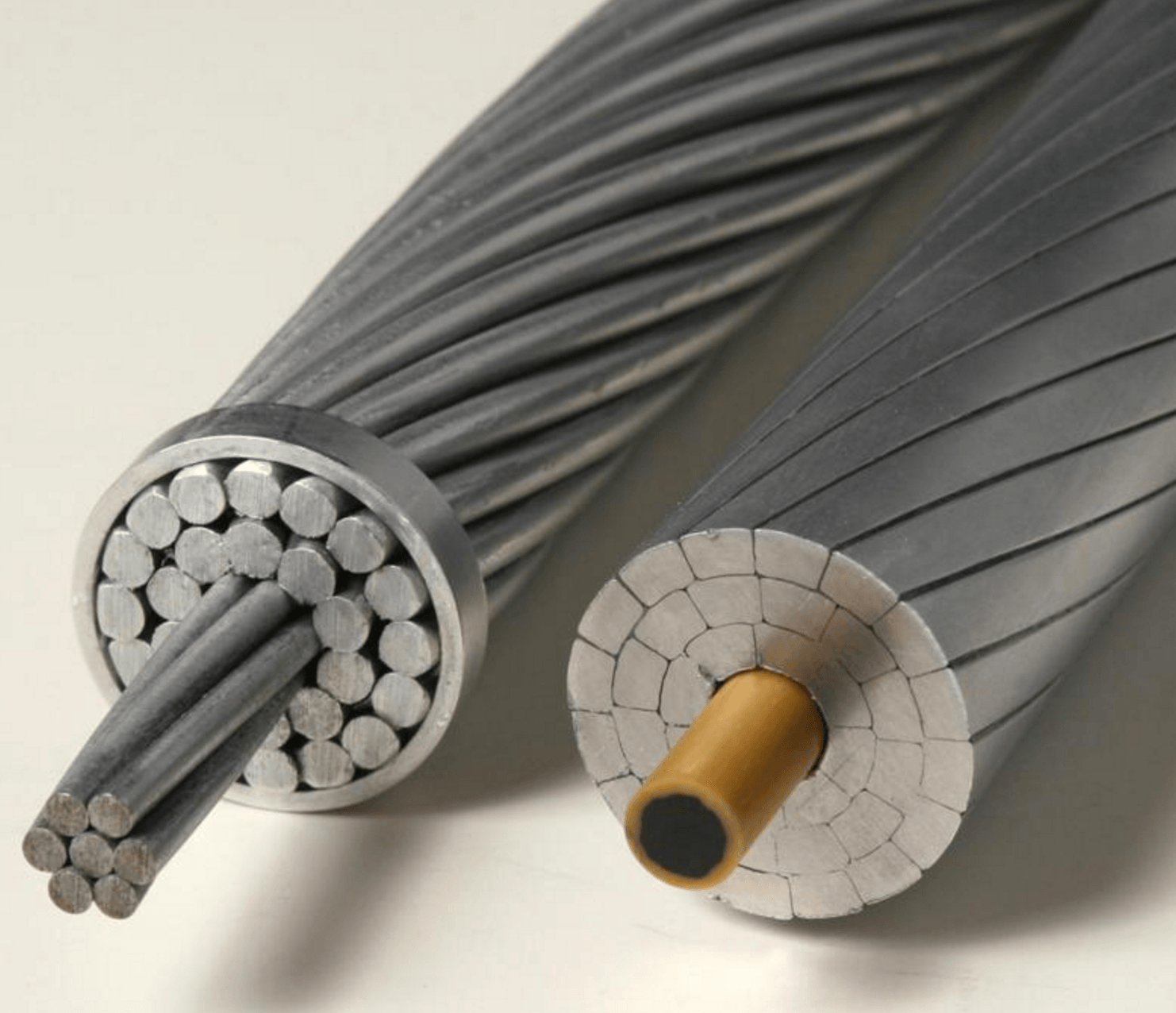
Noah, Mason, and Nora are on a science adventure! They are trying to find out which item does NOT let electricity flow through it. Can you help them? All of the following are conductors except _______.
metal spoon
wire
iron nail
plastic spoon

Nora is holding a steaming hot cup of tea on a chilly morning. As she wraps her hands around the cup, which direction will the heat travel?
from the cup to her hand
from her hand to the cup
no heat is transferred
Sophia and Aiden are having a riddle contest! Sophia says, "You can think of me as the center of gravity... but I'm not a force or a place. What am I?"
Can you help Aiden solve this riddle?
Light?
The letter "v"?
outer space?
gravity?

Grace, Abigail, and David are helping to fix a lamp at home. They notice that the electrical wires are made of copper and covered with plastic. Why do you think copper and plastic are such a super team for electrical wires?
Copper is a conductor of electricity, and plastic is an insulator of electricity.
Copper is an insulator of electricity, and plastic is a conductor of electricity.
Copper is a conductor of electricity, and plastic is an insulator of heat.
Copper is an insulator of electricity, and plastic is a conductor of heat.
Grace and Elijah are having a snowball fight! Grace's snowball is super warm, while Elijah's is really cold. In which direction will the thermal energy flow?
From Grace's warm snowball to Elijah's cold snowball.
From Elijah's cold snowball to Grace's warm snowball.
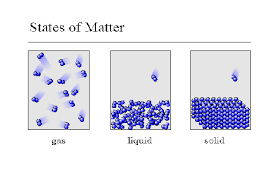
Nora, Maya, and Evelyn are curious about what happens to particles at higher temperatures. Can you help them figure it out?
particles in an object have less energy
particles in an object move faster
a gas contracts
Imagine Benjamin is roasting marshmallows over a campfire. When he adds heat to the marshmallow, what is he doing?
decreasing energy
increasing energy
creating energy
keeping energy the same (homeostasis)

Arjun, Avery, and Liam are watching tiny particles zoom around, bumping into each other and the sides of their container at super speed! In which phase are these particles moving rapidly in all directions?
Solid
Liquid
Gas
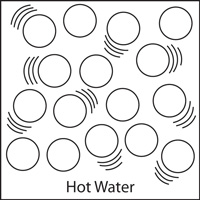
Arjun and Sophia are watching molecules zoom around in hot water (like in the picture!). They wonder: The speed of the molecules determines the _____.
volume
density
pressure
temperature

Priya and Daniel each have a mug—Priya’s is filled with hot chocolate and Daniel’s with cold milk. If they place their mugs next to each other, heat will flow from Priya’s warmer mug to Daniel’s cooler mug until_____?
they both have an equal temperature.
one object reaches a temperature of zero.
one object runs out of energy.
one objects gets much hotter and one object gets much colder.
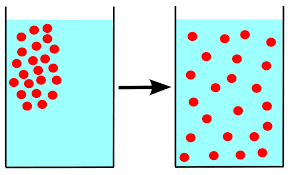
Elijah and Mia are looking at a particle model of ice. As they add more thermal energy, what do you think happens to the water particles?
moved apart; increased speed
moved closer; increased speed
moved apart; decreased speed
moved closer; decreased speed
Daniel and Mia left some ice cubes on the kitchen counter. When the ice melts, what has happened to it?
gained mass
gained energy
lost mass
lost energy
James and Sophia are conducting a science experiment. According to the Law of Conservation of Mass, what will they discover?
matter is always created in a chemical reaction
matter is always destroyed in a chemical reaction
matter is created and then destroyed in a chemical reaction
matter is not created or destroyed in a chemical reaction
Olivia, Mason, and Avery are playing a riddle game. Can you solve this one with them?
What belongs to you, but everyone else seems to use it more than you do?
towel
sink
yourself
name
During a science experiment, Mason and Lily mixed two chemicals together. What are the substances called that are created during their chemical reaction?
reactants
products
chemicals
substances
Grace and Zoe are in the science lab, and they want to start a cool chemical reaction. What are the substances called that they need to begin the reaction?
reactants
products
chemicals
substances
The law of conservation of mass can be demonstrated by a chemical reaction. Which of the following models of a chemical reaction best represents the law of conservation of mass?


Abigail, Avery, and Henry are doing some kitchen experiments! In which of the following examples are they witnessing a real chemical reaction?
After putting liquid batter into a hot pan, the batter solidifies and begins to turn brown.
After turning on a blender filled with fruits, the fruit is chopped up and mixed together.
After taking a tray filled with ice cubes out of the freezer, the cubes begin to melt.
After adding a spoonful of sugar to a mug of hot coffee, the sugar dissolves completely.
Arjun and Lily are in the science lab, mixing carbon and oxygen. When they combine these elements chemically, what will be the mass of the product they create?
greater than the mass of the carbon plus the mass of the oxygen
equal to the mass of the carbon plus the oxygen
equal to the mass of the carbon
less than the mass of the carbon

Charlotte and Isla are watching water boil in a beaker, just like in the picture to the right. They wonder if this experiment can prove that matter is conserved when water changes from a liquid to a gas. Which of the following statements explains why their demonstration can't be used to prove that matter is conserved during a change of phase?
The change of phase is incomplete.
Water is changing both phase and temperature.
Water in the gas phase is lighter than liquid water.
The change of phase is taking place in an open system.
Anika and Ethan are in science class, and they want to know: How many Oxygen atoms are in a molecule of H2O?
1
2
0
4
Ethan and Ava are in the lab, and they discover a molecule of N2. How many Nitrogen atoms did they find in this molecule?
6
8
2
4
Noah and Charlotte are watching particles under a microscope. Suddenly, the temperature starts to rise! What do you think happens to the particles as it gets hotter?
The particles move slower
The particles move faster
The particles lose mass
The particles gain mass
Sophia and Liam are playing a science guessing game! They want to know: In which state of matter are the molecules spaced the farthest apart?
Solid
Liquid
Gas
All are equal
Abigail and Aiden are puzzling over a riddle together:
"I'm tall when I'm young and short when I'm old... What am I?"
Can you help them figure it out?
A person?
Ummmm
a word?
A candle?
Samuel and Grace are doing a science experiment. They want to find out which materials ALLOW heat and electricity to move easily through them. What are these materials called?
Conductors
Insulators
Harper and Luna are building a fort and want to keep it warm. Which of the following materials would help them slow down the transfer of heat and keep their fort cozy?
a material that slows the transfer of heat
a material that transfers heat easily
a material that is fluffy
a material that is temperature controlled
Scarlett and Elijah are working together in the lab! Can you help them figure out which ones are the reactants in this chemical equation: 2HO + Na --> H2O2Na?
2HO
Na
2HO , Na
H2O2Na
Olivia and Daniel are in the science lab, and they mix sodium (Na) with chlorine (Cl). What exciting new product do they create in the equation below?
Na + Cl ---> ?
Na
NaCL
Cl
NaCl

Select all the Reactants


Samuel and Emma are conducting a science experiment. They notice some new substances forming as a result of their chemical reaction. What are these new substances called?
products
reactants
coefficients
subscripts
Oliver and Mia are setting up a science experiment. What do you call the substances they have at the very start of their chemical reaction?
subscripts
coefficients
reactants
products
Anika and Arjun are having a science experiment at home. They light a candle and watch the wick burn. What kind of reaction are they observing?
physical reaction
condensation
neutrons
chemical reaction
William and Harper are having a riddle contest! William asks: "What gets wetter the more it dries?" Can you help Harper solve this fun riddle?
Air
A Person
A Towel
Water

What model best represents the product "2 CO2"?

Model 1

Model 2

Model 3

What model best represents the products "H2O + NO"?

Model 1

Model 2

Model 3

What model best represents the reactants "CH4 + 4 Cl2"?

Model 1

Model 2

Model 3

What model best represents the reactant "2 HgO"?

Model 1

Model 2

Model 3

Elijah and Anika are looking at this chemical equation and having a friendly debate! Does this equation show a physical or a chemical change? How can you tell? Help them solve the mystery!
A physical change because the molecules stay the same after the reaction.
A chemical change because the molecules stay the same after the reaction.
A physical change because the molecules are different after the reaction.
A chemical change because the molecules are different after the reaction.

Avery and Priya are looking at this chemical equation and want to know: Does this equation show a physical or a chemical change? How can you tell? Help them solve the mystery!
A physical change because the molecules stay the same after the reaction.
A chemical change because the molecules stay the same after the reaction.
A physical change because the molecules are different after the reaction.
A chemical change because the molecules are different after the reaction.
Let's help Ava and William with their science experiment! They want to find out what makes leaves change color. If leaf color change is related to temperature, then exposing plants to low temperatures will result in changes in leaf color. Which is the INDEPENDENT VARIABLE in their experiment?
leaf color
temperature
plants
amount of time
Nora and Luna are curious about why leaves change color. They wonder: If leaf color change is related to temperature, then exposing plants to low temperatures will result in changes in leaf color. Help them out! What is the DEPENDENT VARIABLE in their experiment?
leaf color
temperature
plants
amount of time
Hannah and Aiden are setting up a science experiment. They know that some things need to stay the same so they can figure out what really caused their results to change. What are these important factors called?
constants/controlled variables.
independent variables.
dependent variables.
control variable.
Grace, Emma, and Charlotte are having a friendly debate: How many letters are there in the alphabet?
8
26
11
5
Oliver, Priya, and Grace wanted to see if the concentration of salt in water would change how quickly water cools down. They each took 4 identical plastic glasses, filled them with 225 mL of water at different salt concentrations—0 percent, 10 percent, 20 percent, and 30 percent—and placed them in a freezer. The friends then timed how long it took for each solution to reach 3 degrees Celsius.
What is the independent variable in their experiment?
Volume of liquid in glasses
Concentration of salt solution
Amount of time in the freezer for solution to cool to 3 degrees Celsius
Degrees Celsius that the solution cooled
Oliver, Ava, and Anika wanted to see if adding salt to water would change how quickly it cools down. They each took 4 identical plastic glasses, filled them with 225 mL of water, and mixed in different amounts of salt to make solutions with 0 percent, 10 percent, 20 percent, and 30 percent salt. Then, they put the glasses in the freezer and timed how long it took for each solution to cool to 3 degrees Celsius.
What is the dependent variable in their experiment?
Volume of liquid in glasses
Concentration of salt solution
Amount of time in the freezer for solution to cool to 3 degrees Celsius
Degrees Celsius that the solution cooled
Charlotte, David, and Samuel were curious scientists! They wanted to discover if the concentration of salt in water would change how quickly water cools down. So, they each took 4 identical plastic glasses, filled each with 225 mL of water with different salt concentrations—0 percent, 10 percent, 20 percent, and 30 percent—and placed them in the same freezer. They watched closely and recorded how long it took for each solution to cool to 3 degrees Celsius.
What are the constants in their experiment? (can be more than one)
Glasses
Volume of salt solution
Freezer
Concentration of salt solution
Amount of time in freezer for solution to cool to 3 degrees Celsius
Grace, Arjun, and Avery were curious about how the amount of water would affect the speed at which seeds sprout. They read that 150 mL of water was the perfect amount for sprouting up to 10 seeds in 500g of soil. So, they grabbed 5 identical flower pots and filled each with 500g of potting soil. In each pot, they planted 10 seeds of the same type. To keep things fair, they put all the pots in the same sunny spot so each one got the same amount of light. Then, they watered the pots with these amounts of distilled water every day for 40 days:
Pot 1 50 mL
Pot 2 100 mL
Pot 3 150 mL
Pot 4 200 mL
Pot 5 250 mL
Every day, they recorded how many seeds sprouted and how tall each plant grew.
What is the independent variable in their experiment?
Amount of water
Rate of seed germination
Number of days to germination
Location of pots
Emma, Rohan, and Kai were curious about how the amount of water would affect how quickly seeds sprout. They read that 150 mL of water was the perfect amount for sprouting up to 10 seeds in 500g of soil. So, they grabbed 5 identical flower pots, filled each with 500g of potting soil, and planted 10 seeds of the same type in each pot. To keep things fair, they put all the pots in the same sunny spot so each one got the same amount of light. Then, they watered the pots with different amounts of distilled water every day for 40 days:
Pot 1 50 mL
Pot 2 100 mL
Pot 3 150 mL
Pot 4 200 mL
Pot 5 250 mL
Every day, they excitedly checked and recorded how many seeds had sprouted and how tall each plant was growing.
What is the dependent variable in their experiment?
Amount of water
Rate of seed germination
Number of days to germination
Location of pots
Susan, Aiden, and Scarlett teamed up for a science experiment to discover how the amount of water affects the speed at which seeds sprout! They read that 150 mL of water is just right for sprouting up to 10 seeds in 500g of soil. The trio grabbed 5 identical flower pots, filled each with 500g of potting soil, and planted 10 seeds of the same type in every pot. To keep things fair, they placed all the pots together so each one soaked up the same amount of sunlight. Every day for 40 days, they gave each pot a different amount of distilled water:
Pot 1 50 mL
Pot 2 100 mL
Pot 3 150 mL
Pot 4 200 mL
Pot 5 250 mL
They carefully recorded how many seeds sprouted and how tall each plant grew.
Which things did they keep the same (the constants) in their experiment?
Flower pots
Amount of water
Type and number of seeds
Amount of light
Amount of soil
Ziqi is conducting a study on the effect of temperature on the rate of chemical reactions. She is using different temperatures to see how it affects the speed of a specific reaction. In this scenario, what is the dependent variable?
Rate of chemical reactions
Color of the chemicals Ziqi is using
Volume of the chemicals Ziqi is using
Temperature Ziqi is setting

What is the DEPENDENT variable?
water depth
temperature
meters
50

What is the INDEPENDENT VARIABLE?
water depth
temperature
meters
(C)

What is the independent variable?
temperature
heart rate
data table
(beats/min)

What is the dependent variable?
temperature
heart rate
data table
(C)
A man is trapped in a room. The room has only two possible exits: two doors. Through the first door there is a room constructed from magnifying glass. The blazing hot sun instantly fries anything or anyone that enters. Through the second door there is a fire-breathing dragon. How does the man escape?
He waits until night time and then goes through the first door.
He goes through the third door
He goes for the second door and kills the dragon
He goes through the first door and closes his eyes

What is the independent variable?
Number of Students
Grades
I would like more help
What is the dependent variable?
Number of Students
Grades
I would like more help

What are the chemicals on the right side of a chemical equation called?
products
atoms
reactants
reaction rates

How could we make this reaction happen more quickly?
Crush the chalk to increase the surface area
Decrease the concentration of the acid
Put the test tube in an ice bath
Some baking soda and vinegar were mixed in a closed bag. A students observations of the closed bag are as follows:
Which of the following indicates a CHEMICAL change?
The bag inflated, indicating a gas has formed.
The color of the reactants and products stayed the same.
There is liquid in the bag both before and after.
The bag is now slightly colder to the touch, indicating a temperature decrease.

Which statement is true?
Combining Substance A and B resulted in a chemical reaction because the temperature did NOT change.
Combining Substance C and D resulted in a chemical reaction because the temperature did NOT change.
Combining Substance A and B resulted in a chemical reaction because a gas was formed.
Neither combinations resulted in a chemical reaction because none of them changed color.

4CF2Cl2
C = 4, F = 4, Cl = 2
C = 1, F = 8, Cl = 8
C = 4, F = 8, Cl = 8
C = 1, F = 4, Cl = 8
How many Hydrogen atoms are in 4H2O?
6
8
2
4

What are the products of the chemical reaction pictured?
CH4 and CO2
CH4 and O2
CO2 and H2O
O2 and H2O

The student inferred that a chemical reaction occurred. What evidence supports this inference?

