wayground logo

Free Printable Worksheets

Font size

S
M
L
XL
Worksheets

2.1 DNA

Total questions: 50

Worksheet time: 3hrs 34mins

Name
Class
Date
1.
The base Uracil is only found in which molecule?
a)
DNA
b)
RNA
c)
Carbohydrates
2.
An organism's DNA is a code to make proteins.
a)
True
b)
False
3.

Which of the following are differences in the structure between RNA and DNA

a)

DNA uses deoxyribose sugar, RNA uses sugar ribose

b)

DNA pairs Adenine with Uracil, RNA pairs Adenine with Thymine

c)

DNA is a double helix, RNA is a single helix

d)

DNA pairs Adenine with Thymine, RNA pairs Adenine with Uracil

4.

During transcription, this type of ribonucleic acid is responsible for copying the DNA and brining it out of the nucleus.

a)

tRNA

b)

mRNA

c)

rRNA

d)

dRNA

5.

When these bond together, they form a protein

a)

Amino Acids

b)

Peptide Bonds

c)

Ribose

d)

Nucleotides

6.

mRNA occurs during this process

a)

Translation

b)

Transcription

c)

Replication

d)

Delivery

7.
What is the three base sequence of mRNA that codes for a single amino acid?
a)
Anticodon
b)
Codon
c)
Protein
8.
What is the mRNA strand that would result from the DNA template strand CCTA?
a)
GGAT
b)
CCAT
c)
GGAU
d)
CCAU
9.
Which of these nitrogenous bases is NOT in RNA?
a)
Uracil
b)
Thymine
c)
Cytosine
d)
Guanine
10.

A ______________ is a change in the sequence of DNA

a)

gene

b)

antigen

c)

mutation

d)

antibody

11.
Mutations are__________
a)
Harmful
b)
Harmful or beneficial
c)
Neutral
d)
Harmful, neutral, or beneficial
12.
A rabbit that has short deformed legs and cannot jump or run fast would have a____
a)
Harmful mutation
b)
Beneficial mutation
c)
Neutral mutation
d)
normal life
13.
A desert animal with extra thick fur/hair would be___
a)
Harmful
b)
Neutral
c)
Beneficial
d)
Happy
14.
Are all mutations bad?
a)
Yes
b)
No
15.

Mutations can benefit humans because they can:

a)

Cause illness

b)

Make an organism more suited to live in its environment.

c)

Make organisms live shorter lives

d)

Cause organisms to grow extra limbs.

16.
What causes mutations?
a)
Mistakes in replication or environmental substances
b)
The amino acids
c)
Passed down by genetics
d)
It's how your born
17.

Identify which of the following is a genetic mutation disease..

a)

Common head cold

b)

Cystic fibrosis

c)

Heart attack

d)

Chicken pox

18.
Which of the following best describes a DNA molecule?
a)
double helix
b)
contains ribose
c)
made of amino acids
d)
contains Uracil
19.
Which of the following units are repeatedly joined together to form a strand of DNA?
a)
amino acids
b)
nucleotides
c)
fatty acids
d)
polysaccharides
20.
Why is DNA important?
a)
it is very small and very complicated
b)
it's in everything
c)
it serves as the blueprint for traits of all living things
d)
because we eat it every day for energy
21.
Replicate the following strand of DNA: 
AATCATGGA
a)
AATCATGGA
b)
TTAGTACCT
c)
UUAGUACCU
d)
GGATAUCUA
22.
A process in which DNA has the unique ability to make an exact copy of itself.
a)
Replication
b)
Translation
c)
Transcription
23.

What is the correct complimentary strand for the following DNA? ATCGAG

a)

TACGAG

b)

ATCGAG

c)

TAGCTG

d)

TAGCTC

24.
What is a gene?
a)
A bundle (like a hot dog bun) that the DNA is packed into
b)
something inside the nucleus
c)
a piece of DNA
d)
all of your DNA
25.
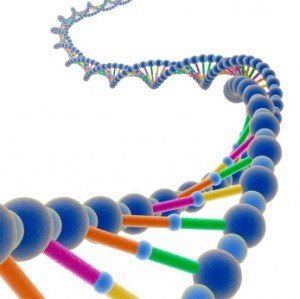
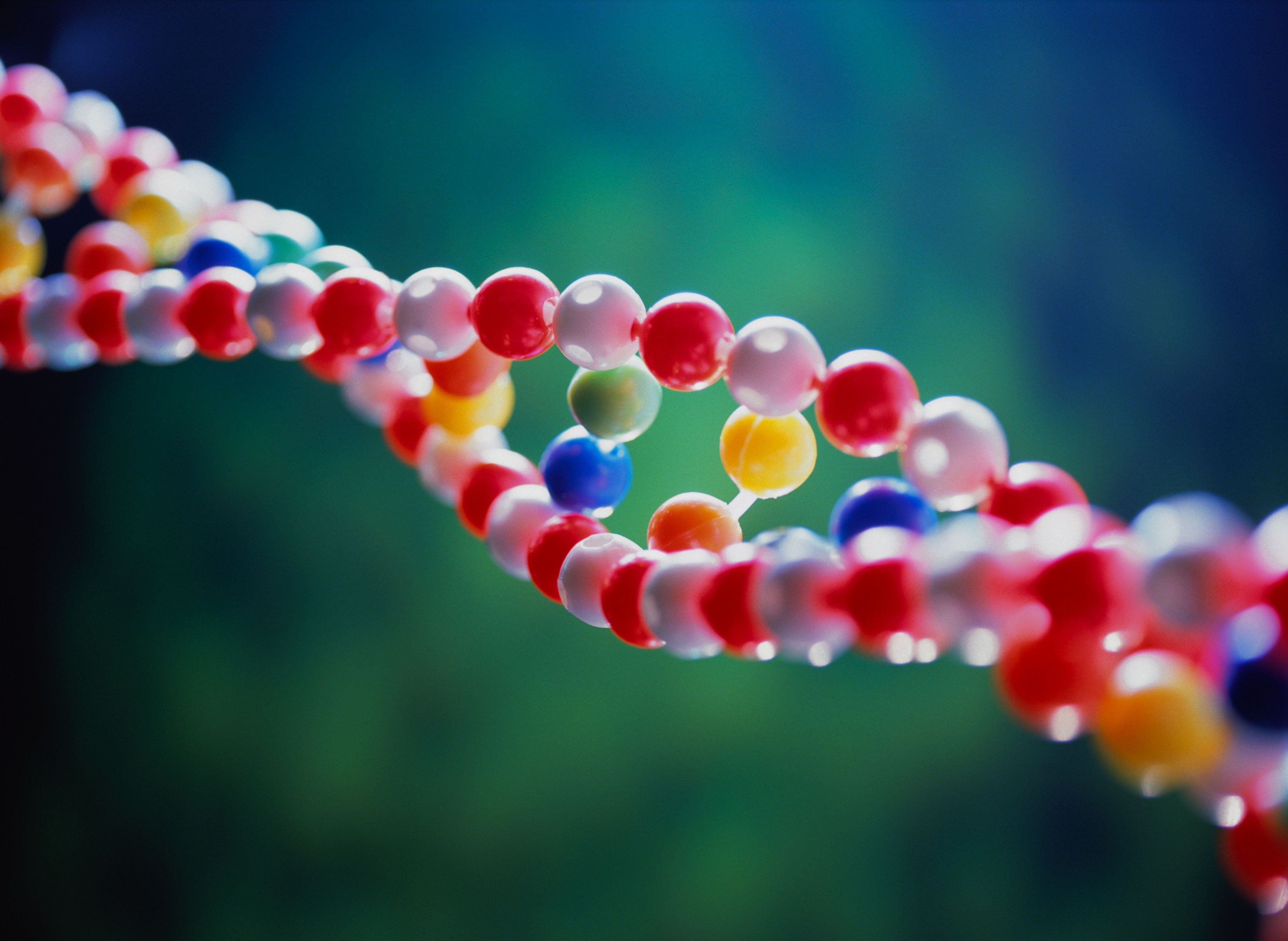
Name this structure
a)
double helix
b)
nucelotide
c)
twisted ladder
d)
hydrogen bond
26.

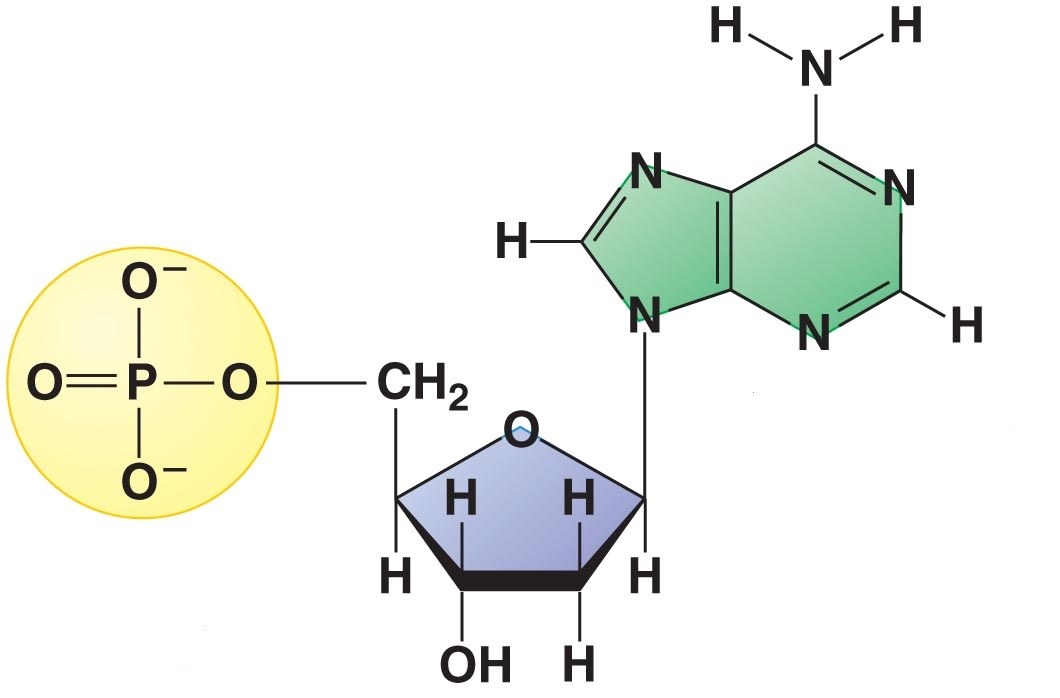
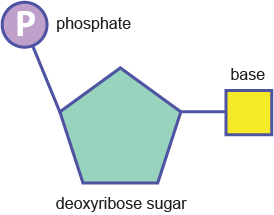
Nucleotides are made up of a sugar, phosphate, and..?

a)

amino acid

b)

nucleic acid

c)

cholesterol

d)

fatty acid

27.

Name the YELLOW is structure

a)

phosphate group

b)

pentose sugar

c)

double helix

d)

hydrogen bond

e)

nitrogen base

28.

Name the PURPLE is structure

a)

phosphate group

b)

pentose sugar

c)

double helix

d)

hydrogen bond

e)

nitrogen base

29.

Name the GREEN is structure

a)

phosphate group

b)

pentose sugar

c)

double helix

d)

hydrogen bond

e)

nitrogen base

30.

Three types of mutations

a)

Substitutions, insertions, deletions

b)
Substitution mutations
c)
Chromosomal mutations
d)
Translocation mutations
31.

Three main functions of DNA

a)

Transport of nutrients, grow, heal

b)

Grow, reproduce, repair itself

c)

Cellular respiration, photosynthesis, glucose

d)

Energy production

32.

What are amino acids?

a)
Amino acids are vitamins essential for metabolism.
b)
Amino acids are fatty acids that store energy.
c)
Amino acids are the building blocks of proteins, consisting of an amino group, a carboxyl group, and a side chain.
d)
Amino acids are a type of carbohydrate.
33.

A STRAND OF AMINO ACIDS BOND TOGETHER TO FORM______

a)

AMINO ACIDS

b)

FATS

c)

PROTEIN

34.

WHAT IS #3 (ITS CARRYING AND AMINO ACID)

a)

T RNA

b)

M RNA

c)

R RNA

35.
Which of these bases does not exist in RNA?
a)
C
b)
T
c)
U
d)
A
36.
In a molecule of double-stranded DNA, the amount of Adenine present is always equal to the amount of
a)
cytosine
b)
guanine
c)
thymine
d)
uracil
37.
What is occurring in this picture?
a)
Translation
b)
Replication
c)
Translocation
d)
Transcription
38.
what does mRNA do?
a)
carry info from genes to ribosomes
b)
carry amino acids to ribosomes
c)
help with RNA splicing
d)
make up ribosomes
39.
What is a nucleotide?
a)
Lipid
b)
A single base, deoxyribose sugar, and a phosphate
c)
Carbohydrate
d)
All of the above
40.

In replication, C pairs with

a)

U

b)

G

c)

A

d)

T

41.
In transcription, A pairs with ____.
a)
T (thymine)
b)
C (cytosine)
c)
G (guanine)
d)
U (uracil)
42.

If a strand of DNA had bases in the following order - ATCCGTC, what would be the transcribed mRNA sequence?

a)

TAGGCAG

b)

UAGGCAG

c)

TUGGCUG

d)

None of the above are correct

43.

Which RNA bases would pair with CCG TAA in transcription?

a)

AUG CUU

b)

GGC AUU

c)

GCU ACC

d)

GCA ATT

44.

Provided clear x-ray crystallography images of DNA

a)

Watson & Crick

b)

Franklin

c)

Wilkins

d)

Pauling

e)

Chargaff

45.

basic structural unit of DNA. Examples: adenine, guanine, cytosine, thymine

a)

nucleotide

b)

phosphate

c)

ribose sugar

d)

enzyme

46.

made up of a long strand of DNA that is bonded to proteins in a way that makes them condense/fold to form chromosomes

a)

genetics

b)

chromosome

c)

proteins

d)

DNA

47.

a piece of a chromosome that is composed of specific nucleotide sequences of DNA

a)

chromatid

b)

nucleotide

c)

gene

d)

circular DNA

48.

deoxyribonucleic acid: the molecule that contains the basic instructions for life.

a)

gene

b)

chromosome

c)

DNA

d)

nucleotide

49.

The change in strand 1 to form strand 2 is most similar to what type of mutation?

a)

Insertion

b)

Deletion

c)

Substitution

d)

Silent

50.

This guy has a rare mutation. Is this mutation helpful, harmful, or neutral to the crocodile?

a)

Harmful

b)

Helpful

c)

Neutral