
NEW
Font size
 Worksheets
Macromolecules and Enzymes
Total questions: 44
Worksheet time: 56mins
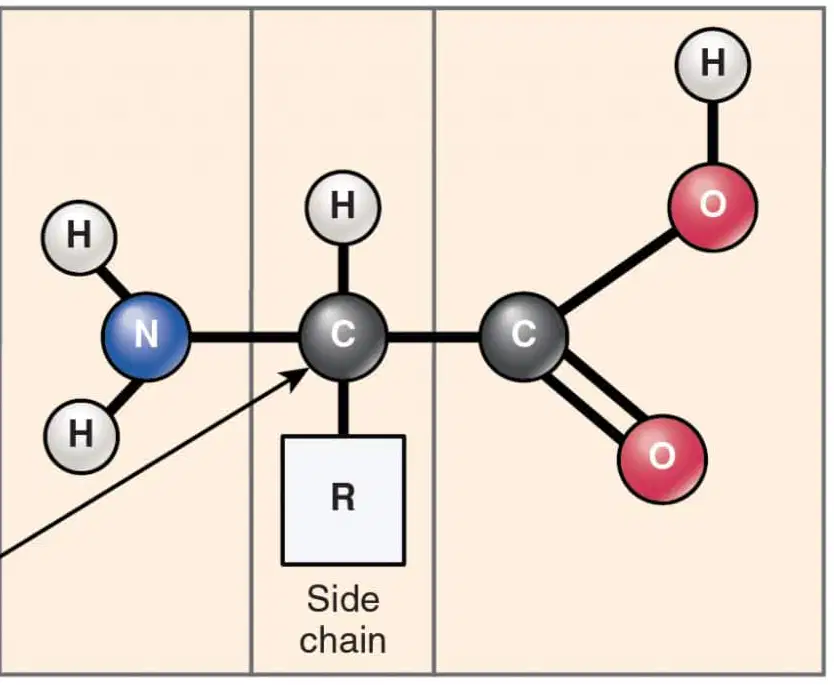

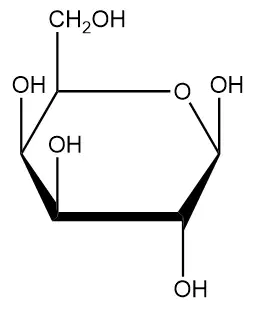
Enzymes belong to which class of macromolecules?
lipids
carbohydrates
proteins
nucleic acids


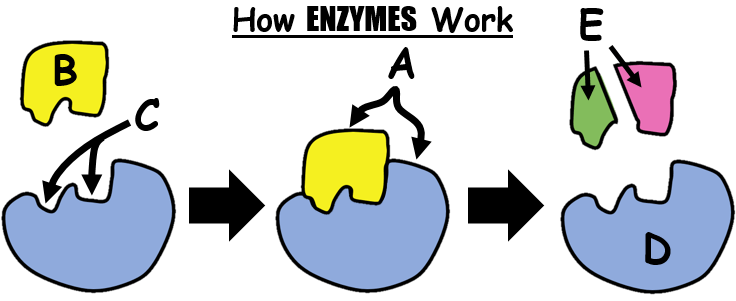
Label Number 2
Substrate
Enzyme
Active Site

Which of the following statements is true about catalysts (enzymes)?
Catalysts slow down the rate of chemical reactions.
Enzymes help regulate pH.
Catalysts are used up during a chemical reaction.
Catalysts lower the activation energy of a chemical reaction.
Changes in pH and temperature can ___________________ an enzyme which causes it to lose its shape and affects its function.
puncture
denature
double
delete
Fats, oils, and butter are examples of food high in which macromolecule?
carbohydrates
nucleic acids
lipids
Which element is found in proteins but NOT carbohydrates?
hydrogen
oxygen
nitrogen
The elements found in lipids are
C, H, O
C, H, O, N
C, H, O, N, P
Fatty acids and glycerol are common components of which macromolecule?
lipids
carbohydrates
proteins
The substance on which an enzyme acts is the -
product
substrate
activation energy
active site
Changing the shape (such as overheating) of an enzyme results in the enzyme's loss of -
ability to catalyze a reaction
storage of inherited information
net electrical charge
storage of a large amount of chemical energy

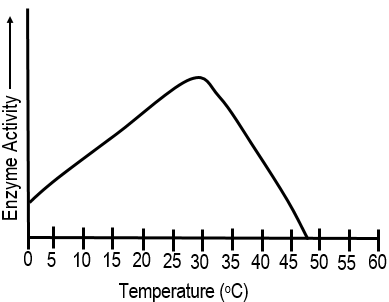
Refer to the figure above. What temperature would be considered the optimum temperature for this enzyme's activity rate?
20 Degrees Celsius
60 Degrees Celsius
40 Degrees Celsius
30 Degrees Celsius
What suffix is used in the names of most enzymes?
-nic
-ase
-gen
-yme
Which of the following pairs are not correct?
amino acids - proteins
DNA - nucleic acids
lipids - enzymes
carbohydrates - energy
Which of the following effect the efficiency of an enzyme
temperature
pH
substrate concentration
All of the above

According to the graph, addition of the enzyme amylase causes the reaction to -
slow down
speed up
take in heat
give off heat

What can be concluded from this graph?
The reactants have less energy than the products
The enzyme is consumed during the course of the reaction
The enzyme lowers the energy of activation for the reaction
The amount of free energy produced in the reaction increases with an enzyme

Carbohydrates can be identified by their ratio of carbon, hydrogen, and oxygen, which is always:
1:2:1
2:1:1
1:1:1
2:2:1

A substance that speed up a chemical reaction is called:
a substrate
a catalyst
a product
an activation energy

Which of the following shows an image for a Nucleic acid?
A
B
C
D

Review the image above. Which is an example of a Carbohydrate?
A
E
C
B and E

Review the image of a monomer of a macromolecule. What type of macromolecule is shown?
Lipid
Protein
Nucleic acid
Carbohydrate
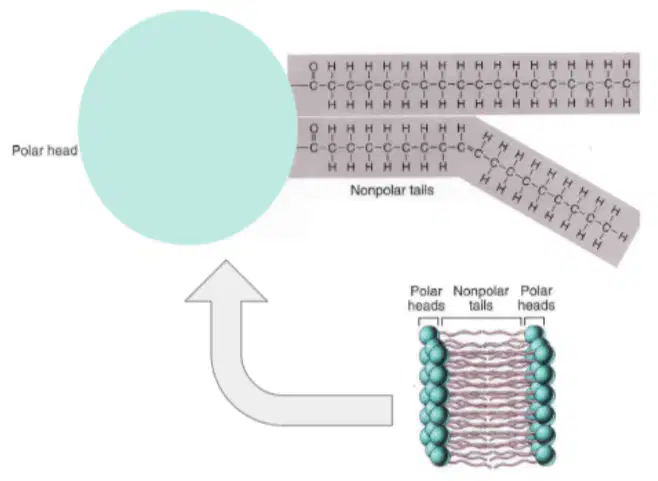
Which statement most likely describes the primary function of the structure based on its molecular composition?
It contains the genetic information needed for protein production.
It catalyzes specific chemical reactions in the cytoplasm of a cell.
It allows a cell to regulate the movement of materials into and out of a cell.
It stores the short term energy that a cell needs to perform various life processes.
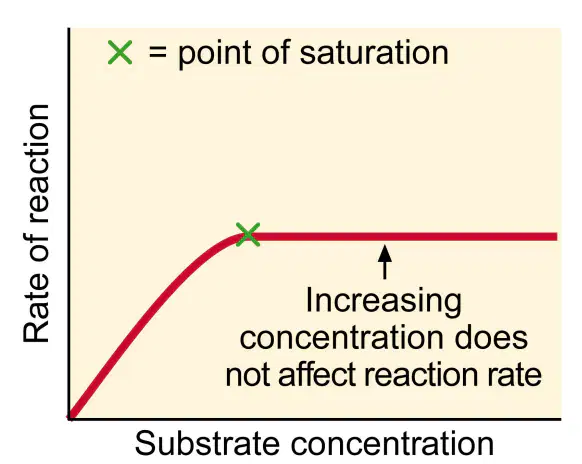
Enzymes bind with chemical reactants, called substrates, when catalyzing a reaction. The diagram below shows the relationship between substrate concentration and reaction rate. Based on the graph, which of the following describes why continually increasing substrate does not lead to a continuous increase in reaction rate?
The rate of the reaction slows down as the enzymes are used up.
The availability of the enzyme is responsible for the rate of the reaction.
The substrate is not at its optimal concentration for the reaction to occur.
The enzyme cannot replicate quickly enough to continually increase the reaction rate.
What macromolecule is embedded in the plasma membrane that helps transport molecules?
Protein
Carbohydrate
Lipid
Nucleic Acid
How do enzymes speed up reactions?
Raises activation energy
Lowers activation energy
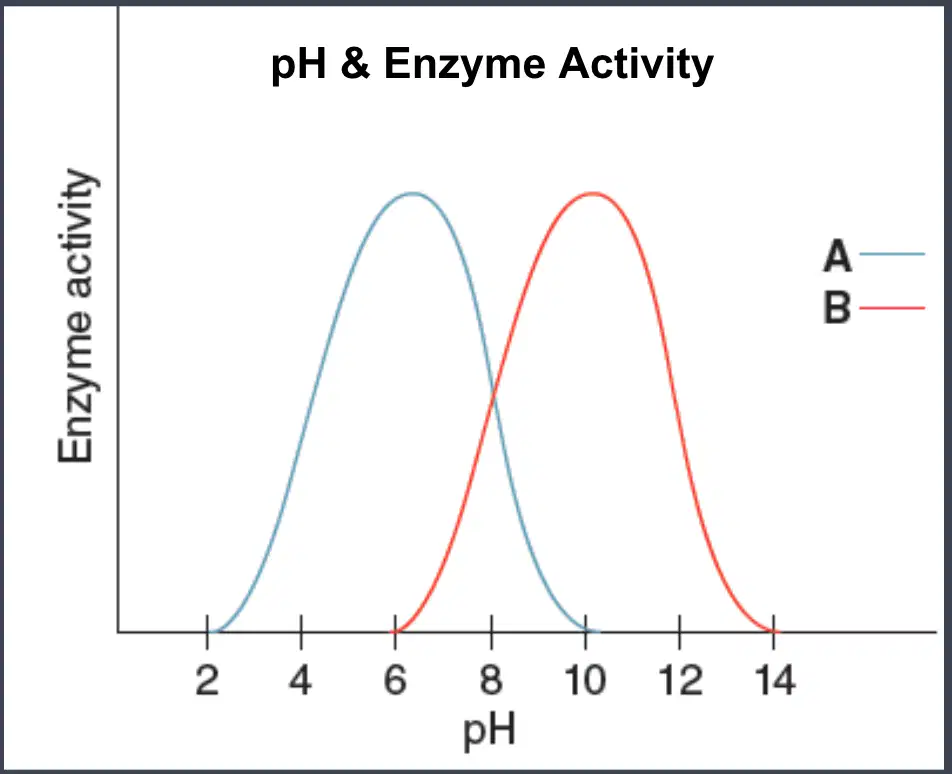
What is the optimum pH of enzyme A?
6
10
14
8
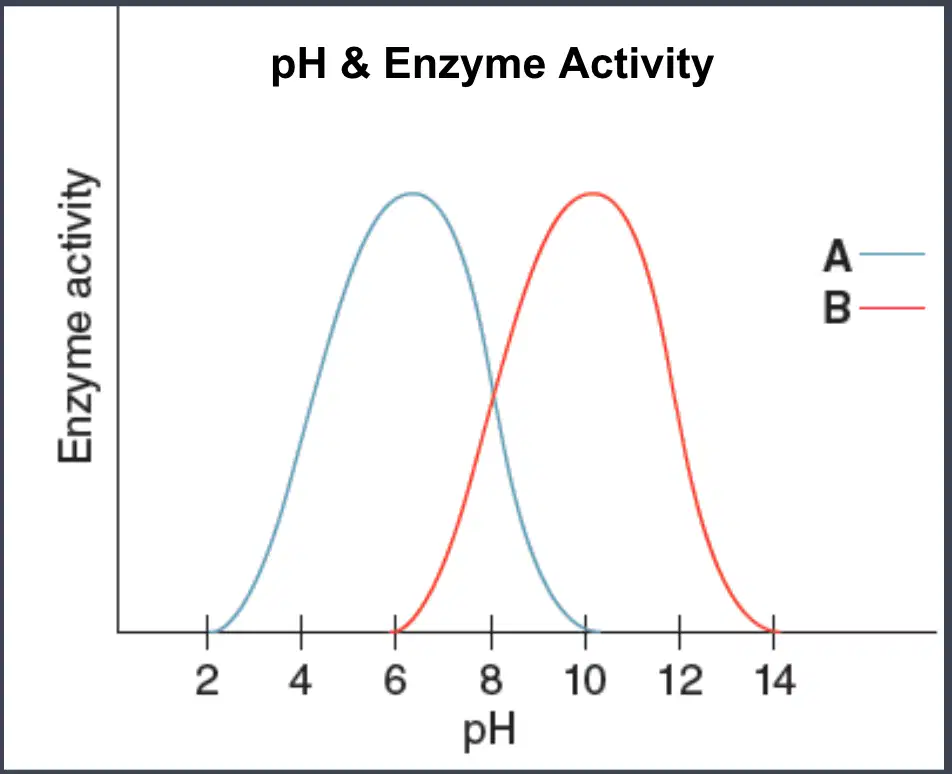
What happens to the activity of enzyme A at a pH of 8?
enzyme will not work as well
enzyme is at the optimum pH
it will denature at a pH of 6
it will become enzyme B
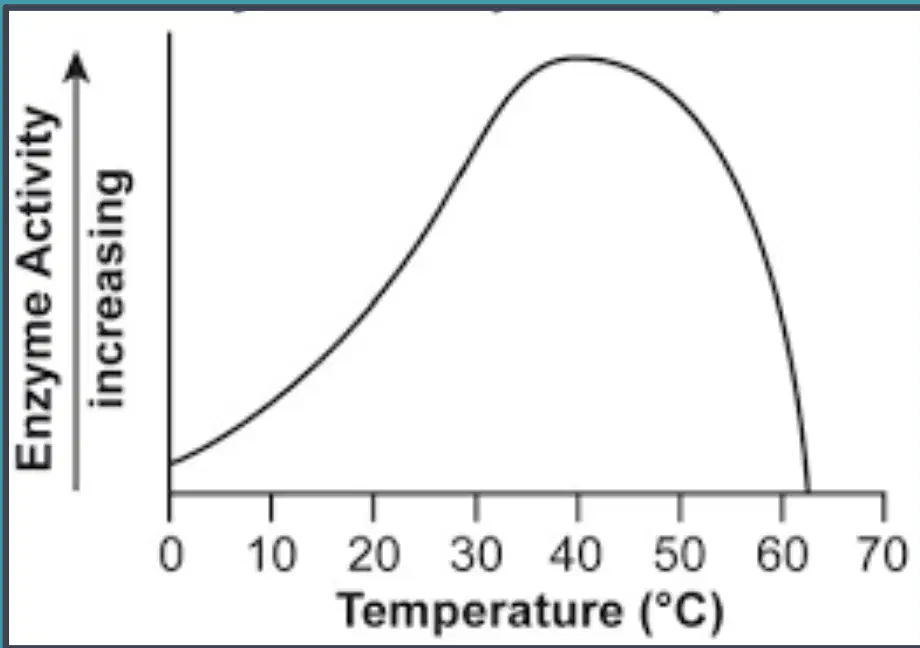
What is the optimal temperature for this enzyme?
10
25
50
40
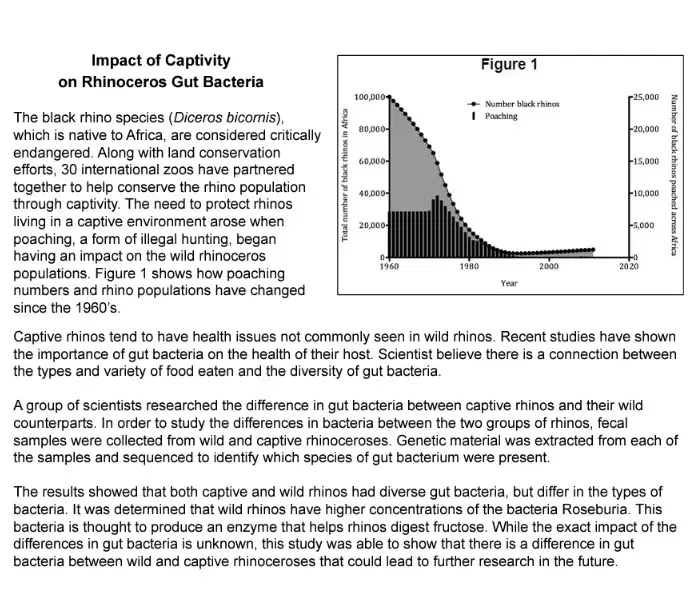
What was extracted to identify the gut bacteria int he rhinos?
genetic material (nucleic acid)
frutose (carbohydrates)
enzyme (protein)
fat (lipids)
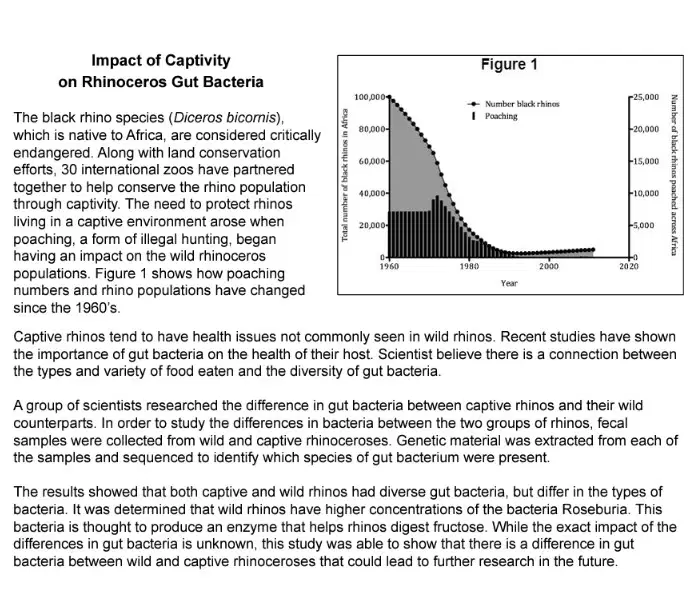
What happened to the availabilty of the enzyme needed to digest fructose?
increase
decrease
stay the same
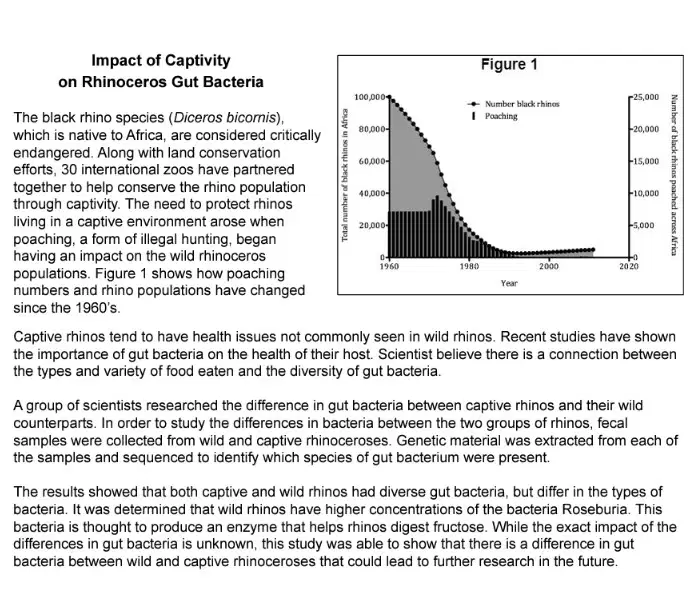
What happened to the carrying capacity of the rhinos?
Hint: Use Figure 1
Increase
decrease
stay the same
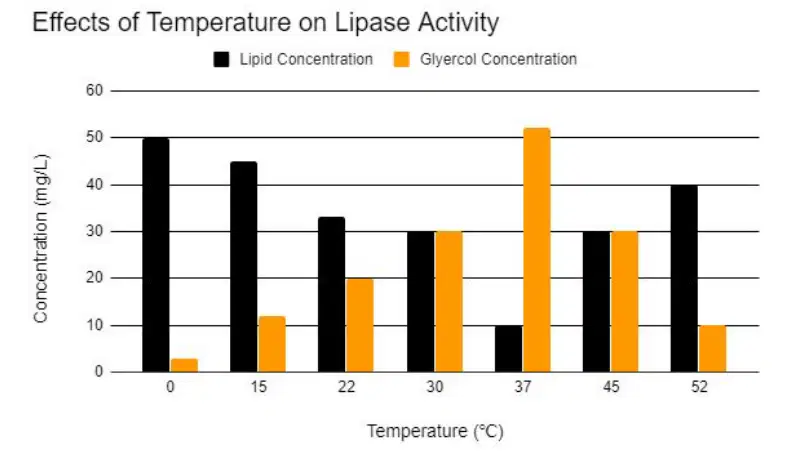
Lipase is an enzyme found in the human digestive tract that breaks down lipids into glycerol. A student tested lipase to see how it functioned at different temperatures. The student then tested each set with indicators which revealed the concentrations of lipids or glycerol. The results are given in the graph. Based on these results, what is the optimal temperature for lipase to function?
0°C because that is where the lipid concentration is the highest.
37°C because that is where the glycerol concentration is the highest.
45°C because that is where the lipid and glycerol concentrations are equal.
52°C because the higher the temperature, the more active the enzymes are.

