
 Worksheets
Chapter 5
Total questions: 20
Worksheet time: 12mins

What is nutrition?
eating healthy
the state of being free from illness or injury.
the process by which the body takes in and uses food
the branch of science that deals with nutrients and nutrition, particularly in humans.
What are 3 reasons good health is important
1.enhances quality of life 2. helps prevent disease 3. have maximum amount of energy and wellness
Difference between hunger and appetite?
(there is 2 right ones)
Hunger is unlearned and you eat because your hungry and appetite is a desire rather than a need to eat
are substances in food that your body needs to grow, repair itself, and supply you with energy
nutrients
vitimans
nutrition
Which of the following are benefits of good nutrition?
Stabilize energy
Decrease concentration
Increase risk of illness
Better academic performance
Even out mood

What is the total calories of one serving for this food item?
Answer choices
230 cal
8 servings
2/3 cup
23 cal
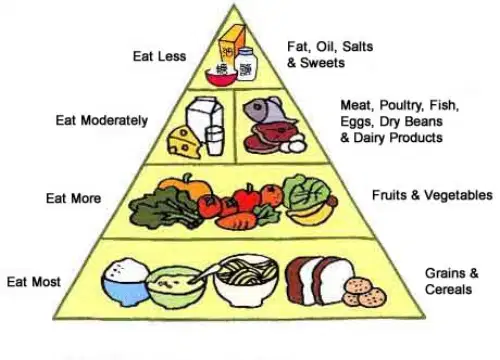
What is the group called were you should be eating most from?
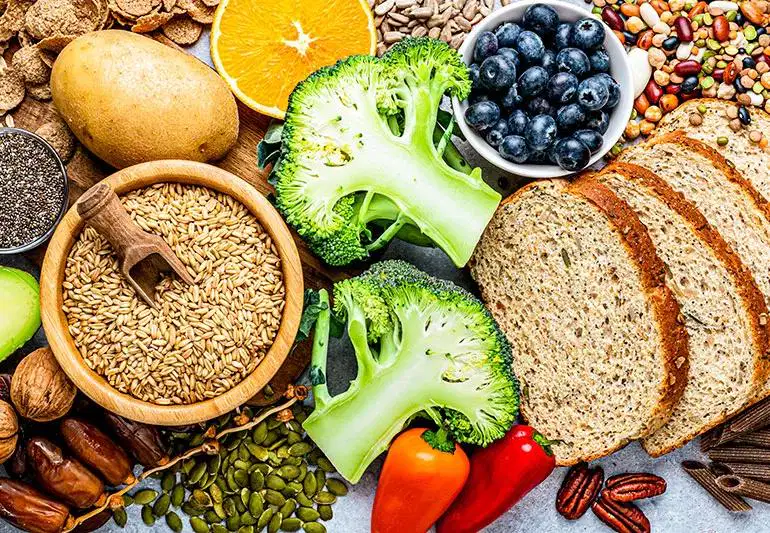
What kinds of foods are high in fiber?
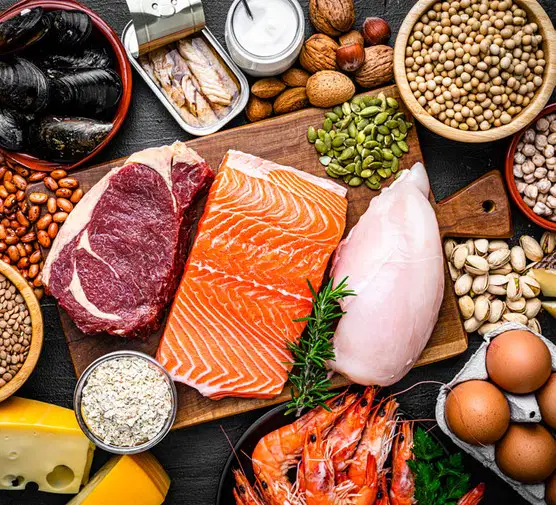
Describe 3 things that proteins do?
Build new cells and tissues replaces, damaged or worn-out cells , make enzymes hormones and antidotes.
are substances in food that your body needs to grow, repair itself, and supply you with energy
nutrients
vitimans
nutrition
What kinds of fats are high in saturated fatty acids?
Palm oils, Palm kernel oil, and coconut oil

What type of vitamins can be stored in the body?
Bad fats can be very unhealthy.
True
False
What foods have fat in them?
Pasta, Rice, Breads, Fruits, and Veggies
A variety of nutrient-dense foods
Butter, Fried Food, Cheese, and Oils
Meat, Eggs, Fish, and Soybeans
Which type of fat is considered healthier than others?
Saturated Fat
Unsaturated Fat
Monounsaturated Fats
Trans Fat
Starch is also a
carbohydrate
fats
vitamins
proteins
Which are called energy giving foods ?
Proteins
Fats
Minerals
Vitamins
Carbohydrates

Describe 3 ways of reducing the risk of a food borne illness?
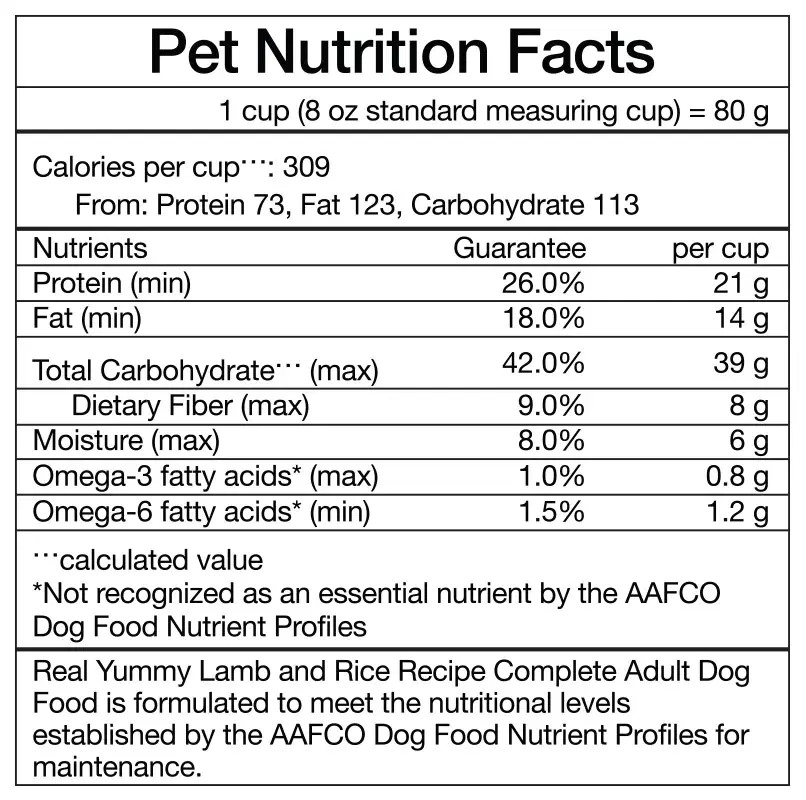
How are food's ingredients listed on most food labels?

