
 Worksheets
Topics 1-2 Review
Total questions: 60
Worksheet time: 3hrs 20mins

Energy in the form of heat, comes from deep inside the Earth's...
Batteries
Core
Crust
Volcanos

Energy in the form of HEAT moves from....
Cold to Hot
Hot to Cold
What are bands of high-speed winds called?
Tornadoes
Hurricanes
Jet Streams
Trade-winds
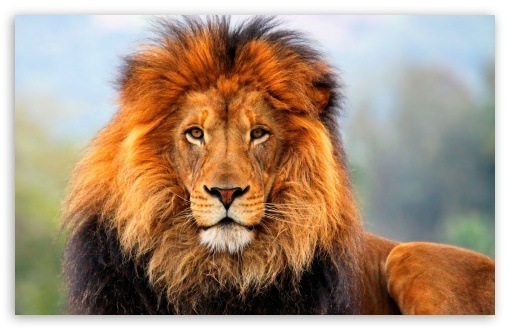
This sphere is composed of all the living things.
Hydrosphere
Biosphere
Atmosphere
Geosphere

This sphere is made of gases (like oxygen) that surround our planet.
Hydrosphere
Biosphere
Atmosphere
Geosphere

When living things breathe, the biosphere is interacting with which of Earth's spheres?
Geosphere
Hydrosphere
Atmosphere
Biosphere

This picture is part of the....
Geosphere
Biosphere
Hydrosphere
Cryosphere

Which of the following interactions is between the biosphere and hydrosphere?
Beavers building dams.
Kids riding boats in a lake at summer camp.
Sea turtles migrating in the ocean.
All of the above.
Forces that wear down or destroy landmasses are....
energy
system
destructive forces
constructive forces
Is a volcano a constructive or destructive force?
constructive
destructive
neither
both
Sarah learned that natural forces are normally either destructive, like a volcano, or constructive, like mountain ranges. However, she read that water can be considered both a constructive and destructive force. In what way can water be a destructive force?
creating a lake
depositing sediment
forming a delta
erosion of landforms
What 2 spheres are interacting in a flowing river?
hydrosphere/geosphere
biosphere/atmosphere
hydrosphere/cryosphere
biosphere/hydrosphere
Which events are examples of both destructive and constructive forces? (Pick 2)
Landslides
Earthquakes in China
Volcanic eruption in Iceland
Mining disaster of West Virginia

What are ocean currents?
Gerat ocean flood presure depressions
Inexhaustible sources of energy
Ecological shields
They are like great rivers that flow through the oceans
In the water cycle, what is the term for surface water being heated by the sun, rising and turning from a liquid to gas?
Precipitation
Condensation
Evaporation
Groundwater flow
Surface runoff

What is it called when plants give off water vapor through pores in their leaves?
As a part of the water cycle, water from Earth's surface enters the clouds and finally falls back to the ground in the form of rain. What is the correct sequence of processes water undergoes?
Evaporation, Condensation, Precipitation
Precipitation, Condensation, Evaporation
Condensation, Evaporation, Precipitation
Evaporation, Precipitation, Condensation

What process is happening step A?
transpiration
evaporation
condensation
accumulation
What process is happening step B?
transpiration
precipitation
condensation
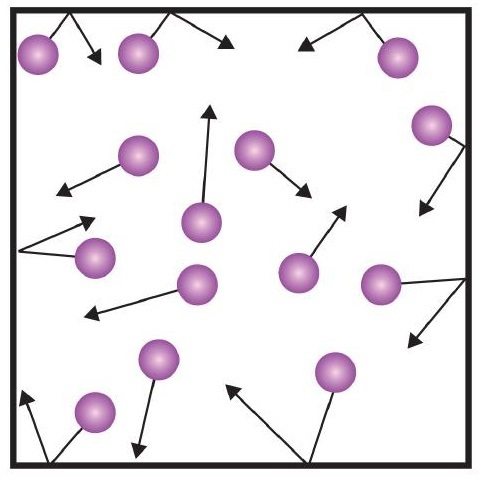

What is Air Pressure?
the push of air in all directions at all times
the amount of mass in a given volume
a tool used to measure air pressure
something that exists and we know nothing about
What is altitude?
The height above sea level
the depth of the sea
how strong air pressure is
the strength of air pressure
What happens to air pressure as altitude increases?
air pressure decreases
air pressure increases
air pressure doesn't change
What happens to air density as altitude increases?
air density increases
air density decreases
nothing happens
Fewer molecules farther apart from each other, means density is:
high
low
As you climb up a mountain what happens to the air pressure?
air pressure decreases (it goes down)
air pressure increases (it goes up)
air pressure stays the same
Air particles tend to move from areas of _____ pressure to areas of _____ pressure until the pressures are equal.
same, unequal
low, high
high, low
medium, large

What process is happening in number 6?
transpiration
evaporation
condensation
accumulation

What is number 1 in the diagram?
condensation
evaporation
runoff
precipitation

What is number 3 in the diagram?
evaporation
precipitation
surface runoff
condensation
The movement of water between the atmosphere and Earth’s surface.
rock cycle
continental drift
water cycle
humidty
High Pressure is associated with this type of weather...
Cloudy/Overcast Weather
Cold Weather
Warm Weather
Sunny Weather
A continental air mass form over the.....
Ocean
Land
Atmosphere
Under Water
A maritime airmass form over the.....
Ocean
Land
Atmosphere
Under Water
Hot air travels......
Up
Down
Does not move
Cold air travels.......
Up
Down
Does not move
Cold air travels down and creates a/an ______ pressure system
High
Low
Even
Hot air travels up and creates a/an _____ pressure system
High
Low
Even
Type of air mass: cold and dry
Continental polar
Continental arctic
Maritime polar
Maritime Tropical
Type of air mass: Cool and moist
Continental Polar
Maritime Polar
Continental Tropical
Maritime Tropical
Type of air mass: hot and very dry
Continental tropical
Continental polar
Maritime polar
Maritime tropical
Type of air mass: warm with abundant moisture
Maritime polar
Maritime Tropical
Continental Polar
Continental Tropical
When air masses collide is called what?
Air Mass
Front
Weather
Climate
Type of front: two cold air masses collide and forces warm air up.
Cold
Warm
Occluded
Stationary
Type of front: when warm air overtakes cold air
Warm
Cold
Occluded
Stationary
Type of front: Cold air overtakes warm air
Cold
Warm
Occluded
Stationary
Type of front: two air masses collide but neither is being overtaken
Warm
Cold
Occluded
Stationary
If a person is describing the daily changes in temperature and precipitation, they are referring to an area's —
Geology
Climate
Geography
Weather

