
 Worksheets
Y9 Atomic Structure and Chemical Reactions Revision
Total questions: 150
Worksheet time: 2hrs 30mins

This picture represents a
neutron
electron
proton
atom

What is the mass number of the element nitrogen? It has 7 protons, 7 neutrons, and 7 electrons.
7
14
21
Elements are pure substances. They are made up of
only 1 type of atom.
2 types of atoms.
more than 2 types of atoms.
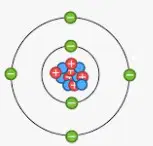
The green subatomic particles with negative charges are
protons
neutrons
electrons
atoms
___________ has mass and takes up space.
Chemistry
Matter
Heat
Light

Silicon has a mass number of 28 and an atomic number of 14. How many protons does it have?
28
14
42
7
Electrons, protons, and neutrons are
elements
pure substances
subatomic particles
all the same
Which is true of neutrons?
They have a positive charge and are located in the nucleus.
They have no charge and are located in the nucleus.
They have a negative charge and are located in orbit.
They have no charge and located in orbit.

How many protons, neutrons, and electrons does sulfur have? It's atomic number is 16 and it's atomic mass is 32.
16 protons, 16 neutrons, and 16 electrons
16 protons, 32 neutrons, and 16 electrons
16 protons, 16 neutrons, and 32 electrons
32 protons, 16 neutrons, and 16 electrons.
The nucleus
is located in the orbit of the atom.
has a negative charge.
is the center of the atom.
has all the subatomic particles.
Protons and neutrons
are located in orbit.
both have no charge.
are located in the nucleus.
both have a negative charge.

How many protons does chlorine have?
35
36
17
18
Atom that is no longer neutral because it has gained or lost electrons.
neutral atom
ion
isotope
The ________ is the small area in the center of an atom in which most of an atom's mass and positive charge is concentrated.
electron cloud
nucleus
neutron
proton
What is an atomic particle with no charge?
an electron
a neutron
an atom
a quark
What is an atomic particle with one positive charge?
an electron
a proton
an atom
a quark
The smallest piece of an element that still represents that element is
an electron
a proton
an atom
a quark
What is nuclear decay?
The process of gaining or losing electrons
The process that occurs when an unstable atomic nucleus changes into another more stable nucleus by emitting radiation
The increase in the mass number of an atom
The process of an atom splitting into two or more smaller atoms
What does the term "radioactive" describe?
Elements that emit radiation when exposed to external force
Elements that spontaneously emit radiation
Elements that are stable and do not emit radiation
Elements that absorb radiation
What is the mass number?
The number of protons in an atom
The average mass of an element's isotopes
The number of neutrons in an atom
The sum of protons and neutrons in an atom
What is an isotope?
An atom that has gained or lost electrons
An atom with a different number of protons
Any of two or more atoms of the same element that have different numbers of neutrons
The smallest piece of an element that still represents the element
What does the atomic number of an element represent?
The sum of protons and neutrons in an atom
The average mass of an element's isotopes
The number of protons in an atom of an element
The number of neutrons in an atom
What is an electron?
Neutral particle in the nucleus of an atom
Atomic particle with one positive charge (1+)
Atomic particle with one negative charge (1-)
Smallest piece of an element that still represents the element

The image shows the periodic grid of potassium. How many electrons are found in the potassium atom?
19
20
39
40
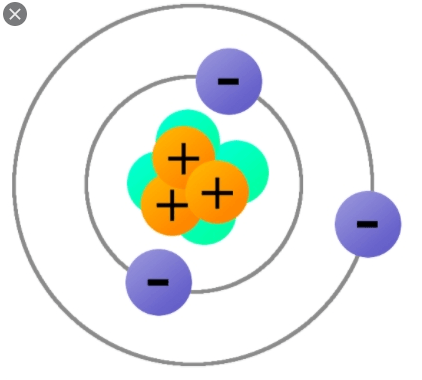
Which part of an atom is represented by the blue circles?
electrons
neutrons
protons
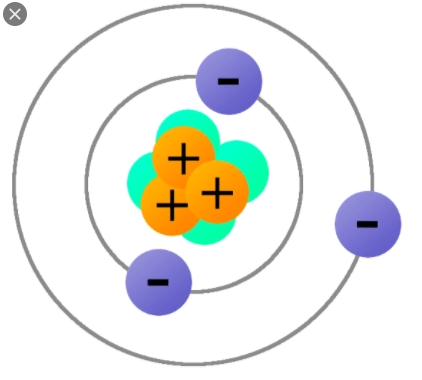
Which part of an atom is represented by the orange circles?
electrons
neutrons
protons
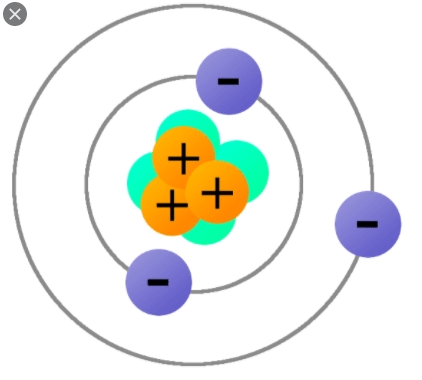
Which part of an atom is represented by the green circles?
neutrons
protons
electrons

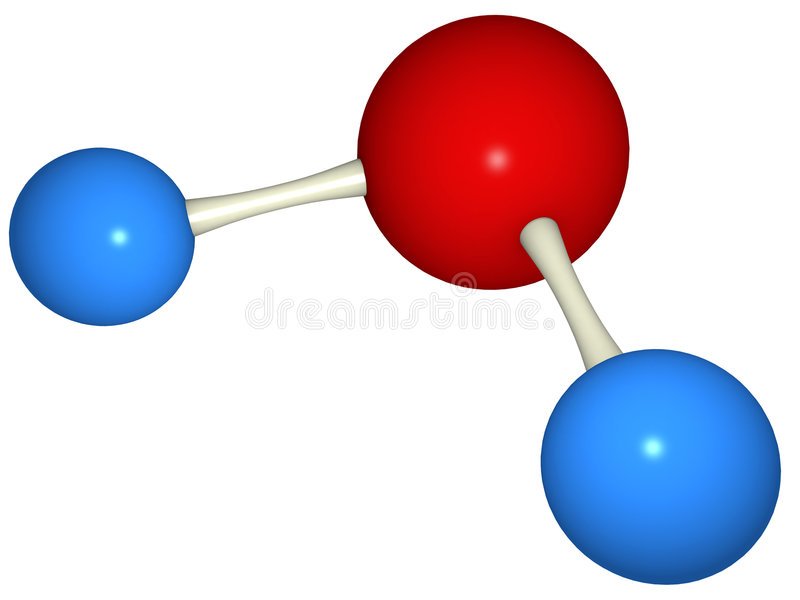
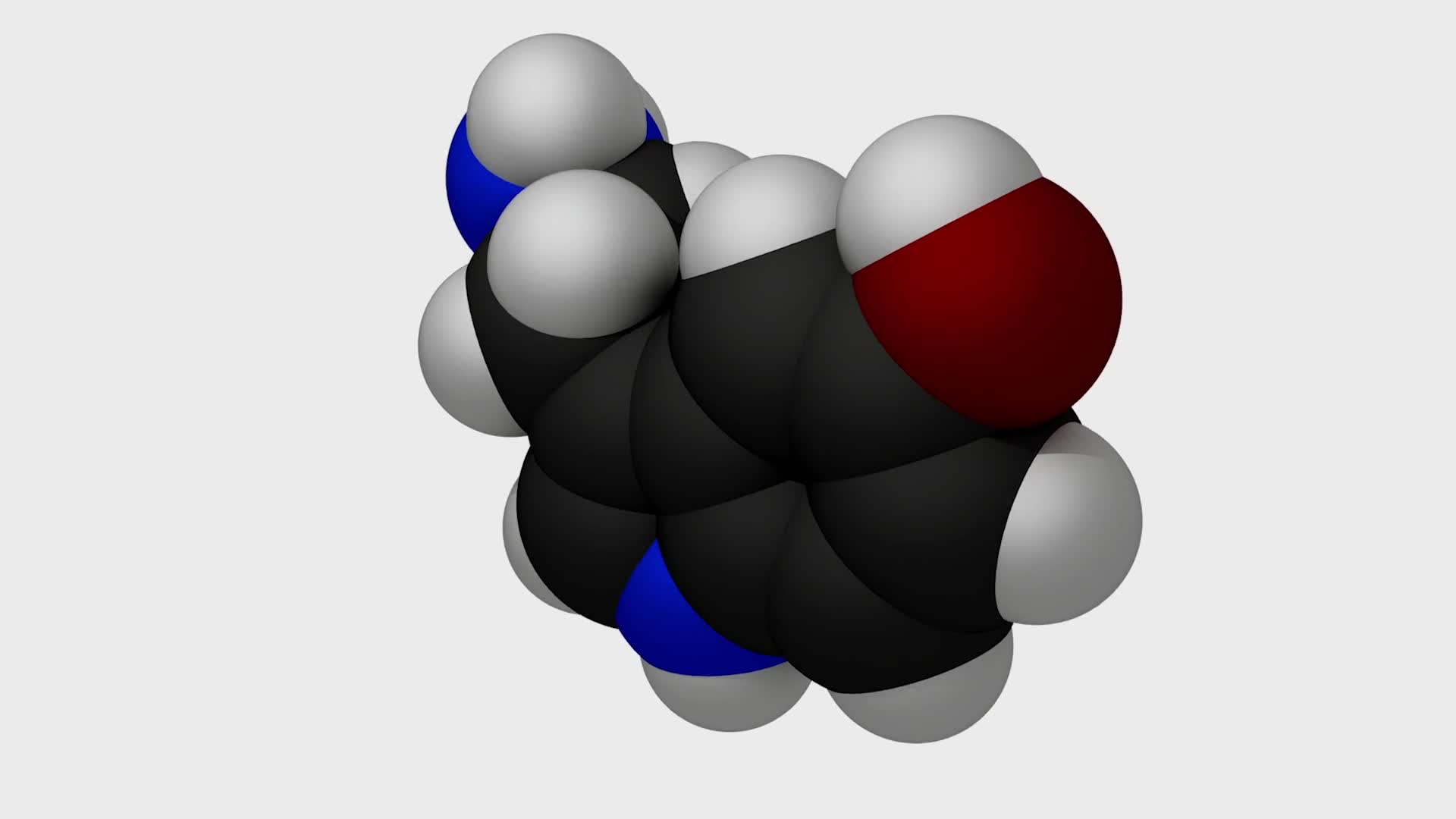
What is the picture displayed?
compound
element
molecule
How many elements are in C6H12O6?
1
2
3
6

The atomic number of Neon is 20
True
False

Which of the statements is incorrect about the image?
The mass number is 31
It has 15 electrons
The element name is potassium
It has 16 neutrons

Write, in words, how many neutrons beryllium has
(a)
How would H2O be classified? Check all that apply.
Atom
Molecule
Compound

What is an ion?
An atom that has gained or lost an electron.
An atom that has gained or lost a neutron.
An atom that has gained or lost a proton.
An atom that is electrically neutral.
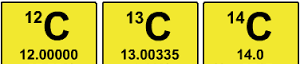

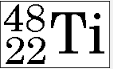

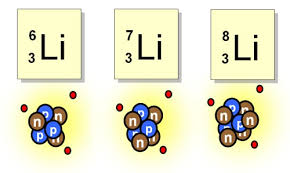
Which atom has 4 neutrons?
Li-6
Li-7
Li-8
they have the same # of neutrons
Bromine-80 has how many neutrons?
41
42
44
45
How do you calculate mass number?
Mass x percent
Protons + Electrons
Protons + Neutrons
Neutrons + Protons + Electrons

A radioactive atom is any atom that contains an unstable _____.
energy level
nucleus
orbital
electron

What is the mass number of this isotope?
131
53
184
78
An alpha particle is made up of
2 protons and 4 neutrons
1 proton and 1 neutron
2 protons and 2 neutrons
4 protons and 2 neutrons
alpha, beta, gamma
What is an isotope
An atom with the same number of neutrons different number of protons
An atom that has lost or gained an electron
An atom with the same number of protons, different number of neutrons
An atom with the same number of electrons and different neutrons

The diagram shows radioactive waste thrown into the ocean that causes mutations in aquatic life. Why does this happen?
Radiation can damage cells & DNA
The energy released heated the seawater.
The fish used the radiation to treat cancer.
Radiation therapy can be used to treat what condition?
acne
cancer
indigestion
The term given to unstable radioactive atoms.
Parent
Daughter
Half Life
Igneous
The % of the parent isotope remaining after 3 Half Lives.
50%
25%
12.5%
6.25%
The % of the parent isotope remaining after 1 Half Life.
50%
25%
12.5%
6.25%
The % of the parent isotope remaining after 2 Half Lives.
50%
25%
12.5%
6.25%
After one half life, a sample will begin to have more of the parent isotope than the daughter isotope.
TRUE
FALSE
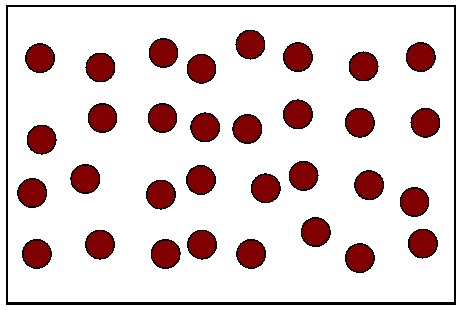
The diagram shows 32 atoms
32 of the Red are the parent isotope
0 of the atoms are daughter isotopes
How many half-lives have occurred?
0
1
2
3
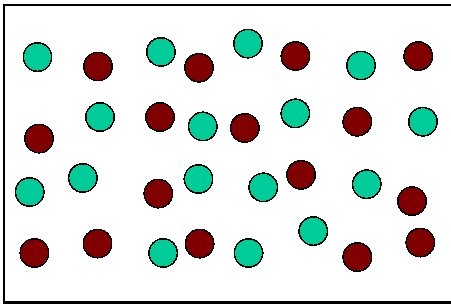
The diagram shows 32 atoms.
16 of the Red are parent isotopes
16 of the Green are daughter isotopes
How many half-lives have occurred?
0
1
2
3

The diagram shows 32 atoms
8 of the Red are parent isotopes
24 of the Green are daughter isotopes
How many half-lives have occurred?
0
1
2
3
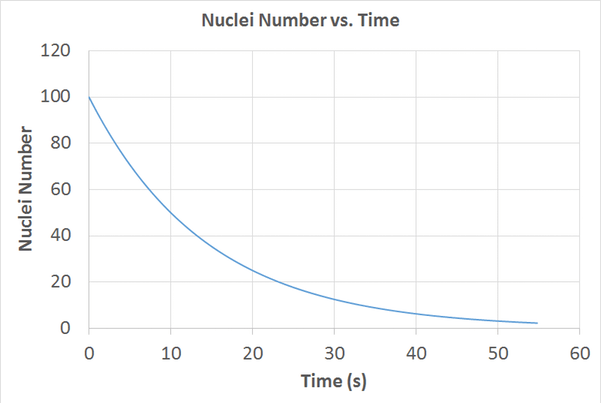
What is the Half life of this isotope?
5 seconds
10 seconds
15 seconds
20 seconds
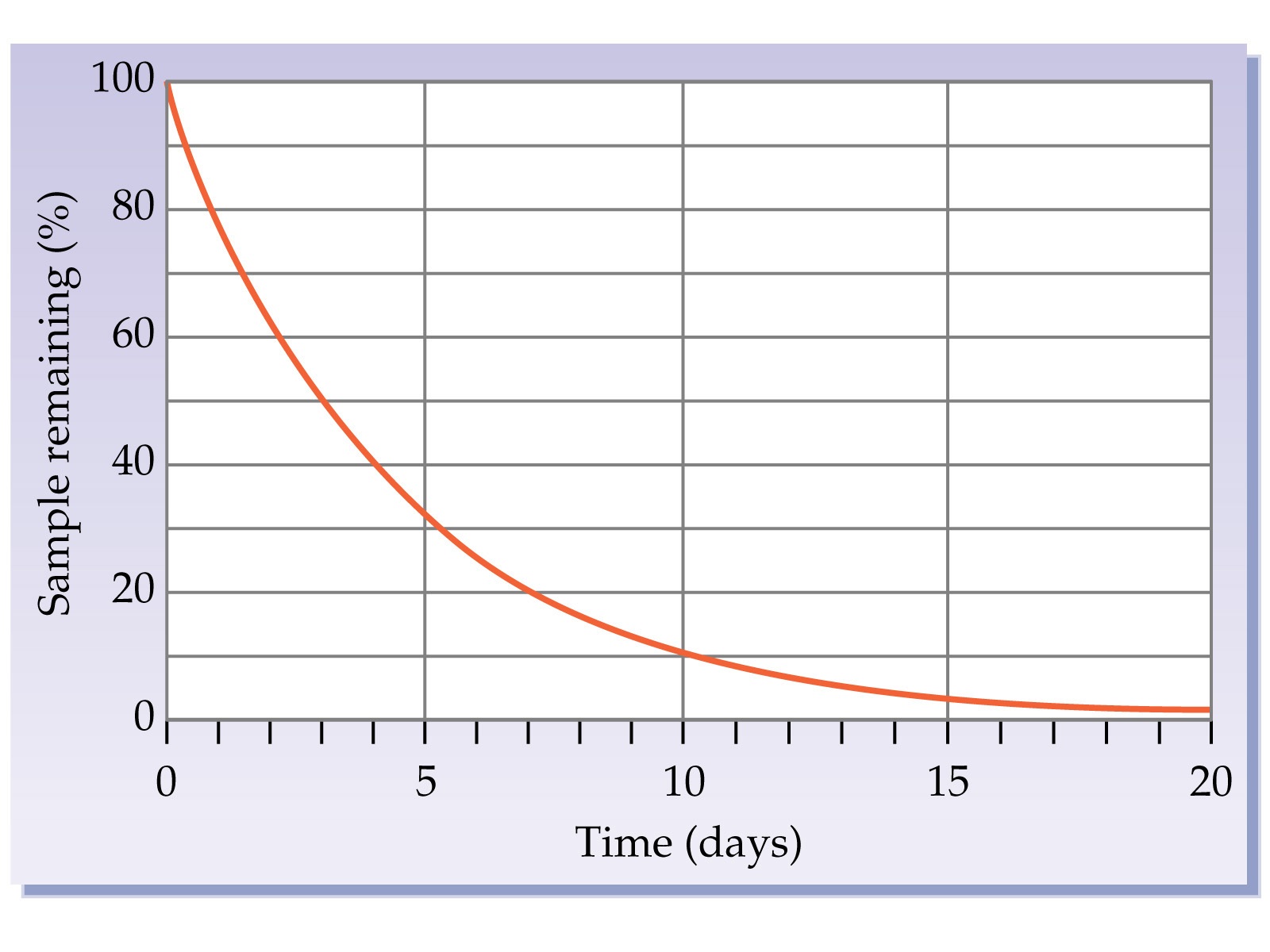
What is the Half Life of this isotope?
3 days
5 days
8 days
10 days

The Half Life of Californium 252 is 5 years.
TRUE
FALSE
An alpha particle consists of:
2 protons
A high speed electron
A wave
2 protons and 2 neutrons
Beta radiation is:
2 protons
A high speed electron
A wave
2 protons and 2 neutrons
Gamma radiation is:
2 protons
A high speed electron
A wave
2 protons and 2 neutrons
Alpha is stopped by:
Thick lead
Thin paper
A few cm of air
Aluminium
Beta is stopped by:
Aluminium
Paper
Lead
Concrete
Gamma is mostly stopped by:
A few cm of air
Thick lead
Aluminium
Paper
The rate at which nuclear decay takes place is called:
gamma decay
quarter life
half-life
isotope
Acids are neutralised by...
Bases
Metals
Water
Hydrogen gas
Bases are neutralised by...
Acids
Metals
Water
Hydrogen gas
Acids have a pH
greater than 7
lower than 7
equal to 7
Bases have a pH...
greater than 7
lower than 7
equal to 7
When equal amounts of acid are mixed with a base they produce a solution with a pH...
Greater than 7
Lower than 7
Equal to 7
Acids release...
Hydrogen ions
Hydroxide ions
Sodium ions
Hydrogen gas
Bases release...
H+
OH-
H2
Neutral solutions have a pH of:
0
1
7
14
Which is true?
pH of less than 7 is basic; pH of more than 7 is acidic
pH of less than 7 is acidic; pH of more than 7 is basic

Vinegar, fruit juice, and cola are examples of:
strong acids
strong bases
strong bases
weak acids
NaOH may be found in drain cleaners and as a component of soaps. Is NaOH an acid or a base?
Acid
Base
Neither (Neutral)
pH is the measure of the concentration of ______.
Acids
H+ ion
OH- ion
Bases
A substance is found to have the following characteristics:
Very bitter taste
Feels slippery to the touch
Produces OH- ions when dissolved in water
In what category would the substance be classified?
acid
base
enzyme
fatty acid
Metal + Acid -> ___ + ___
Salt + Hydrogen
Metal Hydroxide + Hydrogen
Metal Oxide + Hydrogen
Metal Carbonate + Hydrogen
Sodium + Hydrochloric acid ->
Sodium chlorine
Sodium chlorine + hydrogen
Sodium chloride + hydrogen
Sodium chloride
Lithium + nitric acid ->
Lithium nitride + hydrogen
Lithium nitric + hydrogen
Lithium nitrogen + hydrogen
Lithium nitrate + hydrogen
Zinc + sulphuric acid ->
hydrogen + Zinc sulphate
Zinc sulphide + hydrogen
Zinc Sulphur + hydrogen
Zinc sulphate + helium
What is always a product when a metal reacts with an acid?
(a)
___ + _____ -> sodium nitrate + hydrogen
Sodium + nitric acid
Sodium + nitrate
Sodium + sulphuric acid
Sodium + hydrochloric acid
Lead + ____ -> Lead sulphate + hydrogen
nitric acid
sulphuric acid
hydrochloric acid
citric acid
Hydrochloric acid + (a) -> Iron Chloride + hydrogen
When a metal + acid react, hydrogen and what is produced?
(a)
The formation of a new substance is an example of
a chemical reaction
a physical change
The materials produced by a chemical reaction are called
ingredients
products
materials
reactants
Total number atoms in reactants = total number atoms in products
True
False
In elephants toothpaste a chemical reaction occurs
hydrogen peroxide → water + oxygen gas
Which of the following indicates the reactant(s)?
water and oxygen gas
hydrogen peroxide, water and oxygen gas
hydrogen and peroxide
hydrogen peroxide
In elephants toothpaste a chemical reaction occurs
hydrogen peroxide → water + oxygen gas
Which of the following indicates the products(s)?
water and oxygen gas
hydrogen peroxide, water and oxygen gas
hydrogen and peroxide
hydrogen peroxide
*choose multiple answers*
In the experiment 'elephants toothpaste' a chemical reaction occurs. What signs were there that a chemical reaction had occurred?
temperature change
the atoms were seen moving
precipitate formed
release of gas
In an endothermic reaction, energy is _________.
absorbed
released
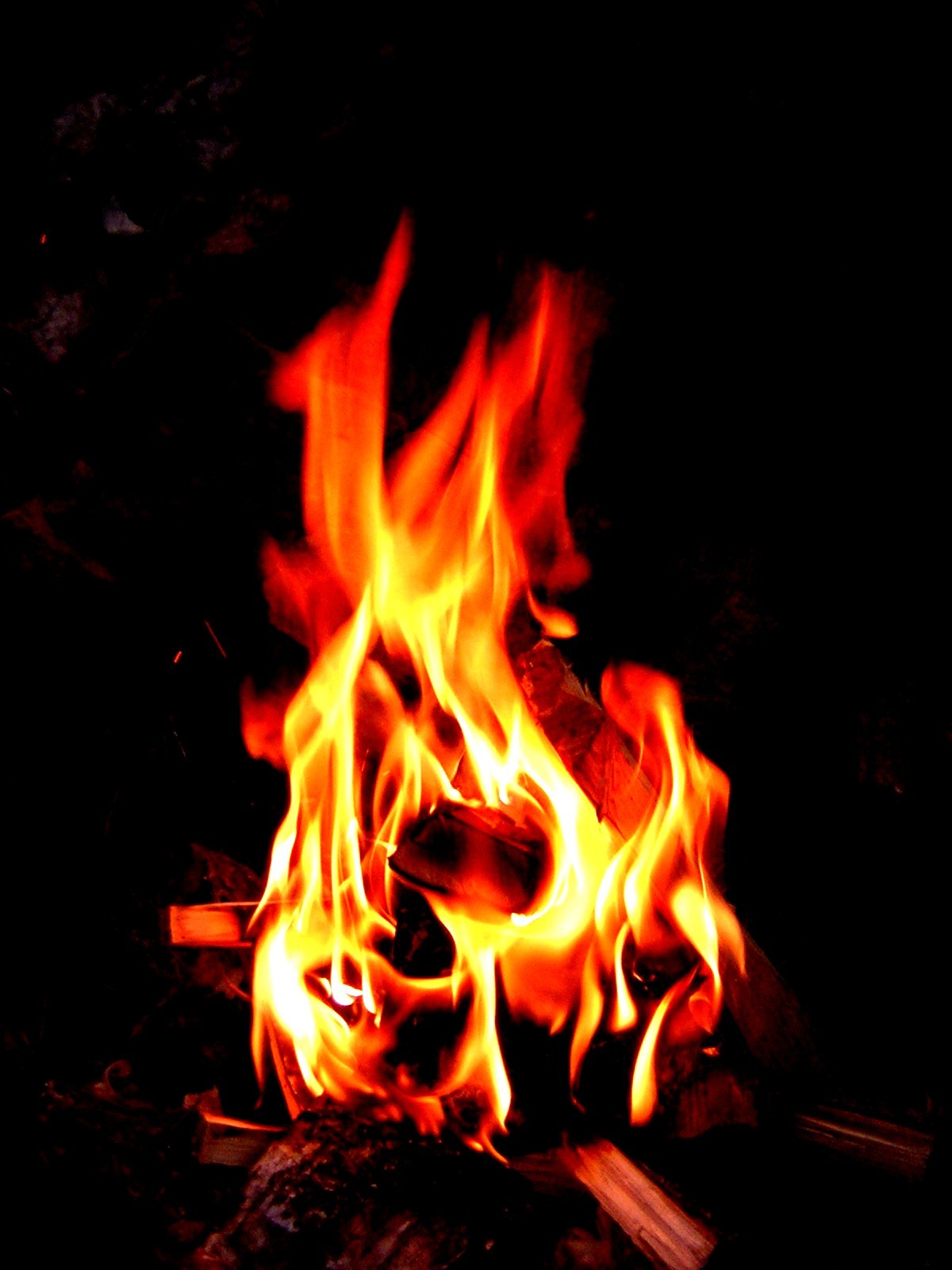
_____ reactions usually feel hot!
endothermic
exothermic
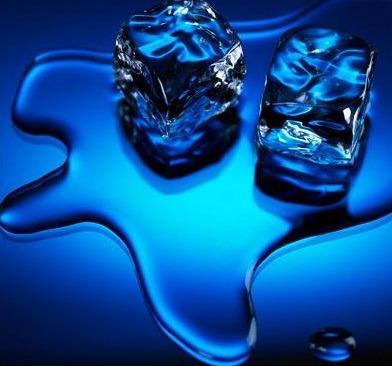
____ reactions usually feel cold.
endothermic
exothermic
During an exothermic reaction, heat is _________ and chemical bonds __________.
released, formed
absorbed, broken
released, broken
absorbed, formed
During an endothermic reaction, heat is ________ and chemical bonds _______.
released, formed
absorbed, broken
released, broken
absorbed, formed
Exo means out or ________.
absorbed
released
Endo means in or _______.
absorbed
released
What instrument would you use to detect an endothermic or exothermic reaction?
triple beam balance
ruler
thermometer

A melting ice cube is an example of
exothermic
endothermic
none
both

Frying an egg is an example of
exothermic reaction
endothermic reaction
both
none

Energy is released during the process of cellular respiration. This is an example of an ___________ reaction.
endothermic
exothermic

The graph above is from which type of reaction?
Endothermic reaction
Exothermic Reaction

The graph above is from which type of reaction?
Endothermic reaction
Exothermic reaction

A sunflower makes food during photosynthesis.
exothermic
endothermic
What is NOT product of complete combustion?
carbon dioxide
water
carbon monoxide
water
This type of combustion occurs when there is a limited supply of oxygen
Complete Combustion
Incomplete Combustion
The product(s) of complete combustion of any hydrocarbon is/are _________________.
I. water
II. carbon dioxide
III. carbon monoxide
I
III
I and II
I and III
Incomplete combustion is harmful to humans because it ___________________.
increases the level of sugar in the blood
produces large amounts of carbon dioxide
decreases the amount of sugar in the blood
produces carbon monoxide that reduces the level of oxygen in the blood
Combustion is classified as a/an:
endothermic reaction
exothermic reaction
neutralisation reaction
acid + metal reaction
The general equation for a combustion reaction is:
methane + oxygen --> carbon dioxide + water
fuel --> carbon dioxide + oxygen
fuel + oxygen --> carbon dioxide + water + ENERGY
fuel + carbon dioxide --> oxygen + water
propane + oxygen --> carbon + water + carbon monoxide
complete combustion
incomplete combustion
methane + oxygen --> carbon dioxide + water
complete combustion
incomplete combustion
If a flame is giving off smoke, this type of combustion is occurring...
Complete combustion
Incomplete combustion
2H2 + O2 --> 2H2O
How much H2O will be produced if we react 4g of H2 and 32g of O2?
What are the products of photosynthesis?
carbon dioxide and water
glucose and oxygen
sunlight and water
glucose and carbon dioxide
Which of these equations BEST shows the reactants and products of cellular respiration?
carbon dioxide + water > sugar + oxygen
water + oxygen > sugar + carbon dioxide
sugar + oxygen > carbon dioxide + water
sugar + carbon dioxide > oxygen + water
Glucose and Oxygen are ___?
the products of photosynthesis and the reactants of respiration
the reactants of photosynthesis and the product of respiration
involved in only respiration
involved in only respiration

