
 Worksheets
Biology Semester B Exam Review
Total questions: 155
Worksheet time: 2hrs 23mins
Name
Class
Date
1.

Genotype refers to the ...
a)
physical expression of the genes
b)
the possible combination of alleles in a gene
c)
whether an allele is dominant or recessive
d)
how an organism will appear
2.
What is a phenotype
a)
The genetic make up (code)
b)
The physical trait
3.
having two of the same genes for the trait (sometimes called purebred).
a)
homozygous
b)
hetrozygous
c)
protein
d)
chromosome
4.
having two different genes for a trait (sometimes called hybrid).
a)
protein
b)
homozygous
c)
heterozygous
d)
genotype
5.
G = green, g = yellow
The genotype for a yellow plant is...
The genotype for a yellow plant is...
a)
GG
b)
Gg
c)
gg
d)
all of the choices result in yellow
6.

Term for an organism that display two dominant phenotypes at the same time
a)
codominance
b)
incomplete dominance
c)
multiple alleles
d)
linked genes
7.
Sex cells are produced through the process of
a)
mitosis
b)
cytokinesis
c)
binary fission
d)
meiosis
8.
What does heterozygous mean?
a)
An organism that has the same genes for a trait (TT or tt)
b)
An organism that has different genes for a trait (Tt)
c)
When neither gene is fully dominant; offspring is a mixture of both
d)
the different forms of a trait (hair color--> brown, blonde, red
9.
Incomplete dominance means that the traits are
a)
expressed equally
b)
dominant
c)
recessive
d)
blended
10.
Which of the following is homozygous dominant?
a)
Yy
b)
Y
c)
yy
d)
YY
11.
An allele whose trait only shows up when no dominant allele is present.
a)
hidden allele
b)
dominant allele
c)
recessive allele
d)
present allele
12.
Natural selection is when ____________ decides who survives and who doesn't
a)
nature
b)
humans
c)
animals
d)
years
13.
A homozygous dominant dog with brown fur is crossed with a heterozygous dog with brown fur. What are the percentages of the possible genotypes?
a)
100% BB
b)
75% BB and 25%Bb
c)
50 % BB and 50% Bb
d)
50% Bb and 50% bb
14.

An offspring will receive how many alleles from each parent to determine a specific trait?
a)
one
b)
two
c)
three
d)
five
15.
Which of the following is a phenotype?
a)
BB
b)
Bb
c)
bb
d)
Blue eyes
16.
Magda is a tall, 11 year old drummer. She has a scar on her right cheek. She is good at swimming. Which of her traits did Magda most likely inherit?
a)
height
b)
the scar
c)
ability to swim
d)
ability to play drums
17.
A sudden change in the molecular structure of a gene, called a(n) ________, may occur spontaneously or may be caused by an environmental event such as radiation.
a)
devastation
b)
deviation
c)
mutation
d)
alteration
18.
Females-XX; MalesXY. A couple has 4 girls. What is the chance the next child will be a boy?
a)
75%
b)
100%
c)
25%
d)
50%
19.

In a pedigree, what shape represents a male?
a)
circle
b)
square
c)
triangle
d)
diamond
20.

Lisa has two grandmothers in this picture.
a)
Mona and Jackie
b)
Marge and Mona
c)
Selma and Jackie
d)
Patty and Selma
21.

How many girls in this family express this recessive disorder?
a)
4
b)
5
c)
6
d)
7
22.

What is the relationship between a protein, the cell, and DNA?
a)
DNA is produced by protein which is produced in the cell
b)
Protein is composed of DNA which is produced in the cell
c)
DNA controls the production of protein in the cell
d)
A cell is composed of DNA and protein
23.

The primary function of the chromosome is to...
a)
relay messages between different cells in animals.
b)
transport waste materials rapidly out of the cell.
c)
release energy by breaking down food molecules.
d)
store the genetic instructions needed to specify traits.
24.
The primary function of the chromosome is to...
a)
relay messages between different cells in animals.
b)
transport waste materials rapidly out of the cell.
c)
release energy by breaking down food molecules.
d)
store the genetic instructions needed to specify traits.
25.

Purebred is another word for __________, while hybrid is another word for __________.
a)
dominant; recessive
b)
recessive; dominant
c)
homozygous; heterozygous
d)
heterozygous; homozygous
26.

What is the haploid number for this Karyotype?
a)
26
b)
27
c)
52
d)
54
27.
A zygote has 4 chromosomes, how many chromosomes were in the gametes?
a)
2
b)
4
c)
8
d)
1
28.
What would indicate a normal human male?
a)
XX
b)
X
c)
XY
d)
XXY
29.
Which would be considered a somatic cell?
a)
Sperm cell
b)
Egg Cell
c)
Skin Cell
d)
All of these
30.
Which of the following would be considered a Gamete cell?
a)
Egg Cell
b)
Sperm Cell
c)
Both of these
d)
None of these
31.

In guinea pigs, black hair is dominant to white hair and short hair is dominant to long hair. What is the PHENOTYPE RATIO for the offspring in the following cross?
a)
9:3:3:1
b)
1:1:1:1
c)
4:2:2:5
d)
8:2:2:4
32.

In guinea pigs, black hair is dominant to white hair and short hair is dominant to long hair. What are the original genotypes of the PARENTS in this particular dihybrid cross?
a)
Bbss x bbSs
b)
bbSs x BBss
c)
BbSs x BbSs
d)
BBSS x bbss
33.

What is the gender of the individual whose karyotype is seen in the image?
a)
Male
b)
Female
34.

What is the chromosomal condition of the individual whose karyotype is seen in the image?
a)
Turner's Syndrome
b)
Trisomy 21 (Down Syndrome)
c)
Trisomy 13
d)
Trisomy 18
35.

What is the chromosomal condition of the individual whose karyotype is seen in the image?
a)
Trisomy 21 (Down Syndrome)
b)
Trisomy 13
c)
Trisomy 18
d)
Klinefelter's Syndrome
36.
Which of Mendel's laws states that alleles are separated during meiosis?
a)
Law of Dominance
b)
Law of Segregation
c)
Law of Independent Assortment
d)
Law of Meiosis
37.
Which gender is TYPICALLY affected by sex-linked disorders?
a)
Men
b)
Women
38.
What is it called when a sperm and egg meet?
a)
meiosis
b)
fertilization
c)
cell division
d)
mitosis
39.

Which process and type of resulting cells are represented?
a)
mitosis, gametes
b)
mitosis, body cells
c)
meiosis, gametes
d)
meiosis, body cells
40.
If a somatic cell in a butterfly contains 24 chromosomes, a butterfly egg would contain
a)
3
b)
6
c)
12
d)
24
41.
What is another reason we need meiosis?
a)
So the offspring has genes from both parents
b)
So the offspring has genes from one parent
c)
So the offspring has genes from neither parents
d)
So the offspring makes its own genes
42.

Sickle cell anemia is a disorder carried on the X chromosome. What type of inheritance pattern does it follow?
a)
codominance
b)
sex-linked inheritance
c)
multiple allele inheritance
d)
incomplete dominance
43.

ABO blood types are an example of what type of inheritance?
a)
multiple alleles
b)
incomplete dominance
c)
polygenic inheritance
d)
genetic mutations
44.

AB blood type is an example of what type of inheritance?
a)
complete dominance
b)
incomplete dominance
c)
codominance
d)
polygenic inheritance
45.

Colorblindness is a trait that is seen more often in males and is passed to them by their mothers, who may not be colorblind. Colorblindness is...
a)
a codominant trait
b)
a sex-linked trait
c)
carried on the Y chromosome
d)
associated with a dominant allele
46.
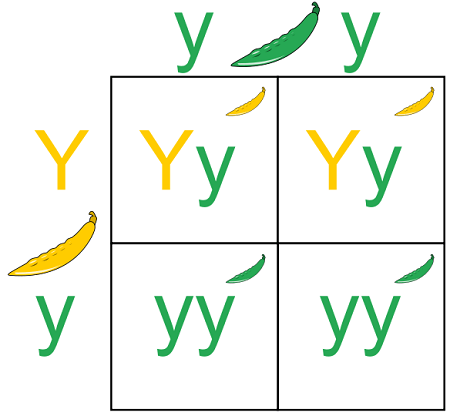
Which choice best represents the genotype of this cross?
a)
1 Yy: 2 yy: 0 YY
b)
2 Yy: 2 yy: 0 YY
c)
3 Yy: 1 yy: 0 YY
d)
1 Yy: 3 yy: 0 YY
47.

This is an example of ___________?
a)
Incomplete dominance
b)
Co-Dominance
48.

This is an example of ___________.
a)
Incomplete Dominance
b)
Codominance
49.
Which of the following is a cause of genetic variation?
a)
mitosis
b)
identical daughter cells
c)
cell membranes
d)
genetic mutations
50.
When a nitrogen base is added to a gene, this is called a __________ mutation.
a)
deletion
b)
insertion
c)
substitution
d)
point
51.
Genetic mutations can be...
a)
beneficial, harmful, or neutral
b)
beneficial only
c)
harmful only
d)
neutral only
52.

Some organisms that share a common ancestor have features that have different functions, but similar structures. These are known as
a)
vestigial structures
b)
analogous structures
c)
homologous structures
d)
fossil structures
53.

Two organisms that are closely related would have
a)
very similar DNA sequence
b)
exactly the same DNA sequences
c)
no proteins in common
d)
completely different DNA sequence
54.

a measure of how commonly a particular allele occurs in a population is known as the
a)
gene pool
b)
allele frequency
c)
mutation rate
d)
phenotype
55.

A common ancestor for both C and E could be at position __.
a)
1
b)
2
c)
3
d)
4
56.
Where the better adapted organisms survive to pass traits along to offspring.
a)
Evolution
b)
Natural Selection
c)
Extinction
d)
Artifical Selection
57.
Survival of the Fittest and Evolution were proposed by what scientist?
a)
Charles Darwin
b)
Albert Einstein
c)
Steven Hawking
d)
Isaac Newton
58.
Why did the population of peppered moths in England change from light to dark after the Industrial Revolution?
a)
Light moths were easy to see against sooty trees and were eaten
b)
Light moths were killed by soot
c)
The birds that ate the dark moths were killed by soot
d)
Dark moths were produced by industrial processes
59.

All of these finches have different shaped beaks, they are an adaptation to gain access of
a)
Water
b)
Food
c)
Shelter
60.

These birds have a dance to help win a mate. If they don't like each others dance, it becomes ____________ isolation.
a)
Behavioral
b)
Geographical
61.

This salamander did not use its eyes so it lost its vision, Who said if you don't use it you lose it?
a)
Darwin
b)
Lamarck
c)
Malthus
62.

These chipmunks cannot mate anymore because the grand canyon separates them, this is
a)
Behavioral isolation
b)
Geographic isolation
63.
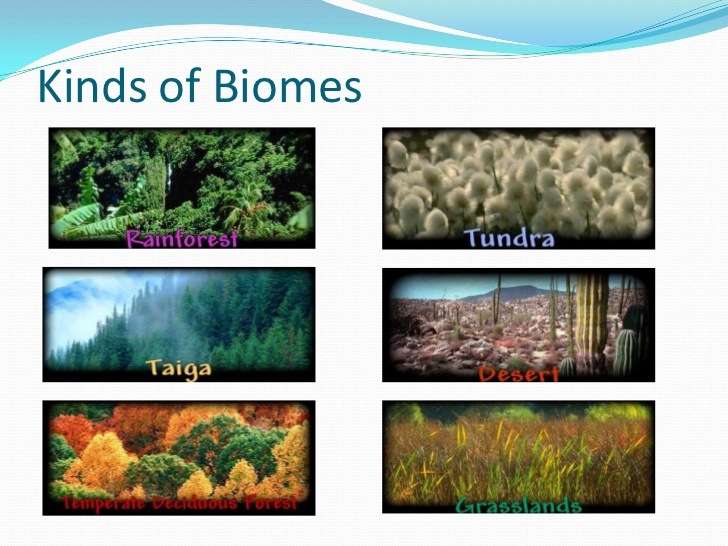
What is the main factor that separates the biomes?
a)
Land
b)
Water
c)
Climate
d)
Longitude
64.
Which of the following is NOT an example of natural selection?
a)
People selectively breeding hamsters.
b)
Insect populations developing resistance to certain pesticides.
c)
Bacteria becoming resistant to antibiotics.
d)
Male birds of certain species developing colorful feathers to attract female mates.
65.

Which species’ DNA is most similar to the DNA of the toothed whale?
a)
Hippopotamus
b)
Baleen Whale
c)
Grazing Mammals
d)
Camels
66.
The environment around Manchester, England, changed during the Industrial Revolution. How did this change affect peppered moths living in the area?
a)
Natural selection favored moths with dark wings because predators could not see them on the soot-colored trees.
b)
Natural selection favored moths with white wings that were easy for predators to see.
c)
Natural selection favored moths with white wings because predators could not see them on the soot-colored trees.
d)
Natural selection caused moths with white wings to become extinct.
67.
The opossum and kangaroo both incubate their young in a pouch. This provides evidence that they---
a)
are descended from a common ancestor
b)
Have very similar skeletal structures
c)
belong to the same species
d)
must range great distances to eat
68.

The similarities of organisms in which two areas numbered in the picture provide the best evidence for common ancestry?
a)
1 and 2
b)
3 and 4
c)
5 and 6
d)
7 and 8
69.

Which statement best describes a relationship between these organisms?
a)
Organism A was probably more primitive than Organisms B and C
b)
Organism A was probably more complex than organism B and C
c)
All of these organisms probably lived at the same time
70.

Where is the T.rex and frog's common ancestor?
a)
Point A
b)
Point B
c)
Point C
d)
Point D
71.

Who shares a more distant common ancestor?
a)
Tomato and Fern
b)
Sponge and Mushroom
c)
Mouse and Tomato
d)
Mouse and Mushroom
72.
Evolution is a change in _________ over time.
a)
Populations
b)
Individuals
c)
Ecosystems
73.
The concept of gene flow is demonstrated when a cow is driven off from its herd, joins another herd, and reproduces. When the cow contributes to the gene pool of the new herd, which of these most likely increases?
a)
Natural Selection
b)
Genetic Variation
c)
Environmental Fitness
d)
Reproductive Mutations
74.

What did Charles Darwin observe in finch populations of the Galapagos Islands off the coast of South America?
a)
different species on different islands
b)
all species on one of the islands
c)
identical species on all the islands
d)
the same species as North America
75.
New species are result of
a)
Genetic Variation
b)
Similarities in traits
c)
Unlimited resources
76.

There is _____________ in the color of the bugs.
a)
Variation
b)
Adaptation ( a change or the process of change by which an organism or species becomes better suited to its environment )
c)
Adaptation ( a beneficial trait)
77.

Directional selection: selects or "favors" which type of traits in a population?
a)
The middle or average trait
b)
both extremes or ends of the spectrum
c)
one extreme or the other
d)
no traits are favored or selected for
78.

Disruptive selections: selects against this trait:
a)
one extreme
b)
both extremes
c)
the middle trait
d)
it does not select against any trait
79.

Which of the following is an example of a vestigial structure?
a)
the wings of a red-tailed hawk
b)
the hind limbs of a house cat
c)
the fins of sharks
d)
the wings of an ostrich
80.

These structures show that there was a close common
a)
relative
b)
early ancestor
c)
unrelated organism
d)
embryological stage
81.

What kid of isolation occurs when two populations of birds have different courtship dances?
a)
geographic
b)
sexual
c)
temporal
d)
behavioral
82.

When animals have structures that serve the same function, but are not closely related these structures are called
a)
homologous structures
b)
analogous structures
c)
vestigial structures
d)
embryology
83.

The hind leg bones in a whale are examples of
a)
homologous structures
b)
analogous structures
c)
fossils
d)
vestigal structures
84.

The similarities of the bones in the diagram provide evidence that---
a)
The organisms shown lived in the same natural envionrment
b)
The organisms shown may have developed from a common ancestor
c)
The organisms shown have the same genetic diseases
d)
All vertebrate species have identical forelimbs
85.

The study of the early stages of development that is one evidence of evolution is:
a)
Homologous Structures
b)
Embryology
c)
Vestigial Organs
d)
Analogous Structures
86.
All genes present in a population is called:
a)
Genetic Drift
b)
Gene Flow
c)
Gene Pool
87.

These structures are shaped similar, but they do not come from a common ancestor, this would be a ______________ structure
a)
Homologous
b)
Analogous
c)
vestigial
d)
embryological
88.

This shows
a)
homologous structures
b)
analogous structures
c)
adaptive radiation
d)
embryology
89.

According to this evolutionary tree, birds are LEAST related to:
a)
Amphibians
b)
Sharks
c)
Ray Finned Fish
d)
Crocodiles
90.

A dichotomous key for insects is given. To what order does an insect with two pairs of scaly wings belong?
a)
Coleoptera
b)
Heteroptera
c)
Diptera
d)
Lepidoptera
91.

An illustration and a dichotomous key are given. What is the correct classification for this organism?
a)
Class Insecta
b)
Order Amblygygi
c)
Order Araneae
d)
Order Scorpiones
92.
The Baltomore Oriole has the scientific name: Icterus galbula (italicized). What taxonomic levels do the scientific name include?
a)
Genus and species
b)
Phylum and genus
c)
Kingdom and phylum
d)
Class and species
93.
What is the correct order of the levels of classification from most general to most specific.
a)
class, order, family, genus, species, phylum, kingdom, domain
b)
kingdom, family, class, order, phylum, domain, genus, species
c)
domain, kingdom, phylum, class, order, family, genus, species
d)
species, genus, family, order, class, phylum, kingdom, domain
94.

According to the chart which species is closest related to the dog?
a)
Lion
b)
Fox
c)
Coyote
d)
Wolf
95.
Which organisms are most closely related?
a)
Equus caballas (Horse) & Equus burchellii (Zebra)
b)
Cyanea artica (Jellyfish) &
Ctenodiscus crispatus (Mud Starfish)
Ctenodiscus crispatus (Mud Starfish)
c)
Naja naja (cobra) & Glycine max (soya bean)
d)
Ophiocomina nigra (black brittle star) & Brassica nigra (black mustard)
96.
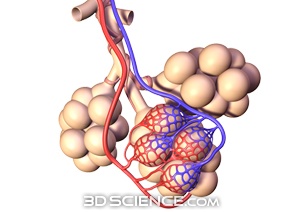
When you breathe, your lungs take in ___ and remove ___.
a)
air/oxygen
b)
oxygen/carbon dioxide
c)
carbon dioxide/waste
d)
waste/air
97.
What is the main bone structure that protects the lungs
a)
Vertebrae
b)
Rib cage
c)
Skull
d)
Pelvis
98.
Carbon dioxide in animals is considered a _________________
a)
food
b)
waste
c)
energy
d)
fun party favor
99.
Red blood cells transport __________ around our body.
a)
oxygen
b)
plasma
c)
bones
d)
cardiac muscles
100.
Which of the following is in the correct order from smallest to largest?
a)
tissue-organ-system-cell
b)
cell-organ-tissue-system
c)
System-tissue-cell-organ
d)
cell-tissue-organ-system
101.
How does the circulatory system and the skeletal system work together?
a)
the circulatory system makes cells while the skeletal system transports the cells where the need to go
b)
the skeletal system makes cells while the circulatory system transports them where the need to go
c)
The circulatory system produces energy for the body and the skeletal system makes cells for the body
d)
The skeletal system digests food and the circulatory system brings air into the body
102.
How does the muscular system and the skeletal system work together?
a)
The muscular system allows the body to stand up while the skeletal system allows the body to move
b)
The muscular system allows the body to move and the skeletal system gives the body a structure
c)
The muscular system gives the body nutrients while the skeletal system gives the body blood
d)
The skeletal system makes cells whilte the muscular system eats them.
103.
How does the cardiovascular system and the respiratory system work together?
a)
The cardiovascular system transports oxygen around the body while the repiratory system gives the body oxygen
b)
The cardiovascular system makes cells while the respiratory system moves them where they are suppose to go.
c)
The cardiovascular system allows the body to have energy while the repiratory system makes cells
d)
The cardiovascular system transports nutrients around the body while the respiratory system brings oxygen into the body
104.
What is the body system that sends and receives electrical signals from the brain?
a)
Skeletal System
b)
Nervous System
c)
Muscular System
d)
Digestive System
105.

One role of the pancreas is to create enzymes to help breakdown food. This function makes it part of which system?
a)
Endocrine
b)
Digestive
c)
Immune
d)
Urinary
106.

Which system detects changes in the environment and sends electrical signals in response to these changes?
a)
Nervous
b)
Endocrine
c)
Lymphatic
d)
Reproductive
107.

This system carries oxygen, nutrients and waste around the body.
a)
Lymphatic
b)
Urinary
c)
Respiratory
d)
Circulatory
108.

Which system uses hormones to regulate body activities?
a)
Integumentary
b)
Urinary
c)
Endocrine
d)
Immune
109.

When the level of carbon dioxide in the blood is too high, the excess carbon dioxide reacts with water and produces carbonic acid. The carbonic acid causes the blood pH to become more acidic. When the blood pH becomes too acidic, chemoreceptors in the brain instruct the body to react and maintain homeostasis in blood pH.
Which of these responses by the body would eliminate the excess carbon dioxide and help maintain homeostasis in blood pH?
Which of these responses by the body would eliminate the excess carbon dioxide and help maintain homeostasis in blood pH?
a)
Increasing the body temperature by shivering
b)
Increasing glucose levels in the blood
c)
Breathing more deeply and frequently
d)
Decreasing the heart rate
110.

In the process of deamination, the liver converts amino acids to compounds that can be used in energy metabolism. The liver removes the amino groups from amino acids to produce urea. Then the urea is removed from the body as urine.
During this process, the liver works in conjunction with which body system?
During this process, the liver works in conjunction with which body system?
a)
Endocrine
b)
Excretory
c)
Nervous
d)
Respiratory
111.

Coracias garrulus is a blue bird with an orange-brown back. The offspring of this bird have an effective defense mechanism. The young birds vomit and cover themselves in a foul-smelling orange liquid when they sense a threat by predators.
Which two systems alert the young bird to the danger and help produce the vomit it uses as a defense?
Which two systems alert the young bird to the danger and help produce the vomit it uses as a defense?
a)
Nervous and digestive systems
b)
Integumentary and muscular systems
c)
Immune and respiratory systems
d)
Excretory and reproductive systems
112.

What two human systems work together to provide the body cells with a constant supply of oxygen while removing carbon dioxide waste products?
a)
Nervous and Endocrine
b)
Muscular and Skeletal
c)
Respiratory and Circulatory
d)
Excretory and Integumentary
113.

Toxoplasmosis is an infection producing brain lesions caused by the parasitic protozoan Toxoplasma gondii. Mice with their gonads (reproductive organs) removed are more resistant to T. gondii and develop very few lesions on their brain tissue. The graph shows the results of a scientific study of normal adult mice infected with T. gondii.
Which systems most likely interact and cause the severity of infections to vary?
Which systems most likely interact and cause the severity of infections to vary?
a)
Muscular and Skeletal
b)
Immune and Endocrine
c)
Excretory and Respiratory
d)
Nervous and Integumentary
114.

A person infected with the human immunodeficiency virus (HIV) may not have any symptoms for a period of time.
During this period the virus affects the body by doing which of the following?
During this period the virus affects the body by doing which of the following?
a)
The virus damages immune cells while using their machinery to produce copies of itself.
b)
The virus produces toxins that weaken the immune cells and prevent them from reproducing.
c)
The virus uses nutrients meant for immune cells to fuel its own cellular respiration.
d)
The virus changes the identity of the nucleotides of immune cells to prevent the immune system from functioning normally.
115.

The outermost layer of plant stems in dicotyledons consists of epidermal cells and guard cells that surround openings called stomata. The epidermal cells are usually covered with a waterproof layer that provides protection from injury and water loss. The stomata allow gas exchange.
The epidermal cells and the stomata have functions similar to those of which two human body systems?
The epidermal cells and the stomata have functions similar to those of which two human body systems?
a)
Integumentary and Respiratory
b)
Skeletal and Muscular
c)
Cardiovascular and Skeletal
d)
Cardiovascular and Integumentary
116.
Where does water enter the plant?
a)
stem
b)
leaves
c)
roots
d)
flower
117.
Guard cells close the stomata to keep water in.
a)
True
b)
False
118.
Poison Ivy growing on a tree by touch.
a)
Gravitropism
b)
Phototropism
c)
Thigmotropism
d)
Hydrotropism
119.
A plant growing in response to the sunlight.
a)
Gravitropism
b)
Phototropism
c)
Thigmotropism
d)
Hydrotropism
120.
The shoot of a plant growing up.
a)
Positive Gravitropism
b)
Negative Gravitropism
c)
Thigmotropism
d)
Hydrotropism
121.
The root of a plant growing down.
a)
Positive Gravitropism
b)
Negative Gravitropism
c)
Thigmotropism
d)
Hydrotropism
122.

Which type of tropism?
a)
hydrotropism
b)
thigmotropism
c)
phototropism
d)
gravitropism
123.
What is the original source of almost all energy in most ecosystems?
a)
carbohydrates
b)
sunlight
c)
water
d)
carbon
124.
What is the term for each step in the transfer of energy and matter within a biological community?
a)
energy path
b)
food web
c)
trophic level
d)
food pyramid
125.
Autotrophs make up the _______ level in all ecosystems.
a)
First
b)
Second
c)
Third
d)
Fourth
126.

which symbiosis is this
a)
parasitism
b)
mutualism
c)
commensalism
d)
nonalism
127.

symbiotic relationship in which both organisms benefit
a)
competition
b)
Mutualism
c)
nitrogen fixation
d)
energy pyramid
128.

A living relationship between two species in which one organism is harmed is called...
a)
mutualism
b)
commensalism
c)
parasitism
d)
niche
129.

The image provided is an example of a(n):
a)
Carnivore
b)
Herbivore
c)
Producer
d)
Autotroph
130.
The amount of energy that usually transfers from one trophic level to the next...
a)
10%
b)
20%
c)
80%
d)
50%
131.
An illustration that uses arrows to show the many possible directions in which matter and energy can pass through the organisms in an ecosystem.
a)
Food chain
b)
Food web
c)
Energy Pyramid
d)
Succession Map
132.
The nonliving aspects of an ecosystem.
a)
Abiotic factors
b)
Biotic factors
133.
A collection of organisms that belong to different populations but all live in the same area and interact with one another.
a)
Population
b)
Ecosystem
c)
Community
d)
Ecosphere
134.
A collection of organisms that make up a community as well as all of the nonliving aspects of the environment.
a)
Population
b)
Community
c)
Habitat
d)
Ecosystem
135.
A volcano forms a new island. Over time, the bare rock becomes home to small plants and eventually larger plants. This is an example of _____.
a)
primary succession
b)
secondary succession
c)
aphotic zones
d)
estuaries
136.
The first organisms to appear in an area that is going through succession are known as _____.
a)
pioneer species
b)
population
c)
limiting factors
d)
pollution
137.

What is the carrying capacity of the following graph?
a)
1000
b)
8000
c)
800
d)
600
138.

A mite lives in the base of the eyelashes of people who use mascara. It feeds on the mascara; it does not seem to harm people. What type of symbiotic relationship is this?
a)
mutualism
b)
commensalism
c)
parasitism
d)
predation
139.

A coyote captures, kills, and eats a rabbit. What type of symbiotic relationship is this?
a)
mutualism
b)
commensalism
c)
parasitism
d)
predation
140.

A tapeworm lives in the intestines of a dog. It absorbs food the dog has eaten and grows larger in the process. The dog becomes weaker from malnutrition. What type of symbiotic relationship is this?
a)
mutualism
b)
commensalism
c)
parasitism
d)
predation
141.

The flower of the yucca plant provides the only location where the yucca moth can lay her eggs. In the process, the moth pollinates the yucca flower. What type of symbiotic relationship is this?
a)
mutualism
b)
commensalism
c)
parasitism
d)
predation
142.

What is this a picture of?
a)
Nitrogen cycle
b)
carbon cycle
c)
water cycle
d)
plant cycle
143.
How does carbon dioxide leave the atmosphere?
a)
Through transpiration
b)
Through photosynthesis
c)
Through factory emission
d)
Sunlight
144.
Organisms use nitrogen to form
a)
carbohydrates and lipids
b)
proteins and lipids
c)
lipids and nucleic acids
d)
proteins and nucleic acids
145.
When nitrogen gas is turned in to a form that plants and animals can use is called
a)
Combustion
b)
Photosynthesis
c)
Decomposition
d)
Nitrogen Fixation
146.
Carbon dioxide is added to the atmosphere by
a)
Burning fossil fuels
b)
Cellular respiration
c)
Decomposing organic matter
d)
All answers are correct
147.
The nitrogen found in the atmosphere is not in a form that plants or animals can use. What converts it into a usable form?
a)
Bacteria
b)
Photosynthesis
c)
Decomposition of organisms
d)
Fungi
148.
What does not produce carbon dioxide?
a)
Photosynthesis
b)
Burning Fossil Fuels
c)
Animal respiration
d)
Plants decaying
149.

Identify the cycle pictured.
a)
The Water cycle
b)
The Carbon cycle
c)
The Nitrogen cycle
d)
This is not a correct diagram of any cycle.
150.

Why are quaternary consumers so rare?
a)
It is too hard to catch prey
b)
There isn't enough energy left in the food
c)
The food sources do not taste good
d)
There is not enough room for them on the food chain
151.

On average, how much energy is lost between each trophic level?
a)
0%
b)
10%
c)
90%
d)
100%
152.

What do the arrows represent in this diagram?
a)
Who is being eaten
b)
The flow of energy
c)
What things change into
d)
The decomposition of organisms
153.
How does the predator-prey relationship affect a population?
a)
The predators and prey are in competition with each other.
b)
Usually either the predator or the prey will become extinct.
c)
The predator species usually has exponential growth
d)
The relationship controls the population size of both species
154.
Xylem is
a)
another name for roots
b)
is a vascular tissue that carries water and minerals from the root up to the plants.
c)
carries food from the leaves to the root.
155.
phloem is
a)
a vascular tissue that carries water and nutrients from the roots up to the stem and leaves.
b)
a vascular tissue that carries food from leaves to the the roots.
c)
another name for leaf.
100 %

