
 Worksheets
Stars and Solar System REVIEW
Total questions: 38
Worksheet time: 19mins
The solar system has 9 planets
True
False
The inner planets are called terrestrial. What does that mean?
Large and Gaseous
Medium and Icy
Small and Rocky
Small and Gaseous
The outer planets are called?
Rock Giants
Gas Giants
Fusion Remnants
Kuiper Objects

The gas giants of the outer solar system all have rings and moons.
True
False
To be considered a “planet” a celestial object must:
Be in orbit around a star
Have enough mass to be pulled into a stable sphere by gravity
Dominate its orbit
All of these
A dwarf planet doesn’t meet the new definition of a planet because it doesn’t dominate its own orbit.
True
False
Pluto is classified as a large asteroid.
True
False

The asteroid belt is located between Mars and Jupiter
True
False
An asteroid is
not large enough to form a spherical shape under gravity
made of rock and metal
are irregularly shaped
All of these
Mars has two moons.
True
False
If a meteoroid were hit the surface of the earth, it is called a ________________?
Asteroid
Moon
Meteorite
Meteor
A comet has two tails.
True
False
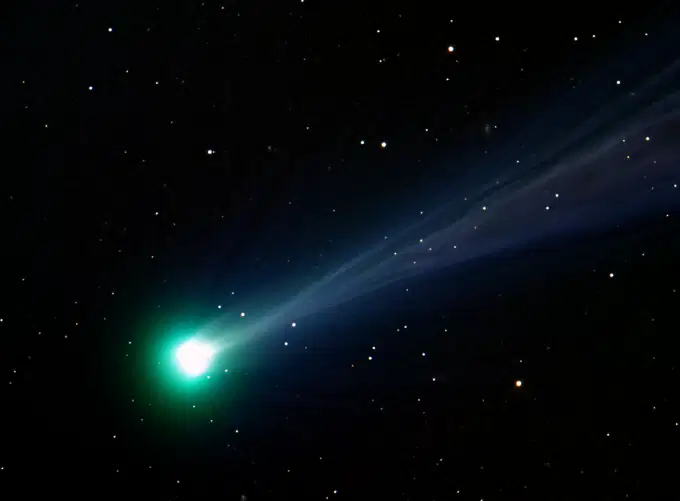
Comets are made of
ice
rock
dust
all of these

Which planet is the largest?
Jupiter
Saturn
Uranus
Neptune
Comets are found in the ____________________?
Kuiper Belt
Oort Cloud
Asteroid Belt
Comet Cloud
By definition, stars are huge spheres of plasma held together by its own gravity.
True
False

Another example of plasma is lightning.
True
False
The area hot and dense enough for nuclear fusion to take occur is called the
Radiative Zone
Plasma Zone
Core
Crust
The outermost layer of a star is called the corona, which means crown.
True
False
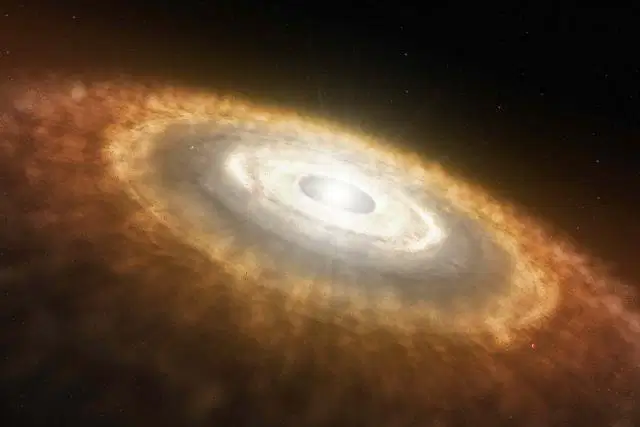
The Solar System formed from a stationary disk of dust and gas.
True
False
Pluto’s orbit crosses Earth’s orbit
True
False
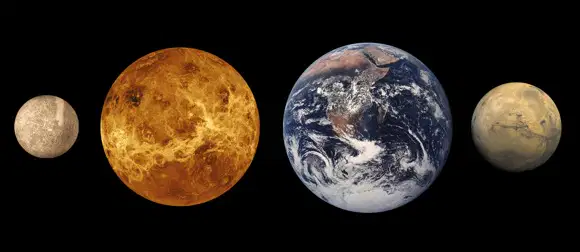
The Inner planets in order
Mars, Venus, Earth, Mercury
Earth, Mercury, Venus, Mars
Mercury, Venus, Earth, Mars
Venus, Mars, Mercury, Earth
When low mass stars die, they form a ____________________.
Supernova
Black Hole
White Dwarf
Neutron Star
A newly formed star is called a protostar
True
False
The name of our star, the sun is called
Plasmir
Sol
Corona
Polaris

The closest star system to us is Alpha Centauri. It contains __________.
1 star
2 stars
3 stars
4 stars
The photosphere
shows sunspots
may have solar flares
is the visible part of a star
All of these
How many years are required for a star to form?
1 billion
10 billion
1 million
100 million
This process creates heavier elements after a star explodes.
nucleosynthesis
nuclear fusion
solar flares
chemical fusion
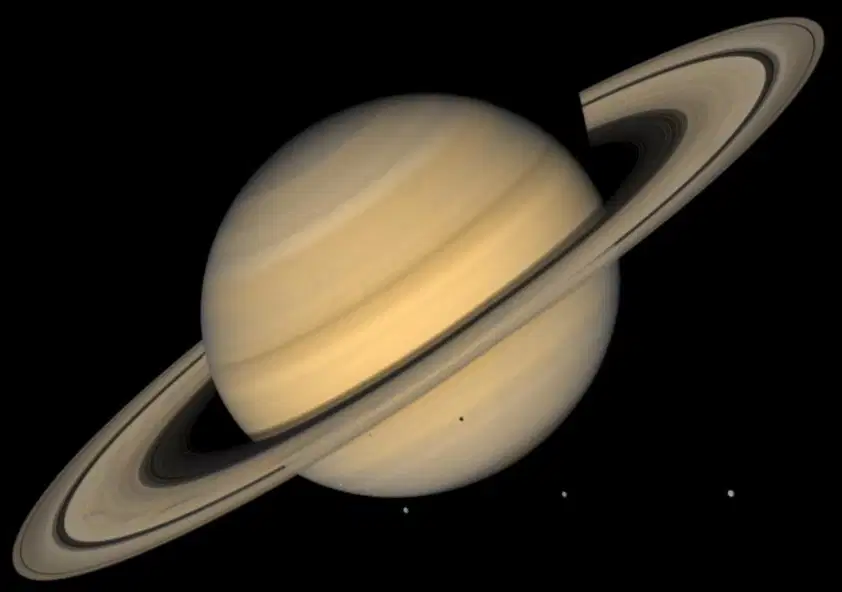
The name of this planet?
Mars
Earth
Jupiter
Saturn

What celestial object is shown in this image?
Asteroid
Moon
Comet
Earth
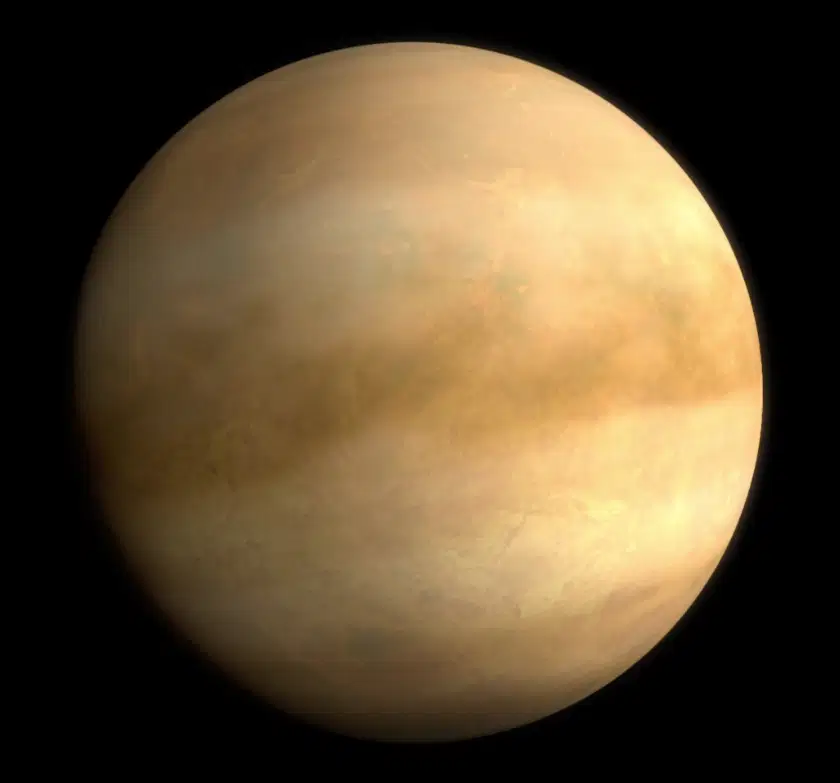
The name of this planet, which is the hottest planet in the solar system.
Mercury
Jupiter
Venus
Mars

The name of this planet, which is also called the red planet.
Mercury
Jupiter
Venus
Mars


Label Part 4
#4 Core
#4 Radiation zone
#4 Photosphere
#4 Corona

Part the sun is where the solar wind (energy and particles) stream away from the sun.
It is visible during a solar eclipse
Photosphere
Atmosphere
Corona
Nebula

