
 Worksheets
Body Systems Principles of HS
Total questions: 30
Worksheet time: 3hrs 28mins


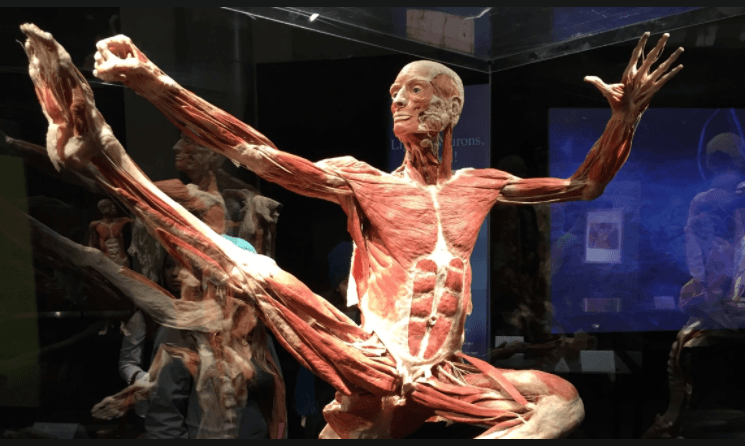
Which structure is made of tissue?
Cell
Organ
Organ System
Organism
Which system transports nutrients and oxygen to the parts of the body?
Respiratory System
Digestive System
Circulatory System
Integumentary System
Which system consists of the skin, hair, and nails?
Circulatory
Respiratory
Nervous
Integumentary
Which system takes in information through the 5 senses?
Nervous
Respiratory
Circulatory
Digestive
Which system includes the lungs and trachea?
Circulatory
Nervous
Respiratory
Skeletal
Match the organ system with its function
Nervous System
Controls the body
Circulatory System
Transports oxygen and nutrients through the body
Muscular System
Helps move the body
Excretory System
Removes waste
Match the organ system with its function(s).
Integumentary System
Protects the body and helps control body temperature
Skeletal System
Provides support, protects organs, helps the body move
Respiratory System
Takes in oxygen and removes carbon dioxide
Digestive System
Breaks down food, absorbs nutrients, and removes waste
Someone is cold and shivers. Which systems are at work together?
Respiratory, Skeletal, and Integumentary
Nervous, Integumentary, and Muscular
Nervous, Digestive, and Circulatory
Which of the following is NOT a function of the skeletal system
Framework for muscle attachment
Blood cell production
Generate body heat
Storage of calcium
Explain the function of white blood cells in the circulatory system.
To transport oxygen to the body's cells
To regulate blood pressure
To protect the body from infections and foreign invaders by attacking and destroying them.
To produce insulin

Removes wastes from blood.
excretory system
lymphatic system
endocrine system
digestive system

Moves blood through the body.
cardiovascular system
skeletal system
muscular system
nervous system

Supports the body and protects important organs.
skeletal system
muscular system
nervous system
digestive system

Gathers oxygen from the environment and gets rid of carbon dioxide from the body.
cardiovascular system
respiratory system
endocrine system
lymphatic system

The protective covering of the body.
respiratory system
cardiovascular system
integumentary system
endocrine system
What is the term we give to invaders of our body? ex: parasites, fungus, virus, and bacteria
antigen
pathogen
antibody
none of the above
What is the function of the immune system?
to produce hormones that regulate the body's activities
to defend our body by attacking pathogens
to help support and provide structure to the body
to filter waste in the bloodstream
A disease in which the body's ability to produce or respond to the hormone insulin is impaired, causing an increase in blood sugar
diabetes
ulcers
asthma
bronchitis
Which two body systems are interacting in this scenario:
Your brain signaling the release of hormones.
nervous and integumentary
nervous and endocrine
endocrine and circulatory
nervous and circulatory
When you get pinched by someone, which systems interact to help you move your arm away?
Nervous, muscular, skeletal
Nervous. respiratory, skeletal
Muscular, excretory, skeletal
Digestive, muscular, respiratory
Which two body systems are interacting in this scenario:
Lungs supply oxygen carried by red blood cells to the cells of the body.
endocrine and circulatory
respiratory and endocrine
respiratory and circulatory
digestive and circulatory
The immune system fights diseases. The circulatory system pairs with the immune system because ___.
blood is made in the bones.
plasma carries nutrients.
red blood cells carry oxygen.
white blood cells fight infection.

